Since the pandemic, urban issues have become more pressing than ever for many people in Latin America. COVID-19 triggered a turbulent shift in the real estate market, driven both by speculation in second-home markets and the influx of “digital nomads” in cities like Medellín, Buenos Aires, and Mexico City.
India hosts a multitude of museums, art galleries, public libraries, theaters, and heritage centers. Nevertheless, many of these structures remain abandoned and fossilized like the artifacts they intend to present and protect. The development of cultural infrastructure in India has historically been a government endeavor, often resulting in a state of stagnation. The past two decades have seen a noticeable shift in the country’s cultural landscape. Increased interest from private institutions has paved the way for plenty of cultural projects to be initiated, usually in partnership with city authorities. These contemporary projects aim to celebrate the richness of India’s historical and contemporary culture, becoming prize destinations for the rising middle class.
Do you ever wonder what the future holds for architectural visualization? To answer this question and understand the present state and expectations for the future of architectural visualization, over 2,000 architects and designers were surveyed through a commissioned study conducted by Architizer on behalf of Chaos Enscape.
Burning Man, the annual festival taking place in Nevada’s Black Rock Desert, has opened on August 27th, with thousands of festivalgoers gathering to create the Black Rock City, a ‘temporary metropolis’ complete with numerous installations, artworks, and pavilions that celebrate “community, art, self-expression, and self-reliance.” This year, however, the festival experience has been different, as heavy rains inundated the desert and festival site, creating thick, ankle-deep mud. The roads to and from the festival have been closed as large vehicles risk remaining stuck in the mud. While some people have left the site by walking out, the majority of the 70,000 campers remain stranded, as reported by CNN.
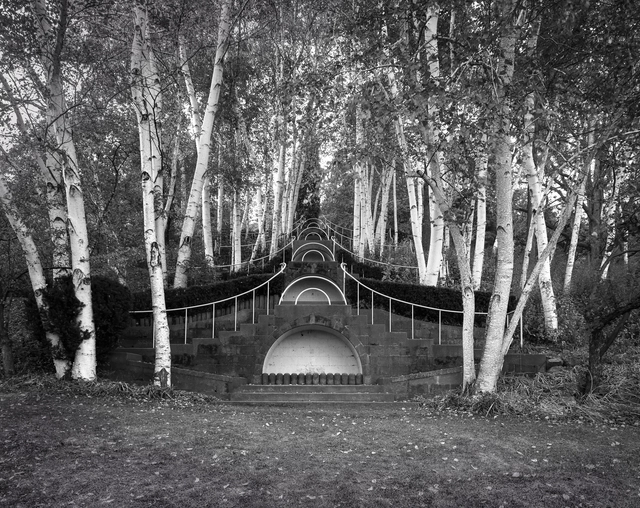
The photographic archive of landscape photographer and architect Alan Ward has been recently gifted to the Cultural Landscape Foundation (TCLF). The collection features 110 Portfolios composed of approximately 2,500 images of parks, estates, memorials, gardens, university campuses, cemeteries, museums, and botanical gardens, taken in 12 different countries, and captured by Alan Ward, a principal at the Boston-based firm Sasaki and a Fellow of the American Society of Landscape Architects.
Yucatán is a state located in the southeastern part of Mexico on what is known as the Yucatán Peninsula, bordered by the Gulf of Mexico, Quintana Roo, and Campeche. Within this state, there are 4 magical towns: Izamal, Maní, Sisal, and Valladolid. The architecture of this region is a blend of indigenous, Hispanic, Mexican, French, Italian, and American influences.
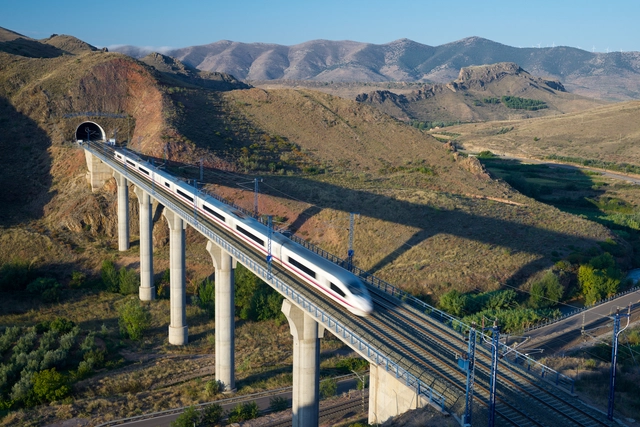
Last summer, Spain promoted cleaner transportation by offering free seasonal tickets for suburban and regional trains, which translated into roughly 48 million journeys per month. The initiative hoped to help citizens reduce fuel consumption and reduce the cost of living during the economic uncertainties and rising energy prices. In the summer of 2022, a 30% discount for municipal public transport was announced, with local governments in places like Catalonia topping up to a 60% discount. The program ran between the 1st of September and the 31st of December of last year.
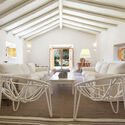
Architects such as Alvar Aalto and Tadao Ando showcase the ability of natural light to shape architectural spaces. Aalto's projects employ extensive glass elements, carefully positioned windows and skylights, harnessing the ever-changing characteristics of daylight. Meanwhile, Ando's Church of Light serves as a striking example of how light can hold profound spiritual significance within a space. Its concrete facade features a symbolic cross-shaped opening, which beautifully and symbolically illuminates the interior, creating a unique spiritual ambiance. In addition to being an essential element that enhances interior aesthetics, natural light profoundly impacts the overall quality of life, promoting better well-being and productivity. By taking advantage of the power of natural light, spaces can reduce their dependence on artificial lighting, leading to greater energy efficiency and a more sustainable design approach.
A technique used for centuries, particularly in hot, dry climates, limewashing can be applied to both interior and exterior walls. Beyond its affordability, this rustic finish offers numerous benefits that extend far beyond aesthetics: its light tone and striking texture create a compelling contrast between the building and its surroundings. Learn more about its advantages and how to apply this finish below.
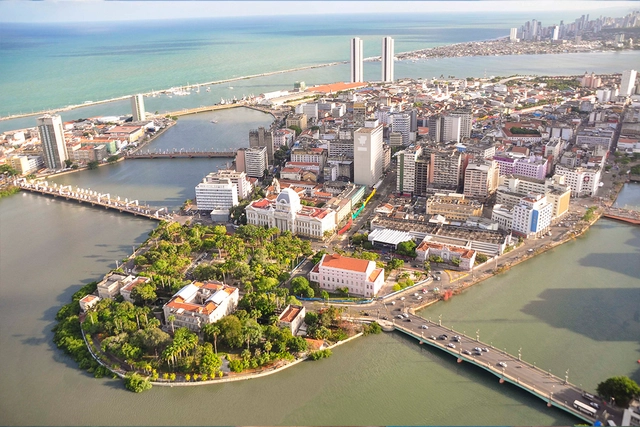
There are many reasons why some urban areas deteriorate while others thrive, including economic, planning, social, and cultural factors, as well as sheer chance. Understanding these dynamics—and, more importantly, minimizing the risk of decay while fostering vitality in urban areas—is a recurring theme in urban planning, driven by the shared and legitimate desire to live in beautiful, pleasant, and prosperous environments.
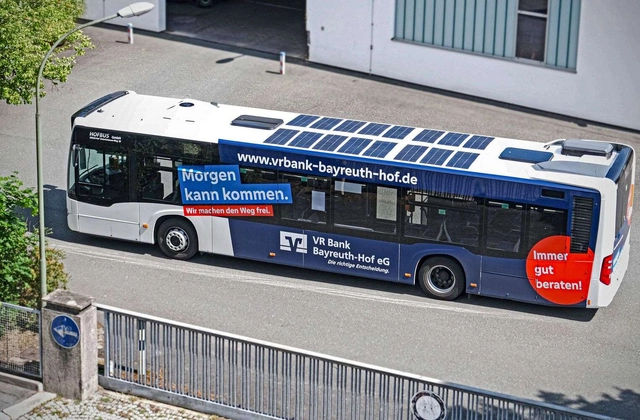
The first bus to be equipped with solar modules is running in the German city of Hof, in northeastern Bavaria. Photo: Sono Motors
The German company Sono Motors became world-famous for developing the Sion, an electric car powered by solar energy. However, due to a lack of funding to support pre-series production, the project was terminated in February of this year, and the company’s focus is now on adapting and integrating its patented solar technology into third-party vehicles.
This business setback could be good news for the environment, since instead of focusing on individual vehicles, the business model has been restructured to serve a wide range of vehicles, including buses, trucks, and refrigerated vehicles.
Hi there! Welcome to the second Supporters Newsletter, created exclusively for you. For the second edition, we are dedicating this issue to the concept of Theory & Practice. Featuring our Managing Editor of ArchDaily in Spanish, Fabian Dejtiar, we will delve into the discussion about the interactions between research and practice and how ArchDaily's content incorporates both areas. In addition, we are offering our Supporters a free course on Revit Flow, information on job opportunities at BIG, and our recommendations on digital tools.
https://www.archdaily.com/1006335/the-supporters-newsletter-issue-number-2ArchDaily Team
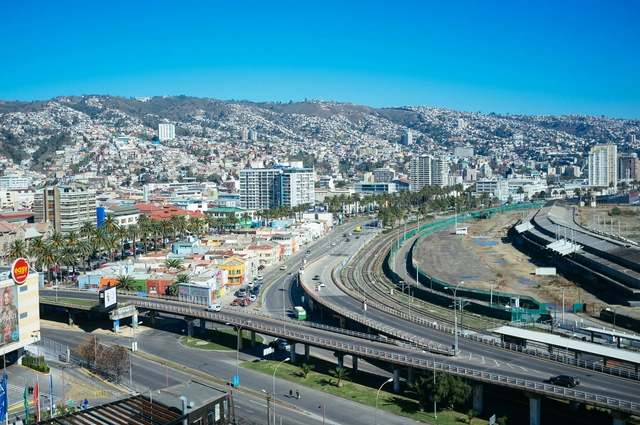
City of Valparaíso, Fifth Region, Chile. May 21, 2017. Image via Shutterstock / MARCELODLT
Several new projects have been introduced this year that bring significant changes to transit options for Chile's residents. These include the addition of the new Santiago Metro Lines and a new preliminary cable car project designed to connect Valparaíso with Placilla de Peñuelas.
A Drug Rehabilitation Center in the Cracolândia region of São Paulo. This was the theme of the first design competition organized by Labideias, open to students and recent graduates in architecture and urbanism with up to two years since graduation.
Architecture can play a critical role in questioning existing possibilities. It can be a voice that, through the built environment, proposes more humanized, creative, and inclusive approaches. Based on this premise, the organization invited participants to develop a proposal that addresses the needs of a marginalized and increasingly persecuted population. Discover the winners and honorable mentions of the #001 Labideias Competition below.
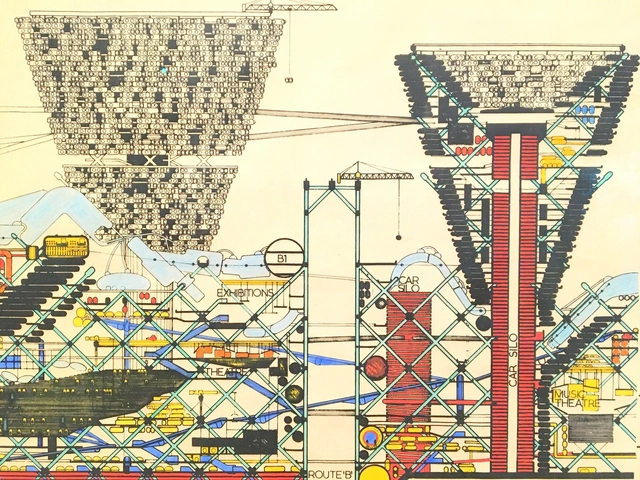
The concept of a city can be viewed as a constantly evolving system where both architects and users contribute to its design and redesign. While its framework may start with planners or designers, the character of the urban fabric is ultimately shaped by the societies and generations that inhabit it. The question of "city authorship" often arises in the context of masterplan design. Can architects and urban planners determine the extent to which a city will evolve through its initial design? The answer is no. User authorship then acknowledges that city planning should not be approached like building design, where designers attempt to predict every aspect of shape, pattern, behavior, and culture. Instead, it recognizes the role that people play in shaping the urban fabric through their personal taste in architecture, the development of neighborhood personality, and ongoing redesign that contributes to the story and spirit of a place. These factors should be considered in the initial design by engaging ideas related to future expansion, adaptable infrastructure, and empowering citizens to contribute to the city's architecture, thus making the city design democratic. This article explores conceptual radical cities where designers embrace the ideas of user authorship and the constant evolution of ephemeral architecture.
The importance of conserving natural resources through sustainable housing and infrastructure is becoming increasingly prominent, prompting the architecture, design, and construction industries to remain highly aware of these needs amidst dwindling resources and a growing global population.
In understanding the pressing challenges currently facing cities, and in response to both environmental demands and technical requirements within the industry, developing innovative materials and high-strength, durable, improved solutions has become central to the construction of buildings and infrastructure.
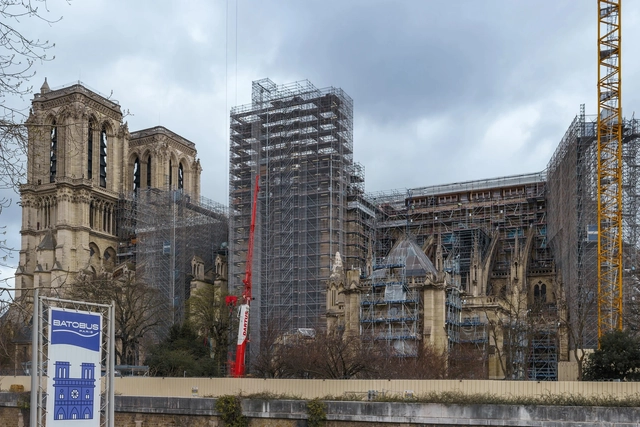
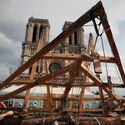
Scaffolding continues to surround the cathedral on March 24, 2023.. Image via Shutterstock | O.Kemppainen
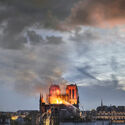
On April 15, 2019, a devastating fire occurred at the infamous Notre Dame Cathedral in Paris, France. The fire caused significant damage to the historic structure, which is a landmark in the city and a symbol of French Gothic architecture. The cathedral has been undergoing restoration works and is on course to reopen to the public in 2024. Throughout the process of restoration, its interior cleaning methodologies were debated, its carpentry was entirely replaced by medieval-skilled timber craftsmen, and the completion date for the cathedral is still on track for December 2024.
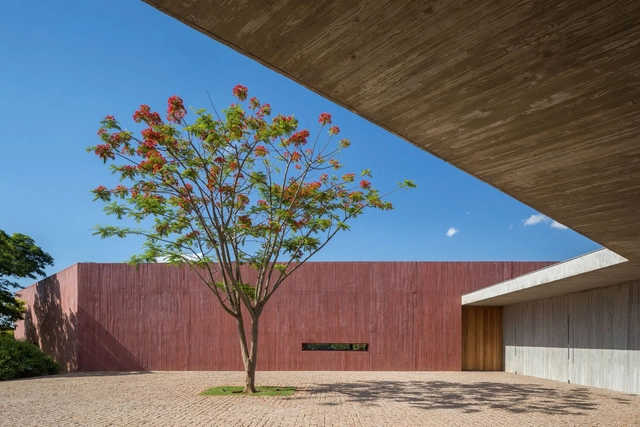
The use of pigmented concrete in Latin American architecture is growing - and influencing contemporary architectural expression. This can be seen in recent built works ranging from the INES Innovation Center designed by Pezo von Ellrichshausen in Chile to the Teotitlán del Valle Community Cultural Center by PRODUCTORA in Mexico.
Iwona Blazwick has been appointed as the Curator of the 18th Istanbul Biennial, organized by the Istanbul Foundation for Culture and Art (iKSV). The Biennial will occur in 2024, from 14 September until 17 November. The Istanbul Biennial is the most comprehensive international exhibition organized in Türkiye and the region, playing an essential role in promoting contemporary artists and artist collectives.
Iwona Blazwich OBE is a curator, writer, and art historian. She held the position of Director at the Whitechapel Gallery in London from 2001 to 2022 and previously worked with many renowned institutions in her practice. Currently, she is the curator for the Royal Commission’s Arts AlUla initiative in Saudi Arabia. Furthermore, Blazwhich’s career as an independent curator ranges from exhibitions and public art projects across Europe, the United States, Japan, and China.
In August, the Colegio de Arquitectos de Chile celebrated its 81st anniversary at its National Headquarters in Santiago. To mark this anniversary, the 2023 CA Awards ceremony was held.
Tourist facilities are a significant architectural program as they not only provide essential amenities for travelers but also encapsulate the cultural essence of a destination. Resorts and hotels experiment with ideas of comfort and leisure, restaurants bring visitors into the local culinary culture, while wineries merge craftsmanship, tradition, and modernity. Visitor centers are another facility often provided for travelers, serving as gateways to exploring the city. Besides their flexible program, these architectural interventions most often strive to relate and harmonize with the local context to enrich the narrative of the space and create a memorable experience for every visitor.
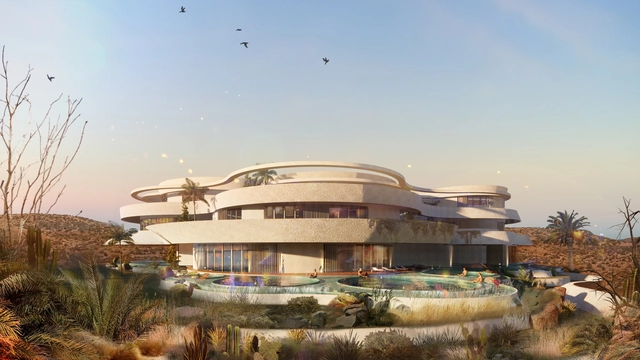
This week's curated selection of Best Unbuilt Architecture highlights projects submitted by the ArchDaily community that showcase various amenities dedicated to tourists, from wine cellars, specialty restaurants, and visitor centers to isolated camping sites in the mountains or lavish spa hotels in the arid areas of the Middle East. Featuring projects from emerging and established architectural offices such as Melike Altınışık Architects, Lockhart Krause Architects, MUA, and OMBI Innovation Lab the selection includes a wide range of programs and scales, showcasing designs that rethink conventional tourist facilities while establishing a connection with their surroundings and cultural context.
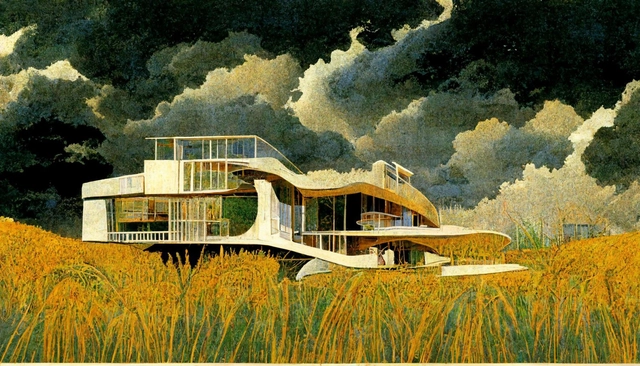
We are witnessing a major shift in the process of generating images. The recent influx and growth of machine learning and artificial intelligence raises questions about the way in which creative processes evolve and develop through technology. Systems like DALL-E, DALL-E 2, and Midjourney are AI programs trained to generate images from text descriptions using a dataset of text-image pairs. The diverse set of capabilities includes creating anthropomorphized versions of animals and objects, combining unrelated concepts in plausible ways, and applying transformations to existing images.
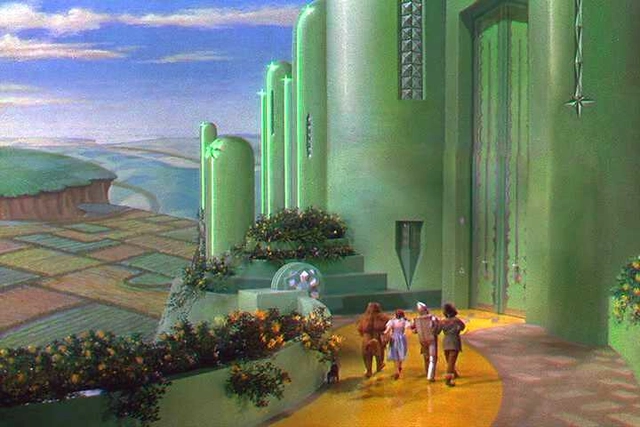
The Wizard of Oz (director Victor Fleming, cinematography Harold Rosson, 1939). Print Screen
Colors evoke specific feelings; therefore, they are used to elicit particular effects on the surface they appear on or in the minds of observers contemplating them. In architecture, color plays a fundamental role in defining shape. Materials in their natural state already possess inherent coloration, which is perceived in a specific manner. However, when dyed, the observer's perception is altered, giving rise to associations between different sensations related to the same object. This transformation brought about by color occurs in various visual mediums, spanning from three-dimensional contexts like architecture to static and mobile two-dimensional forms such as engravings, photographs, paintings, and films.
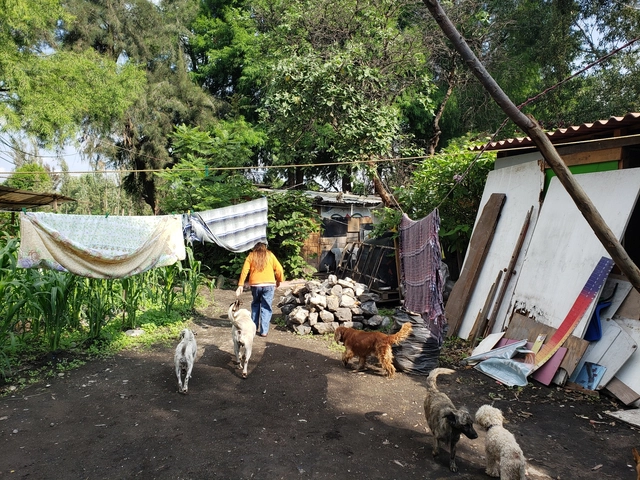
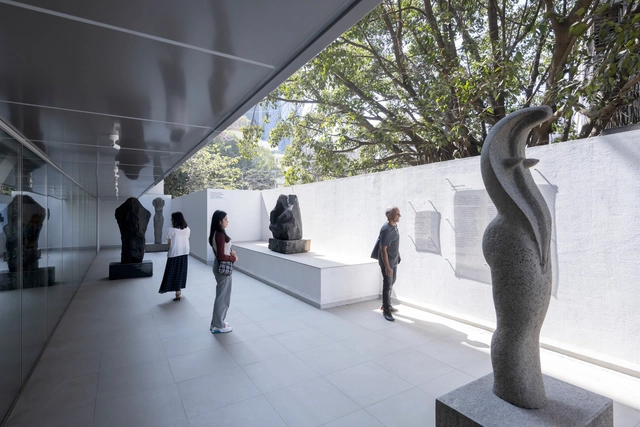










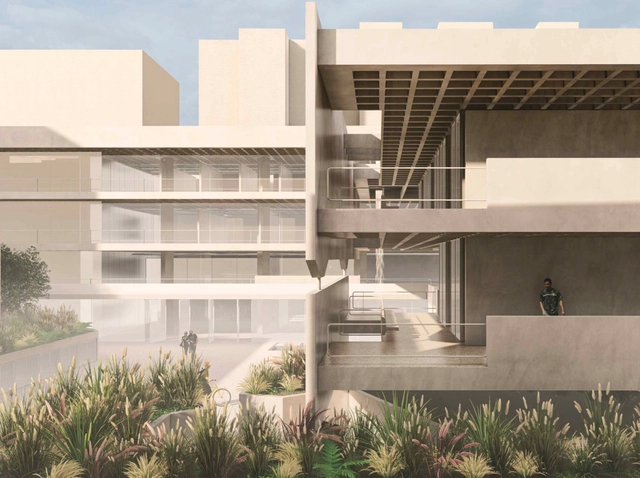
![Paola Masera + Campos Studio and [H] Arquitectos, among the winners of the Region V / FCARM 2023 Architecture Biennial - Featured Image](https://snoopy.archdaily.com/images/archdaily/media/images/64ef/815f/5286/7b4f/7ea0/5523/slideshow/ganadores-de-la-ii-bienal-de-arquitectura-de-la-region-v-de-la-federacion-de-colegios-de-arquitectos-de-la-republica-mexicana-ac_2.jpg?1693417830&format=webp&width=640&height=580)