

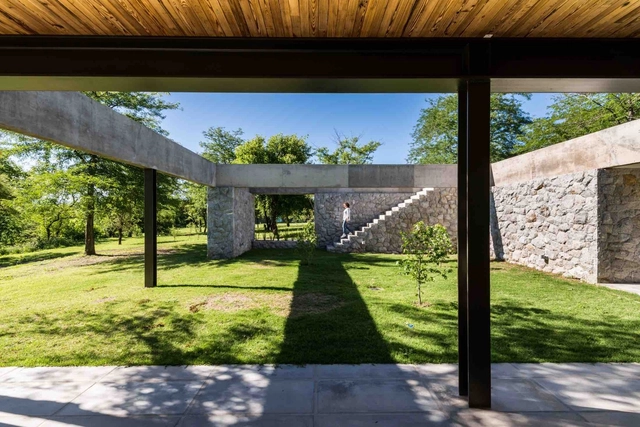
Stone
GS House / MWS arquitectura


https://www.archdaily.com/802357/gs-house-mws-arquitecturaSabrina Leiva
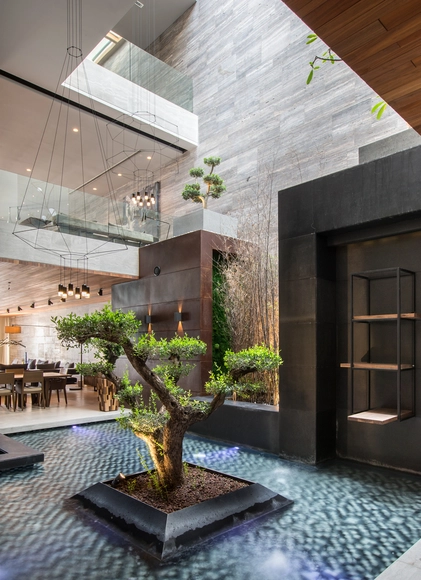
AAK Villa / MORIQ
-
Architects: MORIQ
- Area: 977 m²
- Year: 2016
-
Professionals: Creative Style, Ghumais constructions, Sirajuddin Khalid
https://www.archdaily.com/801530/aak-villa-moriqSabrina Leiva
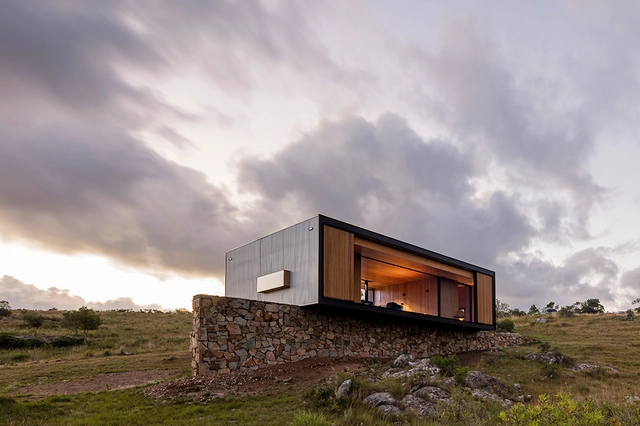
Retreat in Finca Aguy / MAPA


https://www.archdaily.com/802157/retreat-in-finca-aguy-mapaCristobal Rojas
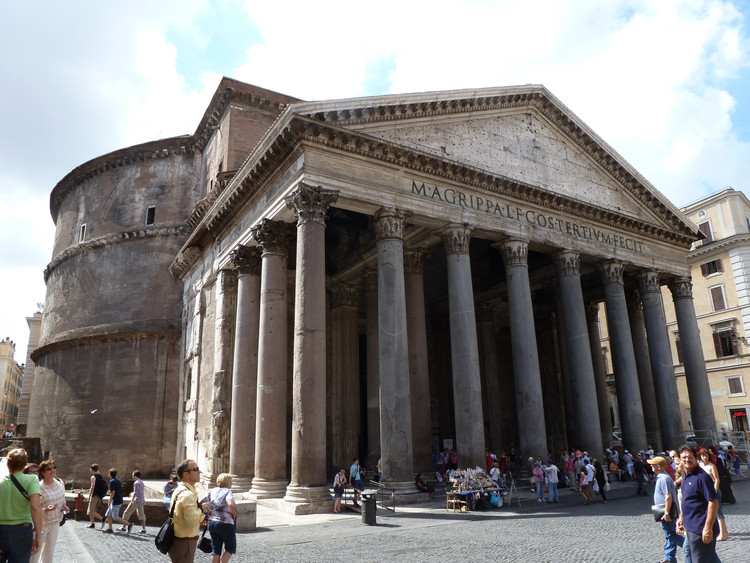
AD Classics: Roman Pantheon / Emperor Hadrian
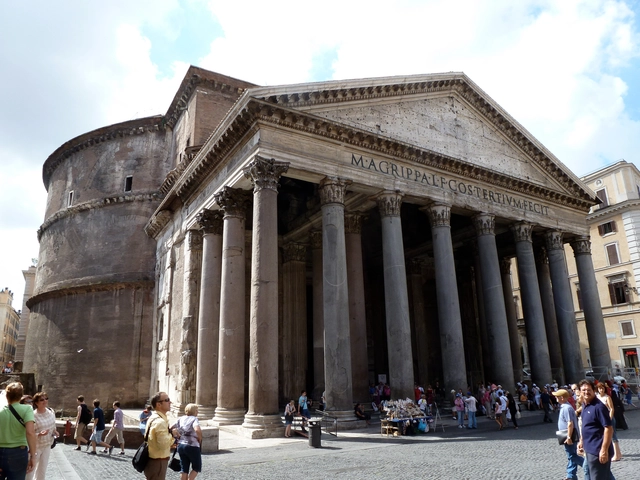
Locked within Rome’s labyrinthine maze of narrow streets stands one of the most renowned buildings in the history of architecture. Built at the height of the Roman Empire’s power and wealth, the Roman Pantheon has been both lauded and studied for both the immensity of its dome and its celestial geometry for over two millennia. During this time it has been the subject of countless imitations and references as the enduring architectural legacy of one of the world’s most influential epochs.


https://www.archdaily.com/802201/ad-classics-roman-pantheon-emperor-hadrianLuke Fiederer
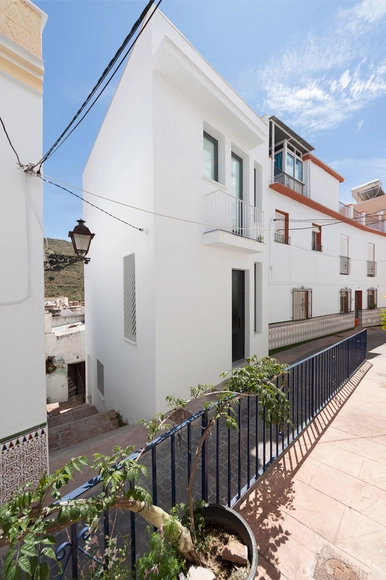
Casa TR / Antonio Jurado


https://www.archdaily.com/802050/casa-tr-antonio-juradoSabrina Leiva
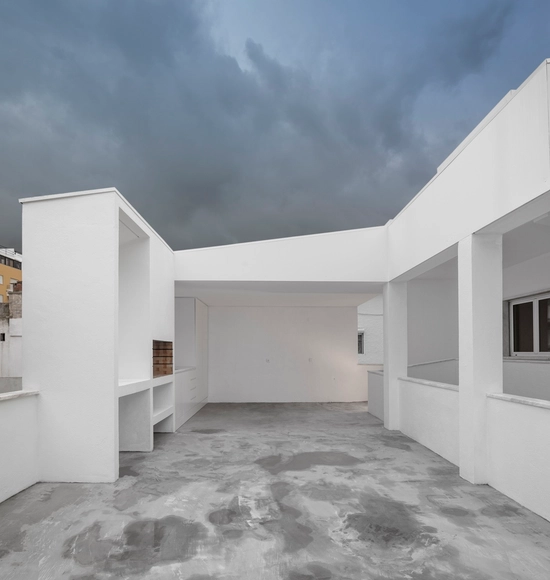
Moradia na Costa / João Tiago Aguiar, Arquitectos


https://www.archdaily.com/801552/costa-house-joao-tiago-aguiar-arquitectosSabrina Leiva


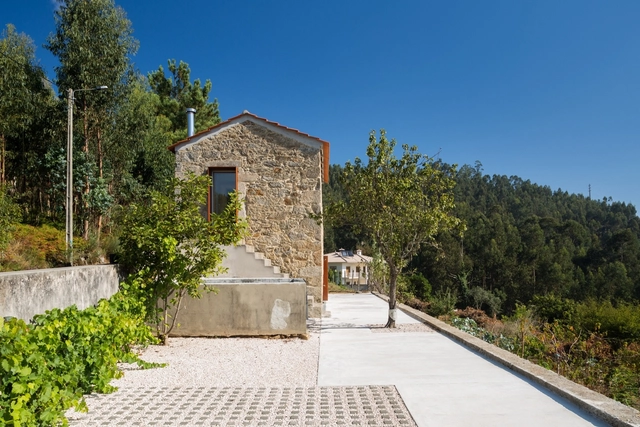
SH House / Paulo Martins


-
Architects: Paulo Martins
- Area: 45 m²
-
Manufacturers: CIN, Pladur
https://www.archdaily.com/801722/sh-house-paulo-martinsValentina Villa
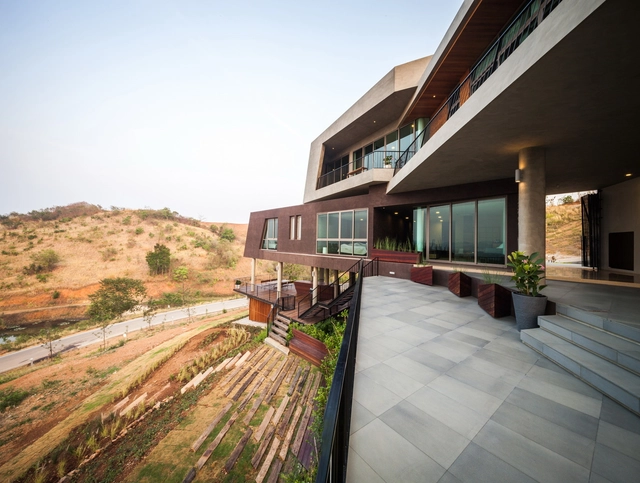
Overlapping House / VaSLab Architecture




-
Architects: VaSLab Architecture
- Area: 1351 m²
- Year: 2016
-
Manufacturers: SCG, TPS Garden Wood
-
Professionals: Doubleclick Construction, MAGLA, PHTAA Living Design
https://www.archdaily.com/801356/overlapping-house-vaslab-architectureSabrina Leiva
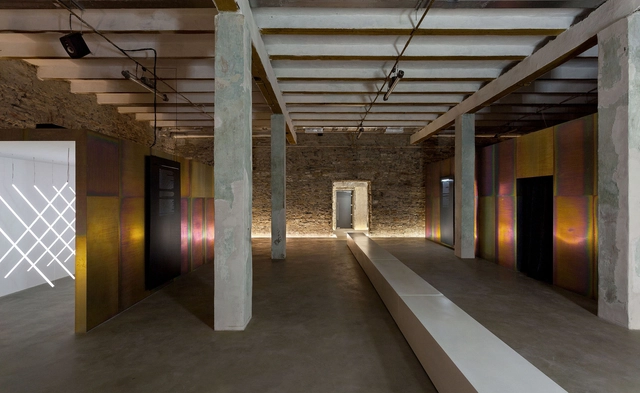
M'ARS Centre for Multimedia Arts in Abrau-Durso / NOWADAYS office


-
Architects: NOWADAYS office
- Area: 1000 m²
- Year: 2016
https://www.archdaily.com/801371/mars-centre-for-multimedia-arts-in-abrau-durso-nowadays-officeCristobal Rojas
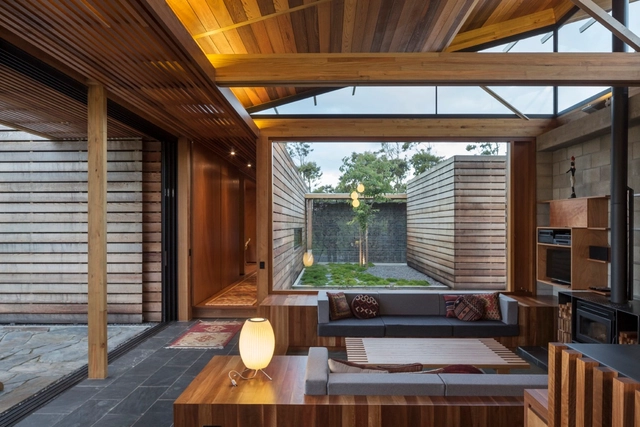
Bramasole / Herbst Architects


-
Architects: Herbst Architects
- Year: 2016
-
Manufacturers: Hynds, Plytech
-
Professionals: Paul & Trevor Buchan
https://www.archdaily.com/801342/bramasole-herbst-architectsValentina Villa
Levanto Water Purification Plant / MMAA
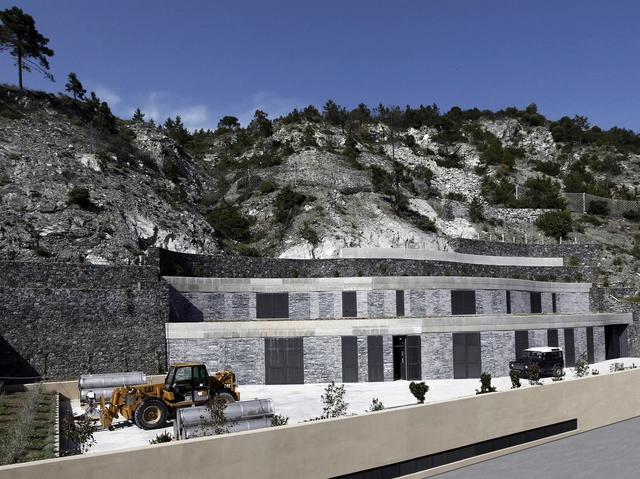
-
Architects: MMAA
- Area: 1340 m²
- Year: 2016
-
Manufacturers: Saint-Gobain, Queirolo Roberto, Rosso Levanto, Sideridraulic
https://www.archdaily.com/801251/levanto-water-purification-plant-mmaaSabrina Leiva
Clos de Tres Cantos / Alejandro D'Acosta
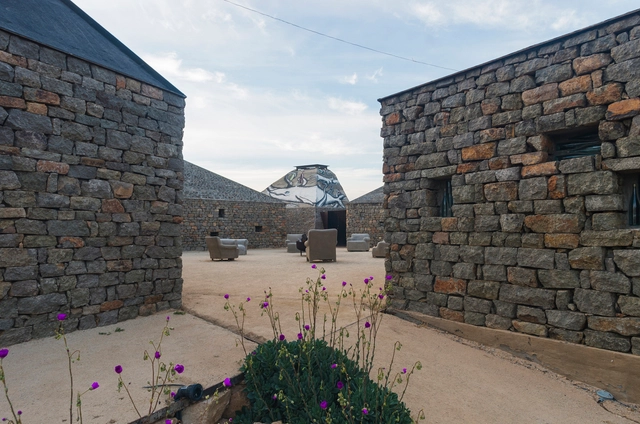


https://www.archdaily.com/801243/clos-de-tres-cantos-tac-taller-de-arquitectura-contextualSabrina Leiva
Loft MdP / FFWD Arquitectes


-
Architects: FFWD Arquitectes
- Area: 122 m²
- Year: 2016
-
Manufacturers: Acor, BATHCO, BORDEAUX IRON DESIGN, EDFAN
https://www.archdaily.com/800969/loft-mdp-ffwd-arquitectesValentina Villa
AD Classics: Royal Basilica of Saint-Denis / Abbot Suger
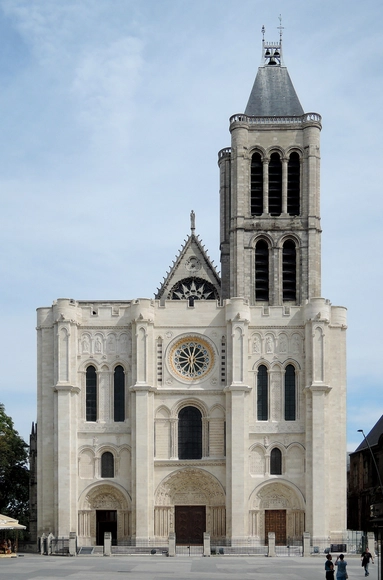
The origin of Gothic architecture, a style which defined Europe in the later Middle Ages, can be traced to a single abbey church in the northern suburbs of Paris. The Basilique royale de Saint-Denis (Royal Basilica of Saint-Denis), constructed on the site of an abbey and reliquary established in Carolingian (800-888 CE) times, was partially rebuilt under the administration of Abbot Suger in the early 12th Century; these additions—utilizing a variety of structural and stylistic techniques developed in the construction of Romanesque churches in the preceding centuries—would set medieval architecture on a new course that would carry it through the rest of the epoch.


https://www.archdaily.com/797766/ad-classics-royal-basilica-of-saint-denis-abbot-sugerLuke Fiederer
Ermita del Santo Sepulcro Rehabilitation / Héctor Fernández Elorza + Manuel Fernández Ramírez
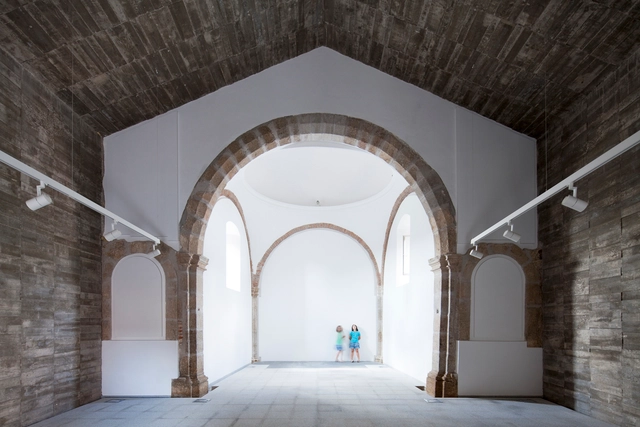


-
Architects: Héctor Fernández Elorza, Manuel Fernández Ramírez
- Area: 45 m²
https://www.archdaily.com/800288/ermita-del-santo-sepulcro-rehabilitation-hector-fernandez-elorza-plus-manuel-fernandez-ramirezDaniela Cardenas
Arts Building for The American School in London / Walters & Cohen Architects


-
Architects: Walters & Cohen Architects
- Area: 1200 m²
- Year: 2016
-
Manufacturers: OAG Architectural Glass, S. McConnell & Sons with Stone Cladding International Limited, Whelan & Grant
-
Professionals: ISG, Martin Long in association with TGA, Price & Myers
https://www.archdaily.com/799986/arts-building-for-the-american-school-in-london-walters-and-cohen-architectsCristobal Rojas
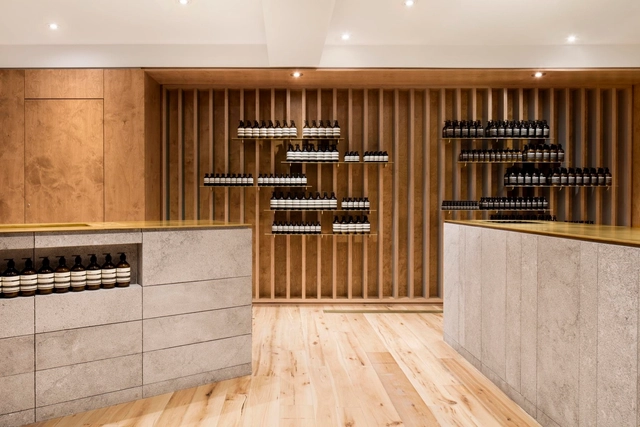
Aesop Mile End / NatureHumaine


-
Architects: NatureHumaine
- Area: 50 m²
- Year: 2016
-
Manufacturers: Lambert & fils, Mr.Sign
-
Professionals: Avantage Plus
https://www.archdaily.com/800053/aesop-mile-end-naturehumaineValentina Villa