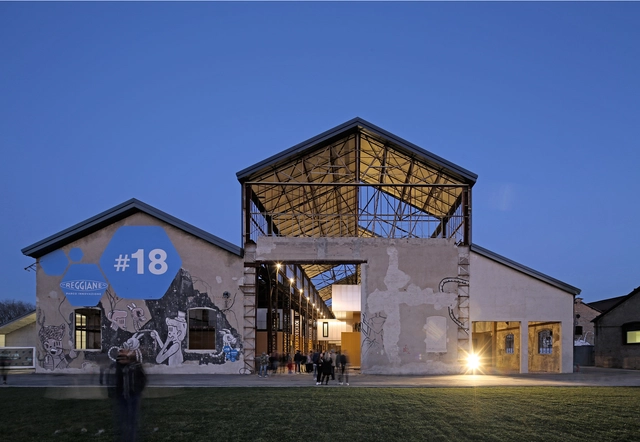
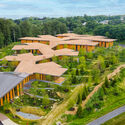
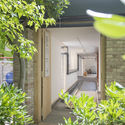
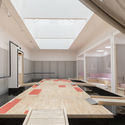
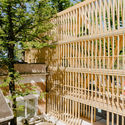
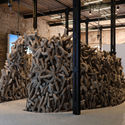
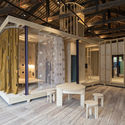
Winner project: Riqualificazione architettonica e funzionale del Capannone 18 nell’area Ex “Officine Reggiane”. Image Courtesy of Dedalo Minosse
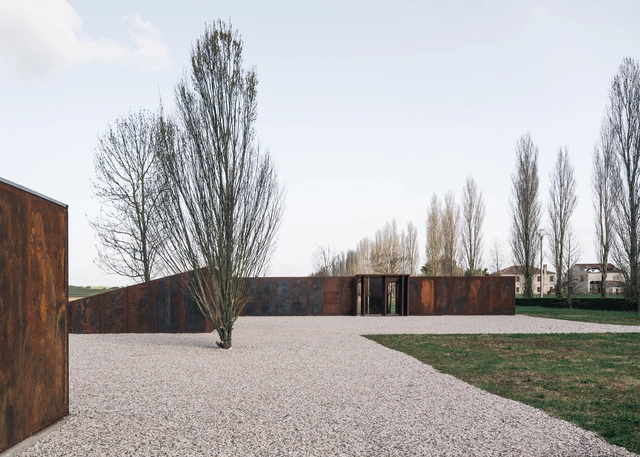
The International Award for the Commission of Architecture “Dedalo Minosse” promoted the Italian association for professional Architects returns after three years on hold, to tribute worldwide architects. Firms like ODDO architects, Ryuichi Ashizawa, and The Kresge Foundation - Detroit are some of the winners for their promotion and contribution to the discipline. The Anniversary is also de 12th edition of the Dedalo Prize, which will be held From September 16 to October 2, 2022, in Vicenza, Italy. The event will host forums and workshops about and around the city, opening with the spectacular award ceremony at the iconic Teatro Olimpico, and continuing with a Multimedia exhibition at the Basilica Palladiana.
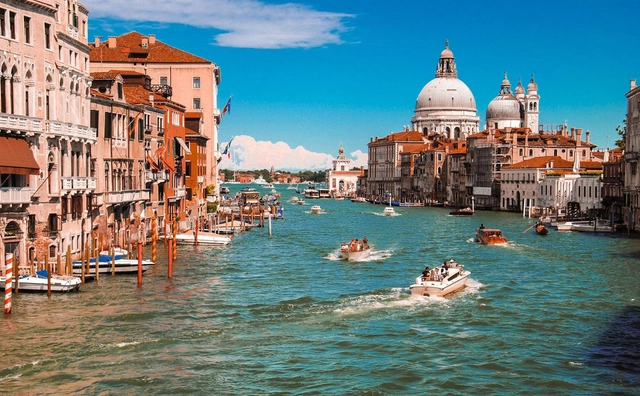
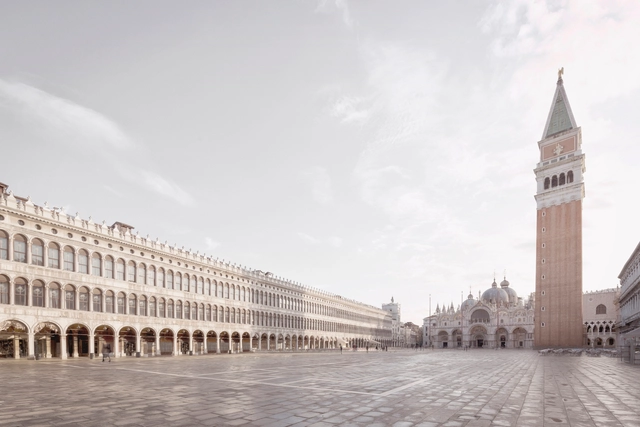
Following several initiatives to tackle the tourism and architectural heritage crisis, Venice authorities have announced that as of January 16th, 2023, visitors will have to book a visiting slot and an entrance fee to see the historic canal city. The newly proposed ticketing system, which is claimed to be the first of its kind in the world, hopes to control its "over-tourism" crisis, a challenge that has been affecting the lagoon's ecosystem, urban development, and local population.
dixit algorizmi - the garden of knowledge. Image Courtesy of Uzbekistan National Pavilion by Gerda_studio
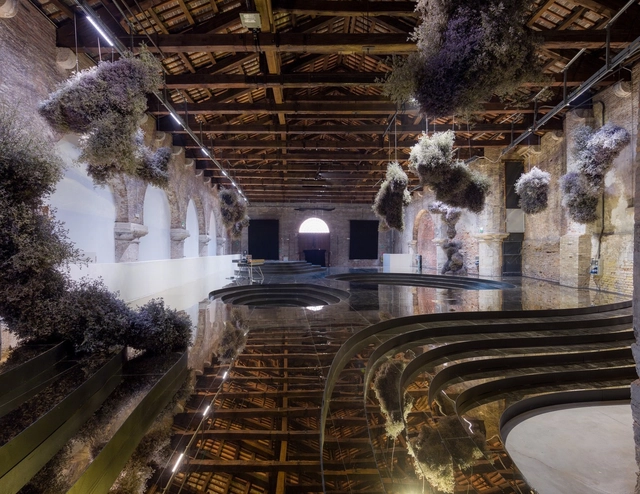
The 59th International Art Exhibition - La Biennale di Venezia has officially opened its doors to the public on the 23rd of April, 2022. Titled "The Milk of Dreams”. the exhibition is welcoming more than 210 artists from 58 countries, to showcase over a thousand artworks and installations that promote art, science, research, and ecological transition from the environmental humanities.
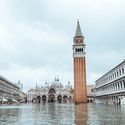
After an extensive five-year restoration carried out by David Chipperfield Architects and Generali, the iconic Procuratie Vecchiein St. Mark's Square has opened again to the city, with an installation by Italian artist Edoardo Tresoldi. Titled "Monumento", the artwork responds to the new socially-driven functions presented by the vast space, "renewing the language of the monumental column and the values to which society aspires in order to reflect its own epoch".
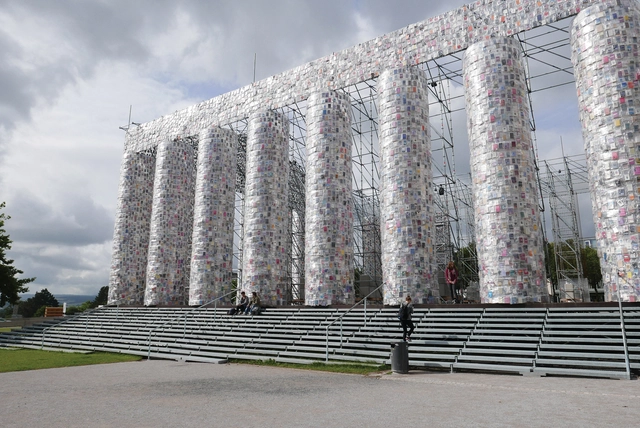
Marta Minujín, Parthenon of Books, Dokumenta 14, Kassel, Germany, 2017. Image by Anne-Catrin Schultz.. Image Courtesy of Real and Fake in Architecture–Close to the Original, Far from Authenticity?
The term “fake” has been in the media frequently in the early 21st century, referring to headlines and fictional statements that are perceived as real and are influencing public opinion and action. Replacing the historically more common term “propaganda,” fake news aims at misinformation and strives to “damage an agency, entity, or person, and/or gain financially or politically, often using sensationalist, dishonest, or outright fabricated headlines.” Tracing fake news and differentiating “real” information from personal opinions and identifying intentional (or unintentional) deceit can be complicated. It is similarly complex to trace the duality of fake and real in the built world. To explore the larger context of fake statements in architecture and environmental design, a look at the definition of fake and related terms might be necessary.
Architect Cino Zucchi (b. 1955) grew up and practices in Milan, Italy. He was trained at MIT in Cambridge and the Politecnico di Milano, but claims to be largely self-taught, although influenced by such of his countrymen as Aldo Rossi and Manfredo Tafuri. He is internationally known for diverse projects across Europe. Many are both abstracted and contextual residential complexes in Italy, particularly in Milan, Bologna, Parma, Ravenna, and, most notably, in Venice. Zucchi’s D residential building in Giudecca, attracted international attention and praise when it was completed in 2003. I met Cino Zucchi last year during the Venice Architecture Biennale; that meeting led to an extensive interview that we recently engaged in over Zoom between New York and the architect’s sunlight and books-filled Milan studio.
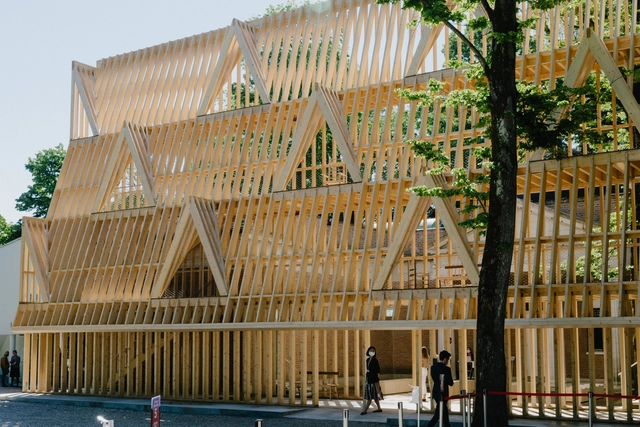
In this two-part episode of Design and the City - a podcast on how to make cities more livable – reSITE covers the 17th Venice Architecture Biennale, exploring the question of “How will we live together". Part-one looks into the works of the U.S, Nordic, and Luxembourg Pavilion curators, focusing on their use of timber construction as an answer to the exhibition's theme. Part-two features curator Hashim Sarkis and Greg Lindsay, along with the British and Austrian pavilion curators, as they explore the topic of accessibility.
The city of Venice has decided to replace the glass on Santiago Calatrava’s Ponte della Costituzione with stone, as the slick surface was the cause of numerous incidents. The decision comes after several attempts to limit slips using resin and non-slip stickers, even placing keep-off signs on the glass surface when the winter weather rendered the floor increasingly dangerous. Inaugurated in 2008, the bridge has been the subject of controversy and protest from the onset, as the building costs and timeframe surpassed initial estimates and complaints about falls began early on.
Spanish Pavilion. Image Courtesy of Spanish Pavilion
Despite a year-long postponement and strict pandemic regulations, the 17th International Architecture Exhibition of La Biennale di Venezia has finally come to an end with over 300,000 visitors, exceeding the previous edition. Titled "How Will We Live Together", the 2021 edition of the event featured 112 participants and 60 national participations hailing from 46 countries, displayed across the Giardini, Arsenale, and the streets of Venice from May 22nd to November 21st, 2021. UAE's Wetland by curators Wael Al Awar and Kenichi Teramoto took home the Golden Lion for Best National Participation, for presenting an innovative contextual alternative to cement, one of the key emitters of the world's carbon dioxide.
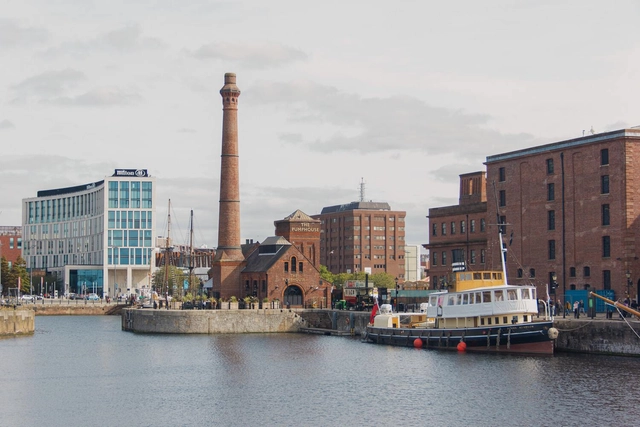
This month, UNESCO has announced a series of decisions concerning important heritage sites, giving rise to conversations around preservation and urban development. Last week, the World Heritage Committee decided to strip Liverpool of its heritage status, as the new developments are considered detrimental to the waterfront's integrity. These projects placed the city on the List of World Heritage in Danger in 2012, a designation which Venice managed to avoid earlier this week, due in great part to the recent ban on cruise ships.
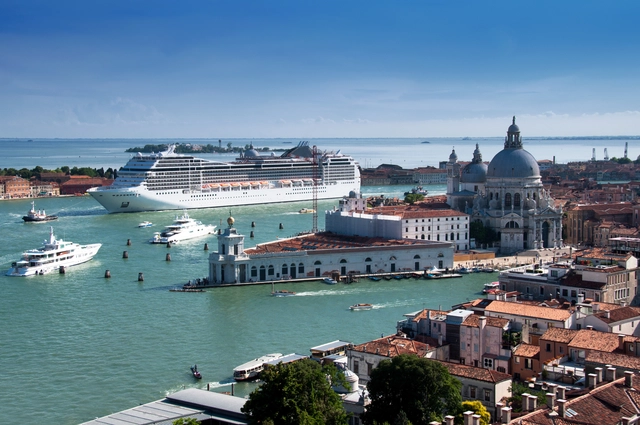
The Italian government has announced the permanent ban of large cruise ships in the Venetian lagoon, after several years of protests, petitions, and threats of being put on UNESCO’s endangered list. The ban will be effective as of August 1st, 2021, and will prohibit ships exceeding 180 meters in length or weighing 25,000 tons from entering the lagoon, hoping to sustain Venice's historic canals, waterways, and public squares.
The world of travelling is a multifaceted one. There are the everyday trips one takes for work or school, commuting to a set location during the week, usually within the confines of a city. There are the longer trips too, the trips which usually involve getting into an aeroplane to visit someplace a bit farther from where the traveller usually resides. These trips are frequently done for business purposes, but for those who have the means to afford it, these trips are undertaken for learning and leisure – where the traveller can be defined as a “tourist”.