


-
Architects: Fantuzzi + Rodillo Arquitectos
- Area: 136 m²
- Year: 2017
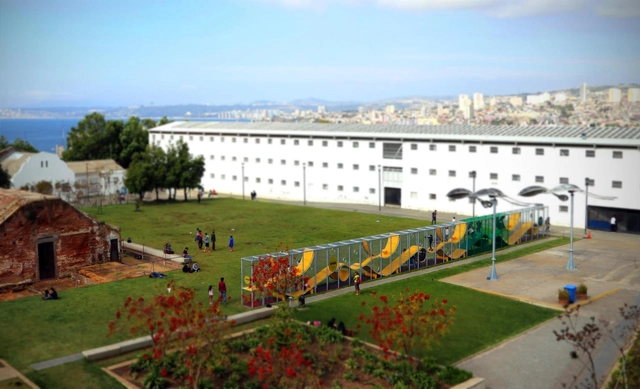
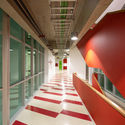
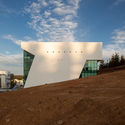
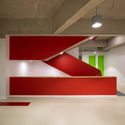
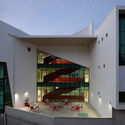
A new children’s urban playground has captured the attention and energy of children of all ages in the center of Valparaíso’s Cultural Park (Chile). The metallic structure is 40 meters long and has a colorful undulating path where children can run, jump, hide and slide.
La Serpentina is one of the public space projects designed by ELEMENTAL (Alejandro Aravena). It was built for Somos Choapa in Chile and is currently in Valparaíso as part of the XX Biennial of Architecture and Urbanism of Chile.
La Serpentina follows a similar design to the equipment at the Bicentenary Children’s Park (2012) in Santiago. La Serpentina is one of two interventions entered by Somos Choapa in the Biennial. The second project is a prototype with a series of touch screens installed in the main area of the Cultural Park of Valparaíso, accounting for over 100 concrete initiatives of the project.
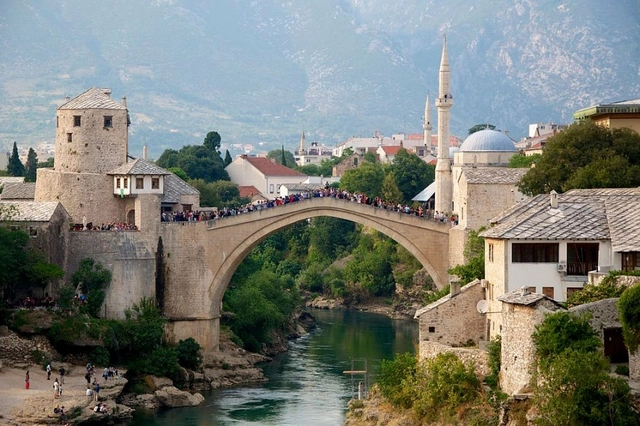
This article, written by Svetlana Kondratyeva and translated by Olga Baltsatu for Strelka Magazine, examines the most interesting cases of the role of culture in sustainable urban development based on the UNESCO report.
UNESCO published the Global Report on Culture for Sustainable Urban Development in the fall of 2016. Two UN events stimulated its creation: a document entitled Transforming our World: the 2030 Agenda for Sustainable Development, which emphasizes seventeen global goals for future international collaboration, was signed in September of 2015 at the Summit in New York. Habitat III, the conference held once in twenty years and dedicated to housing and sustainable urban development, took place in Ecuador in October of 2016. The question of culture’s role in urban development, and what problems it can solve, was raised at both events. To answer it, UNESCO summarized global experience and included successful cases of landscaping, cultural politics, events, and initiatives from different corners of the world in the report.

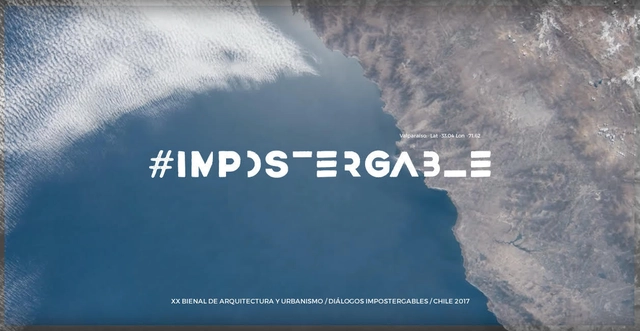
Colegio de Arquitectos de Chile and the XX Bienal de Arquitectura y Urbanismo de Chile curatorial team, invite international professionals to participate in the exhibition, to be held a second consecutive year at the Parque Cultural de Valparaíso. Aspiring towards a biennial open to citizens rather than closed to the discipline, the biennial is titled “Diálogos Impostergables”, and for the first time will include citizen's initiatives.
Update (11/28/2016): Given the large interest generated by the call to participate in “Diálogos Impostergables,” the curatorial team has extended the deadline for submission of material to Monday, December 12th, 2016.
Colegio de Arquitectos de Chile and the XX Bienal de Arquitectura y Urbanismo de Chile curatorial team, invite international professionals to participate in the exhibition, to be held a second consecutive year at the Parque Cultural de Valparaíso. Aspiring towards a biennial open to citizens rather than closed to the discipline, the biennial is titled “Diálogos Impostergables”, and for the first time will include citizen's initiatives:
Thinking about what we consider unpostponable from an architectural and urban perspective presents us with the urgent necessity to work with those that have resided at the margin, who have not seen their necessities and aspirations reflected in the city. It is fundamental to generate a dialogue that includes different forces that make up our cities, establishing a link with other countries of the global South and those that have historically been postponed.
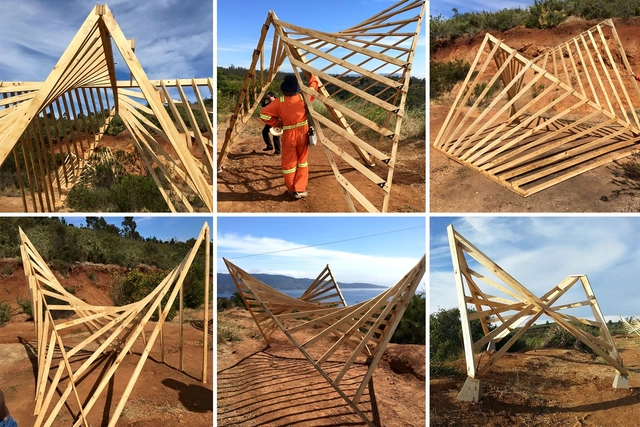
At the UTFSM in Valparaíso, Chile, architect Verónica Arcos developed a first-year studio centered around the theme of "materiality."
Based on an application of math and geometry in the study of Mexican architect Félix Candela's work, the workshop sought to "put form in crisis and take it to its maximum expression."
.jpg?1445987372&format=webp&width=640&height=580)
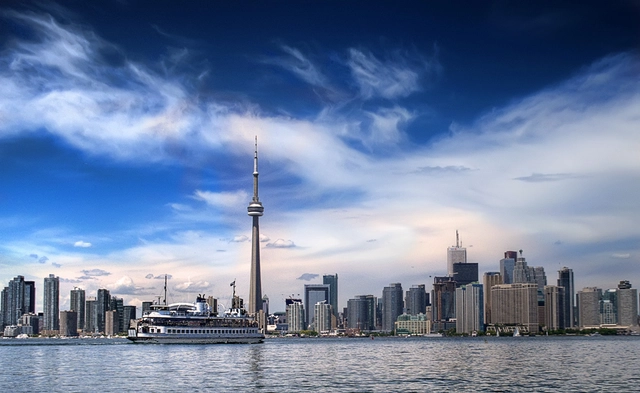
How do you compare cities? It's difficult to collapse millions of individual subjective experiences into a single method of comparison, but one popular technique used in recent years has been to judge a city's "livability." But what does this word actually mean? In their 2015 ranking of the world's most livable cities, Metropolis Magazine has gathered together a group of experts on city planning, urban life, tourism and architecture to break down "livability" into the categories they think matter and draw upon Metropolis' considerable urban coverage to produce one of the most thorough attempts to rank world series yet attempted. Find out the results after the break.

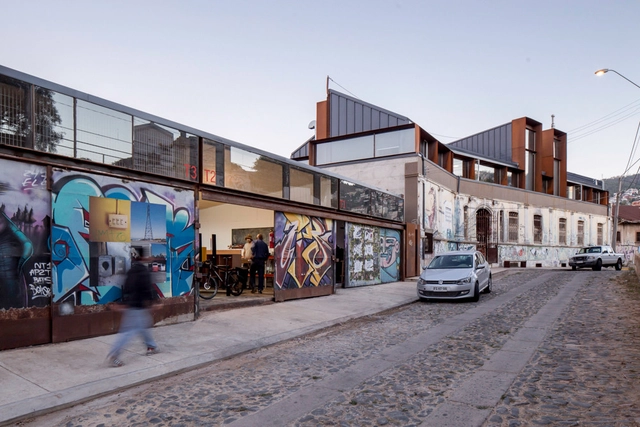
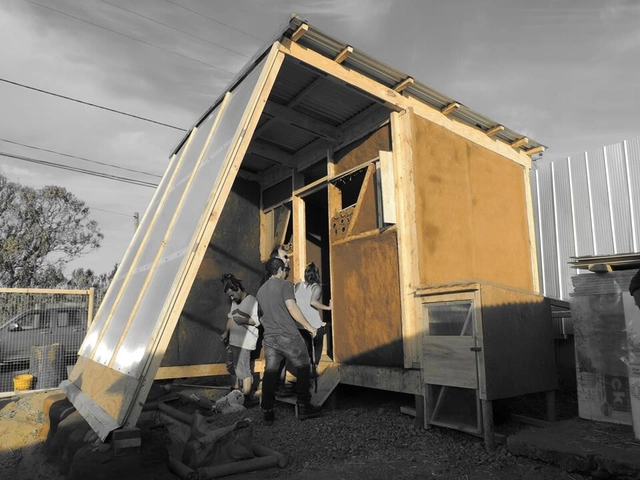
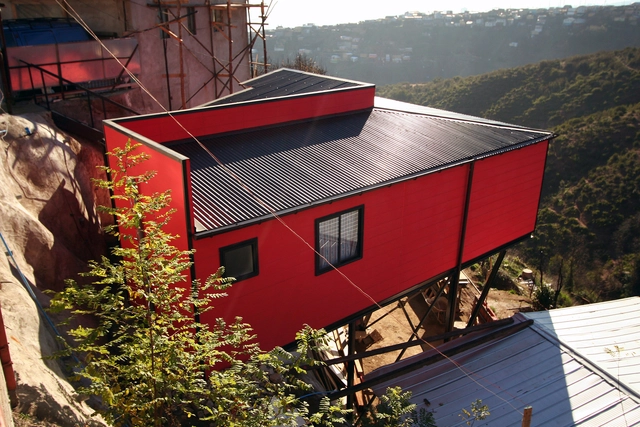
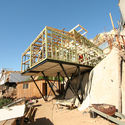
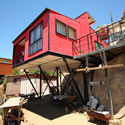
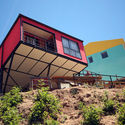
After the fire this past April in Valparaíso, Chile, a group of young architects went to the port city to develop a reconstruction project based on energy efficiency, recycled materials, and adaptability to Valparaíso's topographic context.
The Minga Valpo project has not only achieved these objectives, but it has also allowed families to help build their own houses. In a mere three months, Minga Valpo has already built three houses.














.jpg?1445987456 "© María Cirano")
.jpg?1445987474 "© Alejandra Carrasco")
.jpg?1445987357 "© Alejandra Carrasco")
.jpg?1445987724 "© María Cirano")
.jpg?1445987372)






.jpg?1410392510 "Courtesy of Molo Arquitectos")
.jpg?1410392556 "Courtesy of Molo Arquitectos")
.jpg?1410392546 "Courtesy of Molo Arquitectos")
.jpg?1410392531 "Courtesy of Molo Arquitectos")