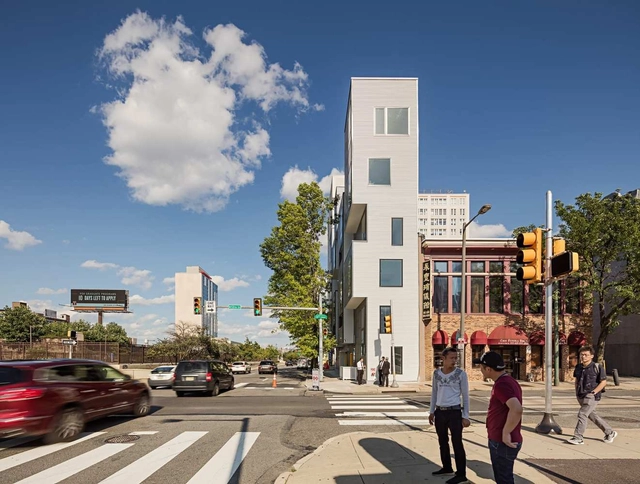
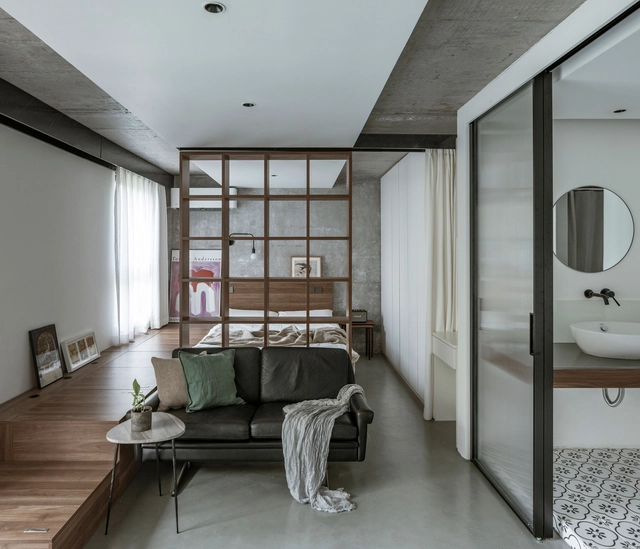
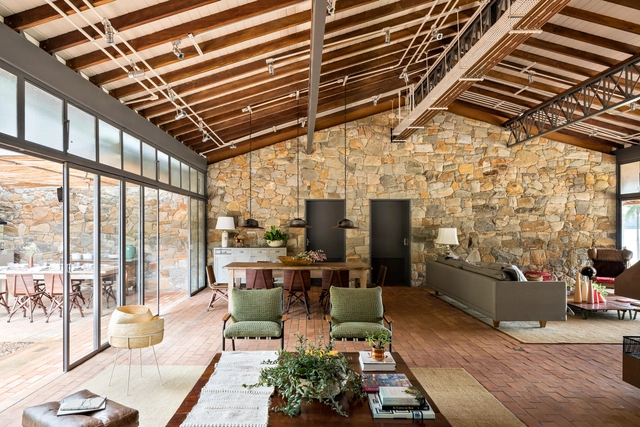
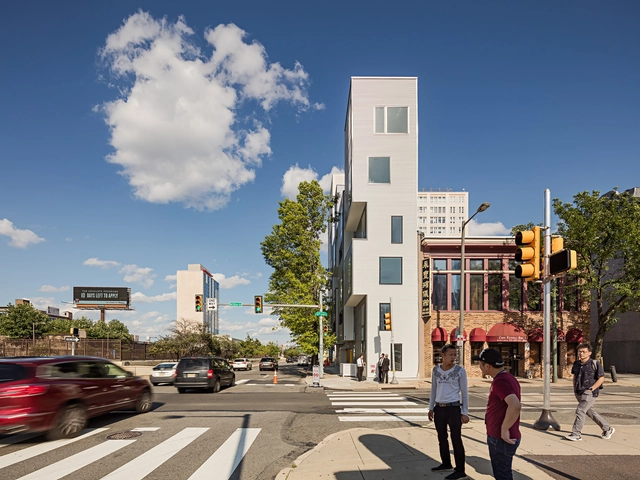
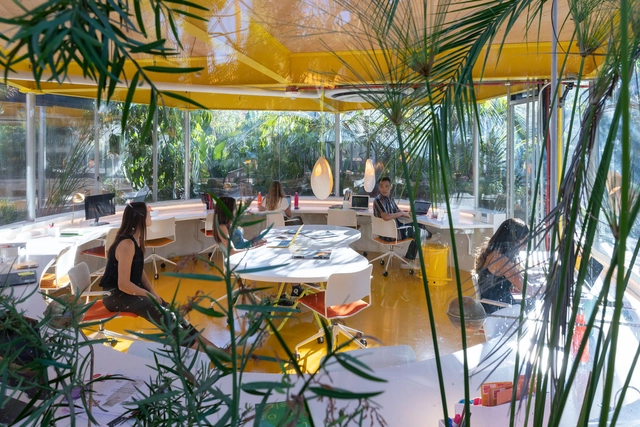
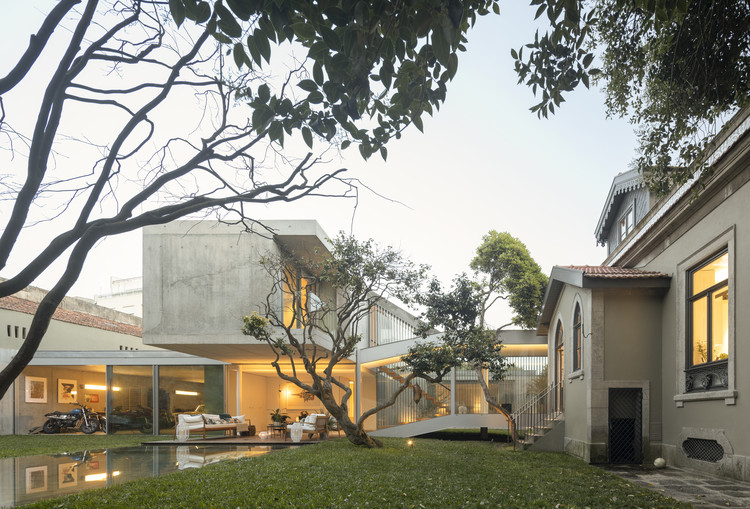
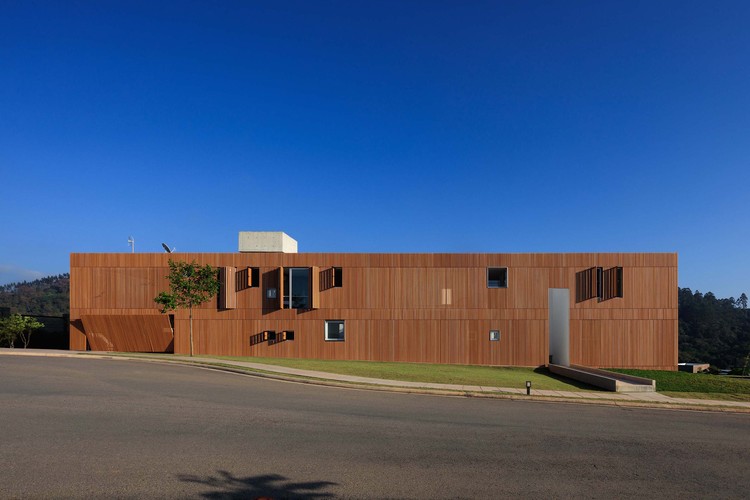
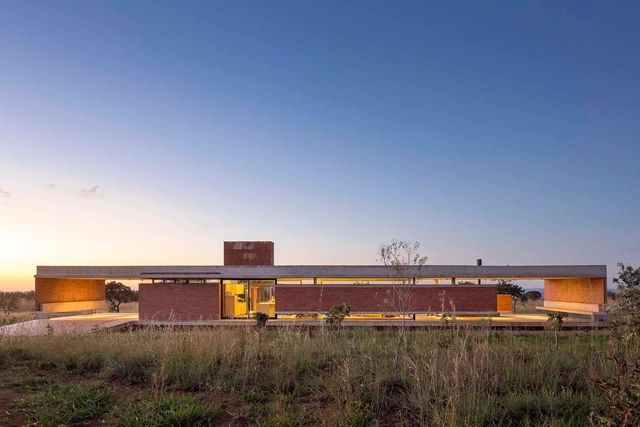
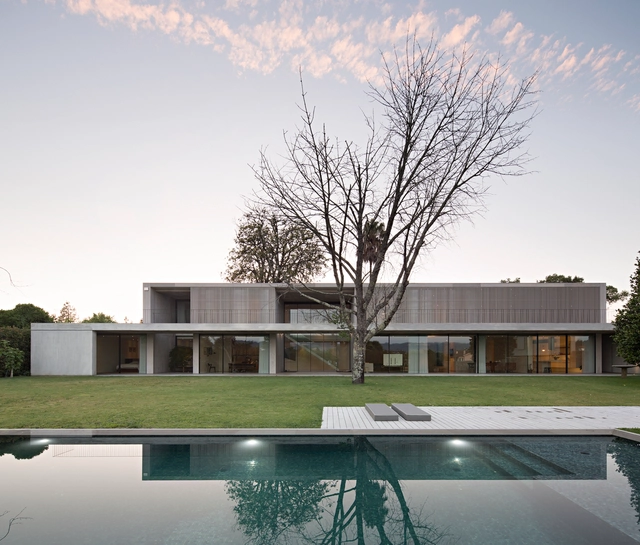
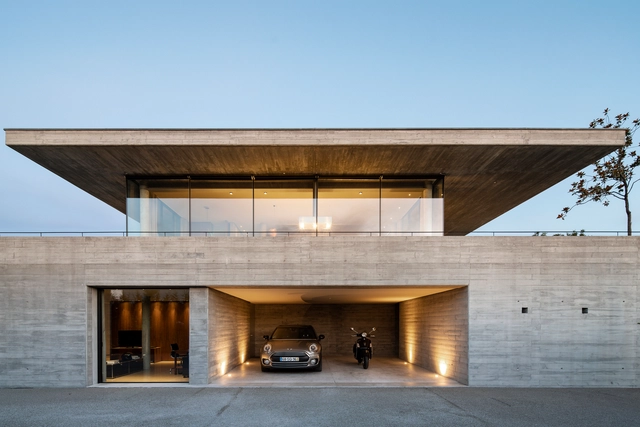
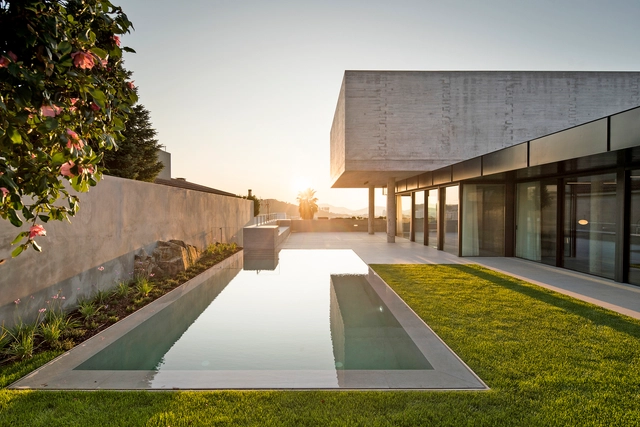
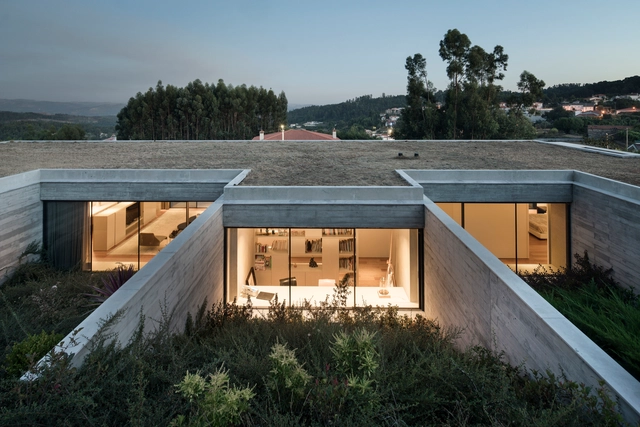
The American Institute of Architects (AIA) is recognizing seven new residential designs with 2020 Housing Awards. The projects are awarded across single family, production, multifamily and specialized housing. Presented by the AIA Housing and Community Development Knowledge Community, the awards emphasize the importance of good housing as a "necessity of life, a sanctuary for the human spirit, and a valuable national resource."
According to the United Nation’s “The World’s Cities in 2018”, it is estimated that, “by 2030, urban areas are projected to house 60 percent of people globally and one in every three people will live in cities with at least half a million inhabitants.” Also, between 2018 and 2030, it is estimated that the number of cities with 500,000 inhabitants or more is expected to grow by 23 percent in Asia. China, as the largest economy in Asia, with a GDP (PPP) of $25.27 trillion, is expanding rapidly, both economically and demographically.
With more and more migrant workers coming into the bigger cities in China, it has become increasingly difficult for workers to find an affordable place to live. Some people decide to move away from urban centers and bear with the lengthy commute time, while others are seeking creative design solutions to transform their home into a tiny, functional space to meet their daily needs.
In all cities around the world, there are some forms of residual space, forgotten pieces of the urban fabric, remnants of overlapping layers of past development. This land whose conditions make it unsuitable for most types of conventional construction might be a fertile ground for architectural invention. Assigning a new value to vacant corner lots, dead-end alleys and strangely shaped plots opens up a new field of opportunities for inward urban development, expanding available living space and increasing amenities in densely populated cities. The following explores the potential for experiment and urban activation held by urban leftover space.
With society's needs and aspirations shifting, spatial typologies and architectural programs are continually being questioned, and this re-evaluation creates the premises for innovation. The following is an exploration of how architecture is metabolizing society's fundamental changes throughout several aspects of everyday life, challenging the existing assumptions regarding program and space.
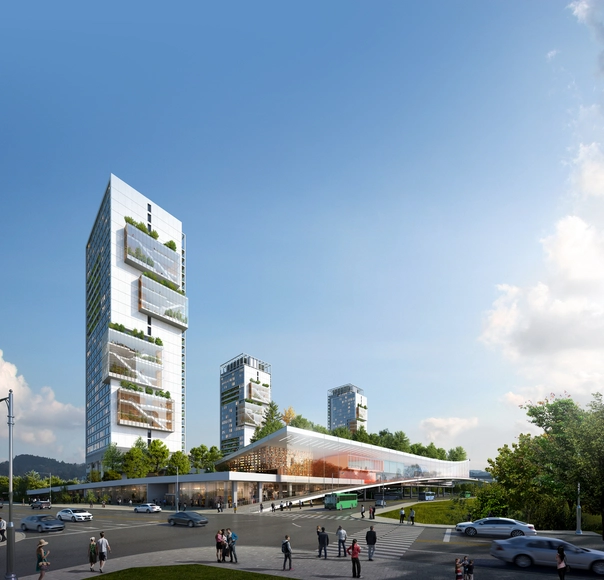
Gangil 1st position. Image Courtesy of M.A. Architects & Partners
The Seoul Compact City has held 3 different international design competitions, in 3 different neighborhoods in Seoul, South Korea, hosted by theSeoul Metropolitan Government and organized by Seoul Housing Corporation (SH Corporation). Aiming to create complex urban spaces in each of the interventions of the three-dimensional project, the contest selected visionary winning teams for each thematic, focusing on the introduction of public housing units and the enhancement of the infrastructure.
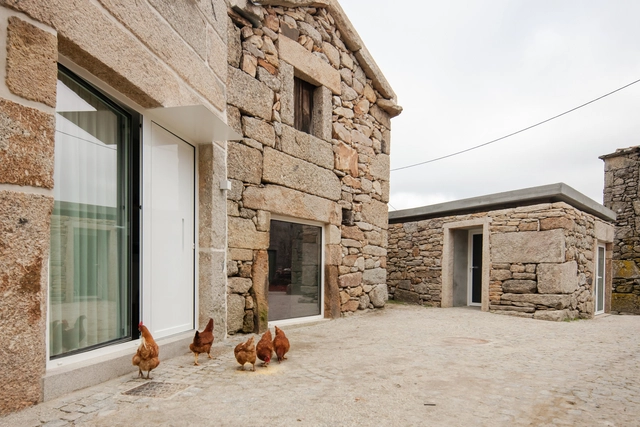
Stone is known to be a versatile, sturdy, inexpensive and long-lasting material, and has been used in traditional construction systems worldwide for a long time. Its practicality, neutrality, and availability in certain regions are some of its defining traits which, combined with its visual appeal, can contribute to its use in contemporary architectural projects.
Videos
Osaka, Japan. Image Courtesy of Norihito Nakatani Seminar
Created by Japanese architectural historian Norihito Nakatani, the film "A City of Columns" explores the distinctive dwelling culture of nagaya, a housing typology that flourished in the Japanese early modern period. The video depicts one of the few remaining nagaya neighbourhoods in Osaka, revealing the standardization embedded in all aspects of this form of housing and documenting how architectural elements transition between different spatial configurations.
As the COVID-19 global pandemic has unfolded over the last several months, stories of people cooped up in crowded cities and concerned about their future have anecdotally popped up across the internet. When the virus first arrived, it was common for people to escape to their beach-side homes, or to return to their parent’s house for more space and a sprawling yard.