1. ArchDaily
  2. Glass

Glass: The Latest Architecture and News

Subscriber Access

30 Japanese Homes that Use Metal for Interior Accents

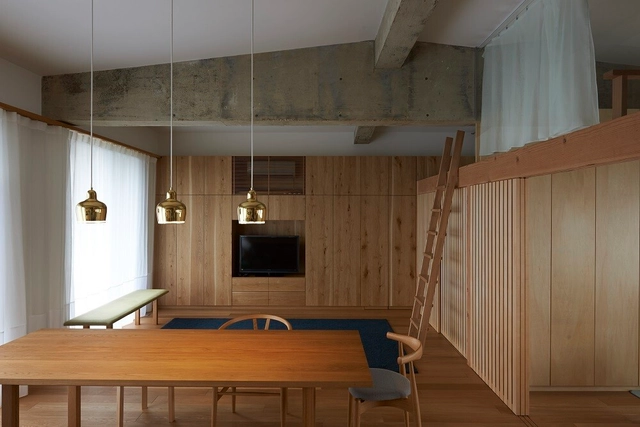
Contemporary Japanese interiors incorporate elements both of tradition and modernity to embody the country's innovative spirit while maintaining a profound respect for its history and cultural heritage. Though traditional materials like wood, paper, and bamboo continue to hold significance, modern Japanese interiors also often feature a fusion of glass, steel, concrete, and metals. The juxtaposition of smoother, sleeker textures and finishes with warmer and more organic ones reflects a dynamic synthesis of old and new, and results in visually striking and functional spaces that honor the essence of the country's design principles.
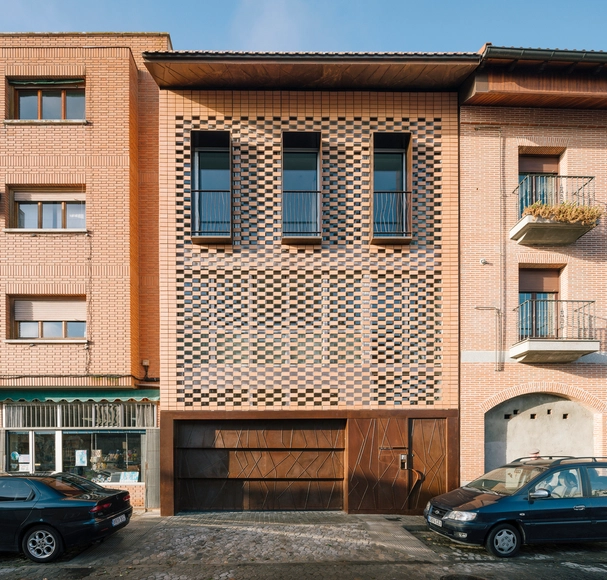
30 Japanese Homes that Use Metal for Interior Accents - Image 1 of 430 Japanese Homes that Use Metal for Interior Accents - Image 2 of 430 Japanese Homes that Use Metal for Interior Accents - Image 3 of 430 Japanese Homes that Use Metal for Interior Accents - Image 4 of 430 Japanese Homes that Use Metal for Interior Accents - More Images+ 28

Sunscreen Facades: From Ceramic Textile Systems to Double Skin Glass

 | Sponsored Content

The duality of sunlight in the field of architectural design presents fascinating contrasts, especially when addressing the question of how to interact with it through the built environment and the materials that define architecture. The sun's influence in this discipline has become an essential part of the cultural heritage of some countries, as evidenced by Spanish architecture, where the interaction with sunlight manifests through elements such as lattices. These lattices are recognizable on the facades of buildings from the Middle Ages, exemplified by structures like the Alhambra, to 20th-century constructions such as Casa Gomis, considered historical monuments.

The facade, being the skin of the building, is the architectural component that is usually directly exposed to sunlight. Based on this premise, we seek to establish a dialogue between openness to the environment and the need for protection, thus creating a synergy between functionality and aesthetics. In this context, sunscreen facades have been developed through various approaches, standing out for their ability to address this design condition. For this reason, we have selected solar control solutions from Spanish brands, distinguished by their technical characteristics and materiality through various approaches.

Subscriber Access

Exploring Timber and Glass in 11 Contemporary Architectural Designs

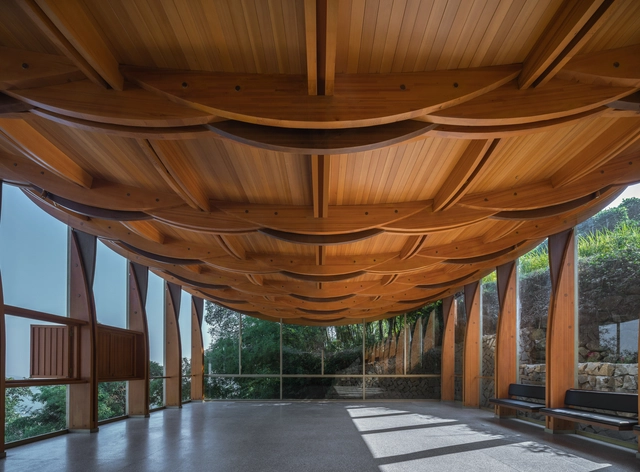
Some materials change the course of architecture from the moment they begin to be employed. The initial materials used in construction certainly did so: clay, stone, and wood. The ability to build is the origin of the discipline. With technological development, techniques were also refined, and in the 19th century, industrialization spread the use of other materials, transforming and expanding the realm of construction: iron and glass.

Exploring Timber and Glass in 11 Contemporary Architectural Designs - Image 1 of 4Exploring Timber and Glass in 11 Contemporary Architectural Designs - Image 2 of 4Exploring Timber and Glass in 11 Contemporary Architectural Designs - Image 3 of 4Exploring Timber and Glass in 11 Contemporary Architectural Designs - Image 4 of 4Exploring Timber and Glass in 11 Contemporary Architectural Designs - More Images+ 9

Elevating Contemporary Exhibition Design with Sliding Glass Panel Systems

 | Sponsored Content

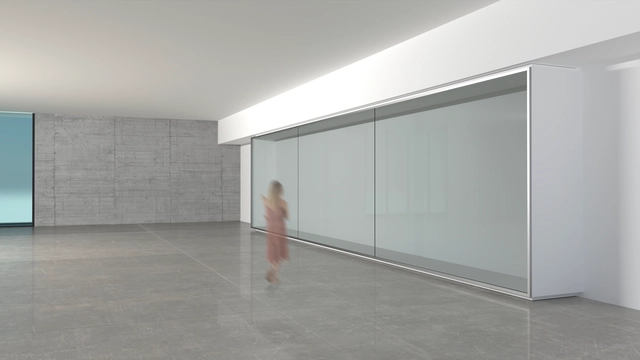
Some of the most memorable and moving exhibitions are the ones that simplify their staging, illuminating objects and narratives while pulling focus from everything else. A stark but meticulous –and above all modern– presentation is the goal of the museum curator. The process of installation shouldn’t be laborious. The fingerprint of the architect shouldn’t be visible. The eye of the visitor wants to see unbroken silhouettes of couture garments, archaeological treasures, and sculptures. Exhibitions tell stories, and the design of each show is the medium. The presentation must be crisp, clear, and light. A sense of perfection elevates the uniqueness of a collection of objects; barely apparent joins, lines and an overall feeling of transparency make that achievable.

Subscriber Access

Indoor-Outdoor Homes in Lithuania: 20 Projects with Oversized Windows that Invite Nature

Indoor-Outdoor Homes in Lithuania: 20 Projects with Oversized Windows that Invite Nature - Image 23 of 4
Cedar House / arches. Image © Norbert Tukaj

Lithuania's architectural narrative is a mosaic of diverse influences and styles, representing its historical evolution, cultural heritage, and resilience through changing times. Despite a focus on traditional craftsmanship, functional minimalism, and sustainable materials, the country's design language has been profoundly influenced by its geopolitical position and historical events, resulting in a blend of styles from different periods. A key factor that cuts across all expressions, however, is Lithuanian architecture's seamless connection with its natural surroundings.

Indoor-Outdoor Homes in Lithuania: 20 Projects with Oversized Windows that Invite Nature - Image 1 of 4Indoor-Outdoor Homes in Lithuania: 20 Projects with Oversized Windows that Invite Nature - Image 2 of 4Indoor-Outdoor Homes in Lithuania: 20 Projects with Oversized Windows that Invite Nature - Image 3 of 4Indoor-Outdoor Homes in Lithuania: 20 Projects with Oversized Windows that Invite Nature - Image 4 of 4Indoor-Outdoor Homes in Lithuania: 20 Projects with Oversized Windows that Invite Nature - More Images+ 19

A Maximum Sliding Window: Redefining Transparency and Aesthetics in Architecture

 | Sponsored Content

When an architect conceives the opening of a space, the primary objective is to create a frame that enhances the views, optimizes the entry of natural light, and makes the most of the illumination it provides. In this context, we often seek to maximize the proportion of glass, reducing the presence of frames and profiles to a minimum, thus expressing the growing desire for perfect integration between indoor and outdoor environments. To adequately meet this demand, architects and manufacturers are constantly searching for solutions that minimize the visual obstruction caused by structures, pushing the boundaries of what is technically and statically feasible toward minimalist window frames and profiles.
The Importance of Bird-Safe Glass in Exteriors: The Case of The Helios School

 | Sponsored Content

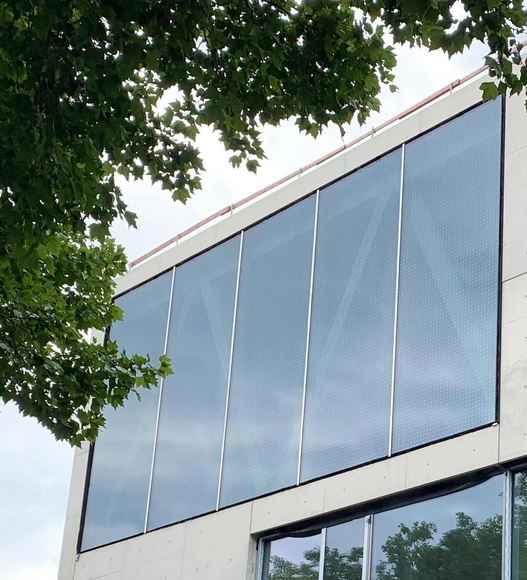
Glass has become a central element in modern architecture with the introduction of new strategies for designing and experiencing buildings. Its transparency and material composition allow for natural light to enter, while creating seamless connections between interior and exterior spaces. However, the prevalence of this material has meant that every year, billions of birds collide into glass structures.
These collisions tend to occur during the migratory pathways of birds, as they fly through cities and are drawn to internal lights in buildings or misjudge outdoor reflections of trees and vegetation, causing a huge number of bird deaths and injuries. In response to this challenge, an increasing number of cities are now introducing legislation that requires new construction to feature bird-friendly glass. Without compromising on the aesthetic appeal of glass, Eastman has developed Saflex™ FlySafe™ 3D Polyvinyl Butyral (PVB) interlayers. This additional layer features a three-dimensional reflective pattern that is highly visible to the bird’s eye from the outside while remaining subtle to the human eye from the inside. Delving into the application of this solution within architectural design, we showcase how The Helios School adopted this strategy.
24 Examples of Dithered, Halftone, and Other Illusion Patterns Used to Create Surface Gradients

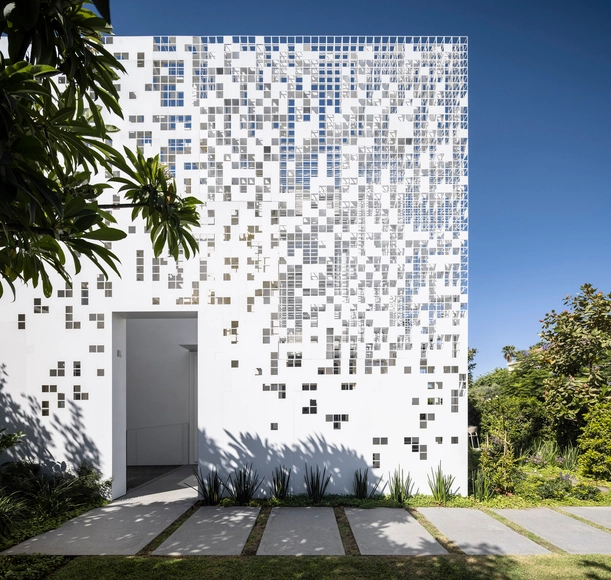
Architects and designers are often looking for ways to make building facades and interior surfaces stand out from the crowd. But sometimes just the smallest change can have the biggest impact once you step back and see the whole picture. By employing an illusionary pattern such as dithering pixels or halftone dots, or by making subtle but intentional changes to the position or orientation of materials, flat surfaces can be transformed into curved, moving forms.

Halftone patterns work by reducing a solid surface of color into dots of decreasing size. As the dots gradually reduce to nothing, they leave nothing behind except a background color. The result is a flat surface with a gradient that mimics the shadows or highlights of a three-dimensional curve. Dithering, meanwhile, is the process of feathering multiple shades of the same color to blend them together. The effect allows designers to, on a large enough scale, create images with depth and curves, while using only a single color. Or even to create the illusion of an intermediary color.

24 Examples of Dithered, Halftone, and Other Illusion Patterns Used to Create Surface Gradients - Image 1 of 424 Examples of Dithered, Halftone, and Other Illusion Patterns Used to Create Surface Gradients - Image 2 of 424 Examples of Dithered, Halftone, and Other Illusion Patterns Used to Create Surface Gradients - Featured Image24 Examples of Dithered, Halftone, and Other Illusion Patterns Used to Create Surface Gradients - Image 3 of 424 Examples of Dithered, Halftone, and Other Illusion Patterns Used to Create Surface Gradients - More Images+ 28

Seamless Transitions and Superior Insulation Through Frameless Glass Facades

 | Sponsored Content

In the past, glazed surfaces tended to be small and almost opaque; but this began to change throughout the years due to the growing trend of increasingly larger glass panes in construction. Accompanied by thinner frames, they dilute the boundaries between the inside and the outside, and have become ubiquitous in modern buildings. In fact, it is increasingly rare to find a contemporary work of architecture that does not include the remarkable presence of glass: this material is present in the most diverse architectural scales, and its transparency provides harmonious integration with the surroundings and generous natural light for buildings. Traditional systems with frames are still predominant, but frameless glass facades are gaining ground in specific architectural projects, as they create perfect connections between the glass and the structure of the building, resulting in a singular aesthetic with soft and harmonious transitions. By eliminating heavy frames, a project's aesthetics can be enhanced while also improving the quality of life inside.

Natural or Artificially Pigmented Materials? Exploring Color Variations and their Effects

Materiality is a determining factor in shaping the character and experience of a building. Playing with the aesthetic and tactile qualities of materials, the design process encompasses their analysis, selection, and arrangement to create purposeful and sensory-rich spaces. Alongside textures and patterns, exploring materiality also involves the study of color possibilities. The versatile role of color in architectural materials extends beyond mere aesthetics, as it can broaden design opportunities and influence emotional responses, functionality, cultural relevance, and environmental performance. 

Even though each material has its distinctive inherent color, the addition of artificial or natural pigments can modify them in favor of the project’s identity. Delving into the debate on maintaining raw aesthetics or changing a material’s natural hues, we showcase various projects to study the differences between using natural versus artificial pigmentation of glass, concrete, brick, stone and wood.

Natural or Artificially Pigmented Materials? Exploring Color Variations and their Effects - Image 1 of 4Natural or Artificially Pigmented Materials? Exploring Color Variations and their Effects - Image 2 of 4Natural or Artificially Pigmented Materials? Exploring Color Variations and their Effects - Image 3 of 4Natural or Artificially Pigmented Materials? Exploring Color Variations and their Effects - Image 4 of 4Natural or Artificially Pigmented Materials? Exploring Color Variations and their Effects - More Images+ 66

The Crucial Role of Glass Facades in Four Housing Projects

 | Sponsored Content

The selection of windows and doors plays a key role in the development of any architectural project, as it can significantly influence the final appearance of a building. A well-informed choice can convey values of modernity, craftsmanship, and elegance. On the other hand, inadequate specification can lead to problems such as air leakage, energy loss, and a less visually appealing aesthetic. It is also worth mentioning that windows and doors constitute a substantial part of a project's budget, which requires meticulous consideration. In this article, we examine four different residential projects, highlighting how their floor-to-ceiling glass sliding system effectively meets the needs of the residents and enhances their quality of life.

Laminated Glass Skylights Infused with Vibrant Colors: The Kaleidoscopic Station

 | Sponsored Content

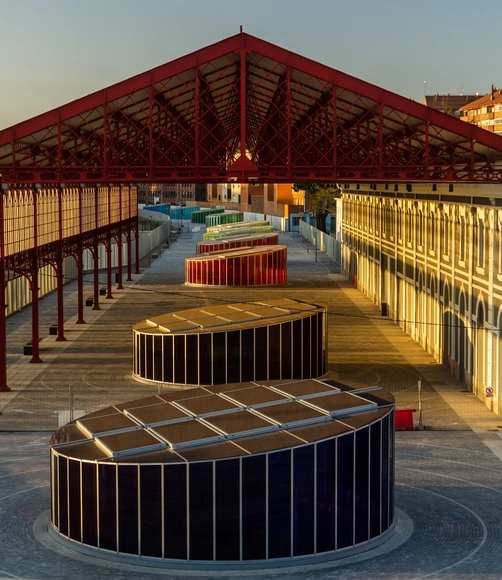
Light and color are intrinsically linked, as color cannot exist without the presence of light. In 1665, Isaac Newton made a momentous discovery when he observed that white light breaks down into different colors as it passes through a prism, creating a spectrum. This discovery laid the foundation for understanding the nature of light and developing color theory, which had a significant impact not only in the scientific field but also in artistic disciplines such as painting, photography and architecture.

Subscriber Access

4 Residential Courtyards That Invite Nature Inside Through Glass

As summer in the Northern Hemisphere is inching ever closer and nature is rapidly responding to the increase in temperature, our desire to spend time outside (by ourselves and collectively) is growing at an equally fast pace. And although public parks are a great option for those of us who live in urban centers, the luxury of having one's very own, at-home access to nature cannot be overstated.

For residential projects in particular, gardens are the most common way of connecting with the natural world in this way. But, as these four examples show, courtyards can provide an equally satisfying window into changing seasons – and, when viewed through glass by way of patio doors, skylights, or frameless windows, can give us a glimpse of greenery from the weatherproof comfort of almost any room in the house.

Light Matters: Richard Kelly, The Unsung Master Behind Modern Architecture’s Greatest Buildings

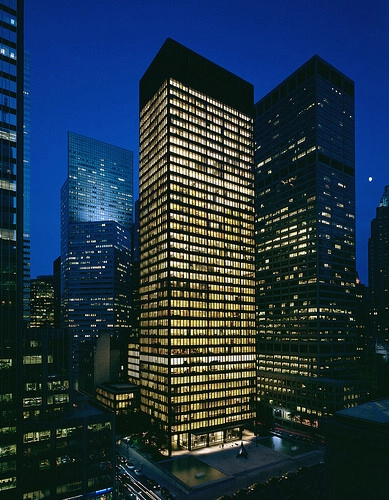
Richard Kelly illuminated some of the twentieth century’s most iconic buildings: the Glass House, Seagram Building and Kimbell Art Museum, to name a few. His design strategy was surprisingly simple but extremely successful.

Lighting for architecture has been and still often is dominated by an engineering viewpoint, resigned to determining sufficient illuminance levels for a safe and efficient working environment. With a background in stage lighting, Kelly introduced a scenographic perspective for architectural lighting. His point of view might look self-evident to today’s architectural community, but it was revolutionary for his time and has strongly influenced modern architecture.

Subscriber Access

How to Use Glass in Interior Spaces and Decoration

Glass is one of the most important discoveries of mankind. Originally used as a cutting tool, it has been around for about 75,000 years. The first records of glass making, however, date back to the Egyptian and Mesopotamian. Since then, the mastery of the manufacturing technique has been developing in different civilizations and nations until the Industrial Revolution popularized the material and allowed its production on a large scale. In architecture, glass was first used as a sealing element around 100 AD.

How to Use Glass in Interior Spaces and Decoration - Image 1 of 4How to Use Glass in Interior Spaces and Decoration - Image 2 of 4How to Use Glass in Interior Spaces and Decoration - Image 3 of 4How to Use Glass in Interior Spaces and Decoration - Image 4 of 4How to Use Glass in Interior Spaces and Decoration - More Images+ 17

Less is More: Minimal Window Systems for Maximum Light

 | Sponsored Content

Le Corbusier once described architecture as “a learned game, correct and magnificent, of forms assembled in the light.” Natural light –and its accompanying shadow– plays a crucial role in shaping our perception of architecture, serving a long list of functions that define how users experience, engage and interact with buildings. From illuminating and accentuating to enhancing views and evoking warmth, the presence of daylight has the power to set a room’s tone and aesthetic language. It even has a significant impact on human health and well-being, including boosting mood and productivity, regulating circadian rhythms and reducing eyestrain and headaches –it makes our lives brighter, literally.

Less is More: Minimal Window Systems for Maximum Light - Image 1 of 4Less is More: Minimal Window Systems for Maximum Light - Image 2 of 4Less is More: Minimal Window Systems for Maximum Light - Image 3 of 4Less is More: Minimal Window Systems for Maximum Light - Image 4 of 4Less is More: Minimal Window Systems for Maximum Light - More Images+ 8

Six Residential Projects With Large Glass Entrances

 | Sponsored Content

A home’s entry is often its first impression, and modern architects are using large scale glass to create impressions that are dramatic, surprising, and uniquely welcoming. See how six architects designed unique entries for homes, regardless of size and location. 

The Evolution of Large-Scale Windows: Towards Unobstructed, Uninterrupted Views

 | Sponsored Content

The world's oldest stained glass window (which is still standing) is conventionally believed to be in Augsburg Cathedral in the German state of Bavaria. Depicting the prophets David, Jonah, Daniel, Moses and Hosea, it is estimated to be nearly 1,000 years old, having undergone significant bombing during World War II. Long before that, however, mankind had been working with glass, and while today we have thin frames with crystalline sheets and a variety of properties, we had to come a long way to get here. In this article we will tell you a little about the evolution of glass windows and the technologies and possibilities that we have today.