1. ArchDaily
  2. Glass

Glass: The Latest Architecture and News

More Daylight but Less Glare & Heat: How Does Automatically Tintable Glass Work?

In a 2016 survey of 400 employees in the U.S., Saint-Gobain found that office building occupants commonly complained about poor lighting, temperature, noise, and air quality, leading the company to deduce a need for improved lighting and thermal comfort in buildings while also maintaining low energy consumption and freedom of design for architects and clients. Their solution was SageGlass, an innovative glass created first in 1989 and developed over the course of the past three decades. The glass, which features dynamic glazing protecting from solar heat and glare, simultaneously optimizes natural light intake. A sustainable and aesthetic solution, SageGlass’ adaptability to external conditions dispels the need for shutters or blinds.
Subscriber Access

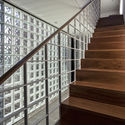
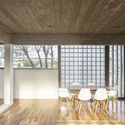
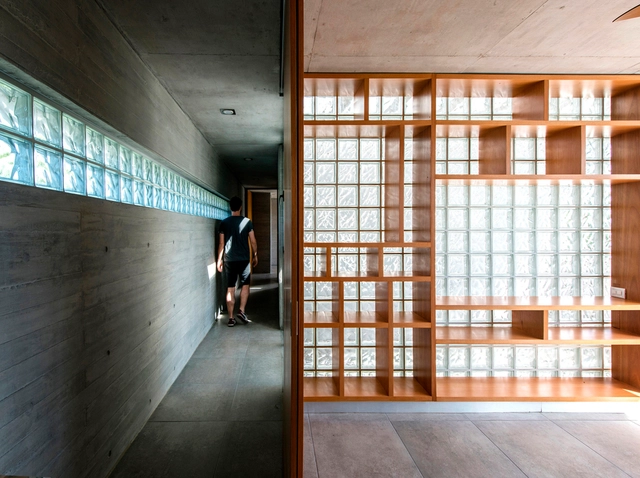
Glass Bricks in Argentine Houses: Achieving Natural Light and Privacy with Translucent Blocks

Glass Bricks in Argentine Houses: Achieving Natural Light and Privacy with Translucent Blocks - 1 的图像 4Glass Bricks in Argentine Houses: Achieving Natural Light and Privacy with Translucent Blocks - 2 的图像 4Glass Bricks in Argentine Houses: Achieving Natural Light and Privacy with Translucent Blocks - 3 的图像 4Glass Bricks in Argentine Houses: Achieving Natural Light and Privacy with Translucent Blocks - 4 的图像 4Glass Bricks in Argentine Houses: Achieving Natural Light and Privacy with Translucent Blocks - More Images+ 5

When designing a space, architects across the board tout the importance, and even necessity, of incorporating natural light into interiors. This means taking measures to control the quantity of light being let in and its distribution throughout the space.

In the case of residential spaces, where privacy plays a larger role than in public spaces like offices, restaurants, and stores, opaque materials like screens, tinted glass, and other barriers are the go-tos for providing protection and privacy from the outside; however, the privacy that these methods provide often comes at the cost of the space's natural lighting, forcing designers to seek alternative materials that allow for both light and privacy.

OMA Unveils Images of the Newly Transformed Tiffany & Co. Fifth Avenue Flagship Store, in New York

OMA / Shohei Shigematsu has revealed images of the new iconic Tiffany & Co. Fifth Avenue Flagship Store. In progress and scheduled for the spring of 2022, the intervention “reimagines the retail experience while preserving the historic identity of the original building”.

Open Corner Sliding Glass Doors: Towards a Light & Wide Architecture

 | Sponsored Content

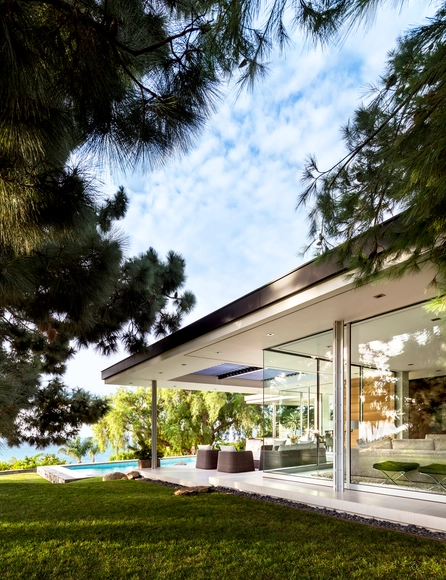
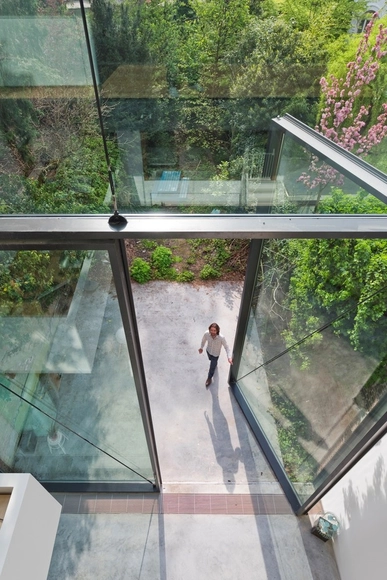
Malibu Crest, a 2019 remodeling of a 1949 International Style home, was a vital undertaking by the architecture firm Studio Bracket that aimed to expand the structure’s square footage and panoramic views of Malibu while retaining over 50% of the home’s original walls. The project was ultimately successful, not only in its refurbishment of the interior rooms and reconfiguration of the space, but in its enlargement of the windows to truly capture views of the surrounding lagoon and mountains. This expansion of the view was done in part through an open corner window scheme and floor-to-ceiling glass, manufactured by Western Window Systems. The uninterrupted glass walls afforded by this open corner technology is one of the most effective ways that architects can open an interior space to the stunning vistas of a natural environment. Yet an even more striking configuration increasingly being employed by residential architects is that of the open corner sliding glass door – a system that can even more completely open an interior space to the unobstructed outdoors. Below, we discuss this technology in more detail, alongside several examples of projects using the open corner glass door.

Are All Plastics Recyclable? Spotlight on a New Technology that Reclaims Rejects of Plastics and Glass

While not all plastics are being recycled, even the ones that display the recycling sign, the global plastic waste problem is nowhere close to being resolved. Recycling, generally determined by factors like demand, legislations, and economy, takes on arguably around 20% of the annual production of plastics, leaving a large quantity unattended, doomed to last forever in our environment. In addition, competing with newly-produced materials, recycled plastics need to meet standards of quality and price, and undergo a sustainable, efficient, and economically viable transformation.

ROGP or Rejects of Glass & Plastics Technology is an innovative approach that repurposes plastics, once labeled as non-recyclable materials due to technical complexity or economy-related issues.

Are All Plastics Recyclable? Spotlight on a New Technology that Reclaims Rejects of Plastics and Glass - Image 1 of 4Are All Plastics Recyclable? Spotlight on a New Technology that Reclaims Rejects of Plastics and Glass - Image 2 of 4Are All Plastics Recyclable? Spotlight on a New Technology that Reclaims Rejects of Plastics and Glass - Image 3 of 4Are All Plastics Recyclable? Spotlight on a New Technology that Reclaims Rejects of Plastics and Glass - Image 4 of 4Are All Plastics Recyclable? Spotlight on a New Technology that Reclaims Rejects of Plastics and Glass - More Images+ 8

Subscriber Access

Glamorous Glass Bricks Are Booming – Again

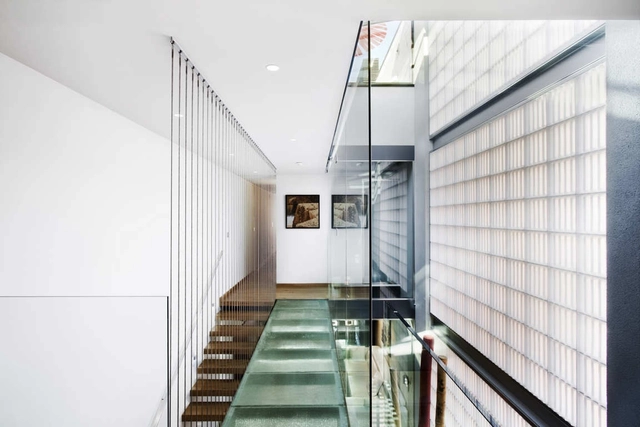
In 1977, a New York Times article by Carter B. Horsley proclaimed that “Glamorous Glass Bricks Are Booming:” once a “less than first-class” material, it was beginning to gain acceptance among architects in residential and restaurant projects for its translucence, privacy, visual interest, and sense of order. However, following the industry’s brief but widespread use of glass bricks, many now associate the material with outdated 80’s architectural styles, an aesthetic that few seem interested in reviving. Yet pioneering contemporary architects have begun using this unique material in new and distinctly modern ways, whether for sleek and minimalist bathrooms, industrial bars and restaurants, vintage residential windows, or even experimental urban facades. As Horsley stated, it appears that glamorous glass bricks are booming – again.

Construction Begins on the Glass House Project, a New Take on Historical Preservation

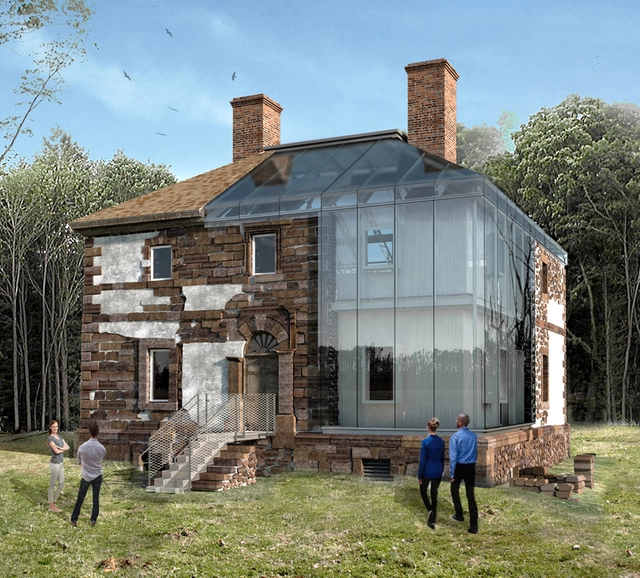
Menokin Foundation has begun construction on its “Glass House Project”, a new initiative in the preservation of historic landmarks. Protecting what remains from the 1769 house, the intervention will replace missing walls, floors, and sections of the roof with glass. Designed by Machado Silvetti, in collaboration with glass engineer Eckersley O’Callaghan, and landscape designer Reed Hilderbrand, the project will be developed in phases, to be completed in 2023.

Subscriber Access

How to Choose Glass that Prevents Birds from Colliding with Buildings

Did you know that World Migratory Bird Day is celebrated in the second week of May?

Every year around this date, festivals, educational events, exhibitions, and excursions are organized to celebrate and raise awareness about the conservation of migratory birds. These species have seen their habitats transformed during the last few decades in part because of human action: designers and real estate agents have built and nurtured an urban imaginary dominated by glass structures as a symbol of power and progress. Before proceeding with the conquest of the sky, it is worth considering some materials that are more friendly to the species with which we cohabitate.

Subscriber Access

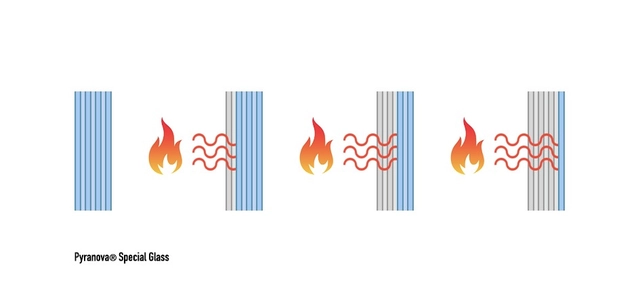
What Type of Glass Most Effectively Resists Fire?

Insufficiently regulated in much of the world, the fire resistance of glass is an important issue that is often poorly resolved, endangering people's lives. What characteristics must a glass have to resist a fire? What options are there to choose from? We talked with the experts of Cristales Dialum to investigate these essential questions.

How to Construct a Stadium Facade from Custom Glass While on a Tight Deadline

 | Sponsored Content

In an effort to avoid disruptions to the coming football season (and by extension, any frustration among the passionate University of Iowa Hawkeyes’ fans), the challenge facing Iowa City architecture firm Neumann Monson was to rapidly deliver and install Kinnick Stadium’s new custom glass facade, all during the team’s off-season. Ranked top among Big 10 stadiums, Kinnick opened the 2019 football season with an expanded North End Zone after careful coordination by the design, manufacturing, and construction teams throughout the project.

How to Construct a Stadium Facade from Custom Glass While on a Tight Deadline - Imagem 1 de 4How to Construct a Stadium Facade from Custom Glass While on a Tight Deadline - Imagem 2 de 4How to Construct a Stadium Facade from Custom Glass While on a Tight Deadline - Imagem 3 de 4How to Construct a Stadium Facade from Custom Glass While on a Tight Deadline - Imagem 4 de 4How to Construct a Stadium Facade from Custom Glass While on a Tight Deadline - More Images+ 26

Subscriber Access

ArchDaily's Best Articles about Glass

ArchDaily has created a list of best articles, news and projects that address everything you need to know about glass.

Purpurina Building / MDAD - Matheus Diniz Arquitetura e Design

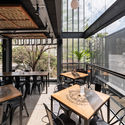
Purpurina Building / MDAD - Matheus Diniz Arquitetura e Design - Restaurants & BarsPurpurina Building / MDAD - Matheus Diniz Arquitetura e Design - Restaurants & BarsPurpurina Building / MDAD - Matheus Diniz Arquitetura e Design - Restaurants & BarsPurpurina Building / MDAD - Matheus Diniz Arquitetura e Design - Restaurants & BarsPurpurina Building / MDAD - Matheus Diniz Arquitetura e Design - More Images+ 20

•
Vila Madalena, Brazil
  • Area Area of this architecture project Area:  350 m²
  • Year Completion year of this architecture project Year:  2018
  • Manufacturers Brands with products used in this architecture project
    Manufacturers:  ABC Cook, Aço Verical, Divina madeira, Garni Gás, INFE, +6

Call for Entries: Glass in architecture 2020

The Union of Architects of Russia invites you to participate in the 7th Russian competition with international participation «GLASS IN ARCHITECTURE», which will be held as a part of the 3d international Forum of architectural glass industry «Archlass 2020» from 19 to 21 May 2020 in the Technopark Skolkovo simultaneously with the 2nd international forum AlumForum 2020.

De Blasio's Glass Skyscraper Ban: What Alternative Materials Could Take its Place?

Last April, Mayor Bill de Blasio of New York announced plans to introduce a bill that would ban the construction of new all-glass buildings. Part of a larger effort to reduce citywide greenhouse emissions by 30 percent, other initiatives included using clean energy to power city operations, mandatory organics recycling, and reducing single-use plastic and processed meat purchases. The announcement came on the heels of the city council passing the Climate Mobilization Act, a sweeping response to the Paris Climate Agreement that included required green roofs on new constructions and emissions reductions on existing buildings.

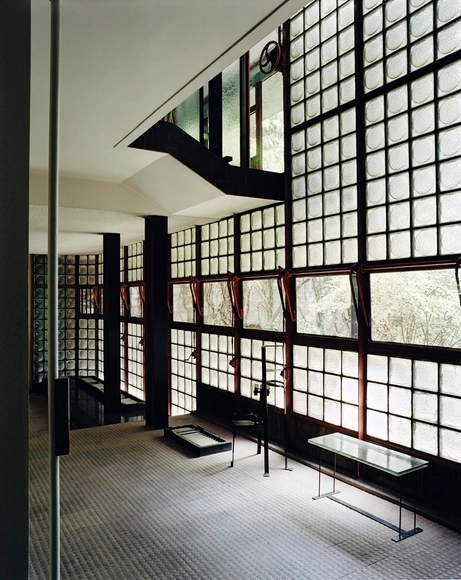
10 Things You Didn't Know About Modern Icon Pierre Chareau

Known for his collaboration on the legendary Maison de Verre, French architect, and interior designer Pierre Chareau is a celebrated artist cited by Richard Rogers, Jean Nouvel, and more as a major influence on their work.

Completed in 1932, Maison de Verre—or “House of Glass”—has become a prime example of modern architecture, despite the fact that not many people have actually seen the hidden treasure, located on Paris’ Left Bank.

Although his work is currently viewed in high regard, Chareau had a tumultuous career, with large variances between his successes and his failures.

Drawing from a Cultured Magazine spotlight article on the designer, we have compiled a list of facts about Chareau’s life and career that showcase the rollercoaster of his success.

Continue reading for the 10 things you didn’t know about Pierre Chareau.

Subscriber Access

How to Choose Kitchen Countertops: Advantages, Disadvantages and Inspiration

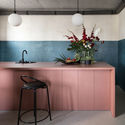
One of the most practical and functional spaces of any residential project is the kitchen. Its artificial surfaces – be it countertops, kitchen benches, or coverings – contain most of the space's equipment. Thus, it’s essential to build kitchens with the most resistant and hygienic materials. Aside from these requirements, it's also important to pay attention to aesthetics and profitability, while adapting the space to the dynamics of each family. 

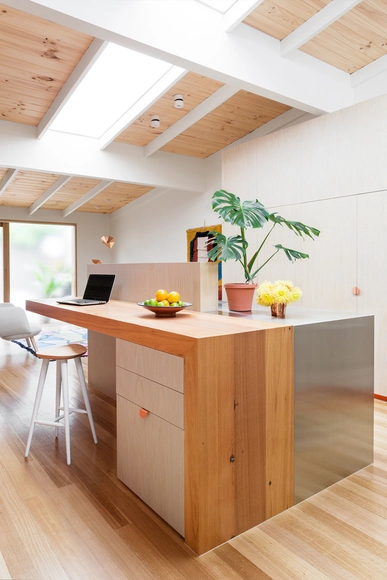
How to Choose Kitchen Countertops: Advantages, Disadvantages and Inspiration - Imagen 1 de 4How to Choose Kitchen Countertops: Advantages, Disadvantages and Inspiration - Imagen 2 de 4How to Choose Kitchen Countertops: Advantages, Disadvantages and Inspiration - Imagen 3 de 4How to Choose Kitchen Countertops: Advantages, Disadvantages and Inspiration - Imagen 4 de 4How to Choose Kitchen Countertops: Advantages, Disadvantages and Inspiration - More Images+ 33

Subscriber Access

How to Choose the Right Glass for Your Projects

Today, improvements in glass processing technology have made it possible to render specific and effective solutions for a wide range of architectural projects. In fact, there are so many options available that it's almost necessary to research different products and their properties, and how this will impact, for example, the windows and doors that you are designing.

What variables should be considered – and prioritized – when choosing the glass used in a project? How can aesthetics coincide with function and efficiency? We sat down with the experts at Cristales Dialum to delve into the complex world of glass and to better understand the hows and whys of choosing the best type of glass for your projects and ensuring the best results for your clients.

Subscriber Access

Infographic: The Evolution of Glass

Glass is so present in our lives that it’s very difficult to think about the amount of work, experimentation and technologies behind each panel or glass object. It’s also impossible to separate innovations from modern architectural projects –from architects such as Mies Van der Rohe and Le Corbusier– from the advances of the glass industry.

We’re following the history of glass, from Mesopotamian artifacts to technological glasses, and we invite you to travel with us.