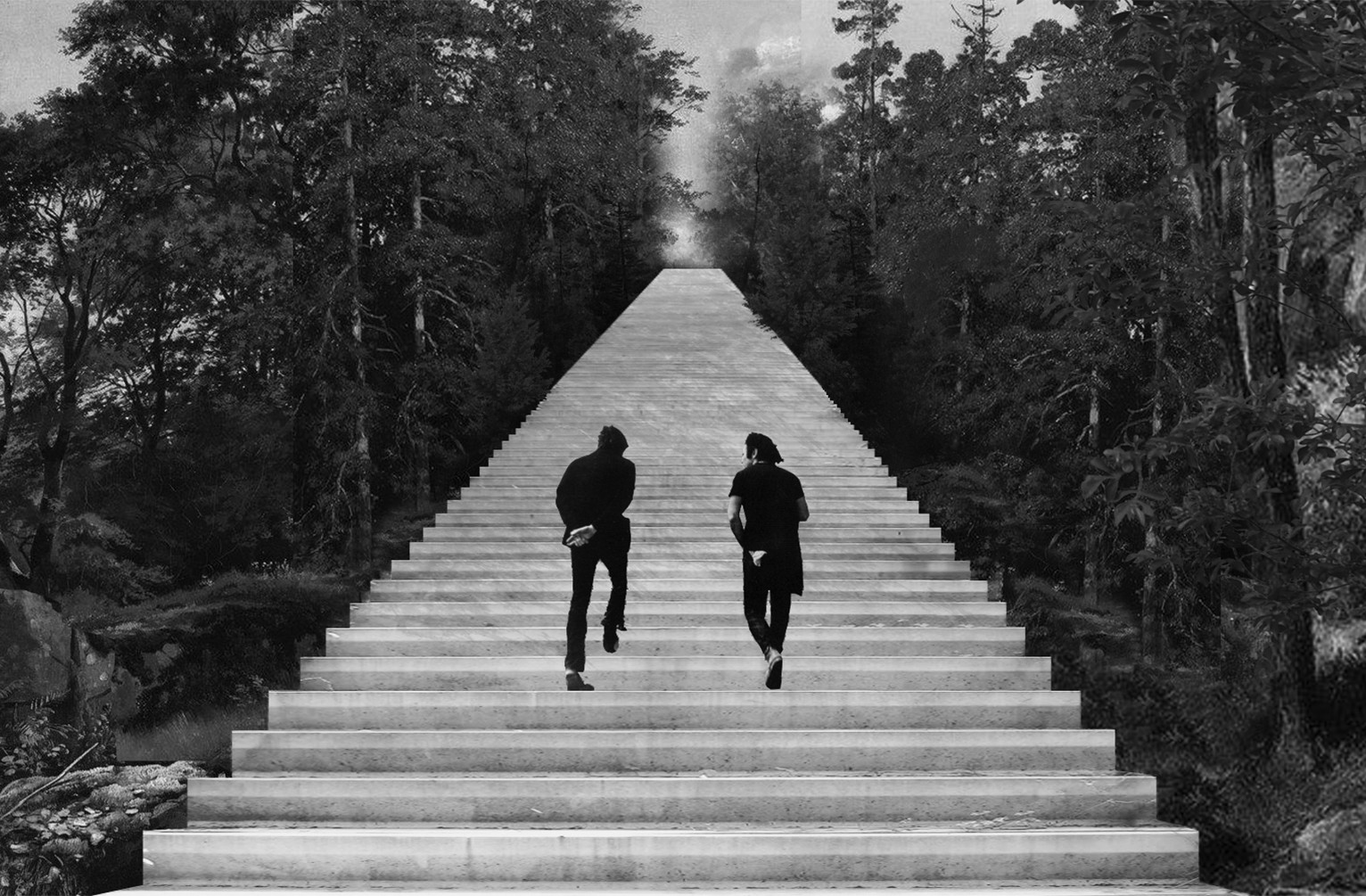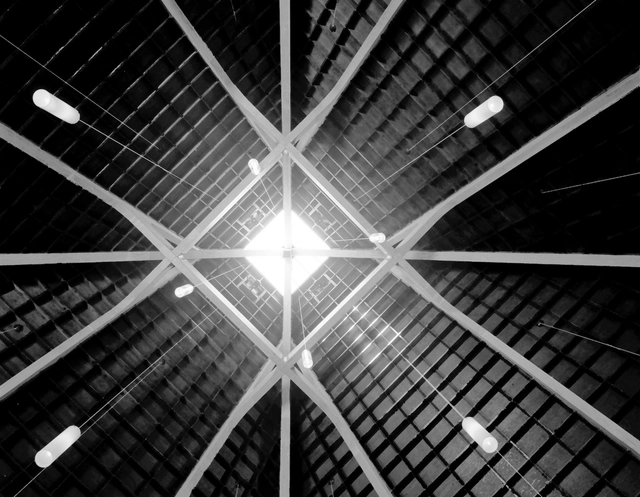
This fall, the Julius Shulman Institute at Woodbury University presents Matter, Light, and Form: Architectural Photographs of Wayne Thom, 1968-2003 at the Woodbury University Hollywood Gallery (WUHO).
This fall, the Julius Shulman Institute at Woodbury University presents Matter, Light, and Form: Architectural Photographs of Wayne Thom, 1968-2003 at the Woodbury University Hollywood Gallery (WUHO).
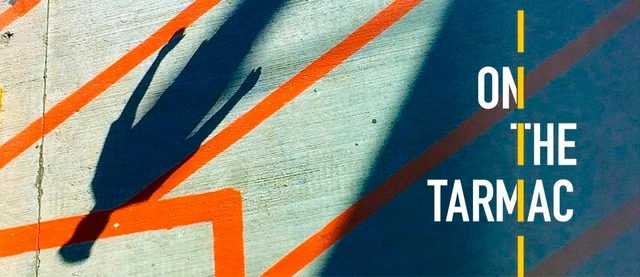
To most people, tarmac markings are hieroglyphics writ large: an obscure language that greets us as we glide down toward the earth. It is a code both intimately familiar and radically alien. On the Tarmac reconceives this code. Designer Dennis Pieprz Assoc. AIA and his photos, by freeing the tarmac from utility, allow new meanings to emerge, exploring poetry of line work and the ballet of human activity. This collection is about slowing pace and paying attention, but most important about seeking sublime moments in the everyday. The exhibition, presented by BSA Space in partnership with Sasaki Associates, features more than 250 images from Pieprz’s archive.
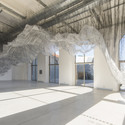
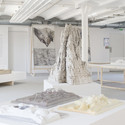
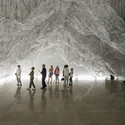
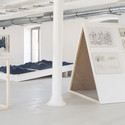
Don't miss the opening reception for White on White. This special event is the first opportunity to explore the exhibition while enjoying complimentary drinks and hors d'oeuvres.
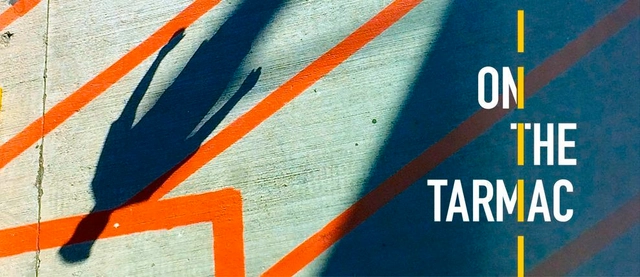
Don't miss the opening reception for On the Tarmac. This special event is the first opportunity to explore the exhibition while enjoying complimentary drinks and hors d'oeuvres.
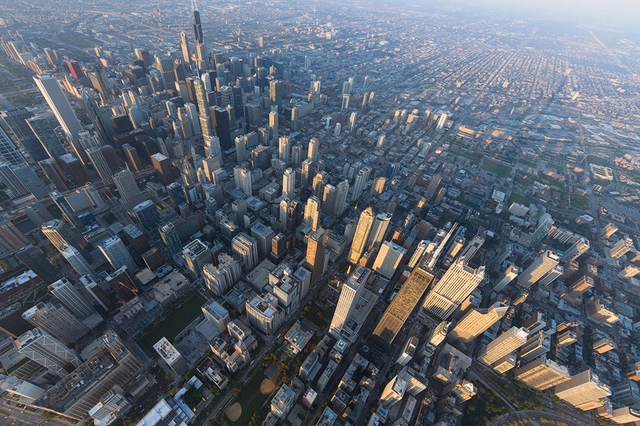
Iwan Baan was twelve years old when he received his first camera and, "within a week, [he] had traded it in for a better one." He is one of the most well-known and highly sought after architectural photographers in the world, recognised for shooting cities from above and for always highlighting people (occupation) in his images. In a short interview with Jonathan Glancey Baan is the first to state that he "doesn't know much about architecture" — something which has not inhibited his ability to produce some of the most successful photographs of the built world, and how we design, construct and occupy it. Set amid the backdrop of the first Chicago Architecture Biennial, Glancey laments the fact that Baan was not "around to photograph the dramatic rise of [the city's] skyline."
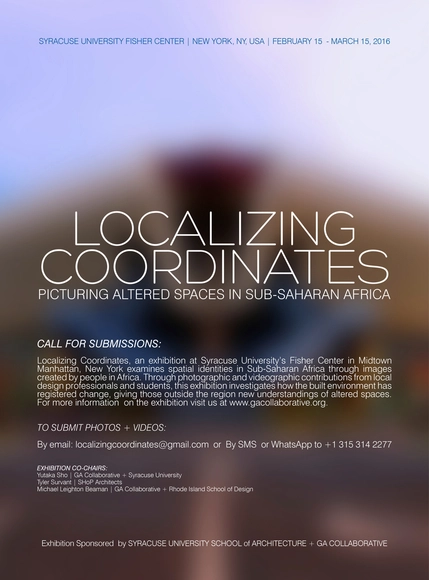
Update: The deadline has been extended to January 4, 2016.
LOCALIZING COORDINATES
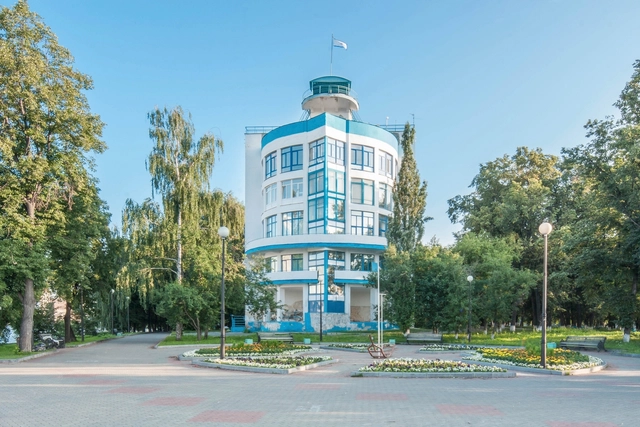
Constructivist architecture is most often remembered in writing and on paper. The movement’s two most radical and recognized structures, Vladimir Tatlin’s “Monument to the Third International” and El Lissitzky’s “Lenin Tribune,” were never built at scales larger than models. Taking hold in the wake of the Russian Revolution of 1917, Constructivism was the result of Cubo-Futurist artists marrying their kineticism and abstraction to the social concerns of the Bolsheviks, in the hopes of using art as a platform to motivate changes in society. Viewing the museum establishment as a “mauseoleum of art,” in 1918 the new broadsheet Art of the Commune affirmed: “The proletariat will create new houses, new streets, new objects of everyday life...Art of the proletariat is not a holy shrine where things are lazily regarded, but work, a factory which produces new artistic things.”[1]
In spite of the predominance of "paper architecture" in the history of Constructivism, there is one city that experienced the fruit of this movement to an unrivaled degree. Yekaterinburg is Russia’s fourth-largest city, home to nearly 1.5 million people. It is also the largest concentration of Constructivist architecture anywhere in the world, with approximately 140 structures. To celebrate the importance of Yekaterinburg in the history of architecture, photographer Denis Esakov has shared his images of the city's architecture with ArchDaily.

Monuments are deliberate gestures—objects or structures created to commemorate an event, person or era. Their meaning is usually imposed, and they often serve as focal points for aspirational civic and political attributes like valor and sacrifice, or to underscore a foundational political narrative. But their meaning can transform, changing over time as the relevance of their symbolism ebbs and flows due to social and political shifts. Like monuments, architecture and photography are also inflected with a grace of intention, and both have the ability to commemorate or represent a nation, event, time or place. The act of photographing monuments and buildings transforms them, sometimes revealing some of the original qualities and more closely evoking the response that they were originally intended to have. And photographs have an inherent memorial quality. This group exhibition examines the work of international artists, some of whose work addresses actual monuments, some whom look at architecture and its relationship to memory and how its importance and symbolism can shift over time, and others approach the idea of the future monument.
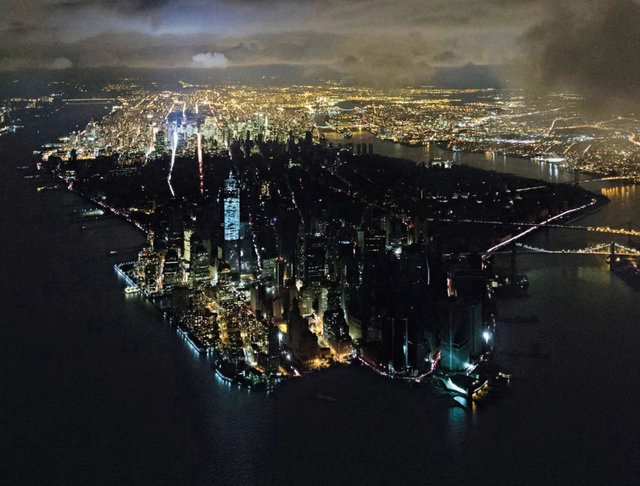
In a culture dominated by smartphones and Instagram, with estimates that over one trillion photographs will be taken this year alone, it might seem impossible for photographs to make and shape issues in the ways they once did. Despite this, images still steer debates with shocking resiliency and, with luck, become iconic in their own right. As architecture is synonymous with placemaking and cultural memory, it is only logical that images of the built environment can have lasting effects on the issues of architecture and urbanism. It's never been easier for photographs to gain exposure than they can today, and with social media and civilian journalism, debates have never started more quickly.

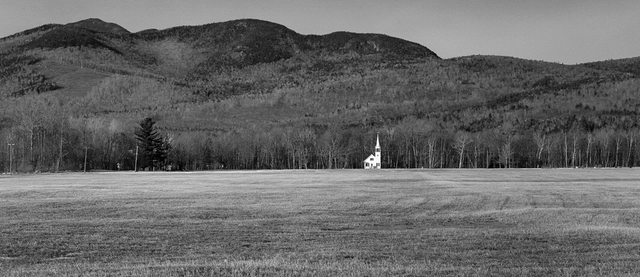
Presenting 40 images by Boston photographer and trained architect, Steve Rosenthal, this exhibition showcases rural New England churches of the eighteenth and nineteenth centuries. From the early meetinghouse through the changing patterns of Greek and Gothic revivals, Rosenthal’s black and white depictions will trace the evolution of church styles in New England and capture what remains of these architecture gems around the region. The exhibition is organized by Historic New England.
.jpg?1443600100&format=webp&width=640&height=580)
East of Paris, in Seine-Saint-Denis, sits a "Babel-like" housing estate. Its otherworldly atmosphere—existing somewhere between a 'new world' utopian dream and a postmodern, neoclassical housing estate—has set the scene for two Hollywood films including Brazil (1984) and, more recently, the upcoming second instalment of The Hunger Games: Mockingjay (2015). Parisian photographer Laurent Kronental's photo series, Souvenir d'un Futur (Memory of a Future), is an homage to the senior citizens of the French capital's Grand Ensemble region — not only in Noisy-le-Grand but across the Parisian banlieue. His photographs capture a number of places and their people which, in spite of their often megalomaniacal architectural settings, have been comparatively overlooked.
See Laurent Kronental's photo series—the result of four years of visits—after the break.

From Trinity Church to Boston’s “high spine” of skyscrapers, explore how architectural photographers see the cityscape in this dynamic session suitable for beginner and intermediate photographers alike. During this intimate exploration of Boston’s Back Bay neighborhood, you will learn to produce memorable images that convey a sense of place and a connection to landscape and surroundings. Professional photographer Emily O’Brien will help you and other enthusiastic photographers see Boston in a whole new way.
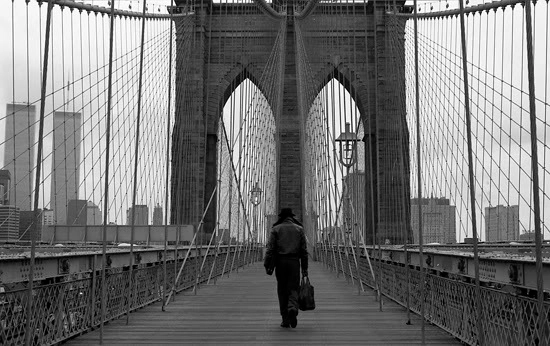
Grégoire Alessandrini’s blog “New York City 1990’s” contains an enormous collection of images taken between 1991 and 1998 that artfully depict New York. The website is a snapshot of New York in the 1990s, capturing the spirit of the era with photographs of New York’s architecture that could only exist at that time. As politics and public sentiment have changed, the city has changed with it, and much of the New York Alessandrini captured no longer exists.
To document just how much New York has changed in the past 25 years, we have curated a selection of Alessandrini’s images and set each photograph next to a Google Street View window corresponding to the photographer’s location at the time. In the photographs where Alessandrini observes from an elevated vantage point, the Street View images are as close as possible to the photographer’s location.
Read on after the break to see the images of New York’s dynamic change from the 1990s to 2015.
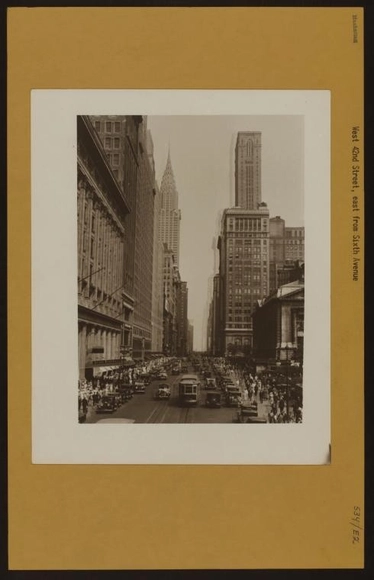
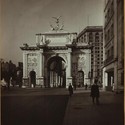
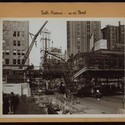
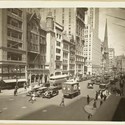
Discover historic New York with "OldNYC," a digital archive of the New York Public Library's "Photographic Views of New York City, 1870s-1970s" Collection. Bringing together an extensive catalogue of images from the library's Milstein Collection, OldNYC organizes photographs geographically, allowing users to view images specific to individual blocks and streets.
The project is also collaborative, asking visitors on the site to comment on photographs with "what's there now, what's changed, and what's stayed the same." Users can edit or add to captions on the back of each of the photos, creating a personal element in the latest retelling of New York's vibrant history.
Learn more about the project and view selected images after the break.
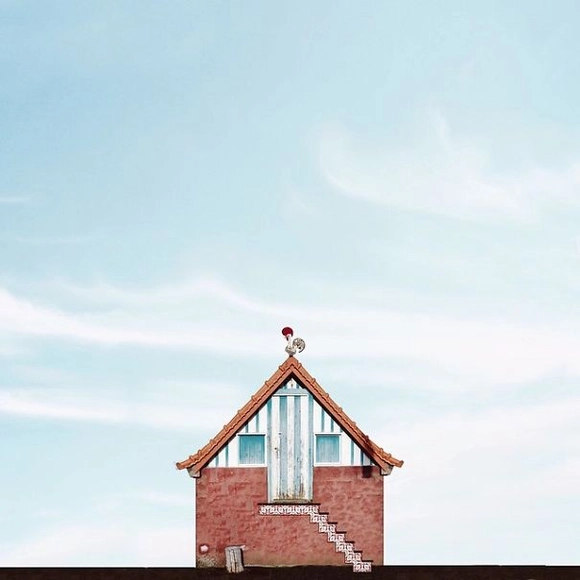
The son of Portuguese immigrants in Venezuela, Manuel Pita, also known as “Sejkko,” is a scientist and photographer who expresses his creativity on Instagram. In his latest series, “Lonely Houses,” Sejkko’s surreal photos capture the traditional houses of Portugal, edited to “bring them as close as possible to the way my eyes see them,” he explains.
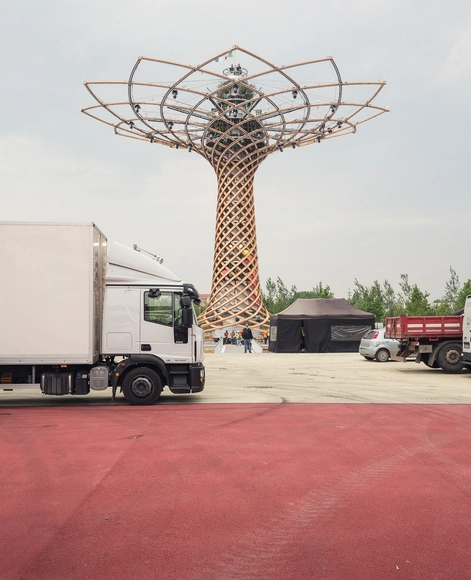
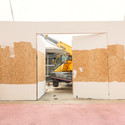
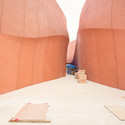
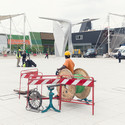
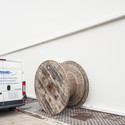
Milan-based photographer Delfino Sisto Legnani recently spent time in the compound of the 2015 Milan Expo twenty four hours prior to the inauguration of the event, which officially opened at the start of this month. This unique insight, captured through his lens and preserved for posterity, shows the state of the site and pavilions just before the Italian military began their final safety and security checks. Cables, garbage and hazard tape is strewn across the pavilion entrances and public spaces, while lorries and white vans unload the last of the interiors.
Tour Legnani's photo-essay after the break.
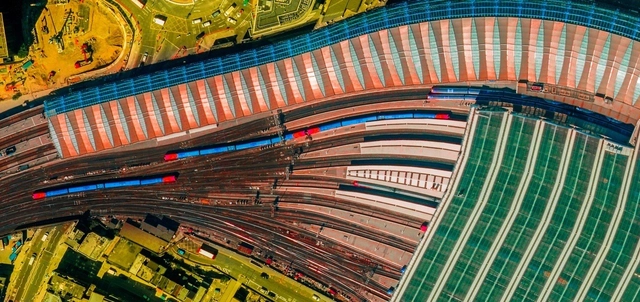
Hovering high above the earth's surface and presenting a serenely distant view of the terrain we inhabit, ULTRADISTANCIA is the latest photographic project from Argentinian artist, academic, and veteran traveller Federico Winer. The experimental series uses "the marvelous screens of Google Earth" to present stunning images of environments both built and natural.
Learn more about the project and view selected images after the break.
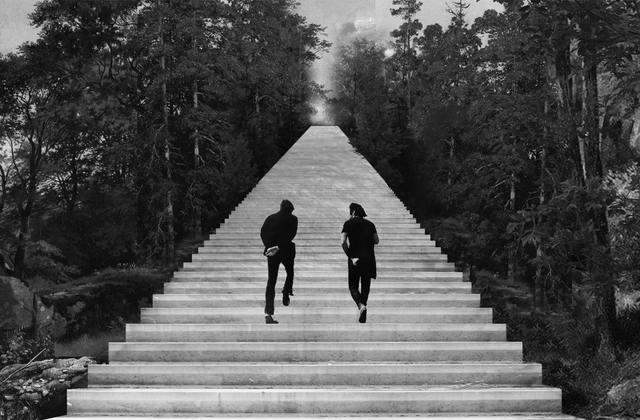
From April 10, the Frac Centre will host "Relief(s)— Designing the Horizon", a series of exhibitions, workshops, and meetings exploring the place of the relief in the timeline of modern art. Over five months the work of Yasuaki Onishi, Gérard Singer, and Aurélie Pétrel will be on display alongside a host of supplementary cultural and educational programs. Hoping to "[shed] new light on the way in which contemporary art can renew our reading of the landscape and, more broadly the environment", the exhibition will run until September 19. Learn more about the artists involved and view selected works after the break.


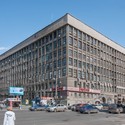

.jpg?1443599941 "Les Orgues de Flandre, 19e arrondissement Paris, 2014. Image © Laurent Kronental")
.jpg?1443599908 "Le Pavé Neuf, Noisy-le-Grand, 2015. Image © Laurent Kronental")
.jpg?1443599809 "Joseph, 88 ans, Les Espaces d'Abraxas, Noisy-le-Grand, 2014. Image © Laurent Kronental")
.jpg?1443599826 "Les Tours Aillaud, Cité Pablo Picasso, Nanterre, 2014. Image © Laurent Kronental")
.jpg?1443600100)