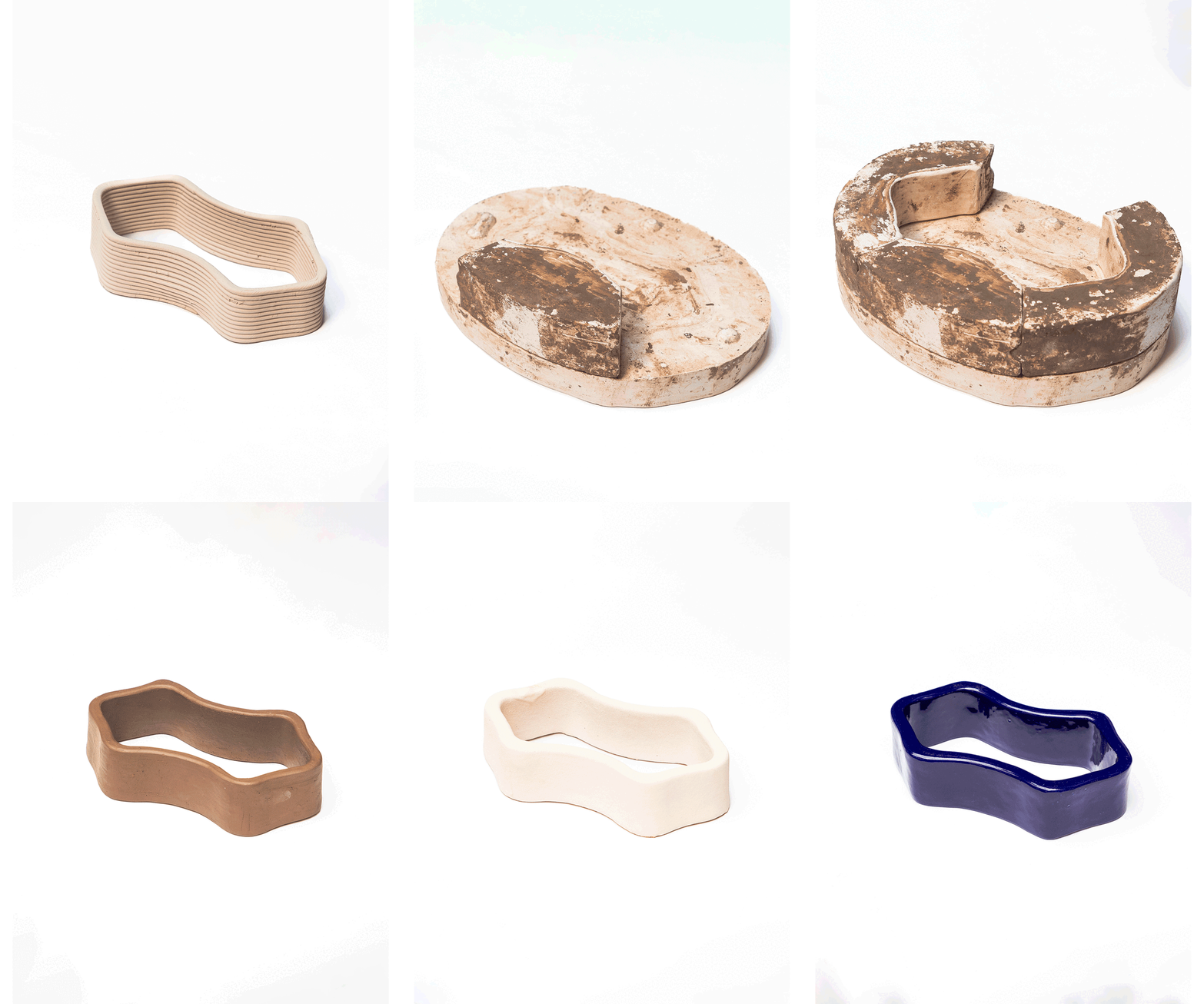
1. ArchDaily
  2. Digital Fabrication

Digital Fabrication: The Latest Architecture and News

The Timeless Appeal of Modernism in Technology and Digital Architecture

Modernism, a movement that sought to break away from traditional forms and embrace the future, laid the groundwork for many technological and digital advancements in contemporary architecture. As the Industrial Revolution brought about mass production, new materials, and technological innovation, architects like Le Corbusier, Walter Gropius, and Mies van der Rohe championed the ethos of "form follows function" and a rational approach to design. Their principles resonate in the digital age, where computational design and high-tech materials redefine form and construction.

The 20th century's modernist ideals — efficiency, simplicity, and functionality — created a foundation for architects to experiment with structural clarity and material honesty. High-tech architecture, which emerged in the late 20th century, evolved from these principles, merging modernism's clean lines with advanced engineering and technology. This paved the way for parametricism and algorithm-driven design processes, revolutionizing architecture and enabling complex forms previously thought impossible.

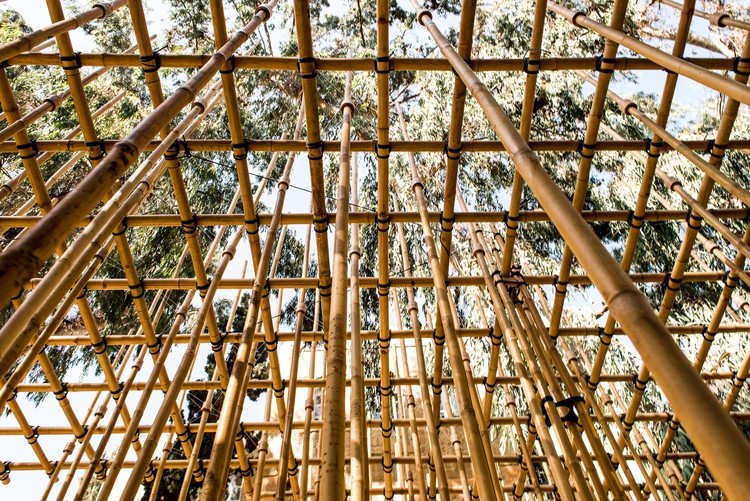
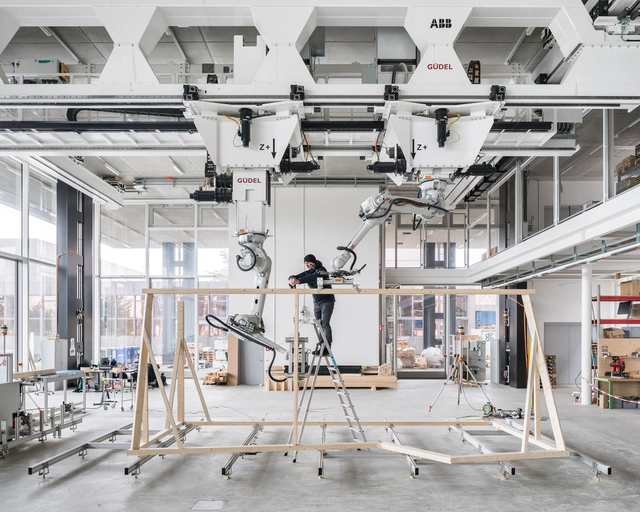
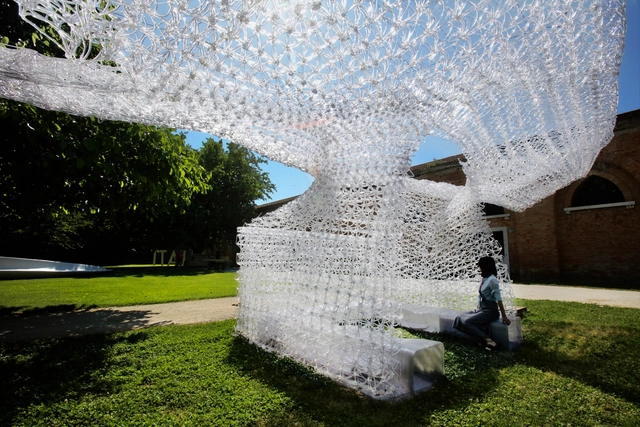
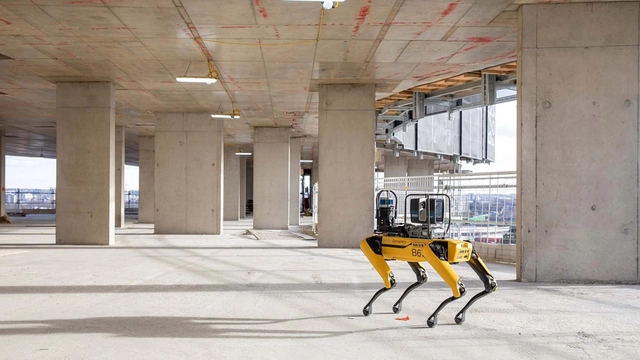
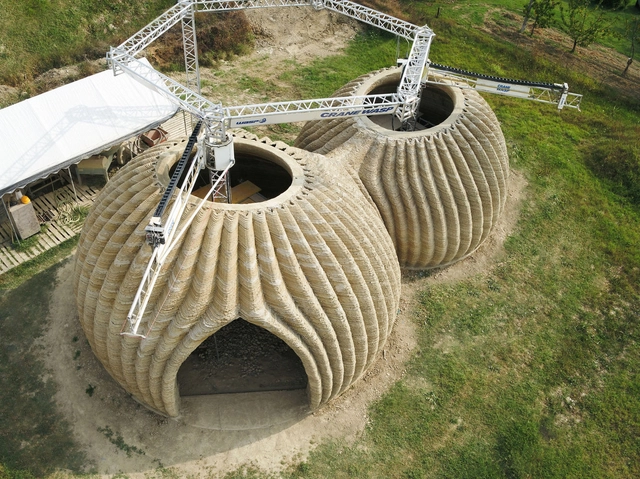
The Timeless Appeal of Modernism in Technology and Digital Architecture - Image 1 of 4The Timeless Appeal of Modernism in Technology and Digital Architecture - Image 2 of 4The Timeless Appeal of Modernism in Technology and Digital Architecture - Image 3 of 4The Timeless Appeal of Modernism in Technology and Digital Architecture - Image 4 of 4The Timeless Appeal of Modernism in Technology and Digital Architecture - More Images+ 45

Roboceramic: Humans vs. Machines or Humans with Machines?

Subscriber Access | 

The relationship between man and machine has long been a complex and nuanced one, especially for modern artisans. While machines are often seen as tools that can enhance productivity, the comparison between human hands and mechanical efficiency can be misleading. Machines, with their ability to perform tasks with precision and without fatigue, can overshadow the unique qualities that define human craftsmanship.

Unlike machines, humans are inherently imperfect, and it is this very imperfection that fosters creativity and self-expression. When a person repeats a task with their hands, they do so with a rhythm, guided by an awareness and an understanding that transcends mere mechanical repetition. This rhythm is not just a physical pattern, but a reflection of the unity between the mind, hand, and eye—a connection that machines cannot replicate. The act of making, with all its subtle variations and imperfections, is what imbues human work with meaning and value.

“We Can Transform the Profession by Rethinking How We Might Serve Society”: A Conversation With Ronald Rael

Subscriber Access | 

Understanding a discipline from multiple perspectives and intersections is essential for acquiring a deep understanding of it. In architecture, the diversity of approaches to its study enriches our perception by allowing us to appreciate its complexity from different angles. For students and professionals alike, exploring aspects such as history, sources of materials and products, construction processes, implementation of new technologies, and contemporary social challenges is crucial. These aspects intertwine and expand the conventional notion of "architecture," transcending the mere creation of buildings or the definition of spaces.

Ronald Rael, an architect and the Eva Li Memorial Chair in Architecture at the University of California, Berkeley, exemplifies this vision through his practice, which spans from research to connecting indigenous and traditional material practices with contemporary technologies and issues. As an activist and designer, Rael's research interests explore additive fabrication, border-wall studies, and earth construction. Co-founder of Rael San Fratello, Emerging Objects, and Forust, his practice shows an approach to architecture that is highly relevant in contemporary times.

Coachella 2024 Installations Explore the Intersection of Art, Music, and Community

The annual Coachella Valley Music and Arts Festival has opened in Los Angeles with a selection of large-scale art installations curated by the Public Art Company in collaboration with Paul Clemente. The festival grounds at the Empire Polo Field have been reimagined with three newly commissioned works by a diverse group of artists, architects, and designers. Challenging conventional norms and experimenting with new technologies and artistic expressions, these temporary interventions are an invitation for playful exploration, connection, and contemplation, enhancing the festivalgoer’s experience.

According to Raffi Lehrer, the founder of Public Art Company and Curatorial Advisor for Coachella's art program, the aim of these installations is not to simply adorn the festival but “to create environments that provoke thought, evoke emotion, and encourage a shared experience among all attendees.” By collaborating with artists from different fields, the music festival gains a new perspective, opening up its grounds for experimentation and play.

Coachella 2024 Installations Explore the Intersection of Art, Music, and Community - Imagem 5 de 4Coachella 2024 Installations Explore the Intersection of Art, Music, and Community - Imagem 22 de 4Coachella 2024 Installations Explore the Intersection of Art, Music, and Community - Imagem 7 de 4Coachella 2024 Installations Explore the Intersection of Art, Music, and Community - Imagem 14 de 4Coachella 2024 Installations Explore the Intersection of Art, Music, and Community - More Images+ 18

Reviving Collaboration: Seeking a Place for Artistry in Mass-Produced Building Elements

Subscriber Access | 

Historically, architecture has served as a canvas for artistic expression. Building elements have been adorned with relief-carved garlands, inscriptions, fresco murals, portrait busts, and classicizing figurative sculptures, all of which emphasize the unique and intentional nature of each component. However, the industrialization of the 19th century brought about a shift in ideals, that stripped architectural components of their decorative elements. Instead, it preferenced the search for beauty in standardization and the economic accessibility provided by mass-produced building elements.

But is there room for artistry within mass production? Can artists be involved in the industrial-making processes of building elements? And how can new technology facilitate artistic mass customization of building components? These questions prompt us to consider the potential for expression, communication, and reflection in the craft of building elements in both interior and exterior spaces.

Reviving Collaboration: Seeking a Place for Artistry in Mass-Produced Building Elements - Imagem 5 de 4Reviving Collaboration: Seeking a Place for Artistry in Mass-Produced Building Elements - Imagem 1 de 4Reviving Collaboration: Seeking a Place for Artistry in Mass-Produced Building Elements - Imagem 2 de 4Reviving Collaboration: Seeking a Place for Artistry in Mass-Produced Building Elements - Imagem 3 de 4Reviving Collaboration: Seeking a Place for Artistry in Mass-Produced Building Elements - More Images+ 8

At the Intersection of Innovation and Tradition: The Talavera Project

Subscriber Access | 

Architecture, understood as a cultural product, is strongly influenced by diverse stimuli that include historical, geographical, and cultural aspects, among others. Together, these elements form a heritage that may (or may not) endure through time. Although architecture tends to adapt to each culture, modeling its traditional techniques according to its context and shaping the surrounding environment, there is no guarantee that the traditional elements in it will endure or remain unchanged over time. This is largely due to the constant evolution of society and technology, which sometimes tends towards universality and the adoption of a common language, rather than one of their own.

Given this scenario, it is essential to explore an approach where innovation and technology do not replace tradition and artisanal production; instead, they arise as a means of exploration towards emerging routes. Adopting novel techniques and innovative materials that are adapted to specific local needs makes it possible to maintain an authentic expression that responds to the demands of the environment. This approach, which could be termed neo-craft, allows for the preservation of a distinct voice that reflects the authenticity of the local context. At the same time, it contributes to a universal perspective, merging the local with the global.
The Digital Divide: Can Technology Support Vernacular Architecture?

Subscriber Access | 
Audio available

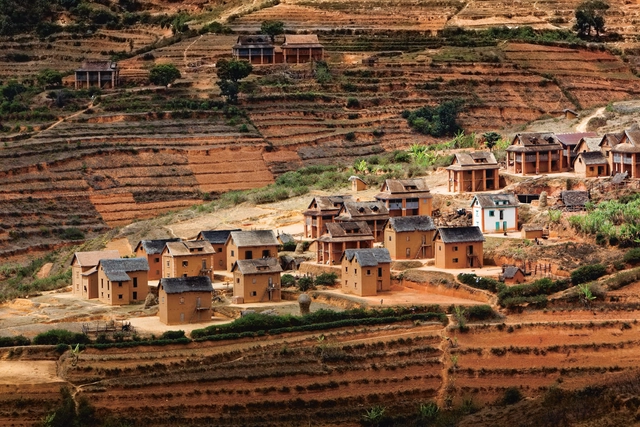
The architecture and construction industry has undergone a transformation with the integration of various digital tools, now indispensable to the design process. The welcoming of technologies has effectively streamlined operations, enhanced efficiency, and elevated design quality. This digital shift, however, has resulted in a digital divide that goes beyond accessibility to tools and software. It also encompasses the crucial aspect of integrating traditional and indigenous communities into the urban development landscape. Can advancing technology support the growth of vernacular architecture? Can indigenous building practices find a place in the vision for a digitalized future?

The Digital Divide: Can Technology Support Vernacular Architecture? - Image 1 of 4The Digital Divide: Can Technology Support Vernacular Architecture? - Image 2 of 4The Digital Divide: Can Technology Support Vernacular Architecture? - Image 3 of 4The Digital Divide: Can Technology Support Vernacular Architecture? - Image 4 of 4The Digital Divide: Can Technology Support Vernacular Architecture? - More Images+ 1

Expanding the Architectural Prospects of Timber in Its Natural Form

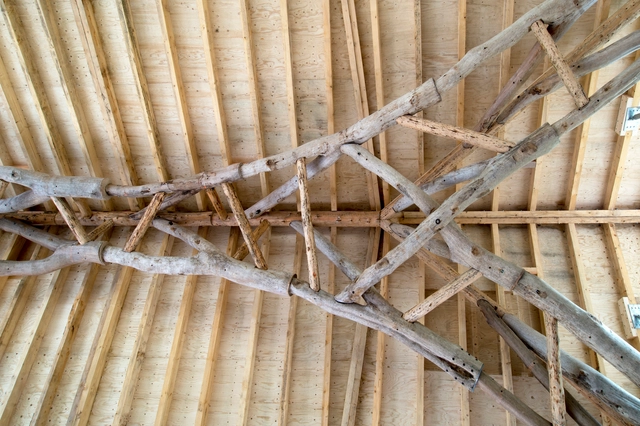
Timber has been a popular source of construction material for thousands of years. Through sawing, milling, and other engineered wood conversion processes, various wood forms have been created and applied in products, furniture, and architecture. However, these processes can sometimes alter the basic lines of wood structure. The stems can be split, grain patterns changed, and some woods, such as oak and cedar, are easily reduced while others can become intractable. This led to the exploration of whole timber forms in ancient structures, such as log cabins, which layered timber in different cross-sections to form home profiles. Through design, the use of trunks or branches of trees in their entirety can accentuate their innate mechanical properties for structural sustainability. Although these practices are fairly absent in contemporary building techniques, new technological innovations expand the prospects of timber construction in architecture.

Expanding the Architectural Prospects of Timber in Its Natural Form - Image 1 of 4Expanding the Architectural Prospects of Timber in Its Natural Form - Image 2 of 4Expanding the Architectural Prospects of Timber in Its Natural Form - Image 3 of 4Expanding the Architectural Prospects of Timber in Its Natural Form - Image 4 of 4Expanding the Architectural Prospects of Timber in Its Natural Form - More Images+ 6

Building for Sustainability: 3 Main Themes Explored at the Time Space Existence Exhibition in Venice

Subscriber Access | 

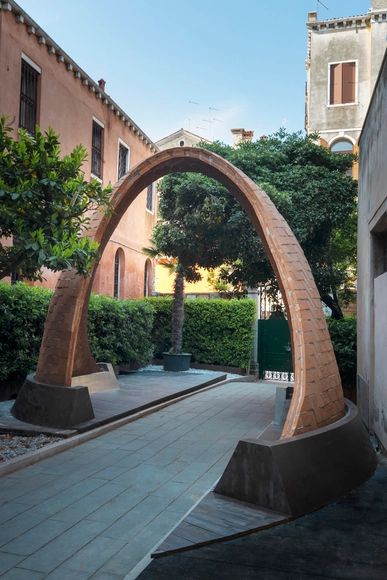
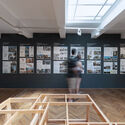
The European Cultural Centre (ECC), a non-profit organization dedicated to fostering cultural exchanges on an international scale, showcased its sixth edition of the Time Space Existence architecture exhibition alongside this year's Venice Architecture Biennale. The 2023 installment was centered on the theme of sustainability in its various forms, encompassing subjects related to migration, digital building technologies and material research, future urban developments, and housing, bringing together architects, designers, artists, academics, and photographers from 52 different countries.

Through diverse mediums and perspectives, participants have explored the philosophical concepts of Time, Space, and Existence. With a total of 217 projects on display, the exhibition is held at Palazzo Bembo, Palazzo Mora, and the Marinaressa Gardens in Venice, throughout the six-month duration of the 2023 Venice Architecture Biennale, running from May 20th to November 26th, 2023. Focusing also on emerging young architects, designers, and researchers, the 2023 edition of the exhibition is a proactive endeavor to reimagine alternative lifestyles and reconceptualize architecture within the contemporary landscape.

Building for Sustainability: 3 Main Themes Explored at the Time Space Existence Exhibition in Venice - Image 1 of 4Building for Sustainability: 3 Main Themes Explored at the Time Space Existence Exhibition in Venice - Image 2 of 4Building for Sustainability: 3 Main Themes Explored at the Time Space Existence Exhibition in Venice - Image 3 of 4Building for Sustainability: 3 Main Themes Explored at the Time Space Existence Exhibition in Venice - Image 4 of 4Building for Sustainability: 3 Main Themes Explored at the Time Space Existence Exhibition in Venice - More Images+ 22

Le Corbusier's Enduring Spirit: Celebrating 100 Years of Architectural Influence

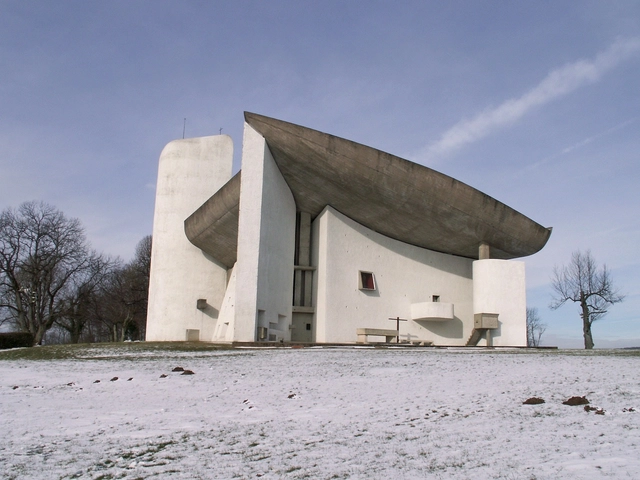
One hundred years ago, in 1923, Le Corbusier’s “Vers une Architecture” was published in the magazine “L’Esprit Nouveau.” The controversial collection of essays authored by the Modernist master served as a manifesto for the development of modern architecture, influencing generations of architects and sparking polemics on the proposed principles of architectural design. The book advocates for the beauty of streamlined industrial designs, like those of airplanes, automobiles or ocean liners; it proposes a completely different way of building cities, favoring tall and slender towers surrounded by abundant greenery, and introduces Le Corbusier’s 5 principles for modern design.

Now, a century later, these theories have become part of every architect’s education, but they are also highly contested. Some critics argue that the rigid approach, especially in relation to urban planning principles, fails to engage the cultural and contextual nuances of different communities, leading to alienating urban environments. Still, the legacy of Le Corbusier is significant, serving as a constant point of reference for architects when exploring the balance between functionality, aesthetics, symbolism and the social impact of their designs.

Le Corbusier's Enduring Spirit: Celebrating 100 Years of Architectural Influence - Image 1 of 4Le Corbusier's Enduring Spirit: Celebrating 100 Years of Architectural Influence - Image 2 of 4Le Corbusier's Enduring Spirit: Celebrating 100 Years of Architectural Influence - Image 3 of 4Le Corbusier's Enduring Spirit: Celebrating 100 Years of Architectural Influence - Image 4 of 4Le Corbusier's Enduring Spirit: Celebrating 100 Years of Architectural Influence - More Images+ 16

What Role Do Materials and Construction Systems Play in Democratizing Architecture?

“Architecture does not change anything. It’s always on the side of the wealthy.” With these words, Oscar Niemeyer referred to architecture as being a privilege mostly destined to the upper class – a statement that has historically proven to be true, even as some would like to deny it. Today, only 2% of all houses around the world are designed by architects. This is largely due to the fact that, to the average consumer, architect-designed homes continue to be perceived as expensive and esoteric products available only to this select few; a luxury that many cannot fathom to afford, especially as housing prices rise. Ultimately, this makes good design inaccessible for certain segments, forcing them to settle for precarious living conditions in standardized spaces that fail to take their needs into account (that is, if they even have access to housing).

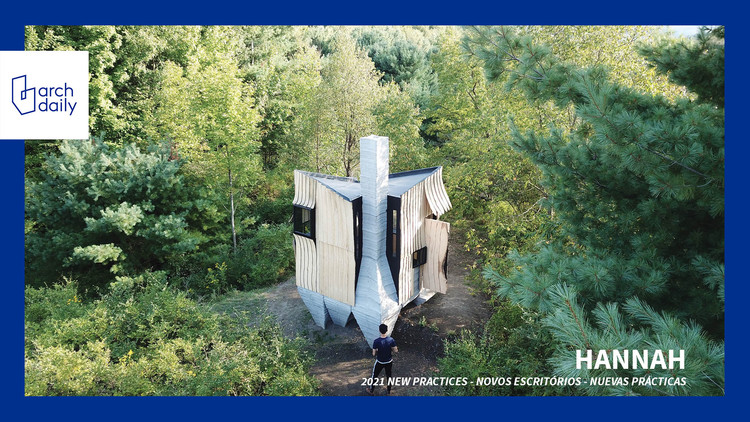
"Robotic Construction Can Help Us Design Better Buildings": An Interview with HANNAH

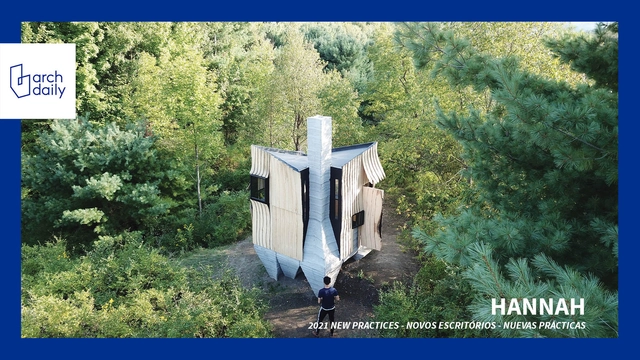
HANNAH Office is a US-based experimental research and design studio whose work focuses on advancing architecture and contemporary construction practices by examining the possibilities of new digital routines and fabrication technologies. Selected as one of Archdaily's Best New Practices of 2021, HANNAH Office was founded in 2012 by Leslie Lok and Sasa Zivkovic and constitutes a platform for exploring technology and material methods across a variety of scales, from furniture to urbanism in search of new design outcomes.

"Robotic Construction Can Help Us Design Better Buildings": An Interview with HANNAH - Image 1 of 4"Robotic Construction Can Help Us Design Better Buildings": An Interview with HANNAH - Image 2 of 4"Robotic Construction Can Help Us Design Better Buildings": An Interview with HANNAH - Image 3 of 4"Robotic Construction Can Help Us Design Better Buildings": An Interview with HANNAH - Image 4 of 4Robotic Construction Can Help Us Design Better Buildings: An Interview with HANNAH - More Images+ 2

Le Corbusier's Influence in Architecture Through Mass Production and Digital Fabrication

Subscriber Access | 

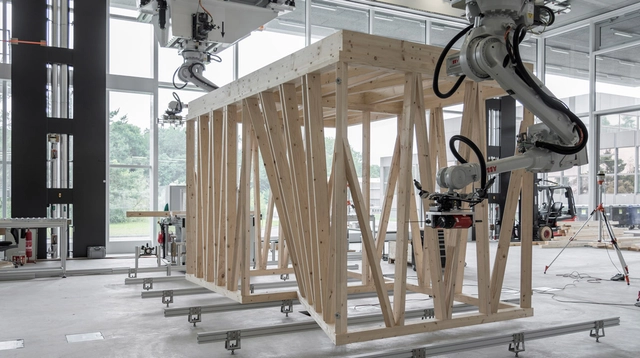
Digital spaces and fabrication technology have become as prominent as ever within the current state of our post-pandemic society, becoming increasingly more accessible and enabling quick and spontaneous acts of iteration and evolution. These technologies have resulted in the ability to mass-produce non-standard, highly differentiated building components within the same facility as their standardized counterpart, transforming how buildings and their respective components are conceived, designed, and represented, and how they are manufactured, assembled, and produced.

The beauty of digital fabrication is its ability to blend aspects of mass and artisanal production to the point where costs nearly disappear. Technology’s capacity to fabricate so simply and almost seamlessly raise the issues for its potential to significantly alter our current perception of architecture, thus producing the question: has the influence of mass production in architecture resulted in a loss of intentional design?

Le Corbusier's Influence in Architecture Through Mass Production and Digital Fabrication - Image 1 of 4Le Corbusier's Influence in Architecture Through Mass Production and Digital Fabrication - Image 2 of 4Le Corbusier's Influence in Architecture Through Mass Production and Digital Fabrication - Image 3 of 4Le Corbusier's Influence in Architecture Through Mass Production and Digital Fabrication - Image 4 of 4Le Corbusier's Influence in Architecture Through Mass Production and Digital Fabrication - More Images+ 10

ETH Zurich’s HiLo Unit Raises the Bar for Sustainable Concrete Design

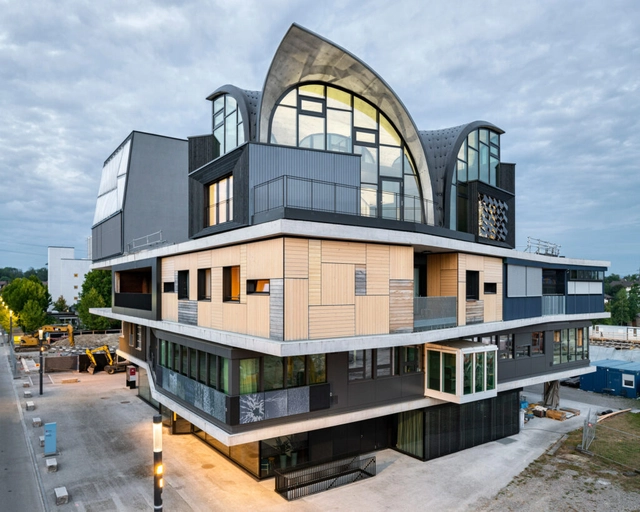
Dübendorf, Switzerland is something of hallowed ground for architectural technologists. There, on the shared academic campus of the Swiss Federal Laboratories for Materials Science and Technology and the Swiss Federal Institute of Aquatic Science and Technology, public university ETH Zurich has conducted nearly a decade of engineering and construction experimentation at the ever-evolving NEST research building. In August, ETH Zürich unveiled its latest extension of the building, HiLo (short for high performance-low emissions)—a two-story modular addition to the chameleon structure that harnesses medieval building principles and contemporary digital methods to raise the bar for more sustainable applications of concrete.

Hybrid Architecture: Combining Digital Design and Vernacular Crafts

Subscriber Access | 

In Mendoza, Argentina, the digital fabrication research lab Node 39 FabLab created a frame loom structure made of digitally cut wood to help indigenous people in the central region of the country weave and create their traditional patterns. In the state of Ceará, northeast Brazil, a study entitled "Artífices Digitais" (Digital Artisans) by the Federal University of the State of Ceará used digital fabrication tools, namely 3D printing, to produce digital models, like digital prosthetics, to restore the damaged parts of an altarpiece of the high altar of the Mother Church in the city of Russas.

Hybrid Architecture: Combining Digital Design and Vernacular Crafts - Imagen 1 de 4Hybrid Architecture: Combining Digital Design and Vernacular Crafts - Imagen 2 de 4Hybrid Architecture: Combining Digital Design and Vernacular Crafts - Imagen 3 de 4Hybrid Architecture: Combining Digital Design and Vernacular Crafts - Imagen 4 de 4Hybrid Architecture: Combining Digital Design and Vernacular Crafts - More Images+ 6

Digital Woodworking: Creating Structures, Furniture, and Surfaces Using CNC

Digital Woodworking: Creating Structures, Furniture, and Surfaces Using CNC - Image 13 of 4Digital Woodworking: Creating Structures, Furniture, and Surfaces Using CNC - Image 14 of 4Digital Woodworking: Creating Structures, Furniture, and Surfaces Using CNC - Image 15 of 4Digital Woodworking: Creating Structures, Furniture, and Surfaces Using CNC - Image 16 of 4Digital Woodworking: Creating Structures, Furniture, and Surfaces Using CNC - More Images+ 18

The automation of architectural design and rendering has been further accelerated by digital production tools. Tools such as 3D printers, assembly robots, and laser cutters, have all but perfected the design and construction process and have proven essential in optimizing resources, improving precision, and increasing control of the process.

In woodworking, the most frequently used digital production tools are milling machines or CNC (computer numerical control) routers. These tools facilitate the rendering of 2D vectoral drawings and 3D models, codifying them into instructions for the machine to follow and execute. Through this process, which starts with digital archives (typically created using design software widely known as AutoCad), milling machines and CNC routers can rapidly and precisely cut wood, producing ready to assemble pieces.

Digitally Designed & Built Projects: Using Technology to Explore New Ways of Construction

By now,  it is clear that technology has taken over almost every aspect of our lives. It has changed the way we communicate, how we connect, how we work and study, and has even modified our buying and eating habits.  Architecture and construction were not the exceptions, and technology is also now present in the way it is being thought, designed, and built.

Digitally Designed & Built Projects: Using Technology to Explore New Ways of Construction - Image 1 of 4Digitally Designed & Built Projects: Using Technology to Explore New Ways of Construction - Image 2 of 4Digitally Designed & Built Projects: Using Technology to Explore New Ways of Construction - Image 3 of 4Digitally Designed & Built Projects: Using Technology to Explore New Ways of Construction - Image 4 of 4Digitally Designed & Built Projects: Using Technology to Explore New Ways of Construction - More Images+ 16

Design with Digital Technology: 3D Printing Opens New Possibilities in China

3D printing (as known as three-dimensional printing) is a type of rapid prototyping technology. It is a technology that uses powdered metal or plastic and other bondable materials to construct objects by printing layer by layer based on digital model files.