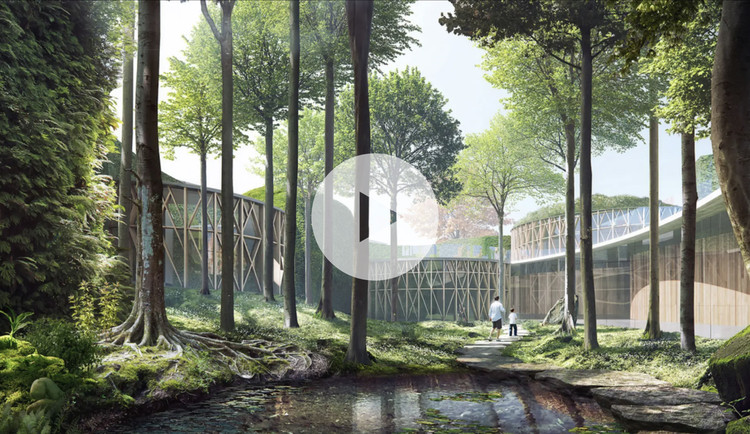
Talking to the Louisiana Channel, iconic Japanese architect Kengo Kuma discusses the many influences that have shaped his work - and also delves into the impact that the ongoing pandemic has had on the architectural field. In the interview, Kuma describes how influential his early upbringing was to his architectural career. Growing up in a small wooden house in the 1950s - originally built in 1942, would go on to guide his architectural perchance of using wood in his projects. Kuma also mentions Japanese architect Kenzu Tange as a key inspiration and cites Tange's Yoyogi National Gymnasium - constructed for the 1964 Summer Olympics in Tokyo - as a project that would influence him towards an architectural career.
Coronavirus: The Latest Architecture and News
“When You Enter Architecture You Enter Another World” in Conversation With Kengo Kuma



https://www.archdaily.com/962815/when-you-enter-architecture-you-enter-another-world-in-conversation-with-kengo-kumaMatthew Maganga
In Southern California, Outdoor Dining Changes the Hospitality Landscape
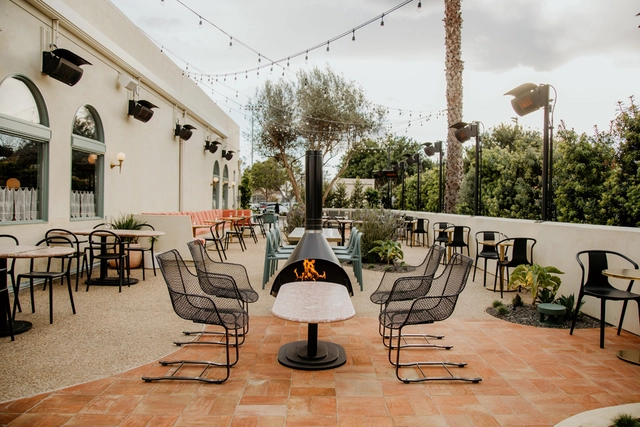
"The explosion of outdoor dining is both a survival tool for restaurants and a welcome cultural shift that may be here to stay", states Jessica Ritz, in her article originally published on Metropolis. In fact, the author explores hospitality trends that have emerged during the pandemic in California, mainly outdoor dining, and that are likely to last or be present for a long time.

https://www.archdaily.com/962739/in-southern-california-outdoor-dining-changes-the-hospitality-landscapeJessica Ritz
Building Back?: Richard Florida Outlines His Vision for a ‘Post-Pandemic City’

America’s central business districts suffered greatly during the COVID-19 pandemic through job losses and business closings, but they also have a good chance to recover if stakeholders can capitalize on trends that will shape the way people live and work in a post-pandemic economy. That’s the view of the author and urbanist Richard Florida, a professor at the University of Toronto and author of The Rise of the Creative Class and The New Urban Crisis.

https://www.archdaily.com/961337/building-back-richard-florida-outlines-his-vision-for-a-post-pandemic-cityEdward Gunts
12 Key Principles for an Effective Urban Response during COVID-19
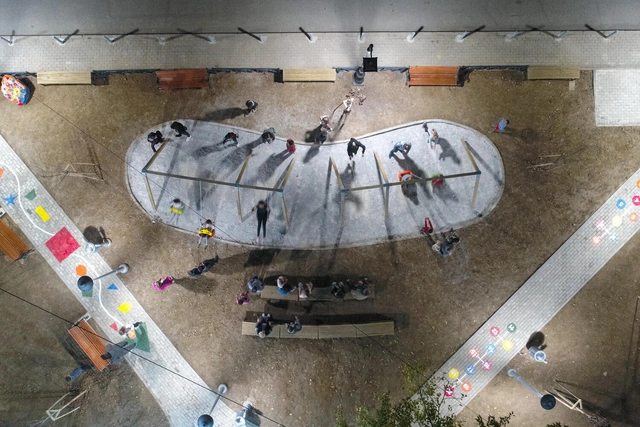
The Un-Habitat or the United Nations agency for human settlements and sustainable urban development, whose primary focus is to deal with the challenges of rapid urbanization, has been developing innovative approaches in the urban design field, centered on the active participation of the community. ArchDaily has teamed up with UN-Habitat to bring you weekly news, article, and interviews that highlight this work, with content straight from the source, developed by our editors.
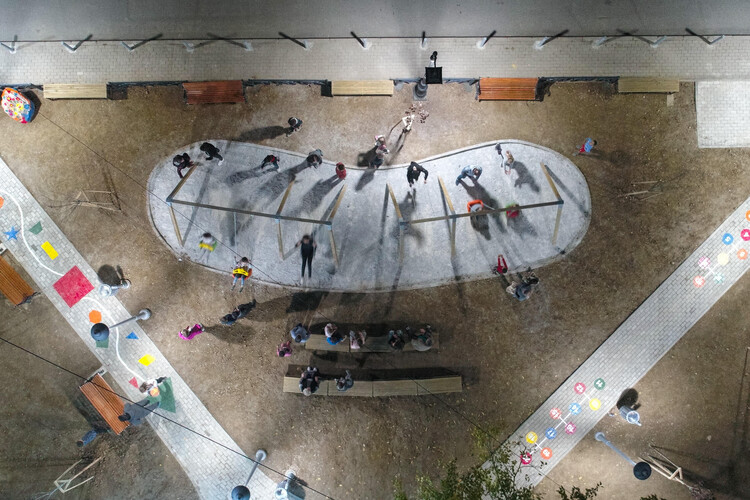
As the fight against coronavirus keeps on bringing many cities around the world to a standstill, the need to support urban entities and local governments is greater than ever. Although the pandemic has drastically changed our relationship with the public realm, due to all the imposed but necessary restrictions, from physical distancing to limiting access, the demand for public space has not decreased. People still need to go outside, commute, work, study, play, socialize, and maintain a healthy mental state. Discover in this article UN-Habitat’s key areas of focus for an effective urban response for COVID-19 that local and national governments should focus on to prevent the spread of the virus and to develop resilience to and preparedness for events of a similar nature.



https://www.archdaily.com/961166/12-key-principles-for-an-effective-urban-response-during-covid-19Christele Harrouk
How the Pandemic Has Jump-Started Creativity

WeTransfer recently released its 2020 Ideas Report, which showcases the effects COVID-19 has had on creativity. At a time when the economy, employment rates, and overall morale were down, the report found a reason for hope—nearly half (45.3 percent) of the 35,000 creatives polled claimed that they experienced more creative ideas during the pandemic than before.
Which begs the question: How do we replicate the good that has come out of the pandemic and keep it going for the industry over the long term? ThinkLab sat down with business leaders within—and outside—the interiors industry to understand the shifts companies made to remain relevant in these changing times.
https://www.archdaily.com/960155/how-the-pandemic-has-jump-started-creativityAmanda Schneider
Strategic Design Should Reflect a Post-Pandemic Workforce Culture
.jpg?1617024156&format=webp&width=640&height=580)
More than a year into this worldwide experiment of working from home, we have not yet landed on the perfect formula for the workforce being once again in the workspace. Furthermore, not only has the Working From Home (WFH) situation lasted longer than anticipated, it has embedded itself into the way we will work forevermore. As vaccines are rolled out, leaders of all types of organizations must now seriously consider how to handle the return of their employees to the physical office space.
https://www.archdaily.com/958908/strategic-design-should-reflect-a-post-pandemic-workforce-cultureElvira Muñoz Beraza
Tech, Class, Cynicism, and Pandemic Real Estate
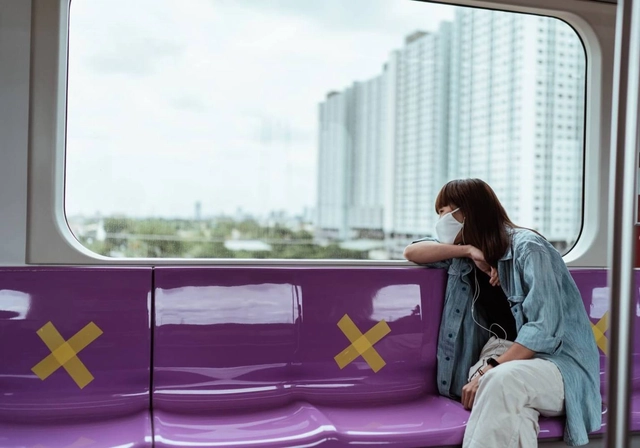
It didn’t take long for the coronavirus pandemic to inspire both cutting-edge architectural design solutions and broad speculation about future developments in the field. Many of the realized innovations have been contracted by or marketed to the real estate sector. But as firms compete to provide pandemic comforts to rich tenants, the COVID-19 technology that directly affects working-class communities is mostly limited to restrictive measures that fail to address already-urgent residential health hazards or administrative conveniences for developers that allow them to circumvent public scrutiny. These changes had been long-planned, but they have found a new license under the pretext of coronavirus precaution. In terms of “corona grifting,” this sort of thing takes the cake.
https://www.archdaily.com/957760/tech-class-cynicism-and-pandemic-real-estateLeijia Hanrahan
The Religion of the City: Cars, Mass Transit and Coronavirus
Religion is a uniquely human reality. As are cities. As we emerge from our burrows of sequestration, the silent cities and places of worship will become human again, versus the present sad memory of what they once were.
We will recover from another human reality, the pandemic and when we do we will be forced to address some questions. Before this century, the automobile was once seen as the way Americans could create a new reality: a huge middle class that could control its life by using the freedom that cars gave them to go where they wanted, when they wanted, and to live where they wanted. Before this latest change of sequestration, that vision of what cars meant to our culture was changing —especially in cities.
https://www.archdaily.com/957620/the-religion-of-the-city-cars-mass-transit-and-coronavirusDuo Dickinson
What Do Real Estate Trends Tell Us About the Migration Back to Cities?
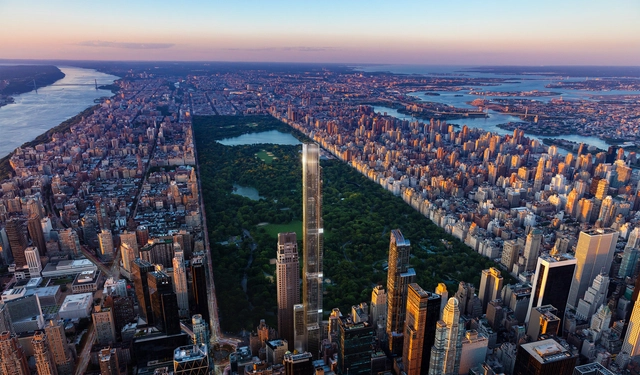
Almost one year into the COVID-19 pandemic, life is starting to feel like it might regain its sense of normalcy. With promising vaccines being slowly rolled around the globe, the focus is shifting away from the immediate, and into what the future looks like- including where people want to live. At the beginning of the pandemic, stories all across the media claimed that cities were dead, people were leaving as a permanent measure of safety and well-being, and that the real estate market would experience a long and slow recovery to the boom it had experienced in the pre-pandemic world. But there’s been a shift, and it’s happening fast- people are returning to cities almost as suddenly as they once left them.
https://www.archdaily.com/957621/what-do-real-estate-trends-tell-us-about-the-migration-back-to-citiesKaley Overstreet
Public Spaces and the Challenges of Covid-19: UN-Habitat’s Small-Scale Urban Responses in Vietnam, Bangladesh and India
(1).jpg?1614161719)
The Un-Habitat or the United Nations agency for human settlements and sustainable urban development, whose primary focus is to deal with the challenges of rapid urbanization, has been developing innovative approaches in the urban design field, centered on the active participation of the community. ArchDaily has teamed up with UN-Habitat to bring you weekly news, article, and interviews that highlight this work, with content straight from the source, developed by our editors.
“During this pandemic, public spaces have played a vital role in the health and sustainability of urban communities around the world” states James Delaney, Block by Block chair. In fact, people need to go outside, now more than ever. In order to equip these public spaces to face the challenges of Covid-19, UN-Habitat with the Block by Block Foundation has been supporting ten cities, throughout this past year. With the help of local governments and the community, the initiatives helped covid-proof open urban entities, especially in poor neighborhoods, where there are few shared and green spaces. From creating mobile pop-up playgrounds for children in Hanoi, Vietnam, improving livelihood for street vendors in Dhaka and Khulna, Bangladesh to Covid Proofing of Public Spaces in Bhopal informal settlements, India, these responses have provided help to those who need it the most.
.jpg?1614161736 "Mobile playground in Vietnam. Image Courtesy of UN-Habitat, Global Public Space Programme")

(1).jpg?1614161719)
https://www.archdaily.com/957524/public-spaces-and-the-challenges-of-covid-19-un-habitats-small-scale-urban-responses-in-vietnam-bangladesh-and-indiaChristele Harrouk
How Can Design and Experience Save Retail Stores?

You might be surprised by this, but the days of shopping in stores are long from over-, in fact, they’re experiencing a renaissance, and are creating a whole new type of design and experience to bring consumers back through the doors. The rise of e-commerce and the pause caused by the COVID-19 pandemic have served as a perfect catalyst for creating a whole new type of experience through unique design features, technological advancements, and customization that will revitalize physical stores in the future.
https://www.archdaily.com/956890/how-can-design-and-experience-save-retail-storesKaley Overstreet
Gentrification and Dystopia: The Future of Mexico City in the Aftermath of the Covid-19 Pandemic
.jpg?1611548432 "Santa Fe, Mexico City. Image © Johny Miller")
_22.43.53_(1).jpg?1611548822 "Mexico City During the COVID-19 Pandemic. Image © Santiago Arau")

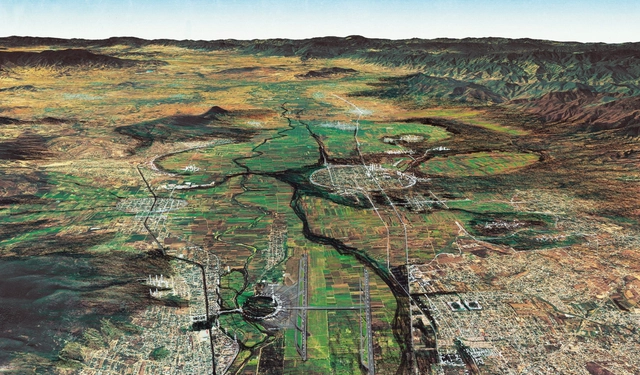
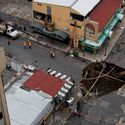
When looking at the population of the world's metropolises, in this case Mexico City, the reality is that the majority of the people living there have migrated from other regions of the country and, sometimes, from other countries as well. Of course, thanks to the Covid-19 pandemic, companies and schools have gone virtual, and, with their work and studies no longer tied to urban centers, people have left in masse for the coast and other less populated areas in search of space and lower living costs.
https://www.archdaily.com/956557/gentrification-and-dystopia-the-future-of-mexico-city-in-the-aftermath-of-the-covid-19-pandemicMónica Arellano
Has the Pandemic Changed the Experience of Encountering Art in Public?
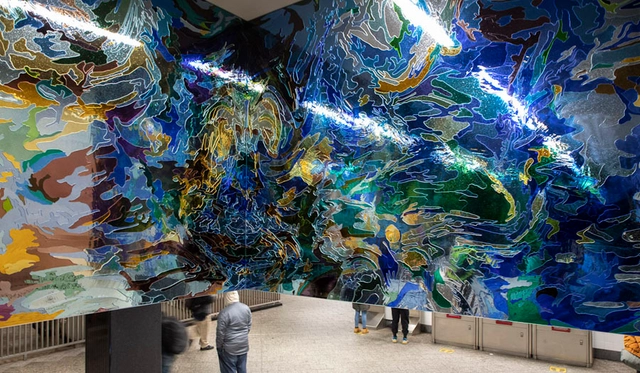
Public art is an innate cultural privilege for New Yorkers. Top-notch art can be found across the city’s boroughs everywhere from parks, squares, alleys, and rooftops—sometimes to the jaded disdain of passerby. While permanent staples, such as Robert Indiana’s Love on 6th Avenue or George Segal’s Gay Liberation at the Stonewall National Monument are ingrained in the urban texture, others are more ephemeral. Public art has the power to swiftly take over Instagram feeds but also has a history of sparking polarizing interpretations at town hall hearings.
https://www.archdaily.com/956185/has-the-pandemic-changed-the-experience-of-encountering-art-in-publicOsman Can Yerebakan
COVID-19 Contributed to Sharp Decline in Completed Skyscrapers in 2020
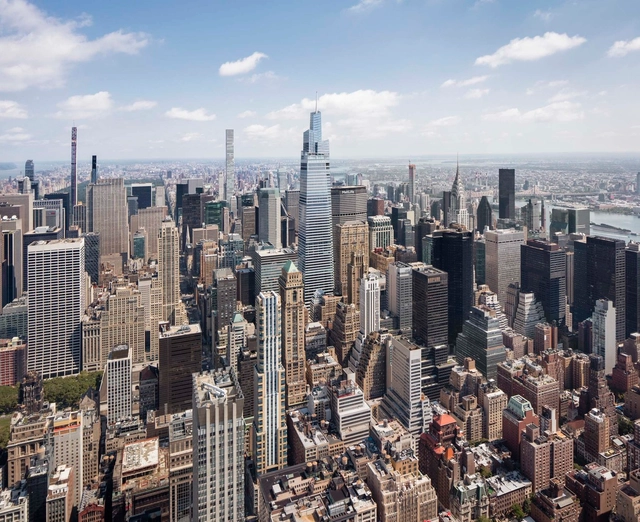
It’s a given that the coronavirus pandemic has had wide-ranging impacts on construction projects large and small over the past 10 months. So, what about the construction of new buildings that share the defining characteristic of being superlatively tall?
As detailed in an annual report published earlier this month by the Chicago-headquartered Council on Tall Buildings and Urban Habitat (CTBUH), newly completed skyscrapers experienced a global decline of 20 percent in 2020 compared to the previous year due, both directly and indirectly, to the COVID-19 crisis.
https://www.archdaily.com/955753/covid-19-contributed-to-sharp-decline-in-completed-skyscrapers-in-2020Matt Hickman
OMA's New Film Explores the Hospital of the Future
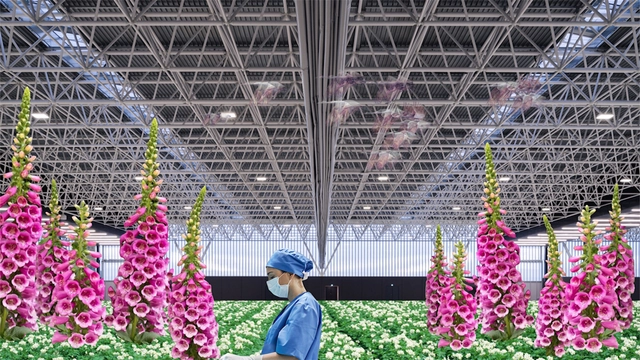
A new film by OMA / Reinier de Graaf titled “The Hospital of the Future” has been released as a part of the exhibition, Twelve Cautionary Urban Tales at Matadero Madrid Centre for Contemporary Creation. Dubbed a “visual manifesto”, the 12-minute short film questions the long-standing conventions in the field of healthcare architecture in terms of the methodology behind how hospitals are built and also why they are built in certain ways. Through an exploration of the role that disease has played in shaping cities, the film offers a lens into the future of what we might expect for healthcare design, especially as we emerge from the COVID-19 pandemic.
https://www.archdaily.com/955116/omas-new-film-explores-the-hospital-of-the-futureKaley Overstreet
Are Suburbs the New Cities? Exploring the Future of Suburban Development in the United States
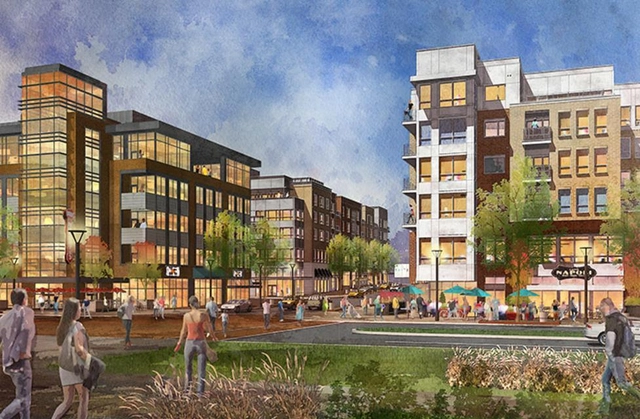
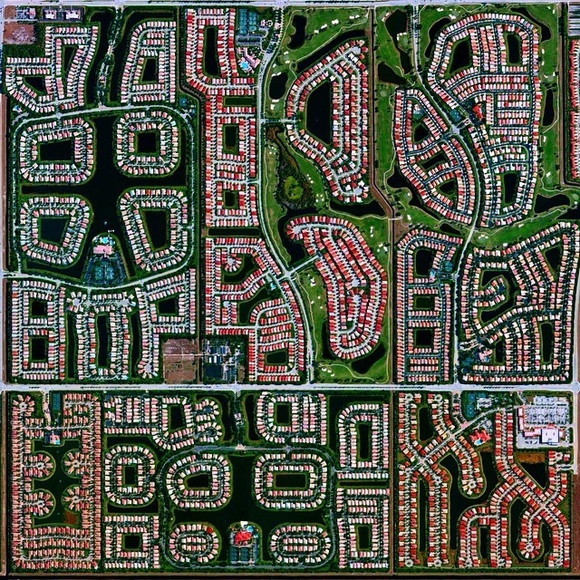
Suburbs as we know them are changing forever. Partially exacerbated by the effects of the pandemic, residents are leaving cities in droves in search of more favorable living conditions where more space, privacy, and affordability offers what some consider to be a more comfortable lifestyle. But as time goes on, and development sprawls, it’s harder to tell where cities end and suburbs begin.
https://www.archdaily.com/954611/are-suburbs-the-new-cities-exploring-the-future-of-suburban-developmentKaley Overstreet
Melbourne’s NGV Triennial Ponders the Distant Past and a Post-Pandemic Future
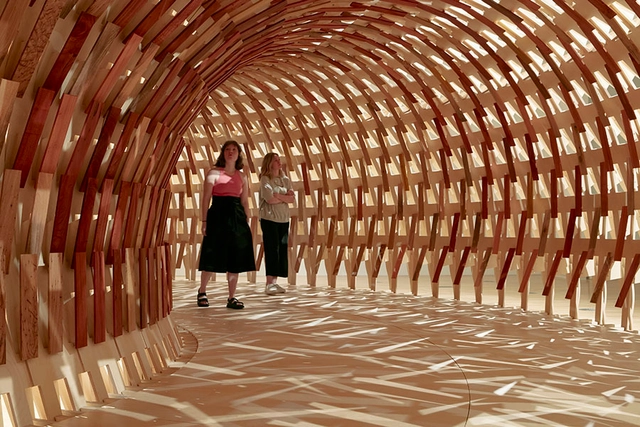
What might be called the Art Fair Industrial Complex has been an ambivalent force on both art markets and art itself in recent years: in one view, fairs offer their attendees chances to see international work they wouldn’t otherwise have access to; in another, the vast mall of it all dulls context into commerce.
https://www.archdaily.com/954585/melbournes-ngv-triennial-ponders-the-distant-past-and-a-post-pandemic-futureJesse Dorris
2020: The End of the 20th Century in Architecture
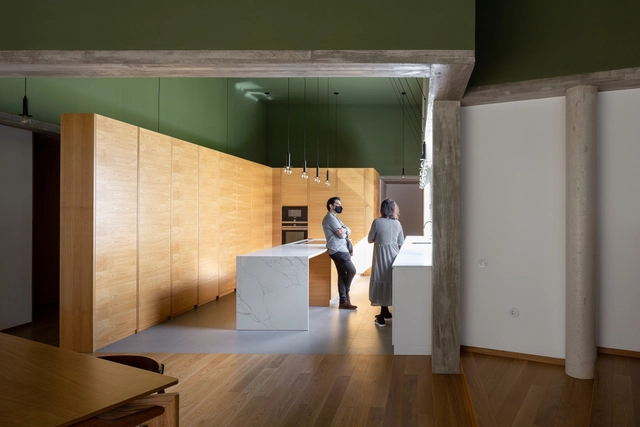
Every December talking heads (or screens) trumpet “Everything Has Changed”. But this year it is true. Imminent inoculations may bring back human contact, but the Coronavirus Year has changed us.
I think 2020 ended the 20th Century in architecture. Architecture never leads in pivotal periods. Modernism was birthed by a Western World leaving monarchies and diving into the Industrial Revolution: it caused neither.
https://www.archdaily.com/954210/2020-the-end-of-the-20th-century-in-architectureDuo Dickinson