New Architecture by Kennedy Nolan. Image Courtesy of Finding Infinity
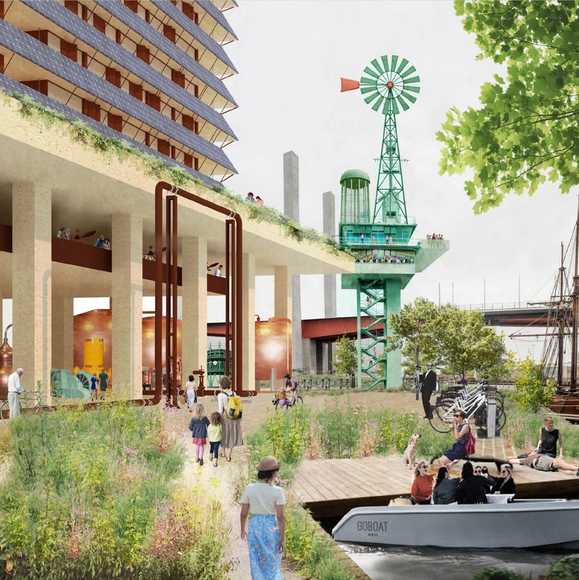
Australian research lab Finding Infinity has collaborated with architects, councils and investors to create a strategy that would turn Melbourne into a self-sufficient city by 2030. Building on exemplary case studies and scientific research, the initiative proposes a 10 step plan for the city’s transition from a consumer of resources to a zero-carbon urban environment.
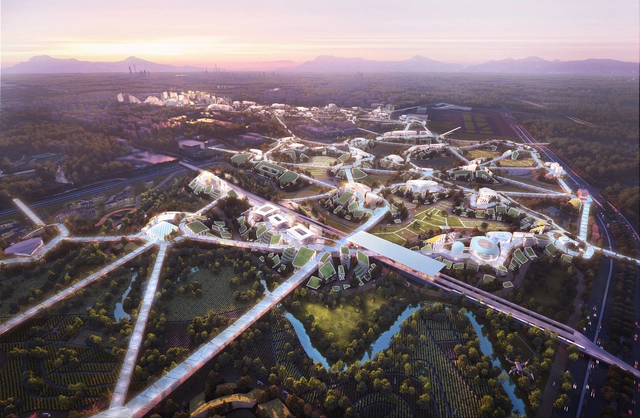
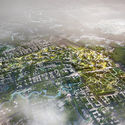
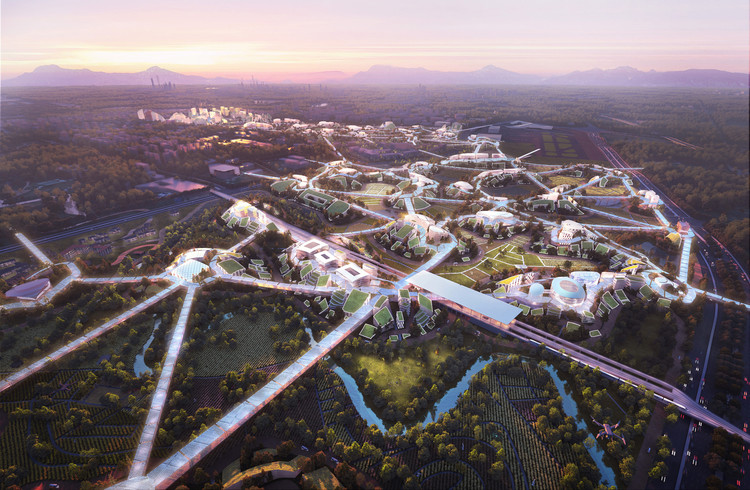
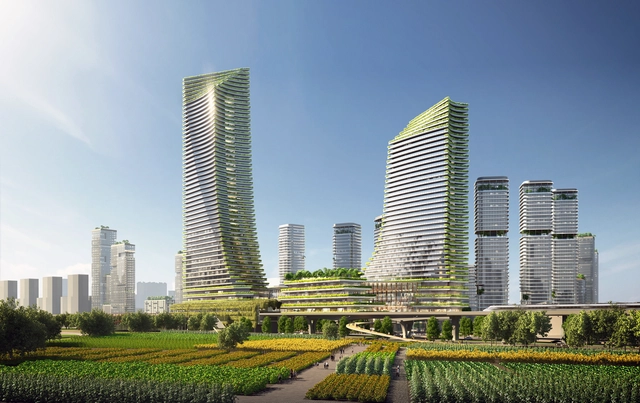
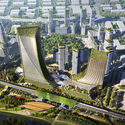
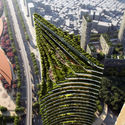
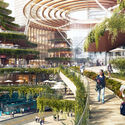
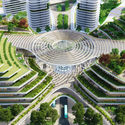
MVRDV has revealed the first images of Chengdu Sky Valley, the firm’s competition entry for the Future Science and Technology City in Southwest China. Fusing technology with nature, urban with rural, and modernity with tradition, the proposal introduces “a liveable city into the Linpan Landscape”. Located in one of China’s emerging cities, the project balances the competing needs of the area, through a computational workflow developed by in-house tech taskforce MVRDV NEXT.
Establishing strong connections between urban and nature, tradition and innovation, and economy and culture, SOM has designed a master plan for the Central Area of Guangming District, Shenzhen, China. A new benchmark of ecologically integrated development, the project will lead the next generation of urban growth in the Greater Bay Area.
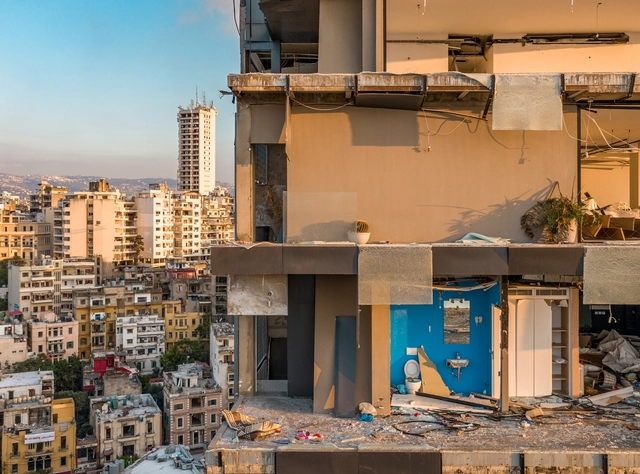
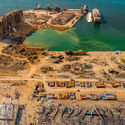
It only took a couple of seconds to destroy 40% of the city of Beirut on August 4th, 2020. A couple of trivial seconds were enough to determine the fate of the urban and social fabric of the Lebanese capital and its architectural heritage. Years and years of accumulated cultural assets fell instantly in distress, causing more harm than the infamous 15-year civil war. These seconds have erased the past, present, and destroyed future aspirations.
Hit right in its rich cultural center, the blast of the port shook the northeastern side of the Lebanese capital, leaving the neighborhoods of Mdawar, Rmeil, Gemmayze, Achrafieh, Mar Mkhayel, Karantina, and Geitawi, severely hurt. According to the UN Development Programme (UNDP), 200,000 housing units were affected by the explosions, with an estimated 40,000 buildings damaged, of which 3,000 were severely damaged.
As the world is slowly reopening, easing lockdown measures, everyone is adapting to new realities. Imposing drastic adjustments to our lives, the coronavirus has introduced a new “normal”, changing our perceptions and altering our priorities. Driven towards questioning and evaluating our environment, we are constantly reacting and anticipating a relatively unknown future.
A casual conversation between two editors at ArchDaily generated this collaborative piece that seeks to investigate the current trends, predict the future, and offer insights to everyone/everything related to the architectural field. Tackling the evolution of the profession, the firms, and the individuals, especially young adults and students, this article, produced by Christele Harrouk and Eric Baldwin, aims to reveal what is happening in the architecture scene.
Videos
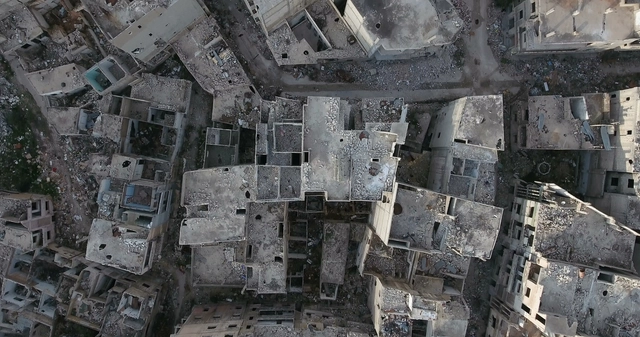
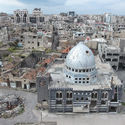
the city of Homs in Syria. Image via Shutterstock/ By Fly_and_Dive
In a world devastated by war and destruction, new ideas for future reconstruction of cities are emerging. The latest technologies are creating opportunities to shape better built environments and better urban experiences. While the world has had its fair share of failed attempts of post-war reconstruction, the 21st century is promising concepts more in touch with culture, integration, and sustainability.
As we all know, technology is the game-changer of this century. It has ultimately modified how we design and build, and with the development of Artificial Intelligence, boundaries have been pushed furthermore. Able to transform the environment we live in, AI can also help shape a better version of the environment we have lost.
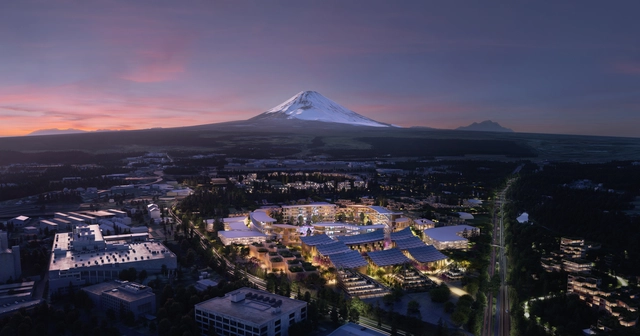
BIG unveiled its latest intervention, the Toyota Woven City, the company's first venture in Japan. Nestled at the foothills of Mt. Fuji, the project, in collaboration with Toyota Motor Corporation, is the world’s first urban incubator pushing forward the development and progress of mobility.
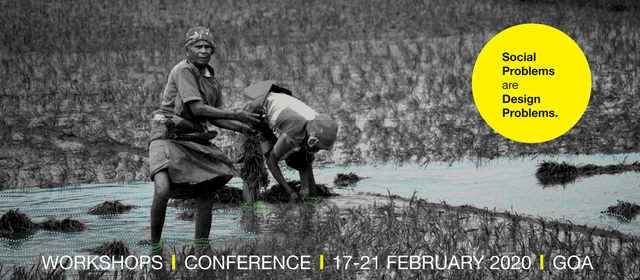
A five-day national festival to seed, incubate and showcase socio-environment design successes. Workshops are three-day hackathons that address design issues in the social realm. Conference as a forum to understand how design can bridge the deficit in the public domain.
AFFR (Architecture Film Festival Rotterdam) is the world’s biggest international platform for films about the city and architecture. In this eleventh edition, the festival is once again programming a stunning selection of works about current themes related to society and the city. Broader and more topical than ever, the programme includes world premieres and films never previously screened in the Netherlands.
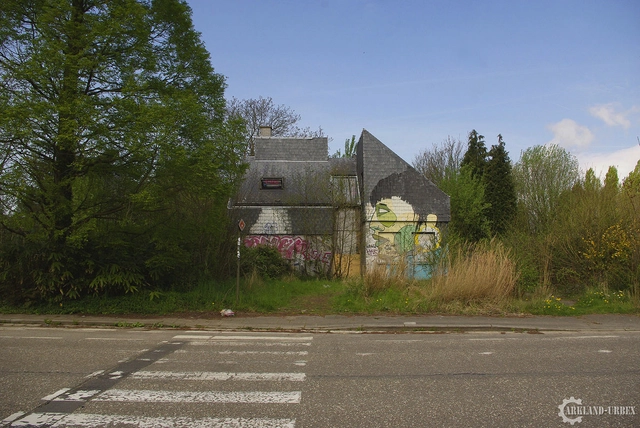
Street art has long surpassed mere trend to become an integral part of cities' cultural identities. What was once considered vandalism is now not only accepted but encouraged. The works of once-prosecuted artists such as Banksy and Shepard Fairey are now collector's items; murals can cost anywhere from $1,000 to $20,000 or more. Through their works, artists may even have the power to save cities.
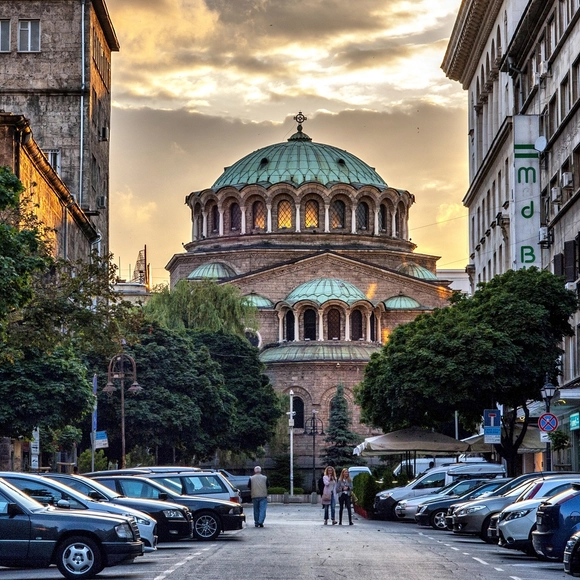
Sofia Municipality announces an open competition for the restoration, renovation and construction of Sveta Nedelya Square and its adjacent public spaces, aiming to create a network of public spaces while preserving their identity.
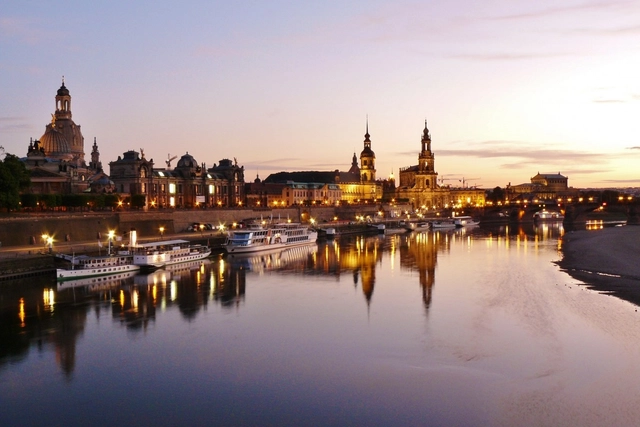
Every city has a story. Throughout history, many natural and man-made changes have altered the way cities were originally laid out. For some, the urban form developed as a result of political disputes, religious separations, or class divides. For others, a more mixed approach has allowed for uniquely mixed cultural atmospheres. And while development of cities is typically slow, occasionally cities experience dramatic and immediate changes to the urban fabric - the results of natural disaster, military conflict, or industrial catastrophe.
What happens next - if anything - can reveal a great deal about not just the city itself, but the local culture. Do cities rebuild exactly as they were? Or do they use disaster as an opportunity to reinvent themselves? The following is a roundup of cities that have moved past catastrophe to be reborn from the ashes.
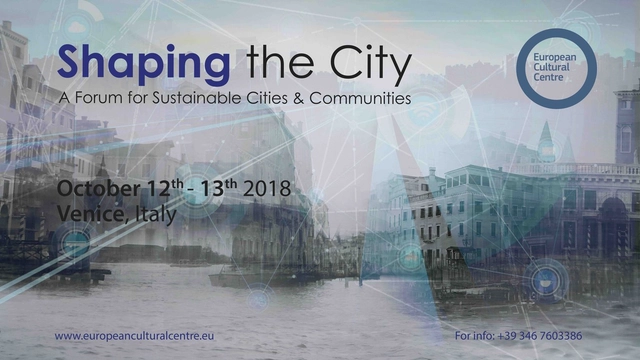
The European Cultural Centre for the Exhibition “Time-Space-Existence” in context of the 16th Venice Architecture Biennale is organizing its first conference under the title of: “ Shaping the City : A Forum for Sustainable Cities and Communities”. It includes all participating architectural schools and universities from across the globe in TSE 2018 along with other international institutions and architecture studios.
You can’t define modern civilization without mentioning its cities. These urban settlements vary in culture, size and specialty, with certain areas becoming more significant throughout the development of a region. Historically, the size or population of a settlement was a general indicator of its importance—the bigger city, the more power it yields—however, with the large rural-to-urban migration of the last century, it has become harder to define what makes a city important. There are many types of urban landscapes, and for architects and planners it is vital to efficiently categorize settlement types in order to successfully develop designs and city plans. The following list provides four key definitions that have emerged in the last century.
Getting around a city of millions is a miracle of design, engineering and cooperation. In conversation, on foot, by bus, train, bike and ferry, Van Alen’s weeklong Spring Festival this June invites participants to experience and consider the present and future of urban mobility.
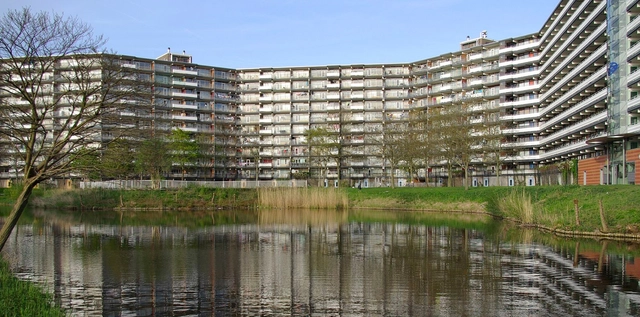
How can we plan a better city? The answer has confounded architects and urban planners since the birth of the industrial city. One attempt at answering came in the form of a spectacular modernist proposal outside of Amsterdam called the Bijlmermeer. And, as a new two-part episode by 99% Invisible reveals, it failed miserably. But, like all histories, the story is not as simple as it first appears.
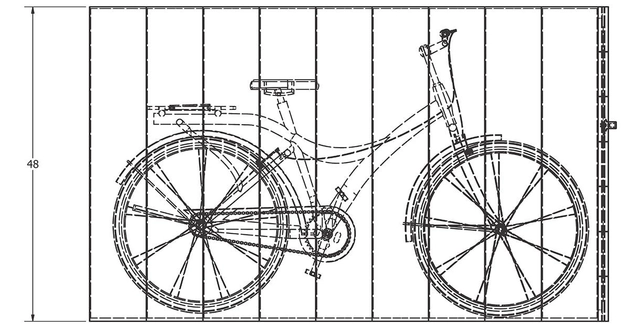
Designing public spaces without considering the circulation and parking of bicycles is no longer an option in today's world. Accessibility for the free traffic of cyclists must also be accompanied by adequate security conditions, incorporating these devices in the best possible way to parks, sidewalks, parking lots, and the streetscape as a whole.
Are you designing an urban space, or do the exteriors of your project require a correct link with the circulation of bicycles? Check these support elements that can help you to generate a better city for the urban commuter on wheels.
https://www.archdaily.com/887343/urban-equipment-for-public-spaces-helps-to-build-a-bike-friendly-cityAD Editorial Team
An integral and substantial component of TAW 2018, the International Scientific Conference aims at exploring contemporary research activities and design tactics that deal with the topic of co-habitation from different perspectives and within different fields of interest, directly or indirectly related to architecture, city, and landscape. Through the observation of different tactics adopted by researchers and professionals, the hope is to identify new research and design trajectories.


















.jpg?1529231453 "© <a href='https://commons.wikimedia.org/wiki/File:Lujiazui,_Pudong,_Shanghai,_China_-_panoramio_(11).jpg'>Haluk Comertel</a> licensed under <a href='https://creativecommons.org/licenses/by/3.0/deed.en'>CC BY 3.0</a>")