

-
Architects: IT'S Informov
- Area: 925 m²
- Year: 2020
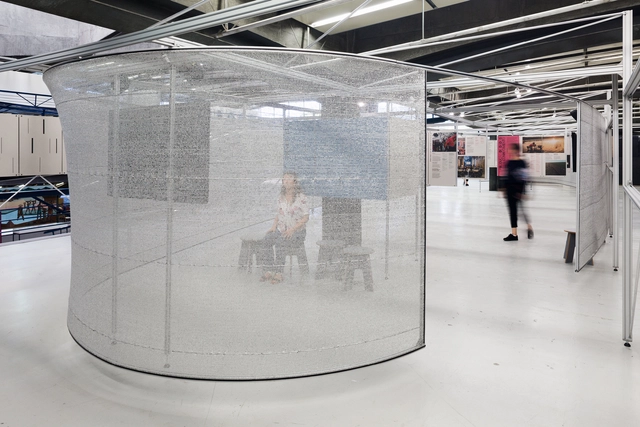
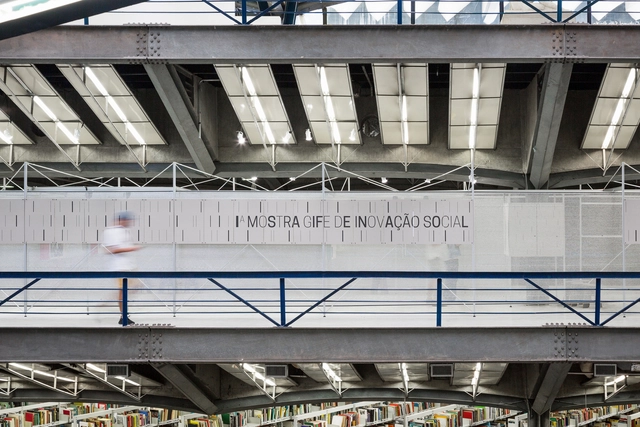
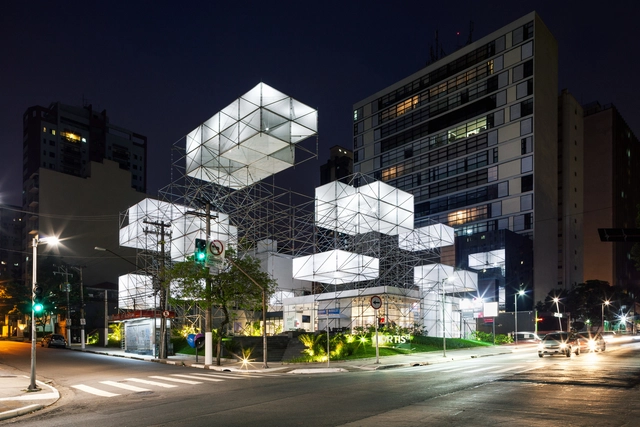
The Gife Pavilion was designed as an exhibition display for the Gife Exhibition, on view at CCSP in September of this year. Beyond its installation at the Cultural Center, the solution had to accommodate a traveling setup in different configurations that could adapt to new venues, which were still undecided at the time of the design. At the same time, it needed to be well integrated into the context of CCSP.

Have you ever been stuck for hours obsessing over a font that matched your work? Before starting a project, do you already think about which font you will use? Do you get annoyed when you read an important message written in Comic Sans? Or do you feel offended when a mundane sentence is written in all caps? Rest assured, you are not alone.
Architects and designers constantly use graphic elements as expressive means in the schematization of their works. Among them, the most common are the drawings, in a constant variety of techniques, styles, and patterns. But among the elements that make up the boards, panels and drawings, techniques and models, there is a particular fragment that helps them in composition and identity: the font.
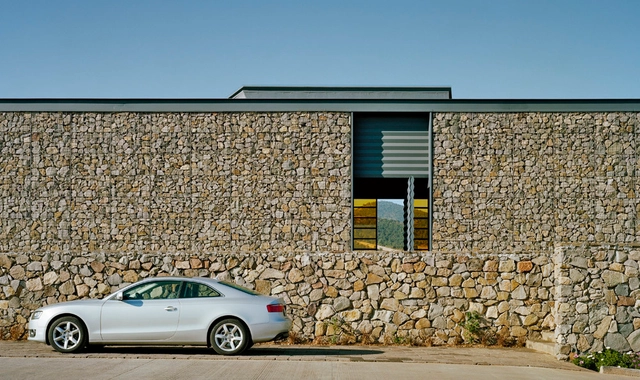
Widely used in infrastructure, gabion walls are structures made of mesh metal cages filled with stones. These permeable walls use galvanized steel wire to withstand outdoor conditions.
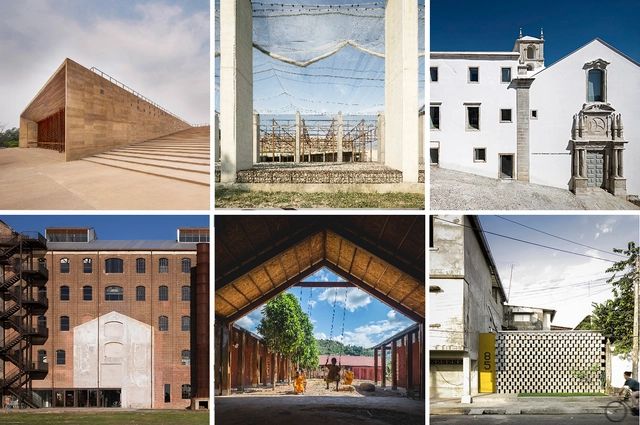
In Asunción (Paraguay), the XI Ibero-American Architecture and Urbanism Biennial (XI BIAU) have presented the winners of the Panorama de Obras section (Projects Panorama) of this contest edition, "all faithful to the spirit of the XI BIAU: living, the inhabitant," according to the organization.
Among 997 proposed works throughout Latin America, 17 architectural works —predominantly public projects— built in Argentina, Brazil, Chile, Ecuador, Spain, Mexico, Paraguay, Peru, Portugal, Uruguay and Venezuela are the winners of the XI BIAU.
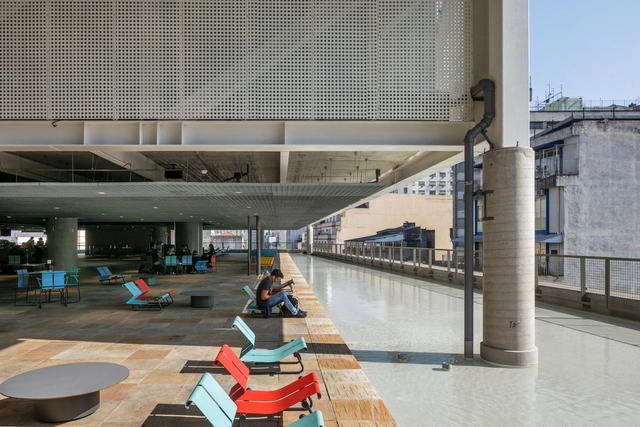
In Asunção, Paraguay, the XI Ibero-American Biennial of Architecture and Urbanism announced today the winners of the Panorama of Works section for this edition of the event, "all faithful to the spirit of the XI BIAU: inhabiting, the inhabitant," according to the organizers.
Out of 997 projects in Latin America, 17 architectural works—predominantly for collective use—built in Argentina, Brazil, Chile, Ecuador, Spain, Mexico, Paraguay, Peru, Portugal, Uruguay, and Venezuela were awarded.
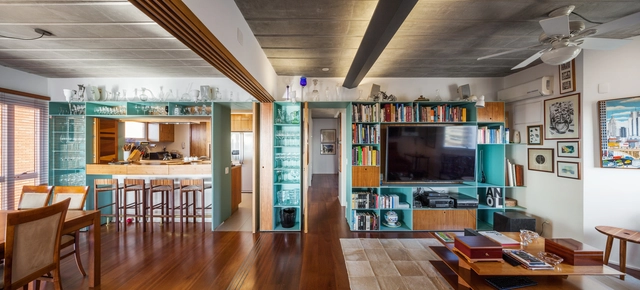
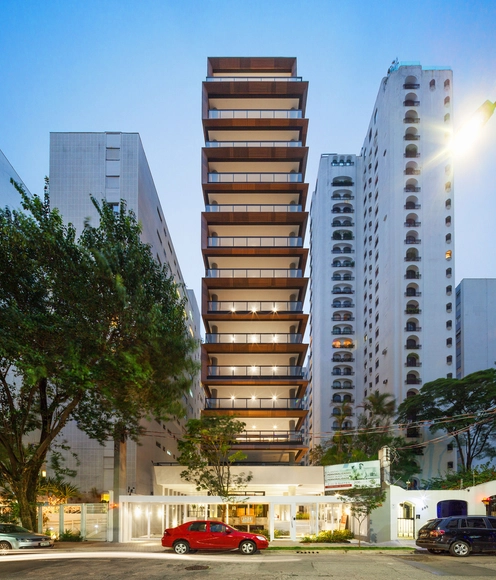
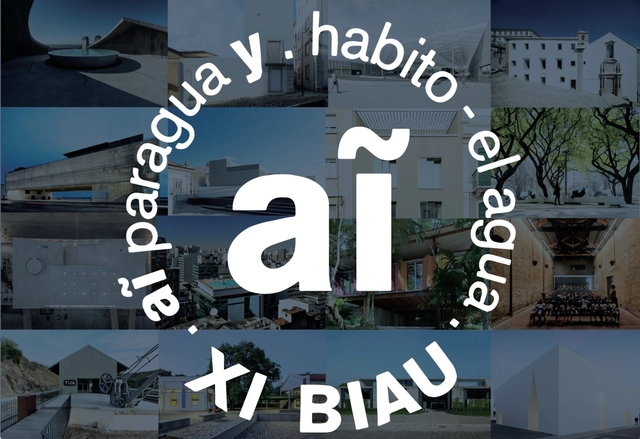
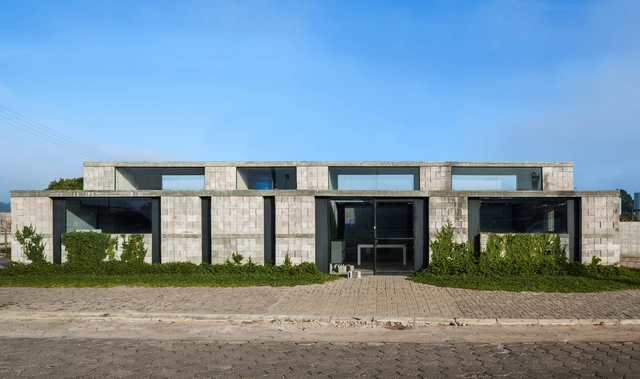
The XI Ibero-American Biennial of Architecture and Urbanism, which will take place in Paraguay, has just released the list of projects selected to participate in the exhibition. The selection was made by committees appointed by each country. In Brazil, those responsible are: UNA Arquitetos (curators), Carlos Eduardo Comas, Fernando Luiz Lara, Guilah Naslavsky, Guilherme Wisnik, Luciano Margotto, Naia Alban, Otávio Leonídio, and Paulo Henrique Paranhos. In Portugal, the selection was overseen by: Paulo David (curator), Ana Pedro Ferreira, and Pedro Maria Ribeiro. See the complete list of selected projects below.
In many parts of the world, more women have architectural degrees than men. However, this fact hasn’t translated past university into the working world as women continue to be underrepresented across nearly all levels of practice.
The conversation regarding women in architecture gained tremendous traction back in 2013 with the petition for Denise Scott Brown to be recognized as the 1991 Pritzker Prize winner, alongside her husband and the consequent rejection of that request by Pritzker. The Architectural Review and Architect's Journal have, since 2015, jointly presented awards to the exceptional female practitioners as part of their Women in Architecture Awards program. The swelling of these movements have helped to promote not only the role but also the recognition of women in architecture.
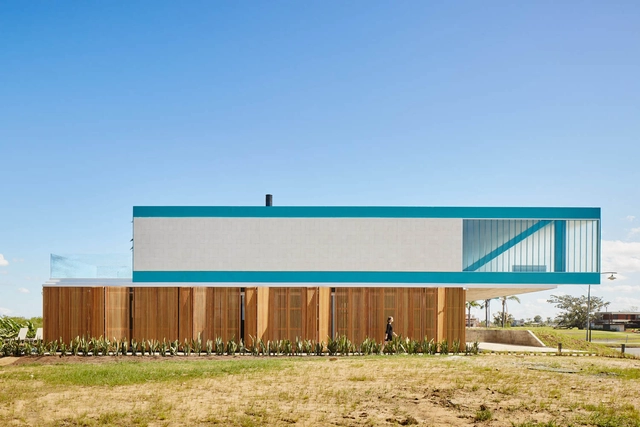
Metallic elements have been used in architecture and civil construction for hundreds of years, either as decorative elements, coverings or even to reinforce masonry structures. However, it is only in the second half of the eighteenth century that the first bridges emerge whose structure was entirely made of cast iron. A century later, iron was replaced by a more resistant and malleable alloy, still used today in architecture: steel.
Denser than concrete, the strength of steel subverts its weight and provides greater stiffness with less material - allowing for lighter and thinner structures than those made from other materials, such as wood or concrete. It is by no means the most used material in residential architecture, however, its use has made it possible to construct some interesting - and beautiful - examples of contemporary houses:
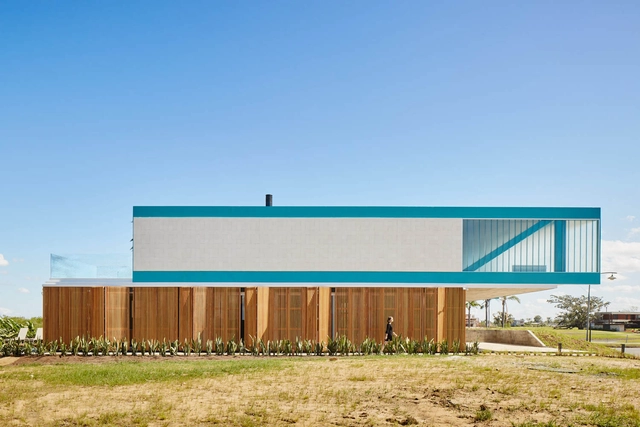
Metallic elements have been used in architecture and civil construction for hundreds of years, either as decorative elements, coverings or even to reinforce masonry structures. However, it is only in the second half of the eighteenth century that the first bridges emerged whose structure was made entirely of cast iron. A century later, iron was replaced by a more resistant and malleable alloy, still used today in architecture: steel.
Denser than concrete, the strength of steel subverts its weight and provides greater stiffness with less material - allowing for lighter and thinner structures than those made from other materials, such as wood or concrete. It is by no means the most used material in residential architecture, however, its use has made it possible to construct some interesting - and beautiful - examples of contemporary houses:
_sel.jpg?1535455639&format=webp&width=640&height=580)






.jpg?1535455936&format=webp&width=230&height=230&crop=true)
_sel.jpg?1535455760&format=webp&width=230&height=230&crop=true)
.jpg?1535455904&format=webp&width=230&height=230&crop=true)
_sel_-_destaque.jpg?1535455603&format=webp&width=230&height=230&crop=true)
_sel.jpg?1535455639)


