

-
Architects: Estudio Atemporal
- Area: 250 m²
- Year: 2021
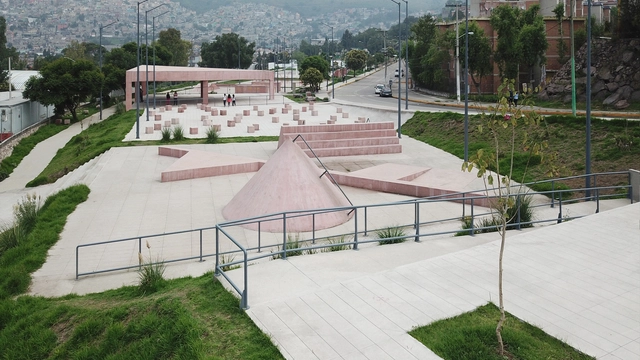
There are several reasons why the Estado de Mexico (a state, not the country) is important not only at the national level but also because of its intrinsic relationship with Mexico City since 59 of its municipalities are considered part of the Metropolitan Area of the Valley of Mexico. In this area, there are a large number of industrial plants. In addition, it houses some of the most visited archaeological sites such as Teotihuacán, Tetzuco, Azcapotzalco, Chalco, and Amaquemecan.
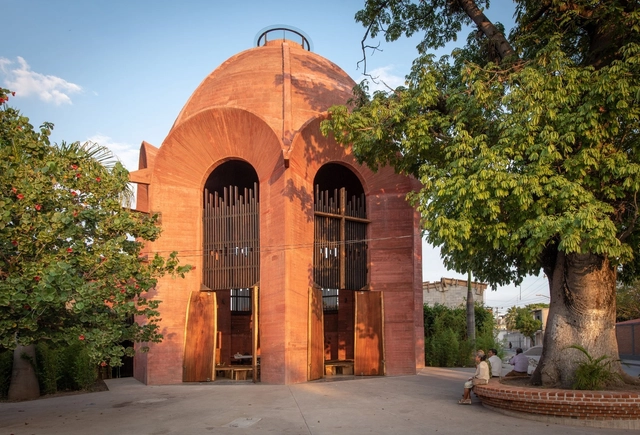
Morelos is a state nestled in the south-central region of Mexico, surrounded by the states of Puebla, Guerrero, Estado de México, and Mexico City. With just over 4,893 km² of territory, it's Mexico's second smallest state. It's capital and largest city is Cuernavaca.
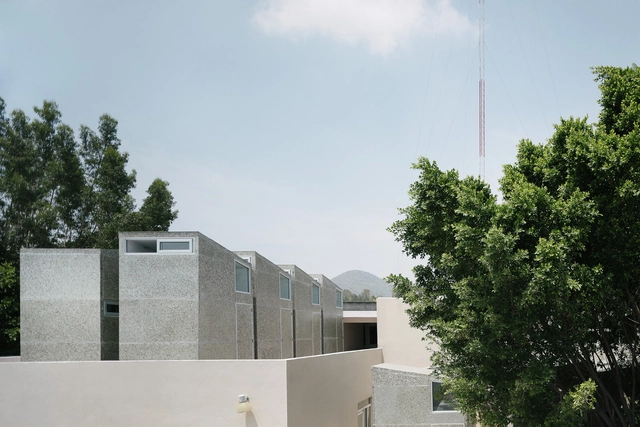
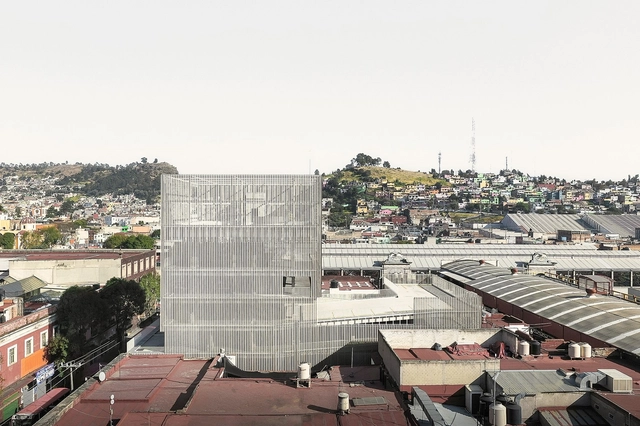
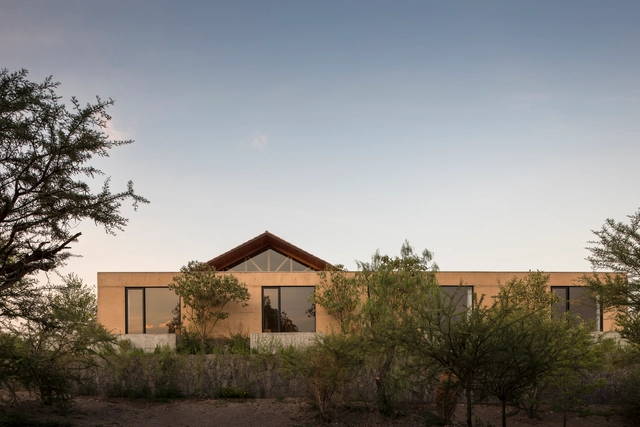

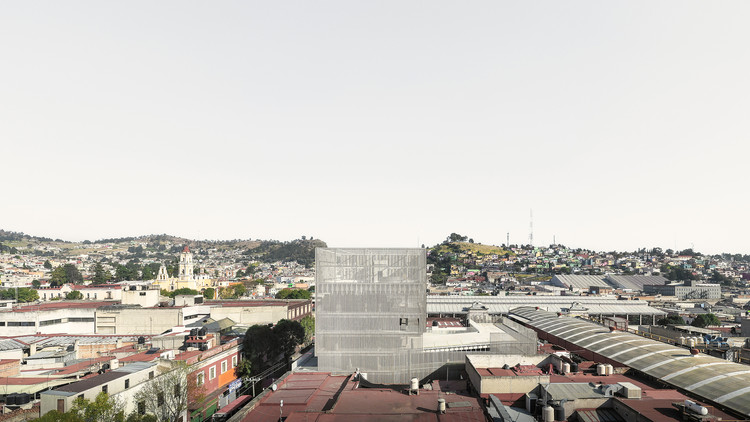
FRPO, the Madrid-based international architecture studio, presents its new mixed-use infrastructure project for the city of Toluca de Lerdo, capital of the State of Mexico. Located at the northern end of Juárez Avenue—which connects the historic district with the university area—the building aims to consolidate the scattered activity around this zone to create a new cultural, economic, and social hub at both the local and metropolitan levels.
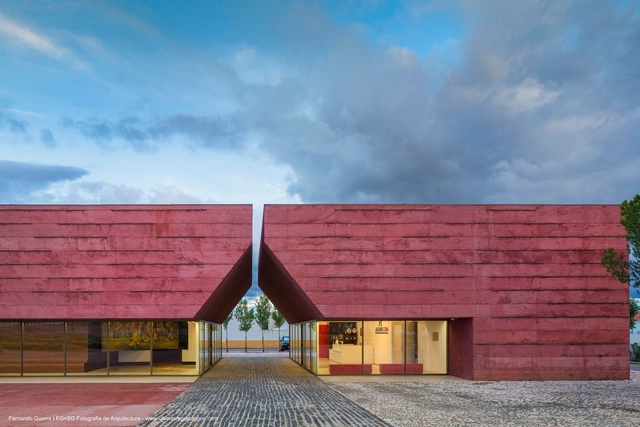
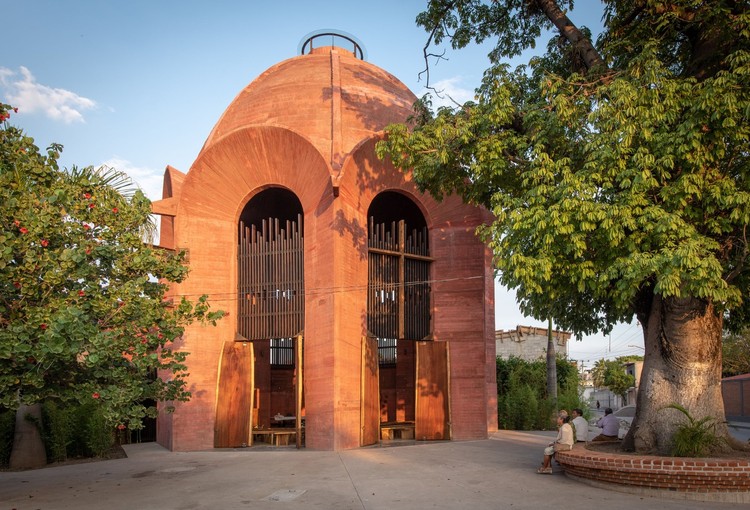
When we think of concrete, the color gray generally comes to mind. The traditional mixture of concrete, which comprises cement, gravel, sand, and water may vary in color depending on elements and admixtures but naturally varies from light to dark gray. However, compounds that add pigment to the mixture are becoming increasingly prevalent and popular, as they infuse the concrete with hues more stable than paint. These shades result from the addition of oxides: yellow, red and their derivations (eg. brown) are obtained with the addition of iron oxide; chromium and cobalt oxide create the greens and blues, respectively. For black concrete, it is common to use black iron oxide and carbon oxide combined with pozzolanic cement.
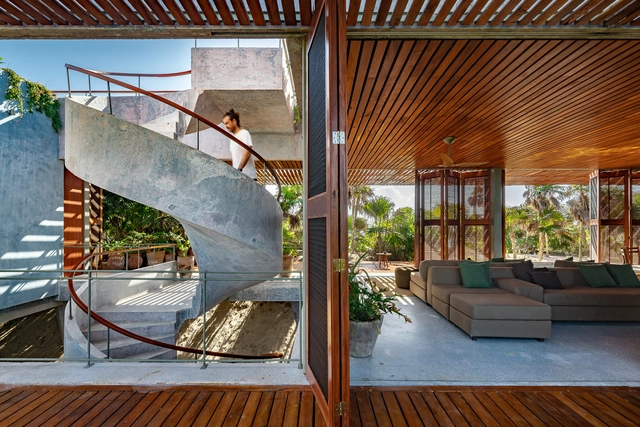
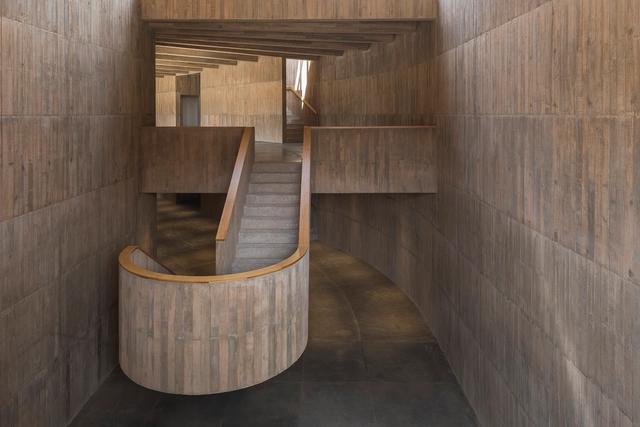
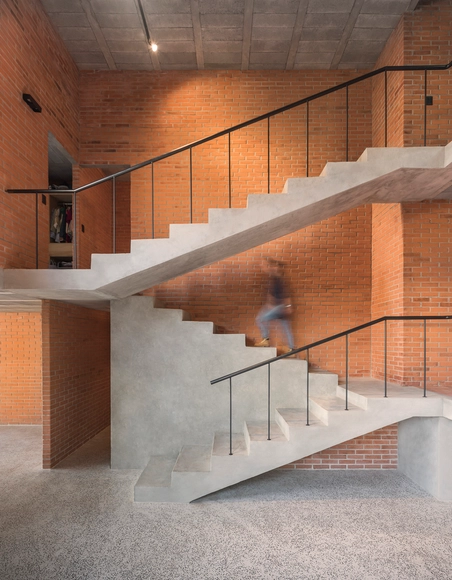
Stairways are central to access and mobility within a space, and yet, they often take a backseat to other elements of design within a work of architecture. However, Mexican firm PRODUCTORA has put them at the forefront of many of their projects, notably the Teopanzolco Cultural Center.
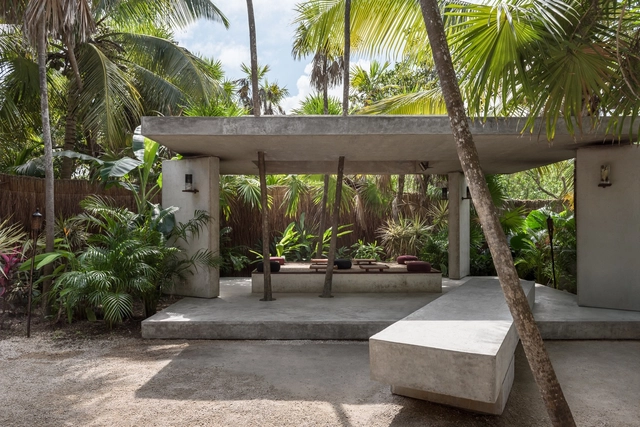
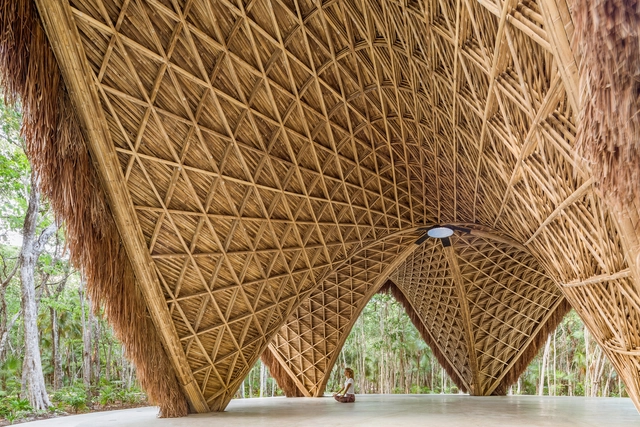
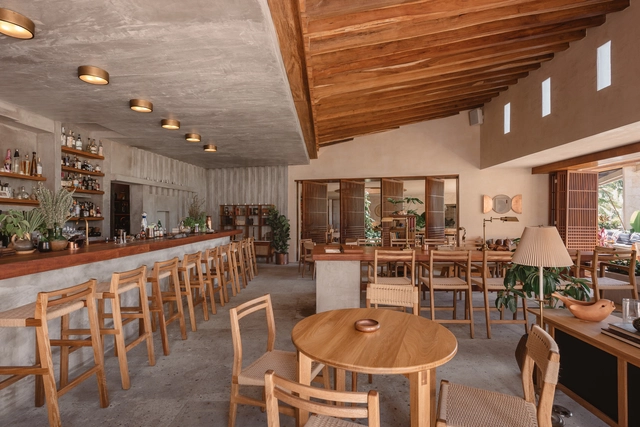
Tulum is a region located in southeastern Mexico, within the geographic boundaries of the state of Quintana Roo. Situated along the Caribbean coast, it forms part of the Riviera Maya. Historically, Tulum was a walled city, which is the origin of its name—meaning "wall" in Mayan, a term coined when the settlement was already in ruins.
.jpg?1597424114&format=webp&width=640&height=580)
The Mexican state of Oaxaca is one of the most visited destinations in the country, drawing travelers from around the globe with its rich culinary, cultural, and architectural heritage. Located in the southeastern region of the country, it spans 93,757 km² and is divided into 570 municipalities, making it the fifth-largest state in Mexico.
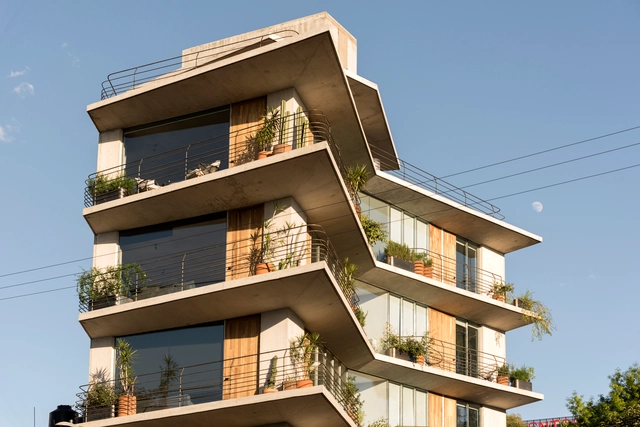
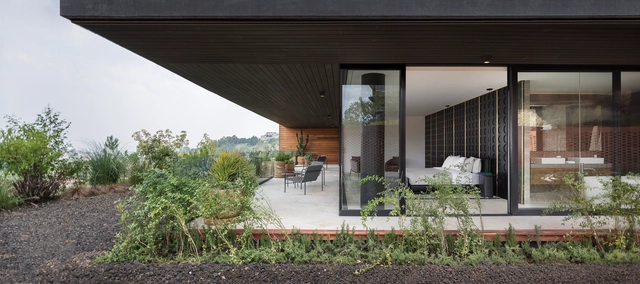
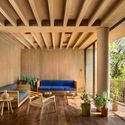
One of the most critical factors in architectural design is the site's specific climate. While this can present challenges in extreme conditions—requiring insulating materials to adapt to shifting environments—Mexico's privileged climate works in the architects' favor. It allows them to create microclimates and spaces that blur the boundary between indoors and outdoors.
PRODUCTORA is a Mexico City-based architecture studio founded by Abel Perles (1972, Argentina), Carlos Bedoya (1973, Mexico), Víctor Jaime (1978, Mexico), and Wonne Ickx (1974, Belgium). The firm is characterized by its emphasis on precise geometries in an effort to generate legible projects with clear gestures, as well as its pursuit of timeless material and spatial resolutions.
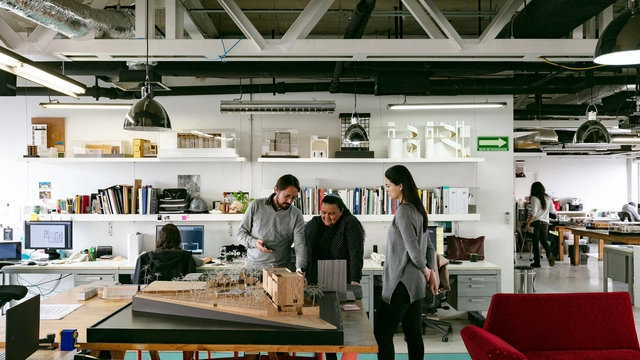
The National Social Distancing Campaign (Jornada de Sana Distancia) in Mexico began on March 23, 2020. However, a couple of weeks earlier, even despite the Federal Government's recommendation to continue activities as normal, social media was already filled with people choosing to replicate the European model and self-isolate. Immediately, some architecture practices decided to close their physical offices and transition to a remote work model, while others took several weeks longer. Yet, this period of social and physical (spatial) distancing is experienced differently in every household. In the months since this pandemic unfolded, it has laid bare not only the inequality in basic needs within dense urban areas but also the fragility of the social order itself. Whether at a macro or micro scale, all these experiences occur within and are influenced by the built environment, making architecture both judge and jury in this equation.






_copy.jpg?1596150637&format=webp&width=230&height=230&crop=true)


.jpg?1597424114)
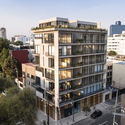
.jpg?1594917129 "MO47 Building / ZD+A. Image © Jaime Navarro")