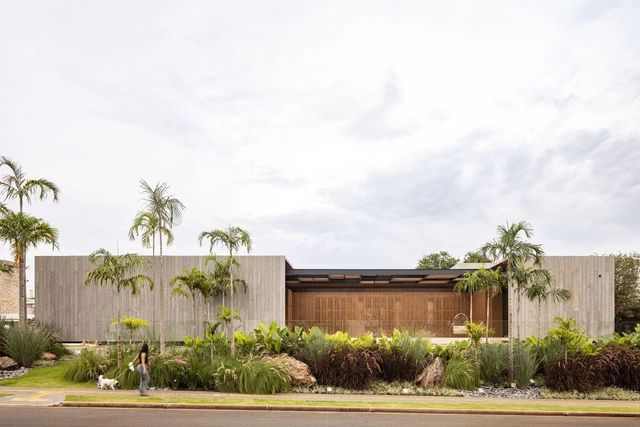


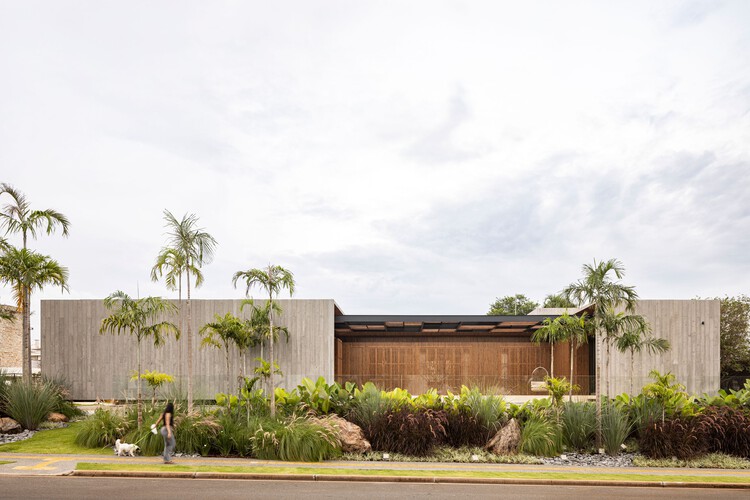
-
Architects: Leo Romano
- Year: 2024
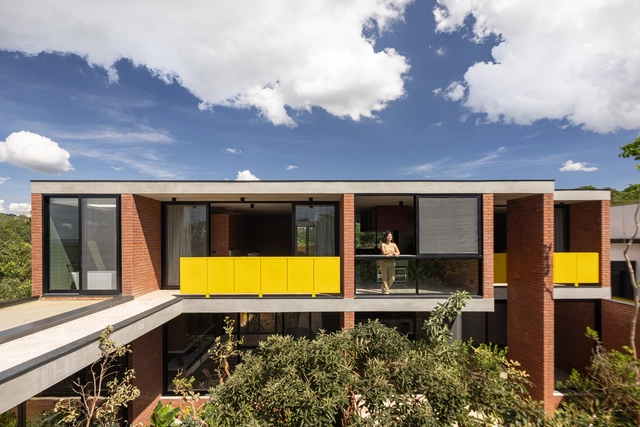
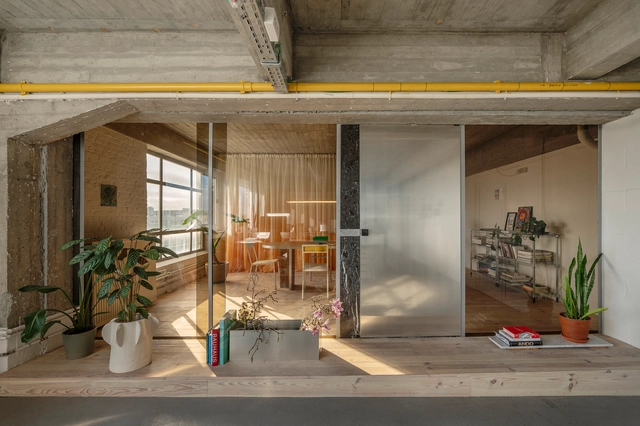
The choice of door types plays a crucial role in defining the spatial experience and atmosphere of architecture. Beyond material or style, the way a door is detailed—its movement, weight, and method of operation—can drastically influence how a space is perceived and navigated. However, what truly enables the functionality of different door types is the often-overlooked element of door hardware. Even within the same door type, the selection of hinges, tracks, pivots, and handles can significantly affect how users interact with and interpret the space.
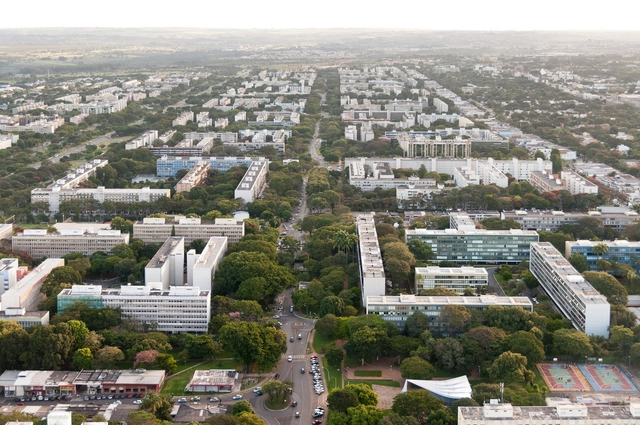
Through the post-war 20th century, the Global South saw much influence from foreign architects, often invited by local governments to bring their expertise and visionary thinking. Sought as a symbol of modernity, buildings designed by "starchitects" elevated the image of nations. Decades later, as local industries advance in capabilities, the desire for foreign talent continues to exist. Is this a natural result of globalization or is the continued presence of international architects in the Global South a persistent dependency?
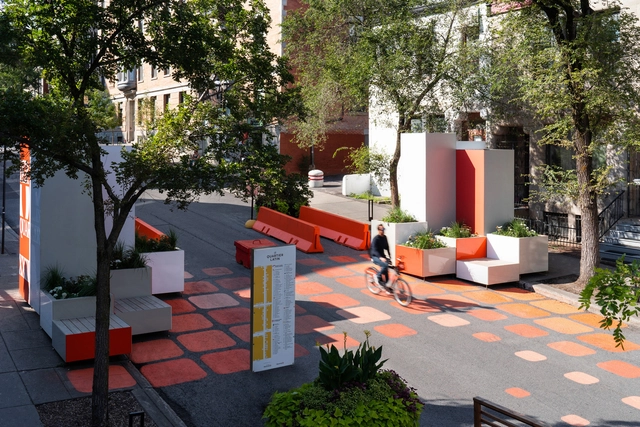
Design disciplines, like user experience (UX) design, have evolved to excel at devising experiences that make digital interfaces navigable. They accomplish this through a deep understanding of user needs and by mapping user journeys with meticulous attention to detail. The city represents a physical interface experienced by multiple users - residents, tourists, people of various ages and genders each experiencing it uniquely. In a time where digital interfaces are crafted for frictionless user experiences, why do many cities remain challenging to navigate?
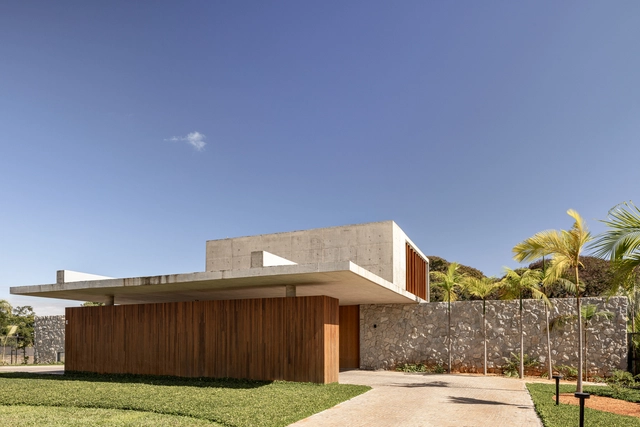
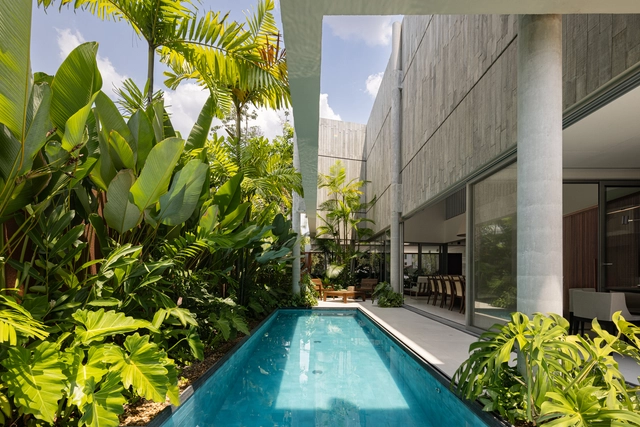
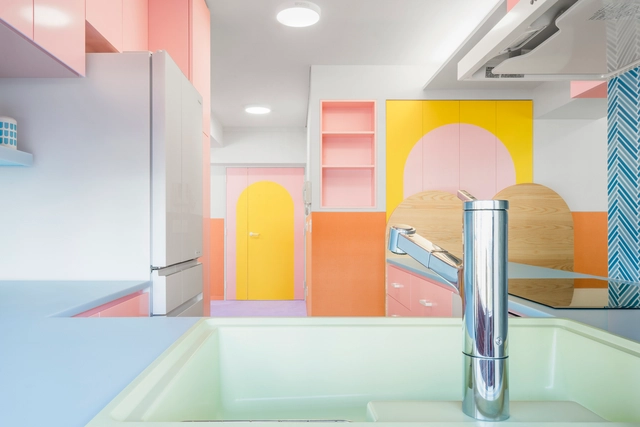
Urban apartments are frequently praised for their clever use of space, but what of their approach to color? Thoughtfully incorporating color is more than an aesthetic decision; it has the potential to shape emotional responses, influence mood, and create spatial illusions. Research in color psychology shows that colors affect our social, cultural, and psychological reactions, making them powerful design tools. Variations of blue, for instance, have been shown to slow melatonin production, keeping people more awake and alert, while shades of green relieve strain on our nervous systems, helping us feel calmer and more grounded. Color in architectural spaces can even alter our perception, creating illusions of depth, movement, and texture that influence how we experience space. Warmer hues like oranges and reds tend to make a room feel more intimate and cozy, while cool whites and blues lend a sense of openness, making spaces appear taller and more expansive.
Art and architecture go through a series of interpretive processes before their creation that involve recognizing a capacity for wonder, experimentation, communication, and imagination. Sharing sensitivities and creative quests, they can transform the experience of the world by responding to a collective set of ideas that, at times, design, paint, and write about themes related to the connection with nature, the role of society in the built environment, the sensations conveyed by spaces, and more.