Ethical practice spans all parts of architecture. From intersectionality and labor to the climate crisis, a designer must work with a range of conditions and contexts that inform the built environment and the process of its creation. Across cultures, policies and climates, architecture is as much functional and aesthetic as it is political, social, economic, and ecological. By addressing the ethics of practice, designers can reimagine the discipline's impact and who it serves.
2021 was the year of a new reality, with humankind adapting to what is known as the second year of the pandemic. While some countries witnessed a return to alternative normality, opening up to the world through travel and events, others stayed in lockdown, expanding furthermore the inequality gaps. Nevertheless, this year also brought a lot of hope in all aspects, raising questions and building solutions for the near future. With a major focus on climate urgency, biomedical research as well as notions of hybridity, 2021 has triggered new understandings of the environment that surrounds us and of our place in this world.
Highlighting contextual topics, bringing both a local and global perspective, while shedding light on overlooked historical narratives, ArchDaily's diverse team of editors has been front and center, reacting to everything that has been happening. Always seeking "to empower everyone who makes architecture happen to create a better quality of life", the editorial content, generated across all sites, in our 4 languages, English, Spanish, Portuguese, and Chinese, provided tools, inspiration, and knowledge to widen horizons and help our users build a better future.
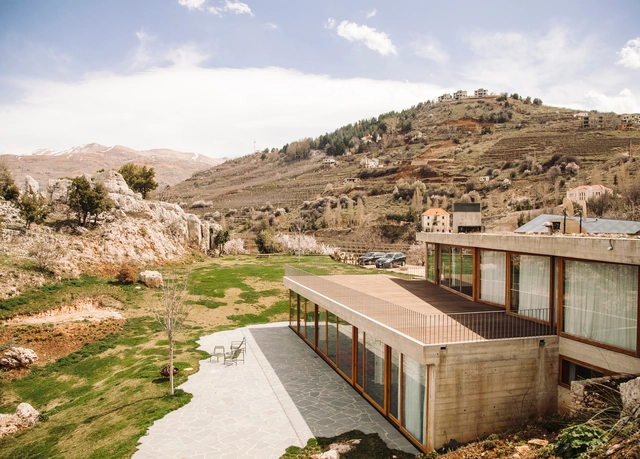
Lebanon is known for its millenary culture, and Lebanese architects are a part of it, using their projects to communicate with the environment and with the current challenges in architecture. To celebrate Lebanon’s Independence Day on 22 November, we have selected seven offices to learn more about contemporary Lebanese architecture.
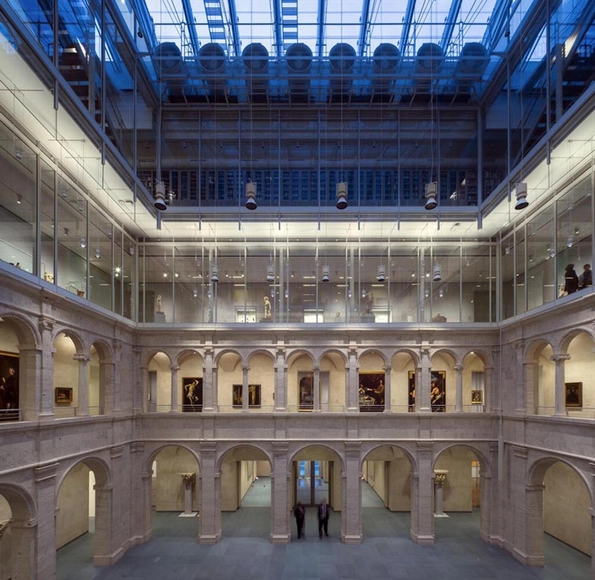
Responsible use and consumption of natural resources and the impacts of the building industry have been ongoing concerns in the field of architecture and urban planning. In the past, concepts such as clean slates, mass demolitions, and building brand new structures were widely accepted and encouraged. Nowadays, a transformation seems to be taking place, calling for new approaches such as recycling, adaptive reuse, and renovations, taking advantage of what is already there. This article explores a selection of projects and provides a glimpse into interventions by renowned architects in pre-existing buildings.
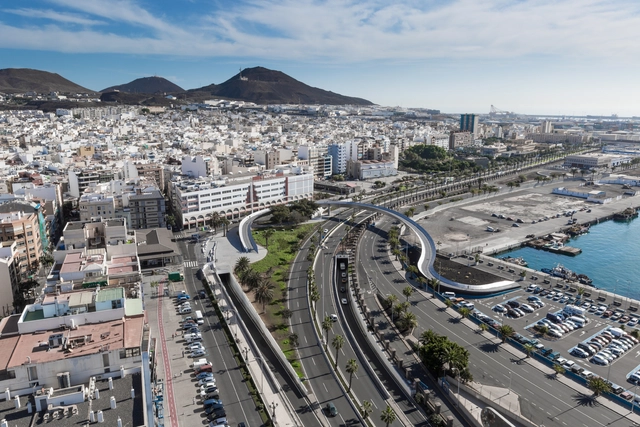
The technical needs of the construction of bridges many times guide the development of the design itself. However, architecture is never put aside, rather the opposite. The aesthetics of bridges that we collect in this article are the result of an intense, demanding, and stimulating dialogue between architecture and engineering, where the search for solutions only ends when both disciplines are fully satisfied.
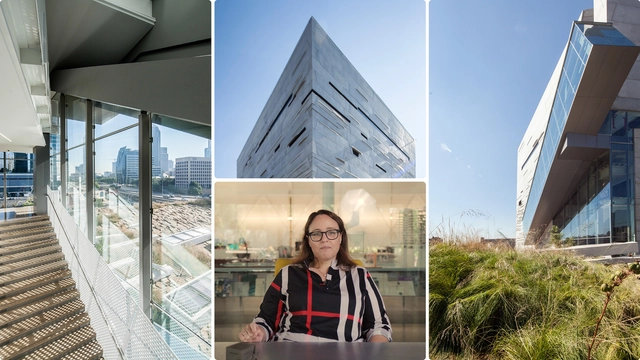
Morphosis has joined DesignClass, a growing collection of online classes featuring innovators from architecture, design, and creative leadership. Each class aims to build "curious and creative confidence" in future generations of creative professionals. Delving into design process, logic, and architecture, the new class focuses on how to translate ideas into dynamic architecture with one of the leading practices today.
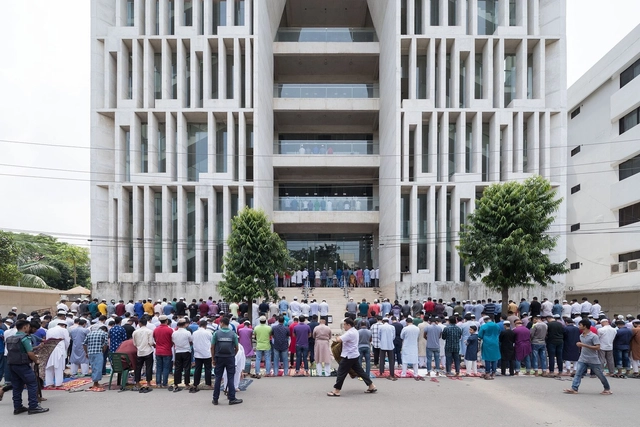
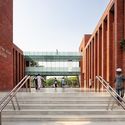
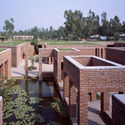
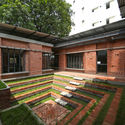
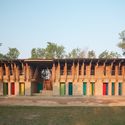
Bangladesh has built a new wave of cultural architecture over the last decade. Tied to design influences from across the Bengal region and the broader Indian subcontinent, the country's modern buildings stand alongside monuments dating back thousands of years. With an architecture rooted in religion, history and culture, contemporary projects build upon the past to imagine a new future for Bangladesh and its cities.
Artificial intelligence is transforming how we design and build. By 2050, the effects of AI adoption will be widely felt across all aspects of our daily lives. As the world faces a number of urgent and complex challenges, from the climate crisis to housing, AI has the potential to make the difference between a dystopian future and a livable one. By looking ahead, we're taking stock of what's happening, and in turn, imagining how AI can shape our lives for the better.
The Aga Khan Award for Architecture announced the Master Jury that will select the 2020-2022 cycle winners. The jury, among which are Anne Lacaton, Francis Kéré, Nader Tehrani, or Amale Andraos, will look for projects that respond to the cultural aspirations of their social context and show innovative use of local resources and building technologies. Founded in 1988 by Aga Khan IV, the award covering three-year cycles aims to highlight projects of relevance and positive impact for Islamic communities.
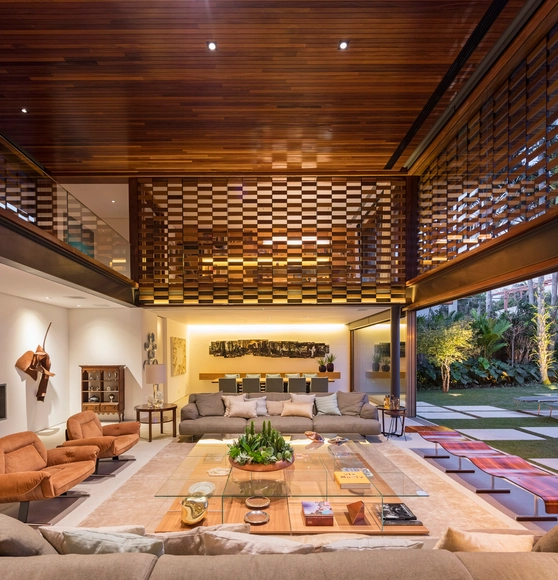
Residência GAF/Jacobsen Arquitetura. Image Cortesia de Jacobsen Arquitetura
When designing homes, architecture is constantly evolving and adapting to environmental conditions. Each climate has specific needs and requires different solutions in terms of comfort. Hot and humid environments require a very different design from cold and dry environments. Natural ventilation, for example, is very important in projects located in warm climates.
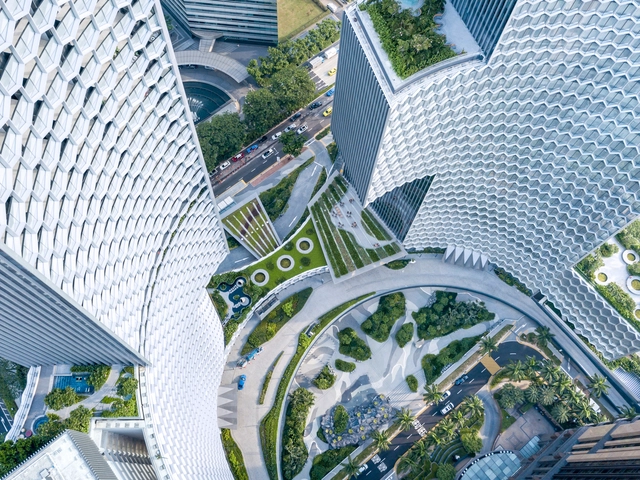
Büro Ole Scheeren'DUO Twin Towers project has been awarded CTBUH's 2021 Urban Habitat Award, which acknowledges the design's significant contribution to its urban context. Completed in 2018, the project restructures a previously disjointed and neglected part of Singapore, creating a dynamic place that enables social interaction. The award confirms the studio's socially and environmentally responsible approach to design. New footage by photographer Iwan Baan captures the DUO's silhouette and elevated landscape, hinting at the project's careful consideration of its urban and civic context.
A circular economy is an economic system aimed at eliminating waste and the continual use of resources. Looking beyond the current take-make-waste extractive industrial model, a circular economy aims to redefine growth, focusing on positive society-wide benefits. It entails gradually decoupling economic activity from the consumption of finite resources and designing waste out of the system. Underpinned by a transition to renewable energy sources, the circular model builds economic, natural, and social capital.
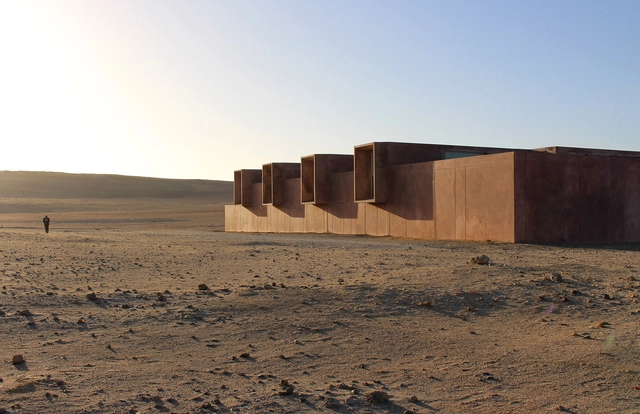
Peru is home to a wide range of new cultural architecture. Strongly tied to the country’s megadiverse geography, Peru’s modern projects reinterpret past building techniques. Taking inspiration from the vernacular and varied landscapes, these contemporary buildings arise from long traditions rooted in ancient cultures and civilizations.





















.jpg?1620086762&format=webp&width=640&height=580)