Iwan Baan

BROWSE ALL FROM THIS PHOTOGRAPHER HERE
↓

What is the Future Role of Architects in the Age of AI and Data?

 | Sponsored Content

The complexity of our world is constantly increasing, and with it, the pressure and demands placed upon our built environment. Architects are faced with a monumental task: to translate society’s ever-changing needs into tangible, effective and sustainable solutions. Pressing issues such as the climate crisis, rapid urbanization, population density and housing shortages call for a new architecture –one that isn’t afraid to question the traditional way of working and is prepared to take on the challenge. Today the industry must adapt, evolve and innovate to cope with these challenges. The availability of data is changing the game, and as technology continues to advance, it will open new ways of thinking, creating and engaging with the built environment.

In this article, we delve into the effects of the digital transformation, how it is reshaping the industry and the questions it raises about the future role of architects. 
Subscriber Access

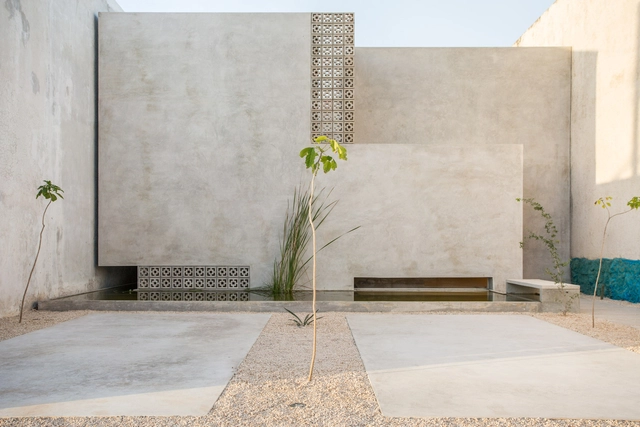
Concrete Wonders: 40 Impressive Details Using the Cement-Based Building Material

Due to its ability to mold and create different shapes, concrete is one of architecture's most popular materials. While one of its most common uses is as a humble foundation, its plasticity means that it is also used in almost all types of construction, from housing to museums, presenting a variety of details of work that deserves special attention.

Check out this collection of 40 projects that highlight the use of concrete. Impressive! 

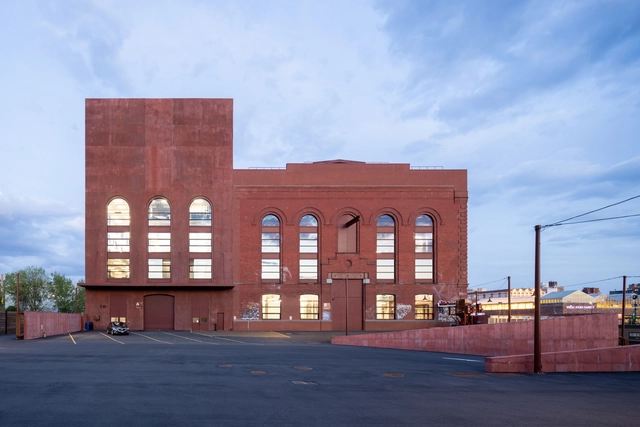
Powerhouse Arts / Herzog & de Meuron + PBDW Architects

Powerhouse Arts  / Herzog & de Meuron + PBDW Architects - More Images+ 6

Watch David Chipperfield, Francis Kéré, Anne Lacaton and Jean-Philippe Vassal Live at the 2023 Pritzker Prize Laureate Lecture & Panel Discussion

The Pritzker Architecture Prize presents The Role of Practice, the 2023 Laureate Lecture and Panel Discussion, today, Tuesday, May 23rd at 3:40 PM EEST, in partnership with the National Technical University of Athens, and with the participation of the Aristotle University of Thessaloniki, University of Patras and the Technical University of Crete.

The Pritzker Architecture Prize 2023 Laureate David Chipperfield will deliver the lecture, reflecting on architectural practice's role, responsibilities, and opportunities. Moreover, the 2023 winner will explore "how market forces have dominated architecture and become increasingly detached from its place, just as the challenges of the climate crisis, loss of biodiversity, and social inequality have heightened the urgency for a more proactive position". Alejandro Aravena, Jury Chair, and 2016 Laureate will introduce the lecture, which will be followed by a conversation between David Chipperfield, Francis Kéré, 2022 Laureate, and Anne Lacaton and Jean-Philippe Vassal, 2021 Laureates, as they each "reveal the successes and failures of their respective journeys which effected their architectural philosophies and works, and led them to the shared stage of the present".

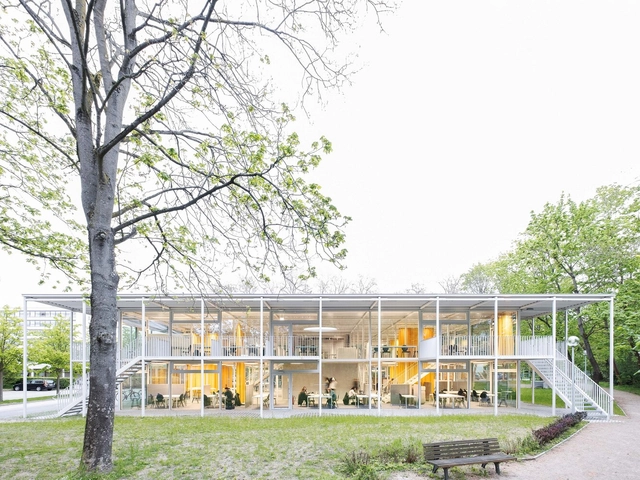
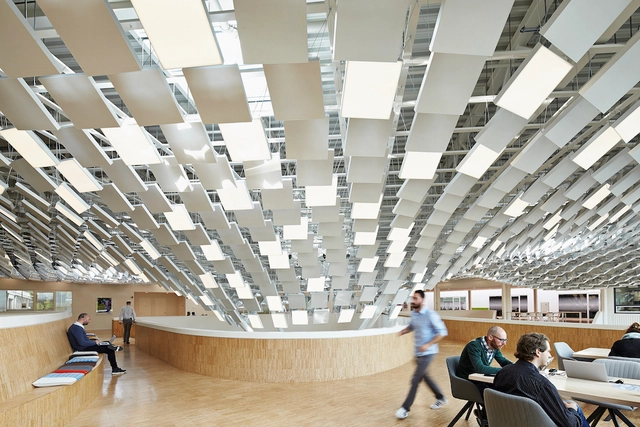
Study Pavilion TU Braunschweig / Gustav Düsing + Max Hacke

Study Pavilion TU Braunschweig / Gustav Düsing + Max Hacke - More Images+ 18

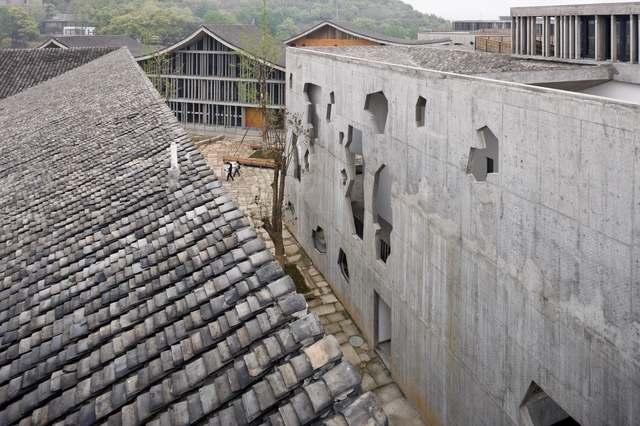
On the Work of Three Pioneering Chinese Architects: Wang Shu, Yung Ho Chang, and Liu Jiakun

I first went to China in 2002, a year after the International Olympic Committee awarded the 2008 Summer Games to Beijing. That initial trip was about exploring nature, cuisine, ancient temples, archeological sites, and, in general, experiencing lifestyles in China, mainly outside of its major cities. I was motivated by the pure curiosity of a Western tourist driven to an Eastern country in search of the old world, the exotic, hoping to catch a glimpse of a rich traditional culture on the cusp of its inevitable radical transformation. At the time, there was no modern, or rather contemporary, architecture in China to speak of. There were only the promising first hints of the development of a potentially new architectural language being undertaken by just a handful of independent architects almost entirely under the radar.

On the Work of Three Pioneering Chinese Architects: Wang Shu, Yung Ho Chang, and Liu Jiakun - More Images+ 19

Subscriber Access

Exploring: Restoration and Durability of Contemporary Exposed Concrete Architecture | 19 Completed Projects

Founded in 2006, Shanghai Hetai Architectural Decoration Co., Ltd. has spent the past 17 years specializing in the research and practice of fair-faced concrete restoration and long-term protection, as well as the creation of fair-faced concrete finishes (weather-resistant Portland cement and weather-resistant white cement finishes). Through rigorous product selection, performance testing, process exploration, project application, and technological innovation, the company has successfully completed the restoration and long-term protection of 36 fair-faced and conventional concrete buildings cast across various periods. Additionally, they have completed nine fair-faced concrete finish projects alongside ongoing weather-resistance and stability testing spanning 10 to 16 years.

Subscriber Access

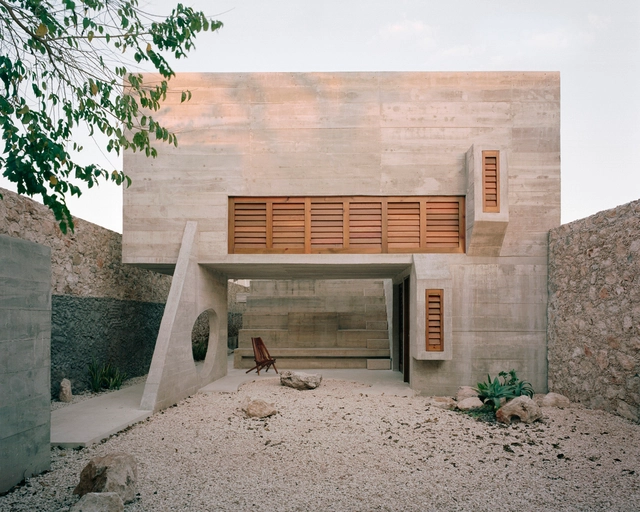
On Brutalist Influence in Contemporary Architecture: 16 Examples in Mexico

Brutalism is an architectural style that originated in the 1950s and became popular in the 1960s. Its name comes from the French "béton brut," which means "raw concrete," as this material is one of the most characteristic elements of the style. Its main features are the apparent use of concrete, offering visuals where natural texture and tonality are the protagonists of the buildings. Brutalist buildings often have an austere and massive aesthetic, with simple and repetitive geometric shapes. The use of industrial materials and innovative construction techniques is also common in brutalism.

"Building a Creative Nation": Qatar Presents Documentary about 5 New Cultural Facilities at the 2023 Venice Biennale

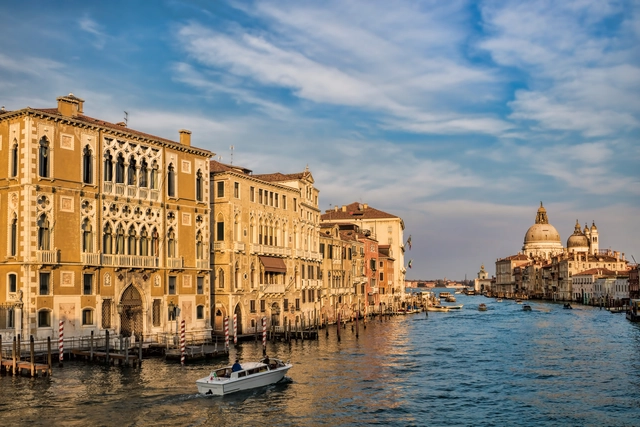
At the 18th International Architecture Exhibition – La Biennale di Venezia, Qatar Creates will present the documentary exhibition "Building a Creative Nation”, at the ACP - Palazzo Franchetti, from May 14 through November 26, 2023. This will be the first time that Qatar's newest cultural institutions are highlighted outside their home country.

ELEMENTAL, Herzog & de Meuron, Office for Metropolitan Architecture (OMA), Philippe Starck, and UNStudio are just a few of the internationally renowned architectural firms working with Qatar Museums to establish five new cultural facilities in Qatar. The new constructions will be overseen by Qatar Museums, tasked with maintaining and expanding Qatar's cultural assets through managing the nation's expanding network of museums, heritage sites, festivals, and public art installations.

Building a Creative Nation: Qatar Presents Documentary about 5 New Cultural Facilities at the 2023 Venice Biennale - More Images+ 1

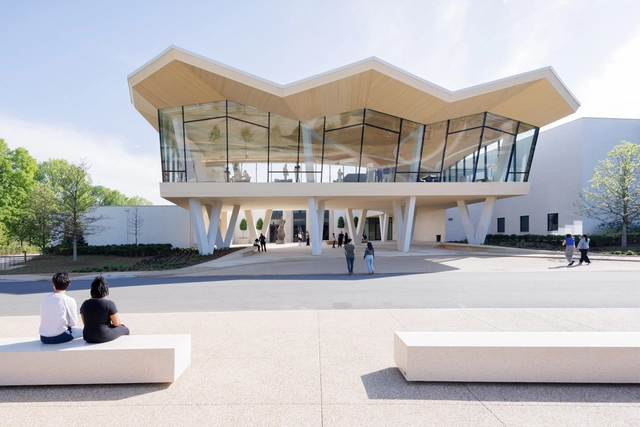
Arkansas Museum of Fine Arts / Studio Gang

Arkansas Museum of Fine Arts / Studio Gang - More Images+ 5

•
Little Rock, United States
  • Architects: Studio Gang
  • Area Area of this architecture project Area:  133000 m²
  • Year Completion year of this architecture project Year:  2023
  • Manufacturers Brands with products used in this architecture project
    Manufacturers:  Terrazzo & Marble
  • Professionals: Scape

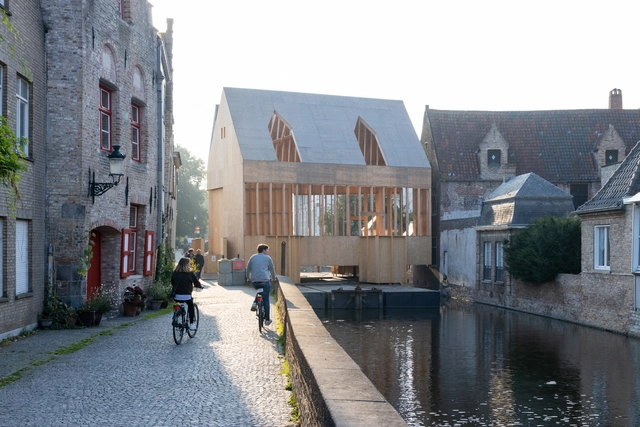
Brugge Diptych Pavilion / PARA

Brugge Diptych Pavilion / PARA - More Images+ 37

•
Bruges, Belgium

Casa Las Olas / Young Projects

Casa Las Olas  / Young Projects - More Images+ 41

The Museum of Art and Photography Bangalore / Mathew and Ghosh Architects

The Museum of Art and Photography Bangalore / Mathew and Ghosh Architects - More Images+ 24

•
Bengaluru, India

Color, Composition, and Scale: Analyzing Brutalist Photography

Sometimes sculptural and expressive, sometimes monolithic and monotonous, the Brutalist architectural style is equal parts diverse and divisive. From its origins as a by-product of the Modernism movement in the 1950s to today, Brutalist buildings, in architectural discourse, remain a popular point of discussion. A likely reason for this endurance is — with their raw concrete textures and dramatic shadows, brutalist buildings commonly photograph really well.

Color, Composition, and Scale: Analyzing Brutalist Photography - More Images+ 17

New Strategies for Preventing Green Gentrification

“How do we ensure new parks don’t cause ‘green gentrification,’ which can lead to the exclusion and displacement of underserved communities? How can we ensure we don’t displace the communities that new parks are meant to serve?,” asked Dede Petri, CEO of the Olmsted Network (formerly the National Association of Olmsted Parks), during an Olmsted 200 event.

New parks are meant to be accessible to everyone, but in many urban areas, developer-driven parks mostly attract wealthier Americans. Cities benefit from increased development adjacent to these new parks, bringing in higher tax revenues, but that raises questions about whether these spaces can, in effect, lead to community displacement.

New Strategies for Preventing Green Gentrification - More Images

Subscriber Access

Open Question: What will the future of lighting be?

From fire in prehistoric caves to street lighting in smart cities, lighting has evolved steadily alongside technological advancements. In recent years, however, it has begun to transform even more significantly in terms of design and functionality, driven by a growing awareness of its impact on the environment and human health.

How Will We Illuminate Our Interiors in the Future?

As trivial as the act of flipping a switch and lighting up a room may seem, we've had to come a long way to have safe and reliable light sources. It is estimated that the first lamps were invented 70,000 years ago, consisting of hollowed out stones or shells filled with an absorbent material soaked with animal fat that could be ignited. The Egyptians, on the other hand, used decorated ceramic vessels filled with oil, which provided a constant flame. Candles were popularized during the Middle Ages, made of tallow (animal fat) or beeswax, and could be burned in simple candlesticks and chandeliers. It was in the late 19th century that Thomas Edison and his team invented an incandescent light bulb that could be mass manufactured and was economically viable, soon becoming the dominant form of lighting for much of the 20th century. Although it was a revolutionary invention at the time, we are now aware that these lightbulbs are not very efficient, and they were eventually replaced by fluorescent and, more recently, LED bulbs. But if we have already advanced so much in such a short time, what can we expect for the future of lighting, and more specifically, how will our interiors be lit in a few years or decades?

Subscriber Access

What is the future of lighting?

From fire in prehistoric caves to public lighting in smart cities, illumination has constantly evolved alongside technological advancements. In recent years, however, it has begun to shift even more significantly in terms of design and functionality, driven by a growing awareness of its impact on the environment and human health.