

-
Architects: Anarchitect
- Area: 5000 m²
- Year: 2017
-
Manufacturers: AutoDesk, ANARCHITECT, Delta Light, Trimble
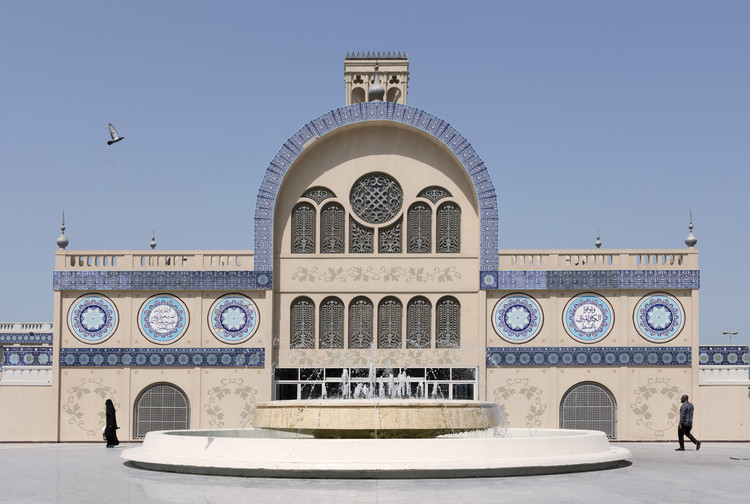
Curated by Adrian Lahoud, The Sharjah Architecture Triennial opens this November, self-proclaiming as "the first international platform on architecture and urbanism of the Global South."
Lahoud, who is also Dean of the School of Architecture at the Royal College of Art, has defined the theme for the inaugural edition —Rights of Future Generations— as an instance to "question how inheritance, legacy, and the state of the environment are passed from one generation to the next, how present decisions have long-term intergenerational consequences, and how other expressions of co-existence, including indigenous ones, might challenge dominant western perspectives."
.jpg?1558681492&format=webp&width=640&height=580)
The use of steel in architecture is considered as one of the most innovative construction developments in history, allowing architects to create structures in scales they never thought they could. Fast-forward a few centuries, and steel remains as one of the most crucial materials in architecture. But there is a lot more to the material than just tensile strength and durability, some architects were well-aware of steel's potential and transformed it into lighting fixtures, facades, decorative elements, and finishes.
Here are 15 projects where architects looked beyond steel as structural support and explored its diverse possibilities in architecture.
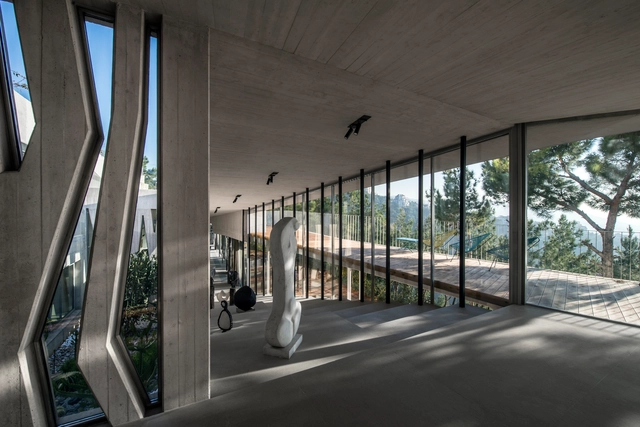
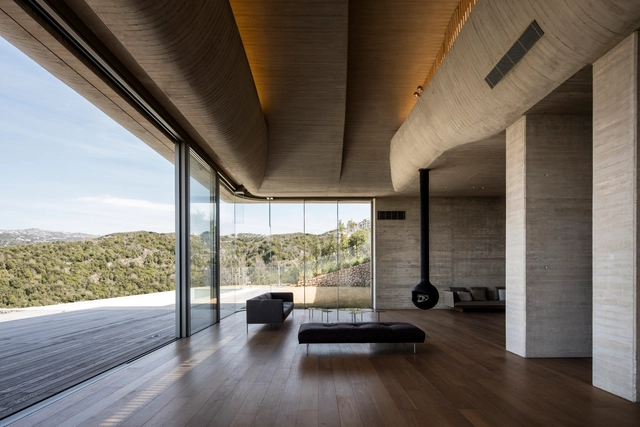
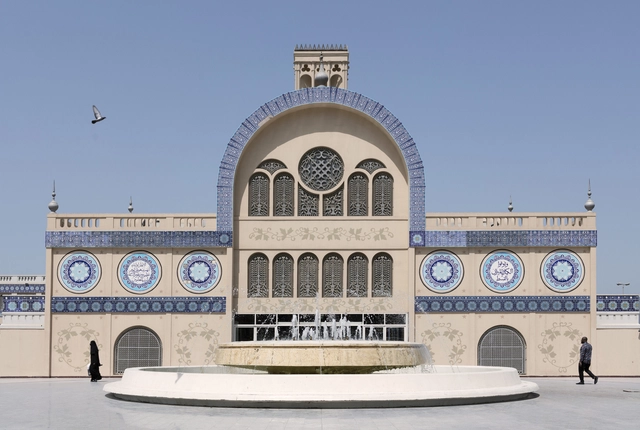
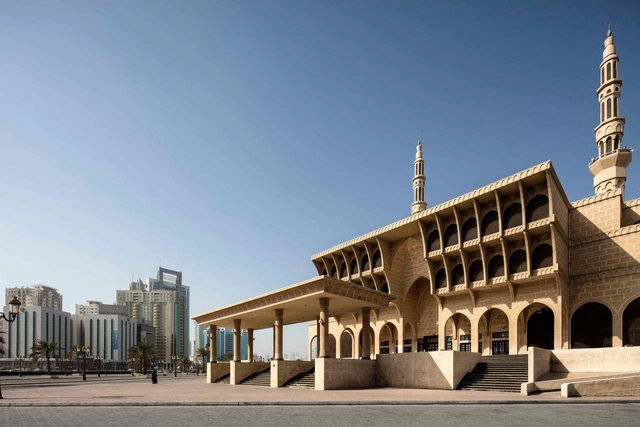
The Sharjah Architecture Triennial will open in November 2019 as "the first major platform for dialogue on architecture and urbanism in the Middle East, North Africa, East Africa and South Asia." Curator Adrian Lahoud has announced the theme of the Triennial as the Rights of Future Generations, aiming to fundamentally challenge traditional ideas about architecture and introduce new ways of thinking that veer from current Western-centric discourse.
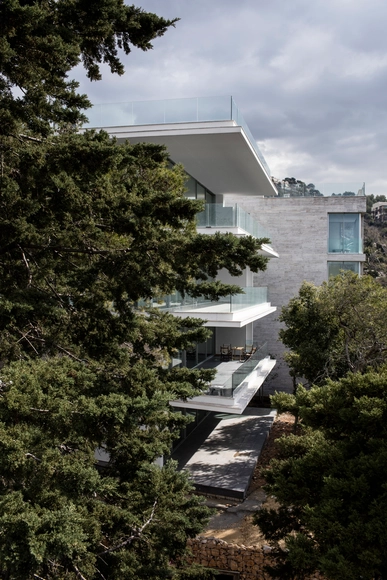
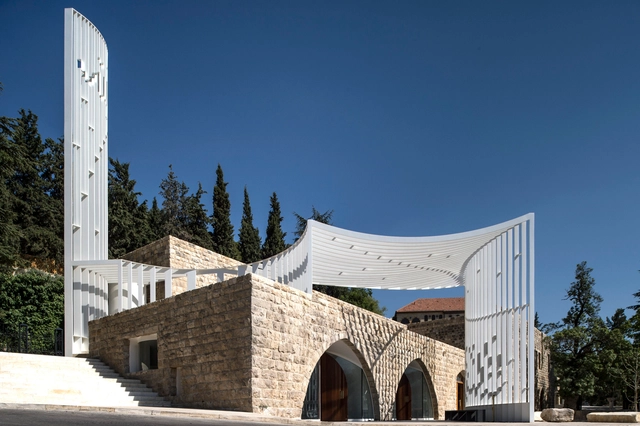
How does contemporary religious architecture adapt to the needs of the modern world? Each year, Faith & Form magazine and the Interfaith Forum on Religion, Art and Architecture (IFRAA) award acknowledges the best in religious art and architecture. This year’s winners included 27 projects spanning in religious denomination, size, and location. Beyonds this, the award recognizes three common trends present in religious architecture today: re-adaptation of existing facilities, community-based sacred spaces, and simplicity in design. Read on to see all 27 winners.



.jpg?1558680317&format=webp&width=230&height=230&crop=true)


.jpg?1558681492)