How can we construct buildings using less water? The construction process consumes a vast amount of water resources, and it is time to consider how to reduce this environmental impact.
How can we construct buildings using less water? The construction process consumes a vast amount of water resources, and it is time to consider how to reduce this environmental impact.
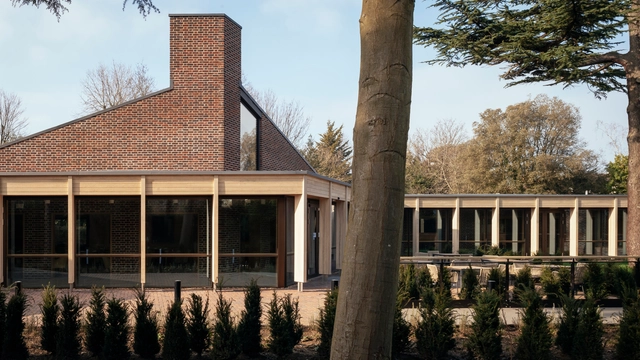
Every year since 1996, the Royal Institute of British Architects (RIBA) has hosted the RIBA London Awards to celebrate outstanding works of architecture from across the United Kingdom. This year, the list of winners includes 52 buildings ranging from a senior day-care center in Blackheath to a cultural hub in Greenwich and a subtle intervention in Hackney’s de Beauvoir conservation area. All RIBA London Awards winners will be considered for the RIBA National Award, scheduled to be announced on June 22nd.
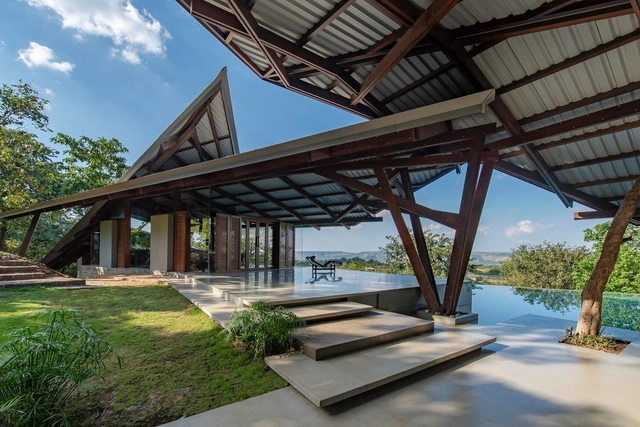
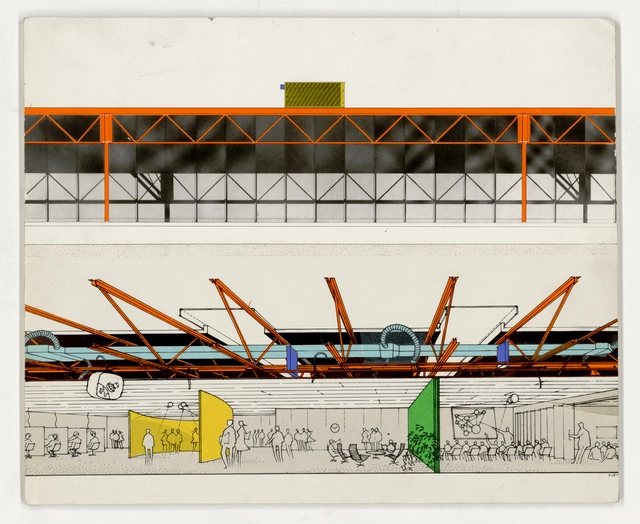
In May this year, The Centre Pompidou in Paris will debut the largest retrospective of Norman Foster's work from the past six decades. The exhibition spans nearly 2,200 square meters, exploring the various phases of the renowned architect’s career. Essential works including the Hong Kong and Shanghai Baking Corporation's headquarters (Hong Kong, 1979–1986), the Carré d'Art (Nîmes, 1984–1993), the Hong Kong International Airport (1992–1998), and the Apple Park (Cupertino, United States, 2009-2017) will be on display.
Foster + Partners, the Norman Foster Foundation, and Norman Foster are working to develop and execute the full retrospective. Through the lenses of the seven chosen themes: Nature and Urbanity, Skin and Bones, Vertical City, History and Tradition, Planning and Location, Networks and Mobility, and Future, the exhibition is set to become a full compilation of the architect’s work.

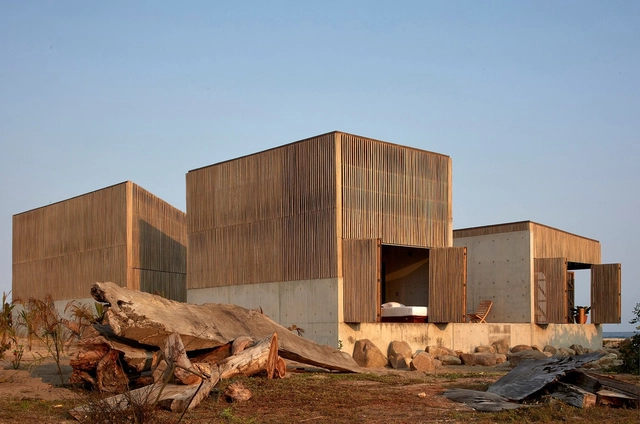
Climate is one of the key factors to take into consideration when designing a space. Of course, this can present a challenge, especially when dealing with extreme climates and the need for insulating materials that are able to adapt to a wide range of conditions. Luckily, for architects operating in Mexico, the country's privileged climate facilitates the creation of microclimates and spaces that blur the line between interior and exterior.
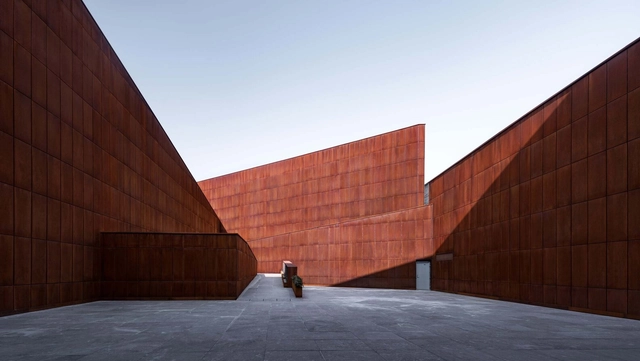
Over the years, ArchDaily has brought us the most innovative architecture projects through the eyes of creative specialized photographers. Their captures bring us closer to the works, reflect the vision of the architects and, above all, transmit and generate the most varied emotions.
From conversations with these talented photographers, we can understand, at least a little, what they feel when facing an architectural project with a camera in hand.
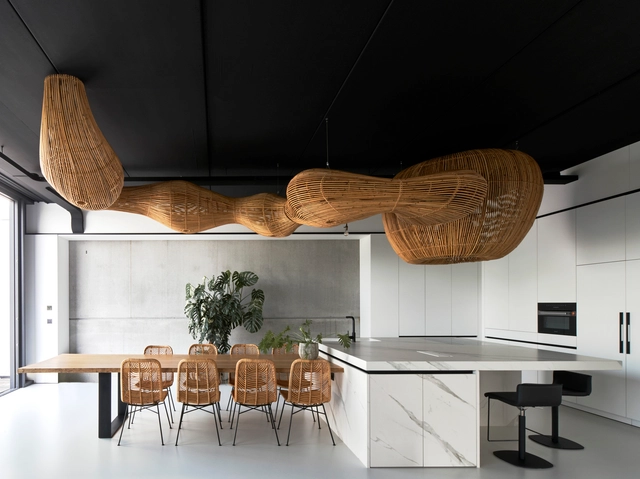

Upon becoming a sovereign country, free from British Rule, the people of India found themselves faced with questions they had never needed to answer before. Coming from different cultures and origins, the citizens began to wonder what post-independence India would stand for. The nation-builders now had the choice to carve out their own future, along with the responsibility to reclaim its identity - but what was India's identity? Was it the temples and huts of the indigenous folk, the lofty palaces of the Mughal era, or the debris of British rule? There began a search for a contemporary Indian sensibility that would carry the collective histories of citizens towards a future of hope.
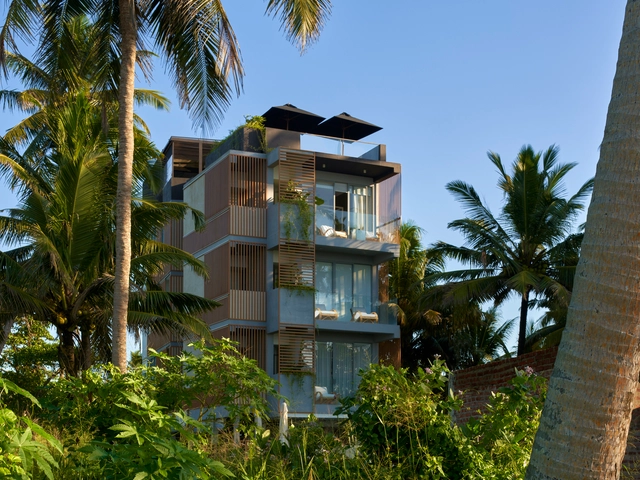
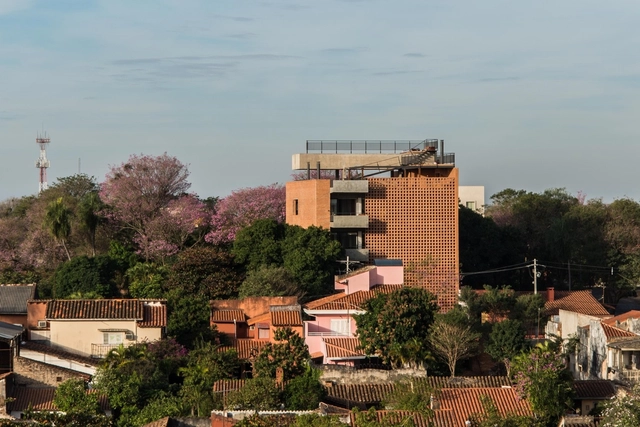
The end of the 19th century in the Americas is marked by a wave of historical disputes and political transformations that have as a backdrop the search for a national identity. The period records a series of conflicts and disputes for the independence of what we now know as sovereign countries and republics. In this context, the Pan-American or Spanish-American movements emerged, which, despite having different political influences, aimed at the unification of all the territories of the American continent.
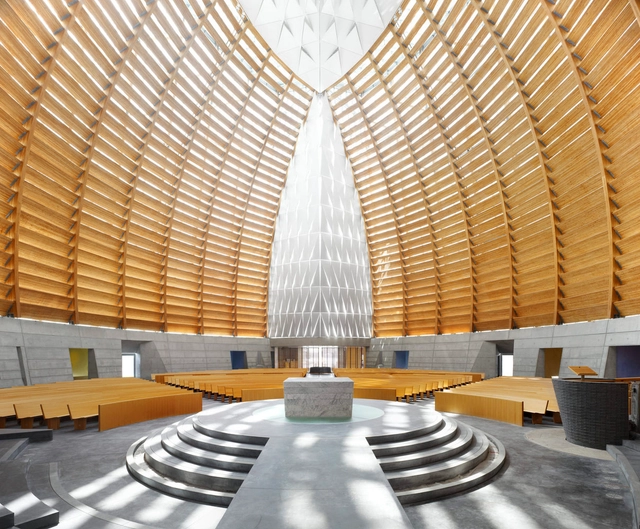
Architecture has long been designed to symbolize and venerate shared values and beliefs. This is especially true in cathedrals and places of worship, structures that exists across environmental, economic and cultural boundaries. These buildings encompass ritual and gathering as they explore the relationship between human experience and the divine. Today, cathedrals are being reimagined for contemporary life and new building traditions.
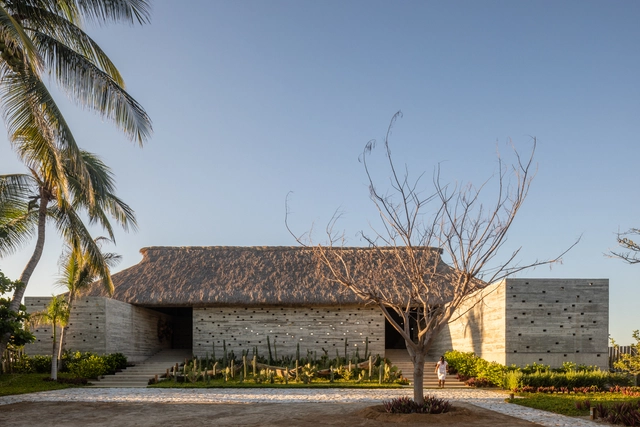
Architecture in Mexico has a vast history that is made up of various aspects that touch astrological, political, spiritual and economic issues. Although today there are only ruins of some of the most important pre-Hispanic complexes, thanks to the in-depth research that has been carried out, we can have some representations of what those buildings that laid the foundations of what makes us today were like. In these representations, it is possible to notice the presence of natural materials that were a response to their environment such as basalt stone, stucco and some vegetable paintings whose remains persist to this day.

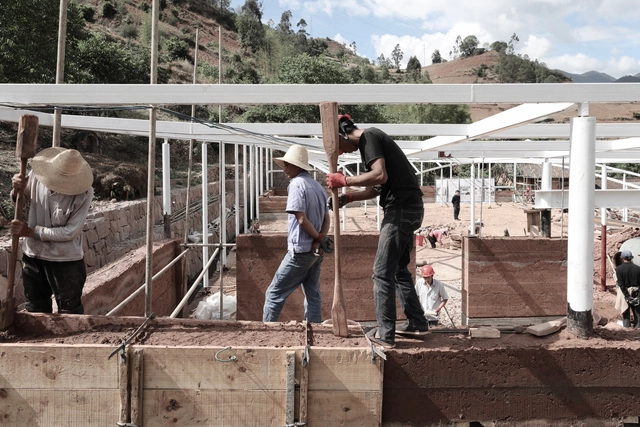
Vernacular techniques and local materials are becoming more and more relevant in architecture, but is it possible to bring these concepts to large urban areas?
In 1984, the Amazonian architect Severiano Porto had already pointed out the need to make architecture more connected to its location. Using local materials and techniques is becoming more important each day, considering the impacts of the commodity chain of building construction on the planet. Not surprisingly, the number of projects that use this approach is growing every day, as Severiano has already mentioned in his work since the 1980s.