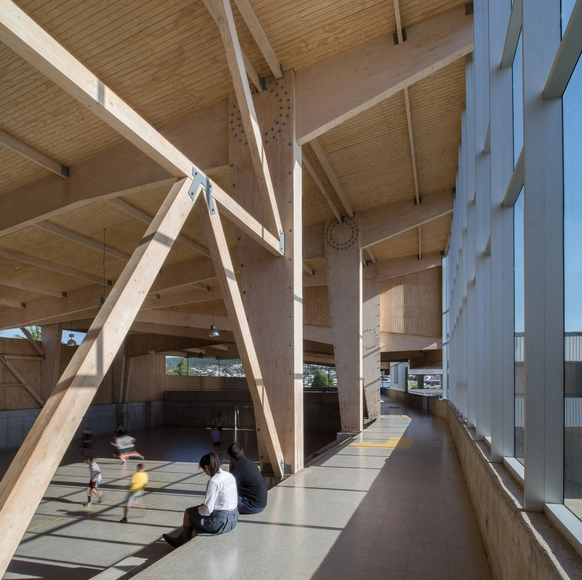
Responsibly sourced, wood is a renewable, low-emission resource that, in addition to storing carbon within its composition, features low thermal conductivity and high acoustic absorption, creating comfortable, well-insulated spaces year-round. A well-designed timber building will not only enhance these properties but will also be aesthetically pleasing for its occupants and highly energy-efficient.
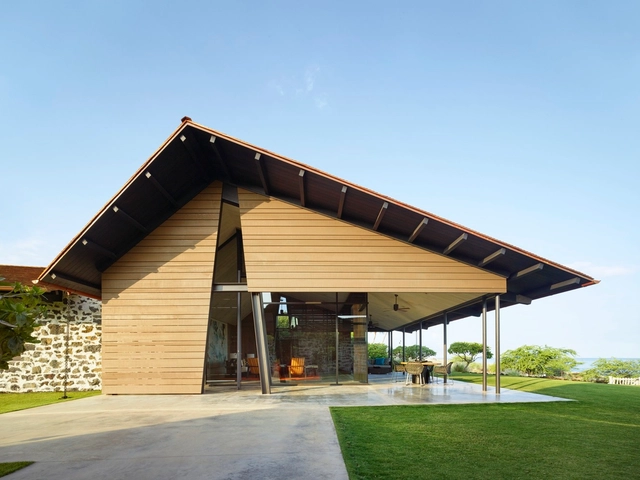
Hawaii has become a place that defines paradise. From pristine beaches and a warm climate to natural scenery and active volcanoes, the islands are home to incredible landscapes and culture. With indigenous and modern building styles, the state’s architecture is intimately tied to the environment. Reinterpreting historic building techniques and traditions, contemporary Hawaiian architecture balances a desire to honor the past while celebrating new experiences and modern culture. This has led to the formation of incredible spaces to live and dwell.
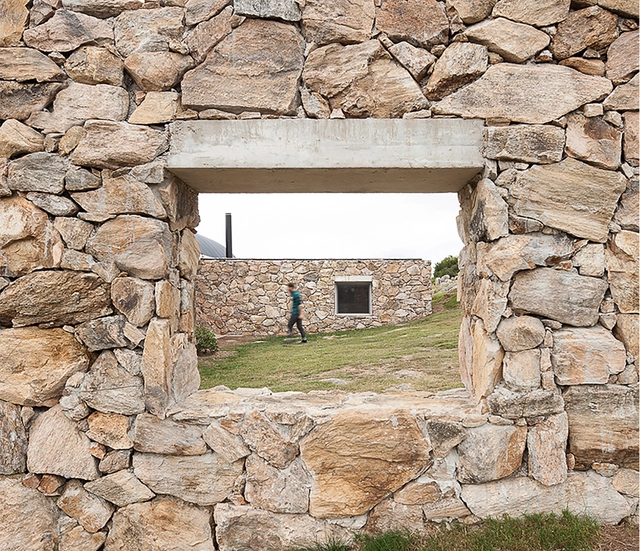
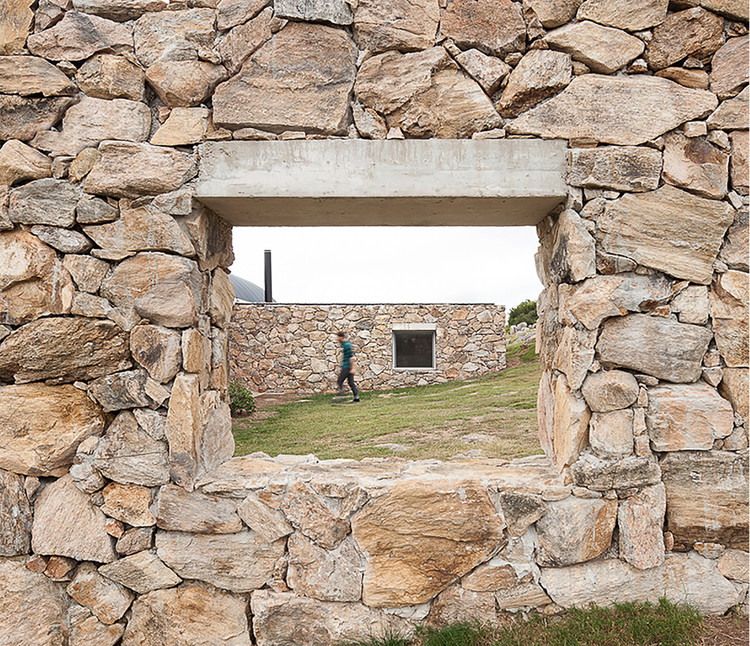
While stone has been used in construction since time immemorial, it's maintained its place in architecture thanks to its design capabilities, durability, and efficiency.
With their cliffs and bluffs, the rocky coasts of Peru form a unique landscape of surfaces shaped and reshaped by the erosion of the sea and wind. On these heterogeneous, steeply sloping terrains, designing architecture integrated with the context is no easy task. From volumes embedded into hillsides to houses that incorporate mineral formations into their interior spaces, projects addressing this challenge prompt us to reflect on how to establish a relationship with the natural environment, blurring or tensioning the boundaries between architecture and landscape.
When I look at the architecture of Guillermo Acuña, I am quickly reminded of those well-known Chilean wooden houses scattered across the territory—those that mark distant points on the hills and gently blur the edges of the coastline, those that rise lightly and blend with nature, teaching us about material honesty and a connection to the landscape. Those that remind us of where we come from and of what humans create.
This is why we reached out to the office of GAAA for a brief interview, to hear the story behind their inspirations, purposes, explorations, and future vision.
Is it possible for a structure to reflect the thoughts of an architect? In the area of architecture, it's a well-known fact that the design process is largely shaped by the client, their culture, their requirements, and their budget, with little attention given to the personal tastes of the architects themselves.
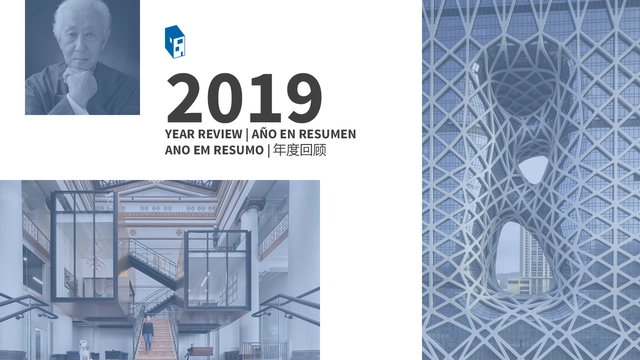
2019 has been a very fruitful year in architecture, unveiling projects, discourses, and careers that cover most of the multiple layers, interest, and fields related to this discipline, and highlighting how relevant it has become to our societies —from the Pritzker Prize 2019 awarded to Japanese architect Arata Isozaki to the revealed theme of the Venice Biennale 2020. Take a look at the main architectural milestones of this year across the globe.
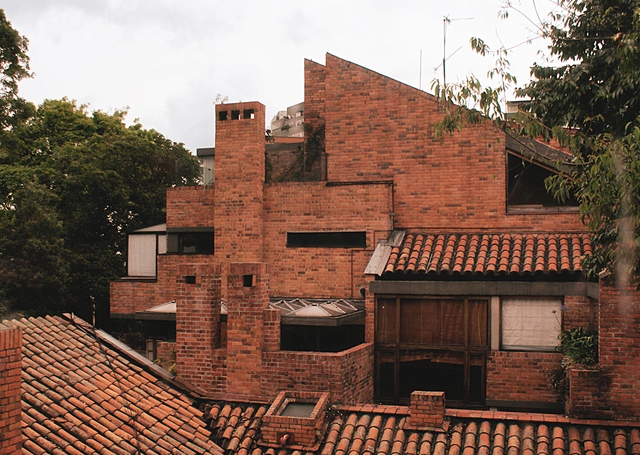
The National Architecture and Urbanism Award, presented by the Colombian Society of Architects (SCA), recognizes projects that outstandingly showcase the finest contributions to Colombian architecture.
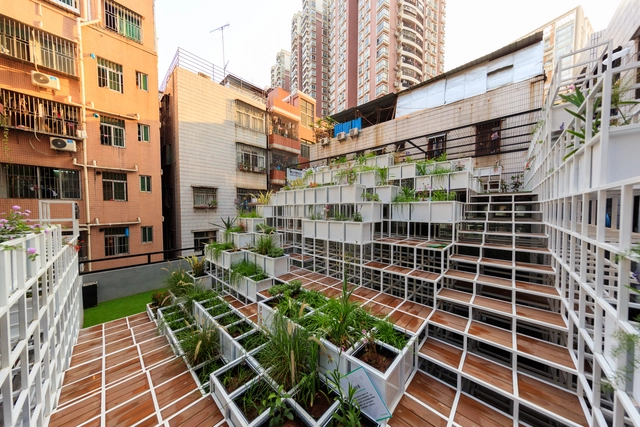
Normally the efforts of the construction industry are aimed to design permanent and durable spaces. However, on some occasions creating temporary spaces can be of great help, not only when providing fast assembly infrastructure after the effects of a natural disaster, but also when activating residual or abandoned spaces in our cities. To exemplify the potential of these interventions, we present thirteen successful temporary public spaces.




















.jpg?1567573837&format=webp&width=640&height=580)
.jpg?1567573821&format=webp&width=230&height=230&crop=true)
.jpg?1567573932&format=webp&width=230&height=230&crop=true)
.jpg?1567573722&format=webp&width=230&height=230&crop=true)
.jpg?1567574013&format=webp&width=230&height=230&crop=true)
.jpg?1567573837)
.jpg?1565372350&format=webp&width=640&height=580)