
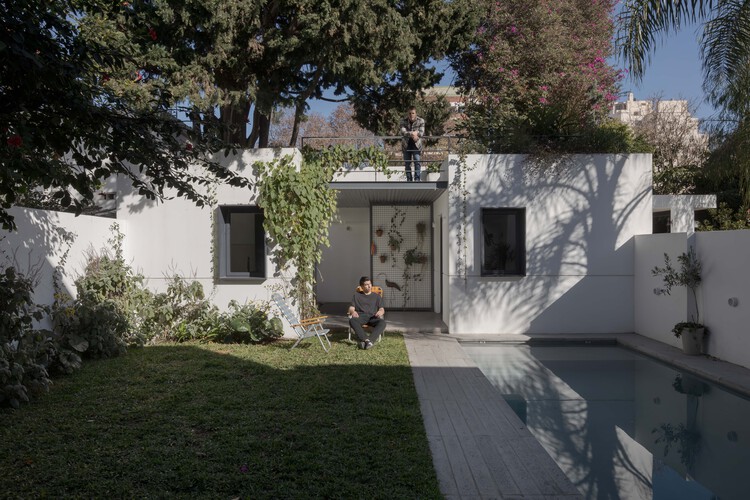
ARCS Nuñez Extension / Izar estudio


https://www.archdaily.com/1041962/arcs-nunez-extension-izar-estudioAndreas Luco
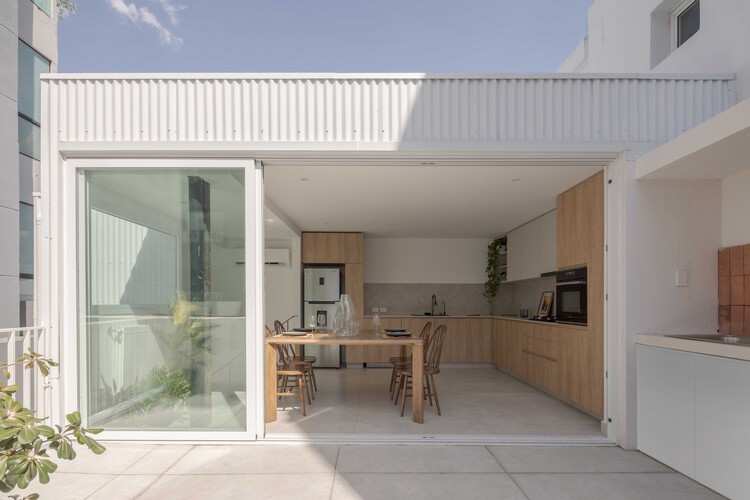
PH Loreto / OADD Architects


-
Architects: OADD Arquitectos
- Area: 110 m²
- Year: 2025
-
Manufacturers: American Hydrotech, Faplac, Ilva, MACROLED, ferrum
https://www.archdaily.com/1055224/ph-loreto-oadd-architectsValentina Díaz
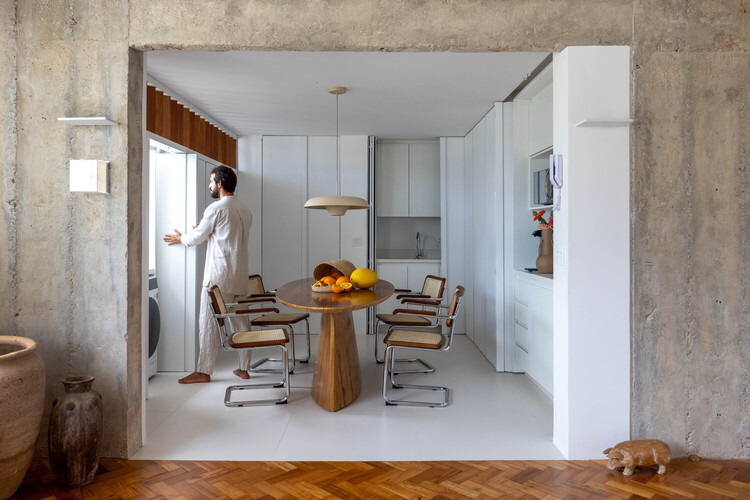
Renovation and Everyday Life: How Latin American Architecture Reinvents Existing Spaces

Across Latin America, renovation has become less about preservation alone and more about responding to changing ways of living. Rather than freezing buildings in time, many contemporary projects work with existing structures to adapt them to new domestic routines, social dynamics, and spatial needs. Through strategic changes in materials, composition, color, and light, these interventions reinterpret everyday spaces while maintaining a strong connection to their original context.
In this process, houses and apartments become sites of transformation where flow, continuity, and shared spaces are carefully reconsidered. Renovation operates as a precise architectural tool, one that prioritizes natural light, openness, and flexibility to support daily life as it evolves. Instead of imposing new forms, these projects repurpose what is already there, aligning spatial decisions with the habits and rituals of those who inhabit them.


https://www.archdaily.com/1037171/renovation-and-everyday-life-how-latin-american-architecture-reinvents-existing-spacesDaniela Andino
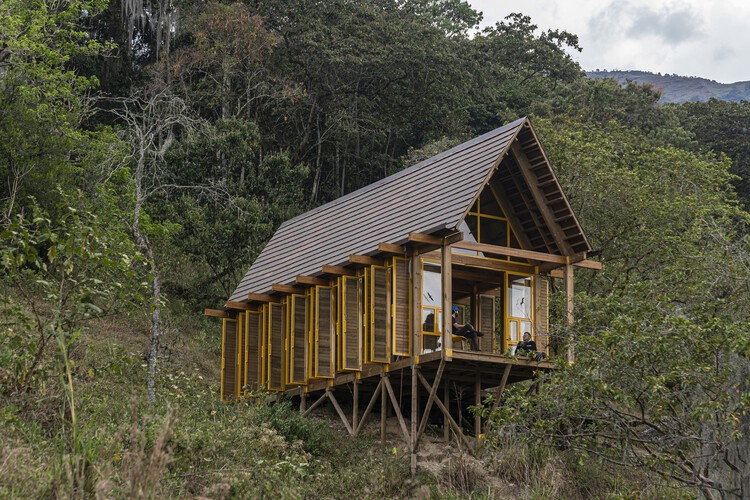
The 100 Best Latin American Houses of 2025
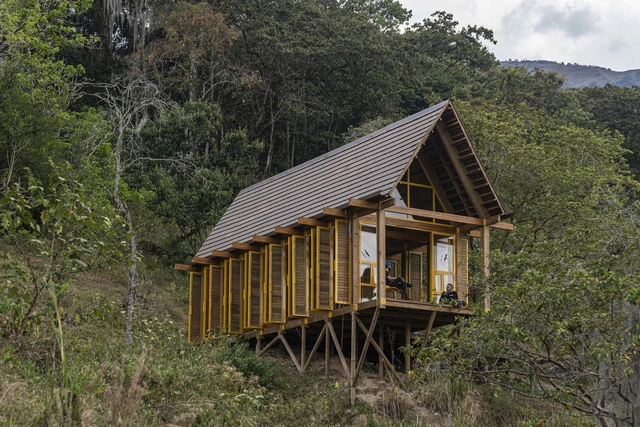
Each year, the ArchDaily Curatorial team reviews the projects that resonated most with our readers, identifying the architectural trends and design approaches that captured the greatest attention throughout the year. Across our local sites – ArchDaily Brasil and ArchDaily en Español – residential architecture remains the most popular category, with projects built in Latin America standing out year after year.
This year's selection of Best Latin American Houses brings together both renovations and ground-up projects, covering reinterpretations of local construction techniques and innovative architectural responses. The works are set in a wide range of contexts, from dense urban environments to rural and coastal landscapes.


https://www.archdaily.com/1037033/the-100-best-latin-american-houses-of-2025Susanna Moreira & Valentina Díaz
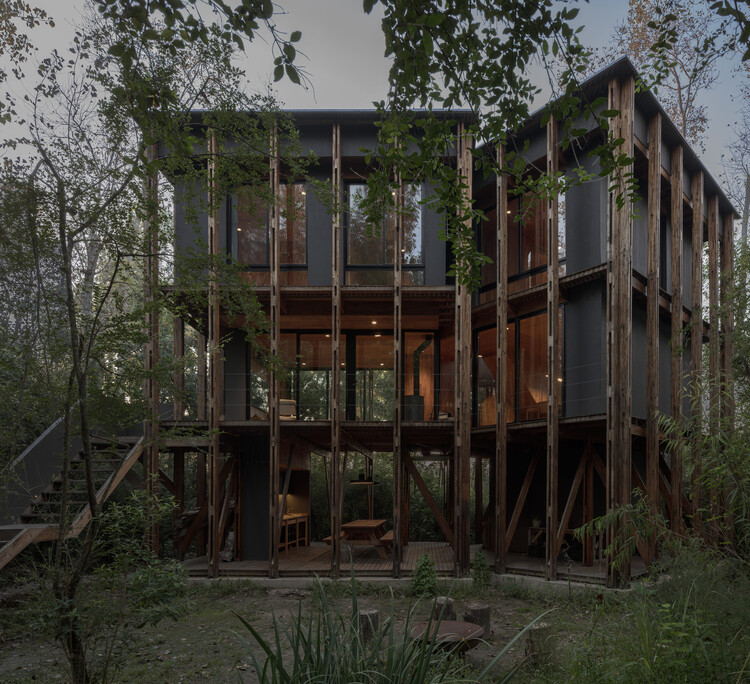
Cabin in the Buenos Aires Delta / Matías Cosenza Arquitecto


-
Architects: Matías Cosenza Arquitecto
- Area: 150 m²
- Year: 2025
-
Manufacturers: FV, ferrum
https://www.archdaily.com/1034257/cabin-in-the-buenos-aires-delta-matias-cosenza-arquitectoValentina Díaz
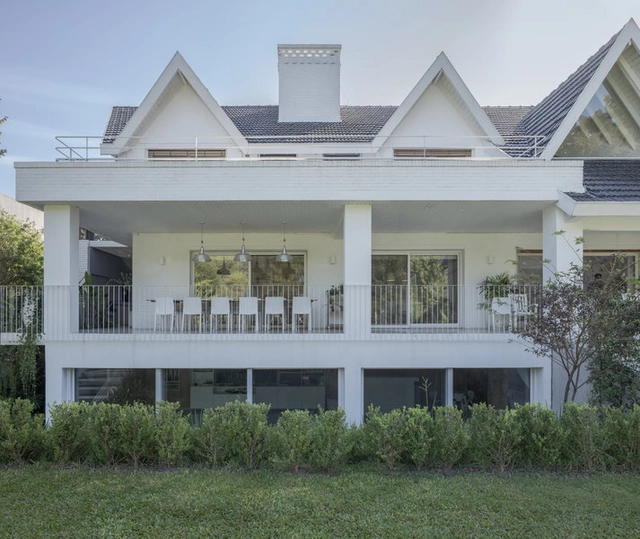
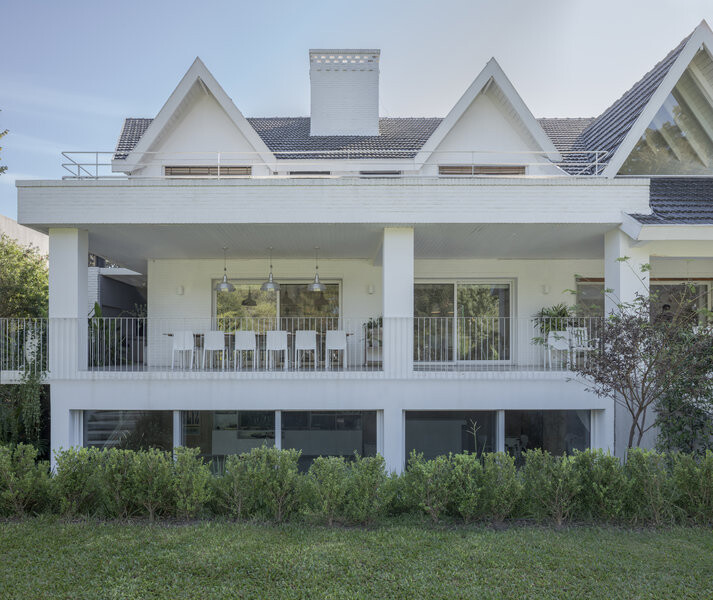
Hacoaj House / BHY arquitectos


https://www.archdaily.com/1067589/hacoaj-house-bhy-arquitectosValentina Díaz
Lerma House / BHY arquitectos
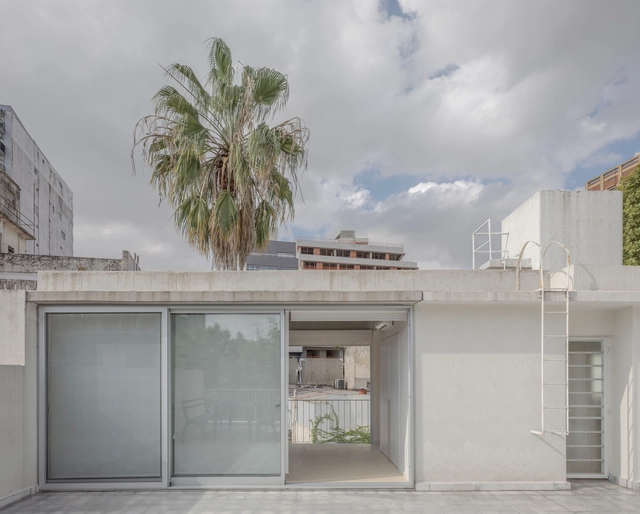


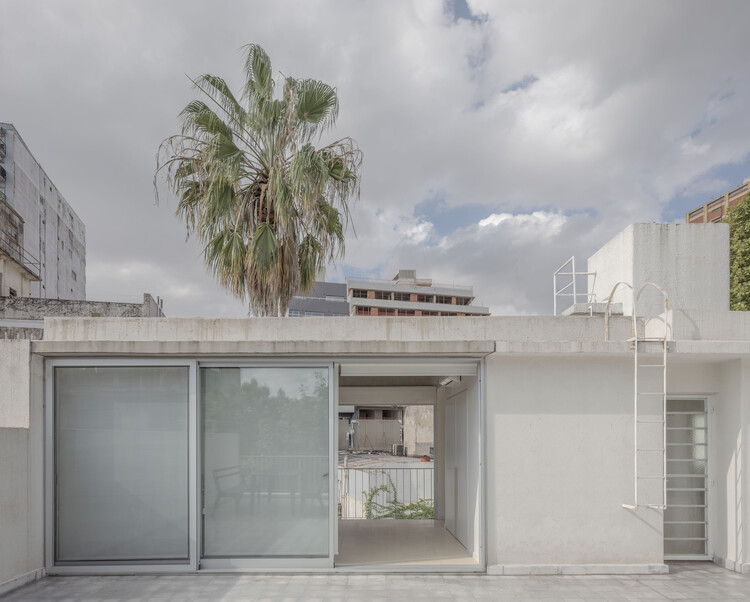
-
Architects: BHY arquitectos
- Area: 210 m²
- Year: 2022
https://www.archdaily.com/1033314/lerma-house-bhy-arquitectosValentina Díaz
House Florida / Di Marco + Robles Arquitectos
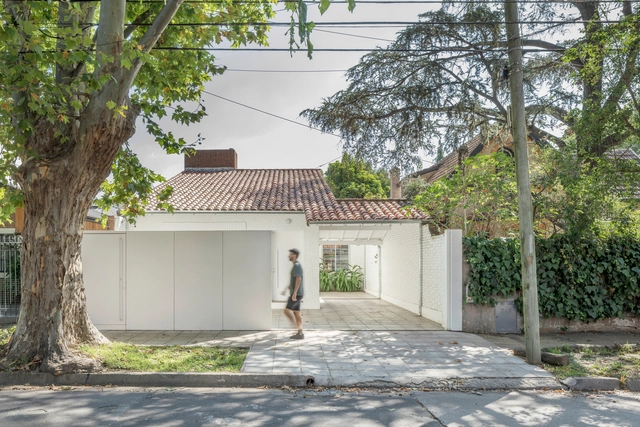


https://www.archdaily.com/1029335/house-florida-di-marco-plus-robles-arquitectosAndreas Luco
House PH Charlone / noma estudio
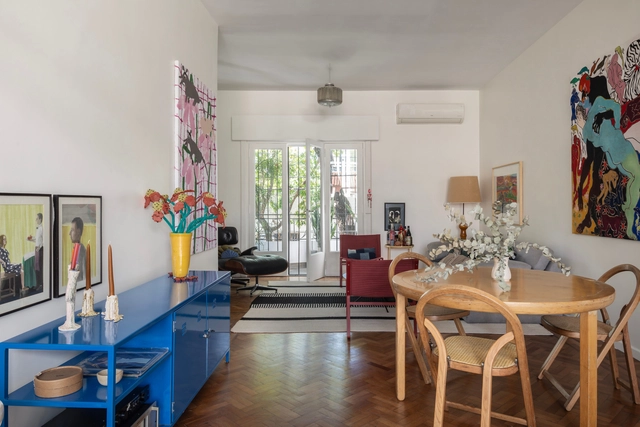


-
Architects: noma estudio
- Area: 1442 ft²
- Year: 2024
-
Manufacturers: Azul Marino, Huup, Roca, ferrum
https://www.archdaily.com/1023895/house-ph-charlone-noma-estudioPilar Caballero
House of the Three Patios / soda + Mila Ramirez Estudio
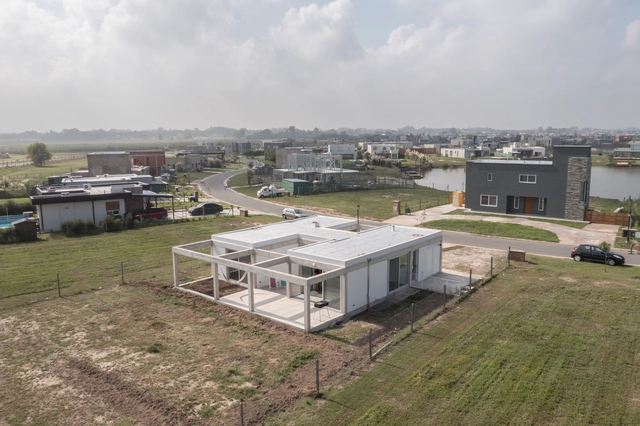


-
Architects: soda + Mila Ramirez Estudio
- Area: 120 m²
- Year: 2023
-
Manufacturers: Hormilosa
https://www.archdaily.com/1019586/house-of-the-three-patios-soda-plus-mila-ramirez-estudioValeria Silva
Navarro Reform / Estudio YME
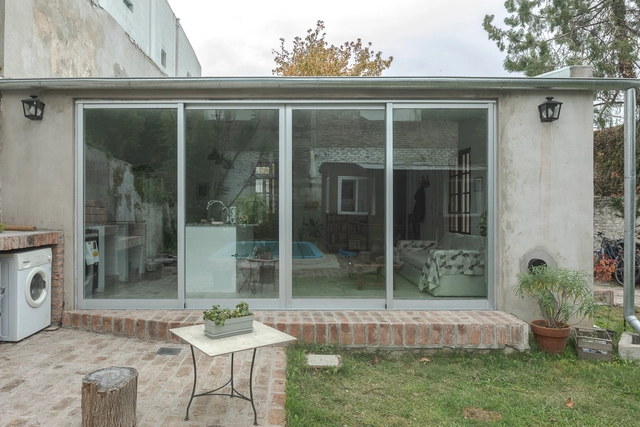


https://www.archdaily.com/1019197/navarro-reform-estudio-ymeValeria Silva
Fornole Pizza / Florencia Rissotti Arq
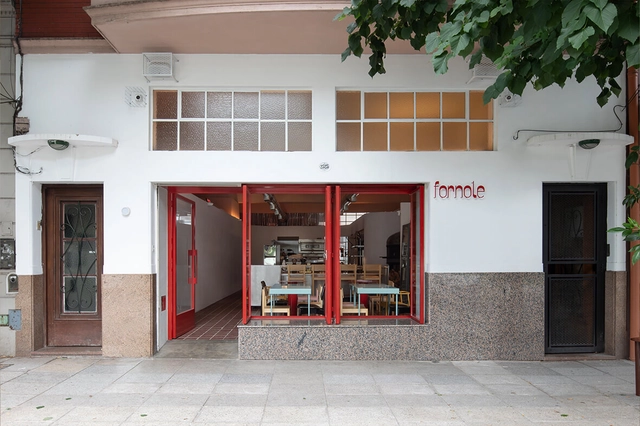


-
Architects: Florencia Rissotti Arq
- Area: 1076 ft²
- Year: 2023
-
Manufacturers: Inoxigas, MERXXI, Paraná 201, Quimtex
https://www.archdaily.com/1015322/fornole-florencia-rissotti-arqPilar Caballero
Symmetry in Architecture: 15 Contemporary Collective Housing Units in Latin America
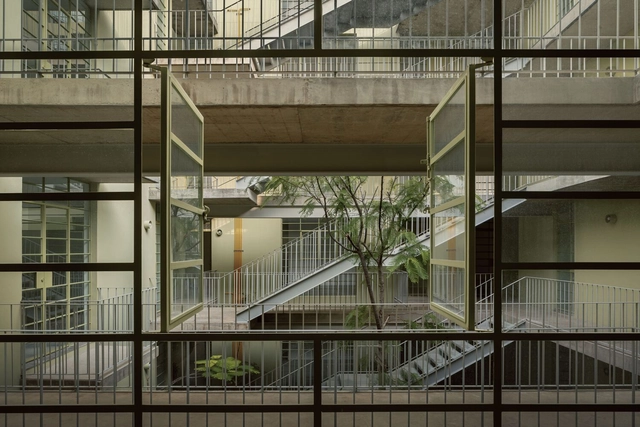
What is symmetry in architecture? Why is it used to design spaces? What advantages and disadvantages does it present compared to other projection tools such as rotation, translation, and/or repetition? Contemporary architecture evolves day by day by implementing different strategies to create habitable spaces where people can carry out their daily activities, meet their needs, and more. Considering symmetry as a possible means of organization, distribution, and movement in the plane, architecture expresses and communicates largely through graphic means (floor plans, volumes, photographs, etc.) in a relationship that seeks coexistence, in most cases, of spaces, proportions, and scales in harmony.


https://www.archdaily.com/1014536/symmetry-in-architecture-15-contemporary-collective-housing-units-in-latin-americaAgustina Iñiguez
Alsina House Refurbishment / Estudio YME
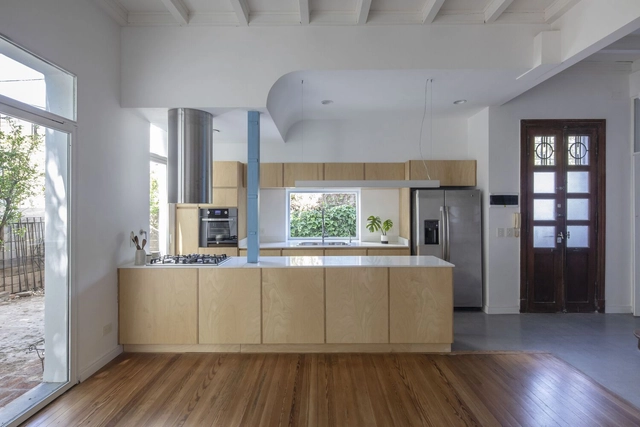


-
Architects: Estudio YME
- Area: 160 m²
- Year: 2022
-
Manufacturers: Imdi, Quadri
https://www.archdaily.com/1001436/alsina-house-refurbishment-estudio-ymeAndreas Luco
Bou House / LMCO arquitectos
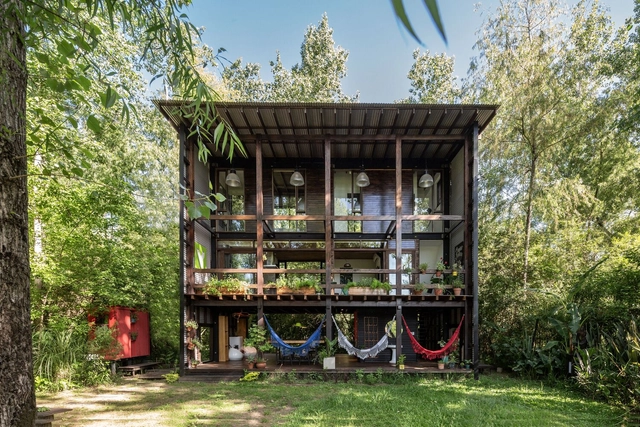


-
Architects: LMCO arquitectos
- Area: 150 m²
- Year: 2022
-
Manufacturers: FV, Trendhouse, VASA, ferrum, inRO
https://www.archdaily.com/977675/casa-bou-lmco-arquitectosAndreas Luco
Balconies in Buenos Aires: Design Strategies in Apartments
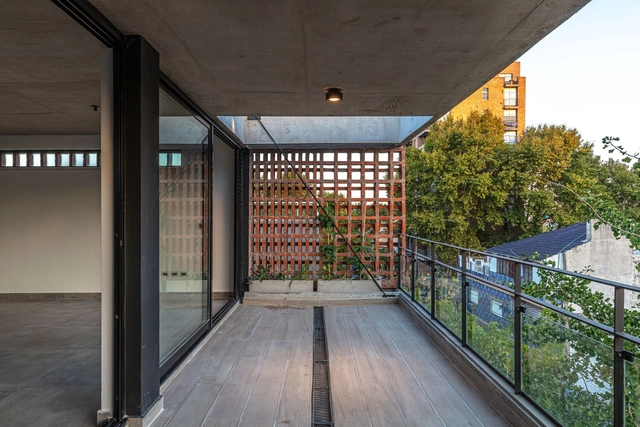
The search for outdoor spaces in dense city dwellings has become for some a necessity and for others a requirement to be fulfilled. In short, it is one of the most sought-after commissions that architects around the world receive on a daily basis. Beyond the fact that this phenomenon has been accentuated during the Covid-19 pandemic, since their origins, these expansion spaces have been conceived not only to increase the use of natural lighting and ventilation but also to promote the indoor-outdoor relationship, giving the possibility to accommodate various uses and functions even when square meters are scarce or when the connection with nature is glimpsed far over the horizon.


https://www.archdaily.com/991755/balconies-in-buenos-aires-design-strategies-in-apartmentsAgustina Iñiguez
The 50 Best Houses of 2022
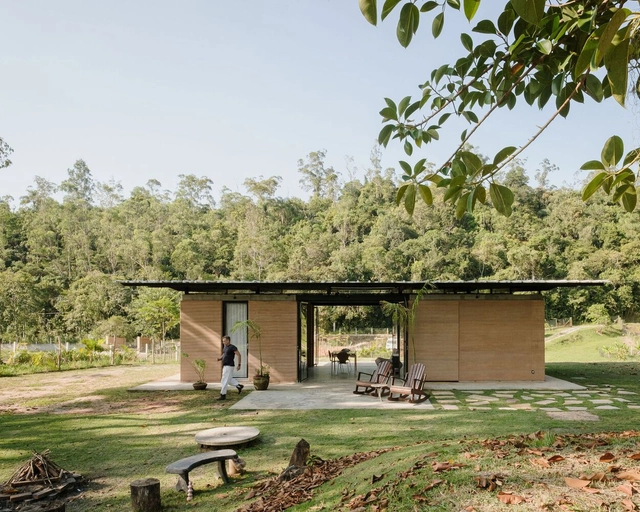
As another year comes to a close, the ArchDaily team gathers the highlights of architecture in a series of retrospectives reflecting on the content featured over the past twelve months. As part of this effort, our curation team turns its attention to one of the most popular categories among our readers, residential architecture, selecting the projects that represent the best of a vast global architectural production, as seen through the eyes of our audience.


https://www.archdaily.com/1132285/the-50-best-houses-of-2022Susanna Moreira
The 50 Best Houses of 2022
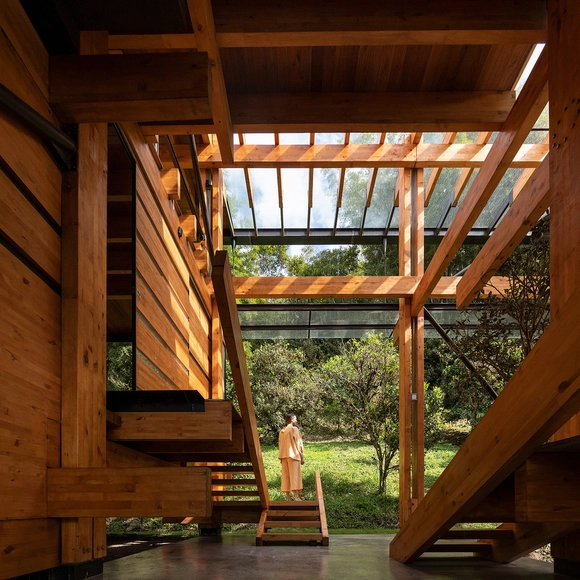


As another year comes to a close, the ArchDaily team looks back at the year's architectural highlights, compiling a selection of projects to review the content featured in 2022. As part of this retrospective, our curation team presents one of our readers' favorite categories—residential architecture—bringing together the projects that represent the very best of a vast year of architectural production, as chosen by our audience.
At a time marked by anticipation for the future of architecture, yet also by reflection on what has been accomplished over the past year, we present the 50 most-visited houses on ArchDaily in Spanish in 2022. In doing so, we continue our ongoing mission to provide tools, inspiration, and knowledge to everyone working toward a better built environment.
https://www.archdaily.com/1132327/the-50-best-houses-of-2022Agustina Coulleri