

-
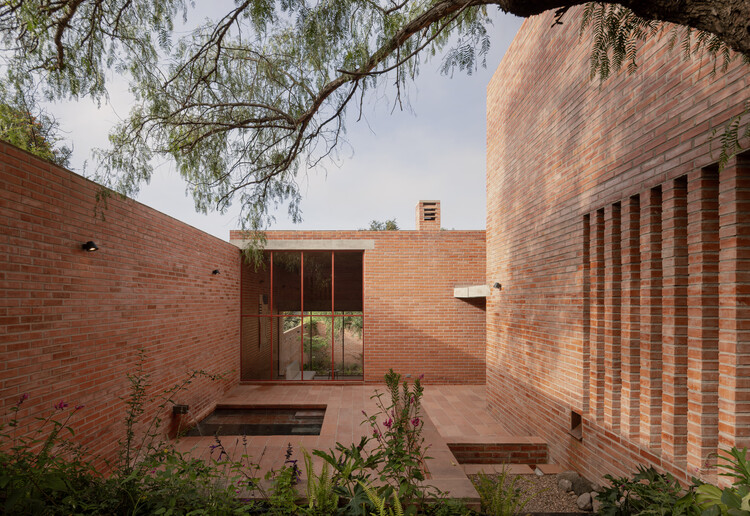
Architects: Escobedo Soliz
- Area: 257 m²
- Year: 2025
-
Manufacturers: Ciro Designer, La Metropolitana, Novaceramic, Origen Madera

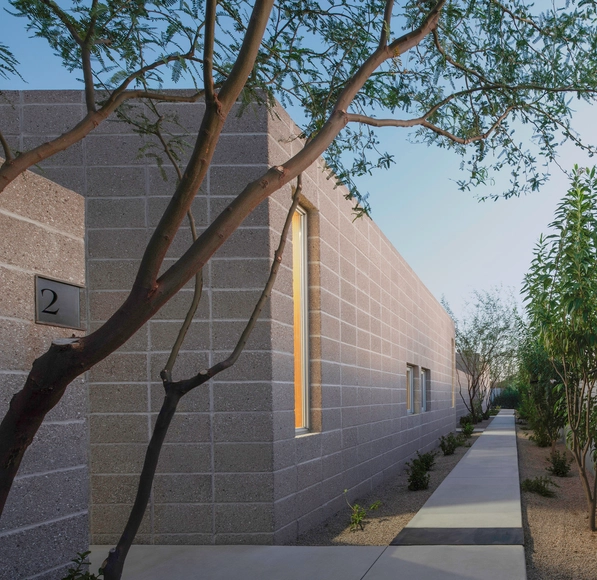
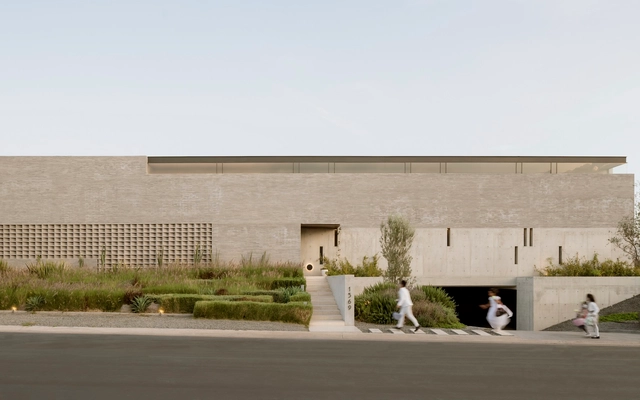
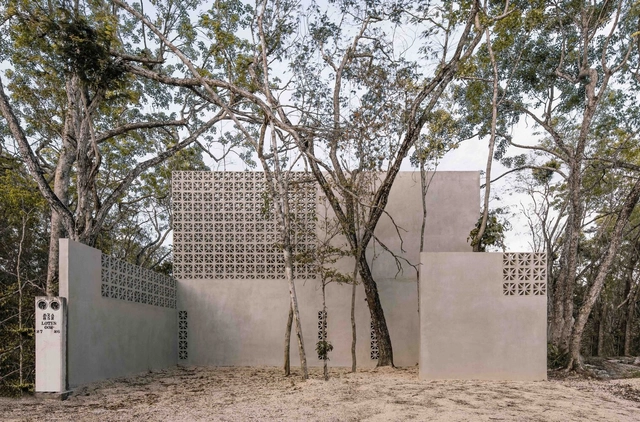
Once seen as purely utilitarian, bare concrete blocks have increasingly become part of an architectural transformation. In regions where warm climates make insulation unnecessary, this material can be left exposed, free of cladding, finishes, or embellishment. In doing so, texture, bond, and form can define the building's character and simplify construction while creating new opportunities for expression and identity. This also creates a platform to explore the concept of material honesty. Beyond its aesthetic value, using a material "as is" can significantly reduce construction costs and minimize maintenance during the building's lifespan.
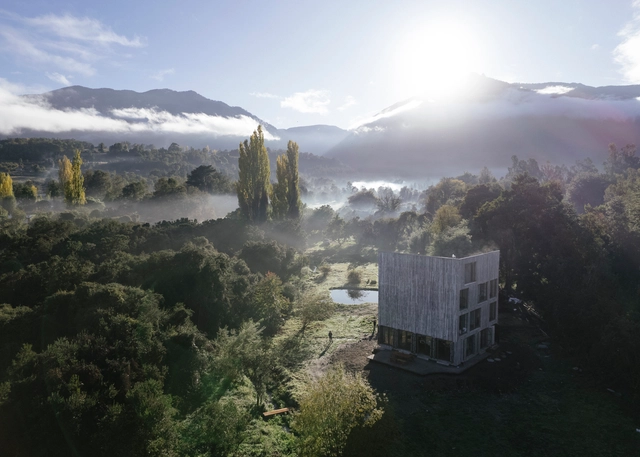
Annually, ArchDaily's curatorial team undertakes a rigorous selection process to identify exemplary projects in Latin American residential architecture. The goal is to share these works of architecture with our audience and highlight and promote good practices within contemporary architecture. This meticulous effort focuses on identifying projects that stand out for their design and their positive impact on the environment, innovative use of materials and techniques, and ability to address current needs.
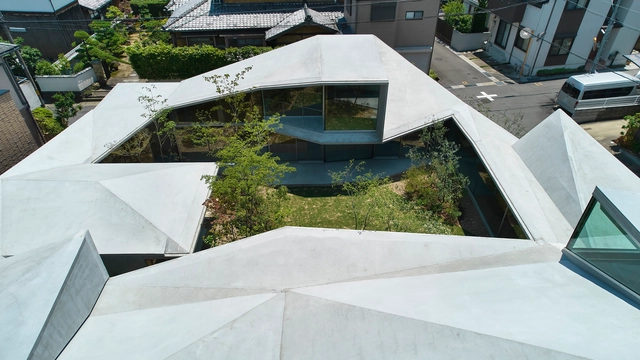
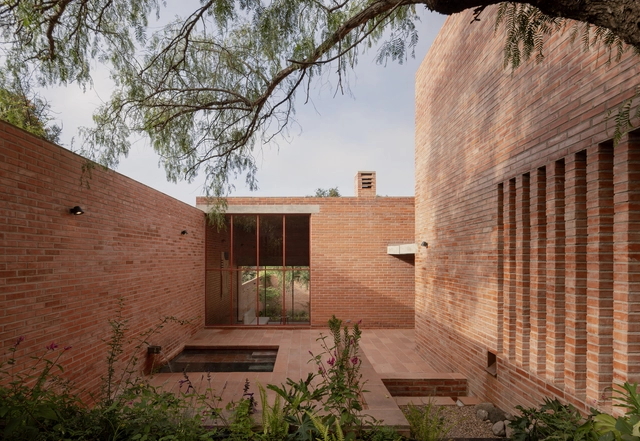
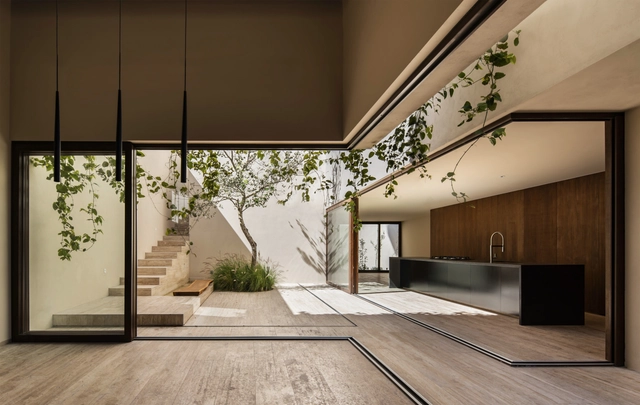
There are many advantages to incorporating interior courtyards in residential projects, both in urban contexts and in more natural surroundings. In both cases, they are a key element in improving the quality of the home's interior space in various ways. Whether in the form of a central cloister, side courtyards, or through perforated slabs and the addition of skylights, these spaces play a vital role in creating a harmonious living environment, offering benefits ranging from the regulation of interior temperature to enhancing social interactions and fostering a close connection with nature.
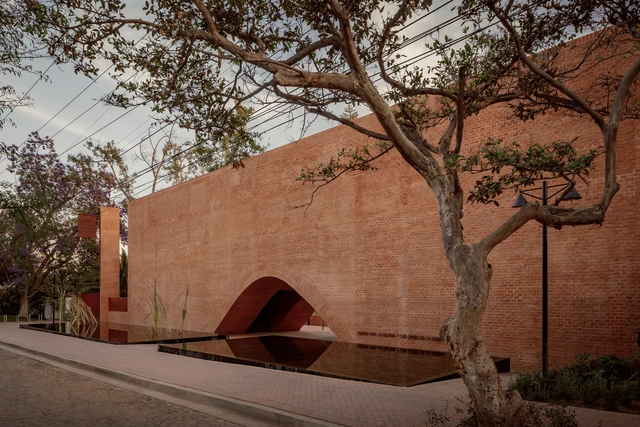
From December 2 to 6, the XIII Ibero-American Biennial of Architecture and Urbanism (BIAU) will be held in Lima, Peru, under the theme CLIMATE: Actions for Good Living. Since 1998, the BIAU, promoted by the government of Spain through the Ministry of Housing and Urban Agenda (MIVAU), in collaboration with the Higher Council of the Colleges of Architects of Spain and with the support of the ARQUIA Foundation, aims to disseminate good practices in architecture and urbanism in Ibero-America, fostering a space for discussion around contemporary challenges shared between Spain and Latin America. Weaving bridges of knowledge between both continents, the BIAU opens its doors once again, now in Lima.
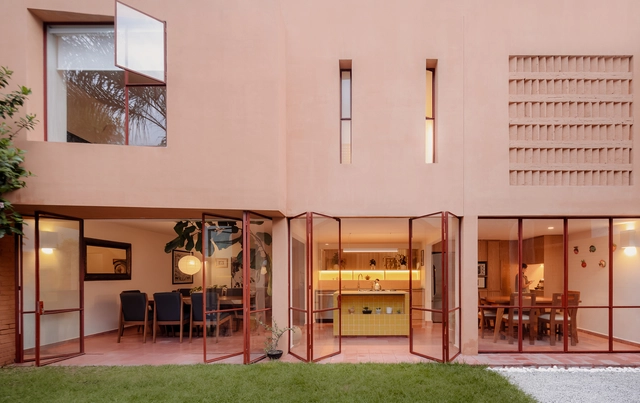
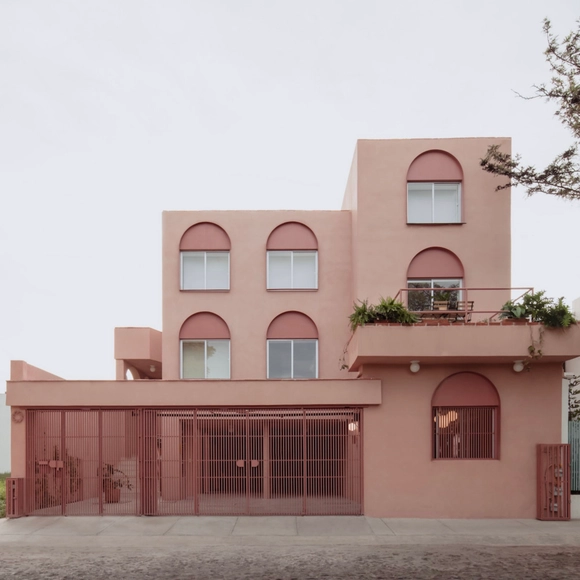
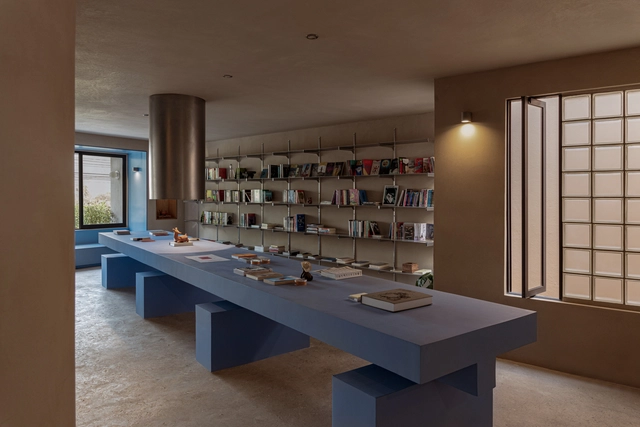
One way to employ color is through monochrome, a design technique that involves using a single tone or color in a space. In architecture, monochrome is a powerful tool where different shades can be created through the play of lights and shadows, generating spaces that offer unique experiences to their inhabitants.
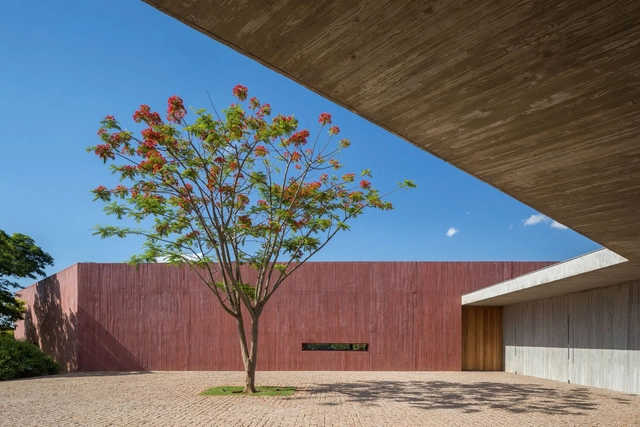
The use of pigmented concrete in Latin American architecture is growing - and influencing contemporary architectural expression. This can be seen in recent built works ranging from the INES Innovation Center designed by Pezo von Ellrichshausen in Chile to the Teotitlán del Valle Community Cultural Center by PRODUCTORA in Mexico.
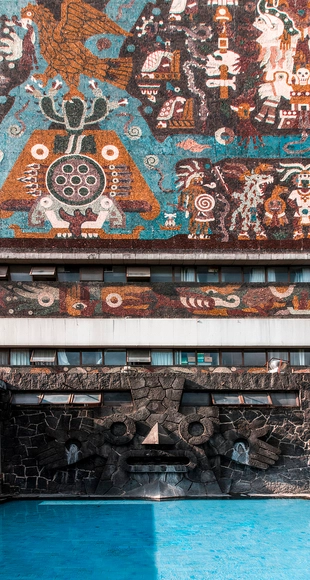
From the pre-Columbian period of the Americas –during which cultures such as the Olmec, Maya, Purepecha, and Mexica (Aztec) thrived– to the modern era where architecture has been influenced by social movements and even natural disasters, Mexican architecture showcases a valuable architectural expression, with its own unique voice and distinctive characteristics. Nobel Literature Laureate Octavio Paz argued that architecture is an incorruptible witness to history. Likewise, the materials used to shape it have acted as protagonists of that history, enduring in many cases over time and evolving thanks to the generations of architects who have contributed to it, from different perspectives.
To trace a timeline, it is possible to take as a starting point pre-Hispanic architecture, which exhibited a diversity of nuances due to Mexico's vast territorial extension. This allowed diverse cultures to find their niche and develop their characteristic architectural styles. Subsequently, the era of Spanish colonization, which itself drew influence from Islamic architecture, represented a noteworthy turning point in architectural development. This phase endured until the advent of Mexican Independence in the 19th century. In turn, this marked the initiation of social and cultural movements, both during and after the Mexican Revolution in the early 20th century.
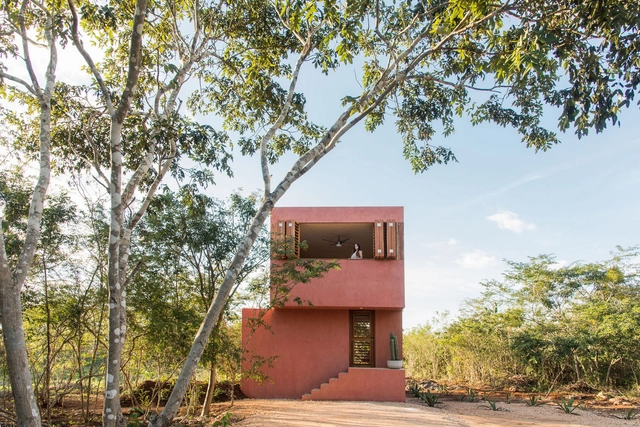
Small homes are a common reality in many urban areas around the world for various reasons. These homes made up of small houses or compact apartments, have become increasingly popular due to the shortage of land and high housing prices in urban areas. Although their size may be limited, contemporary architecture practices focus on intelligent designs to maximize available space and offer comfort to their inhabitants. They often offer efficient layouts, with multifunctional areas that adapt to needs. In addition, some of them integrate innovative design and furniture solutions to optimize space and provide additional storage.