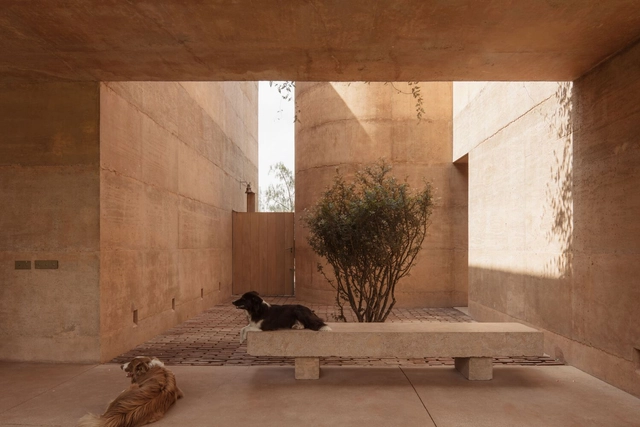


-
Architects: González Muchow Arquitectura
- Area: 650 m²
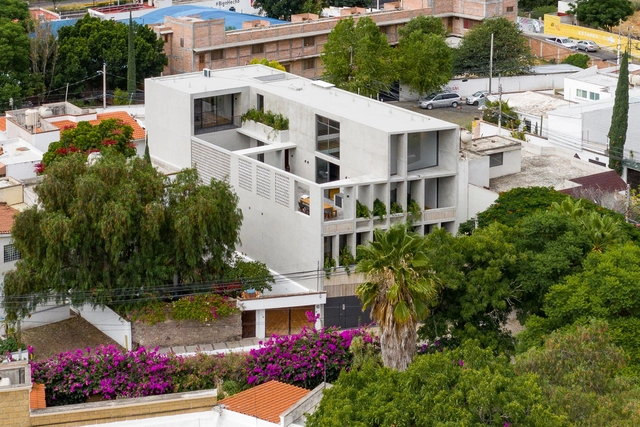
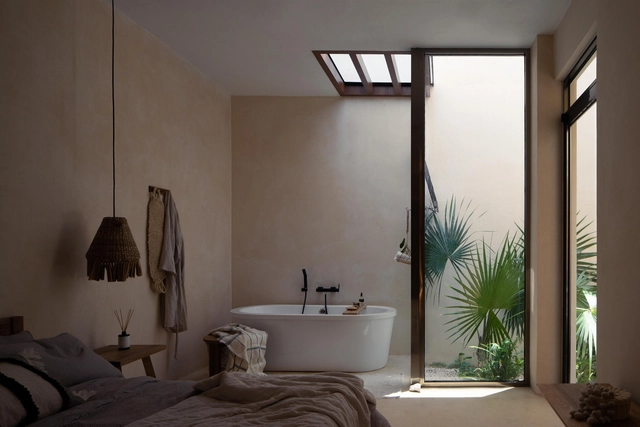
Over the years, interior design has evolved according to the needs that arise, but above all according to the experiences it seeks to evoke in the user. In the last two years we have witnessed a radical change and a special interest in this subject because the pandemic forced us to pay specific attention to the configuration of the places we inhabit. This brought about much more holistic designs that seek to address the wellbeing of the user, combining colours, sensory experiences, technology and natural elements that promote health.

As part of an initiative by LIGA, an independent space founded in Mexico City in 2011 to promote contemporary Latin American architecture through exhibitions, publications, events, lectures, and workshops, the exhibition “Registro: Museo Tamayo” opened on April 21 as part of the LIGA-ARCHIVOS initiative. This iteration presents a reinterpretation of the building designed by architect Teodoro González de León and built in 1981 in the First Section of Chapultepec Forest.
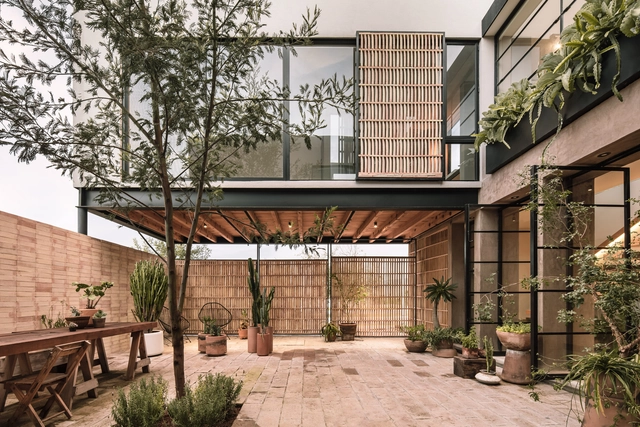
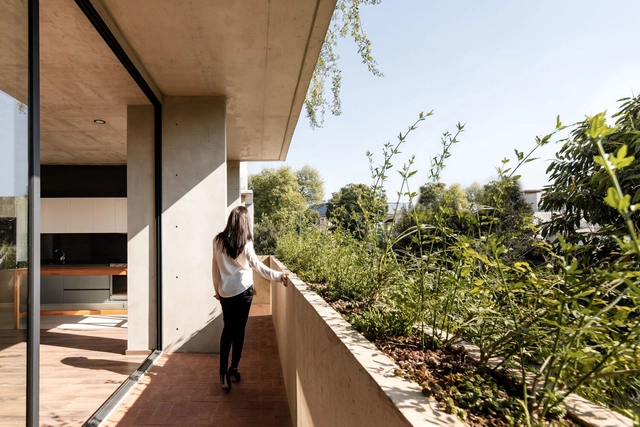
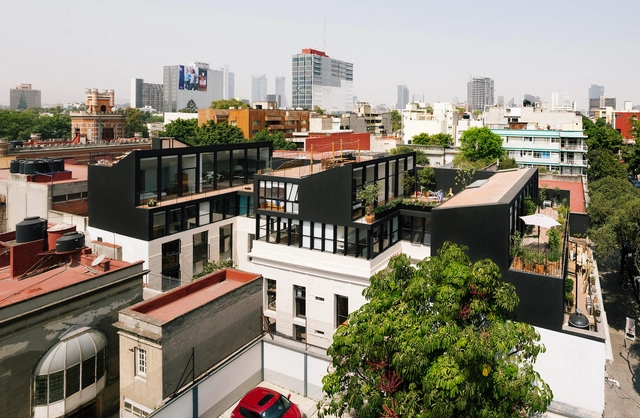
It has become evident that the spaces we inhabit have changed. The COVID-19 pandemic has forced us to appreciate values as lighting, ventilation, and comfort when working in home.
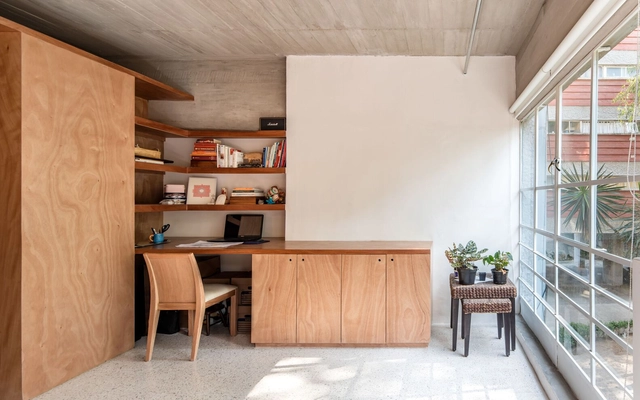
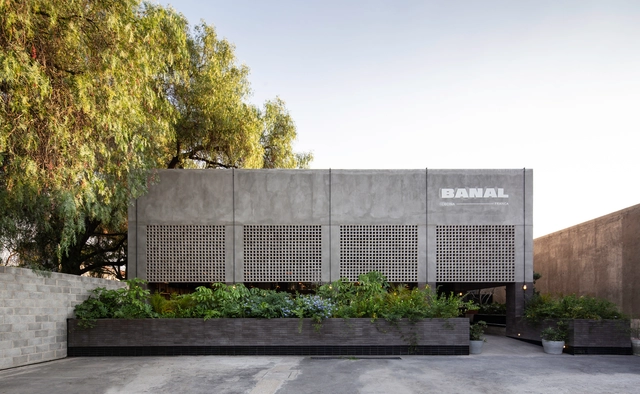
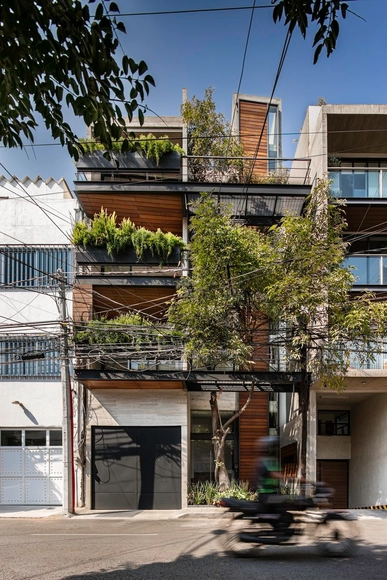


The renowned Fritz Höger Award for Brick Architecture announced the winners of its 2020 edition, which recognizes architectural practices from around the world for their outstanding achievements in brick construction. With nearly 600 projects submitted once again and a strong international response, the competition—now in its fifth edition—is one of Germany's most important architecture awards.
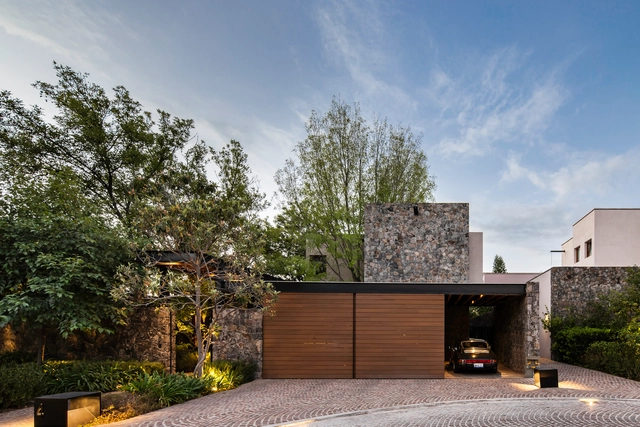
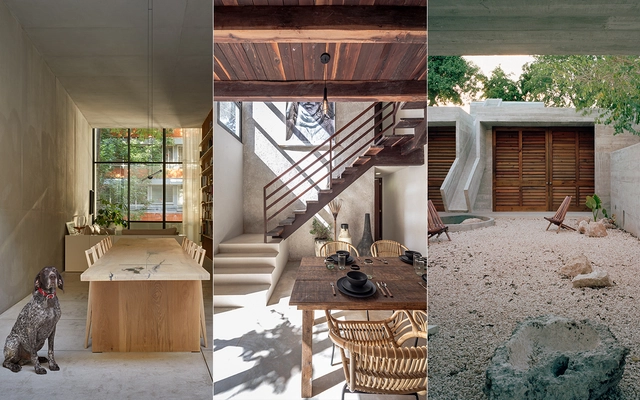
In a year defined by physical distancing, social media has taken on an even greater role in how we connect and stay informed. Our Instagram accounts have surpassed all previous reach records, bringing our audience the very best of what we publish on our website: projects, articles, interviews, and news from the architectural world, inspiring new ideas and tools for a better future for our cities.
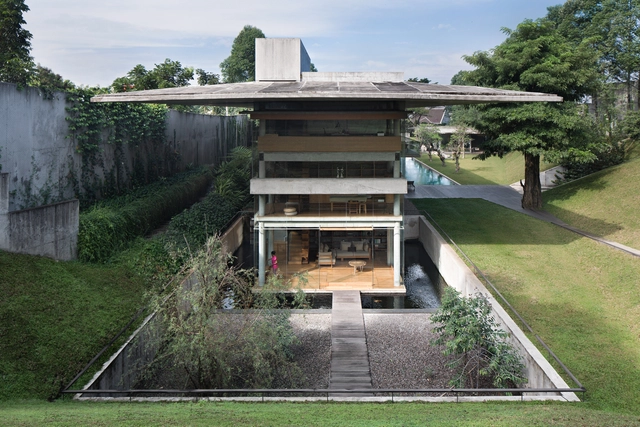
On behalf of the entire ArchDaily team, we would like to thank you for your continued support and for making 2020 our best year so far! We are now reaching more architects around the world and inspiring them in the creation of better built environments. With more than 5500 different projects published during the year, our curators are excited to share this collection of the 100 most visited projects of 2020. This selection represents the best content created and shared by the ArchDaily community over the past 11 months.

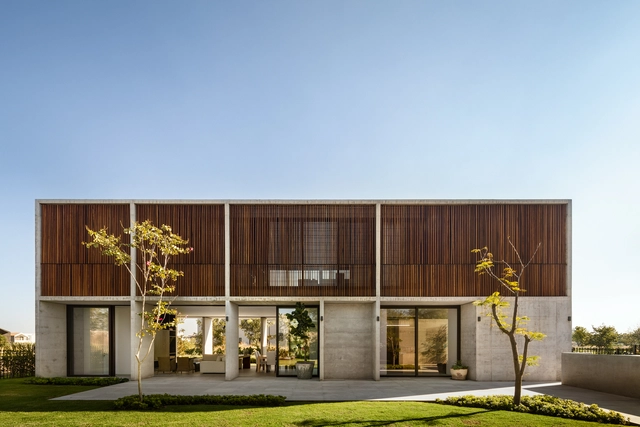
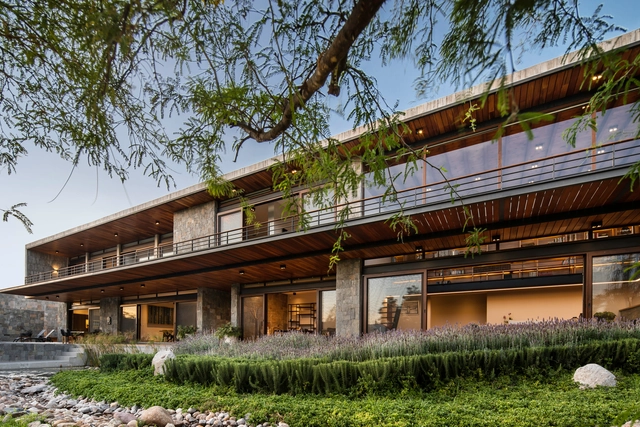
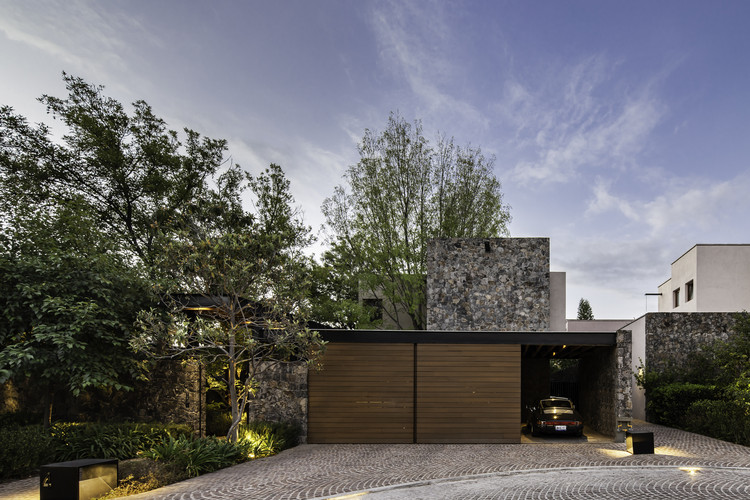
The state of Querétaro is located in the north-central region of Mexico, bordered by the states of San Luis Potosí, Guanajuato, Hidalgo, Estado de México, and Michoacán. Covering an area of 11,684 km², it is one of the most expansive regions in the country. Its capital is Santiago de Querétaro, which is also the state's most populous city. Among its most popular Pueblos Mágicos (Magical Towns) are Bernal, Tequisquiapan, Jalpan de Serra, Cadereyta de Montes, San Joaquín, and Amealco de Bonfil. Additionally, the state boasts four UNESCO World Heritage sites and one entry on the Intangible Cultural Heritage list: the Historic Monuments Zone of Santiago de Querétaro, the Franciscan Missions of the Sierra Gorda, the Otomí Chapels, and the living traditions of the Otomí-Chichimeca culture, respectively.






.jpg?1602009335&format=webp&width=230&height=230&crop=true)
