

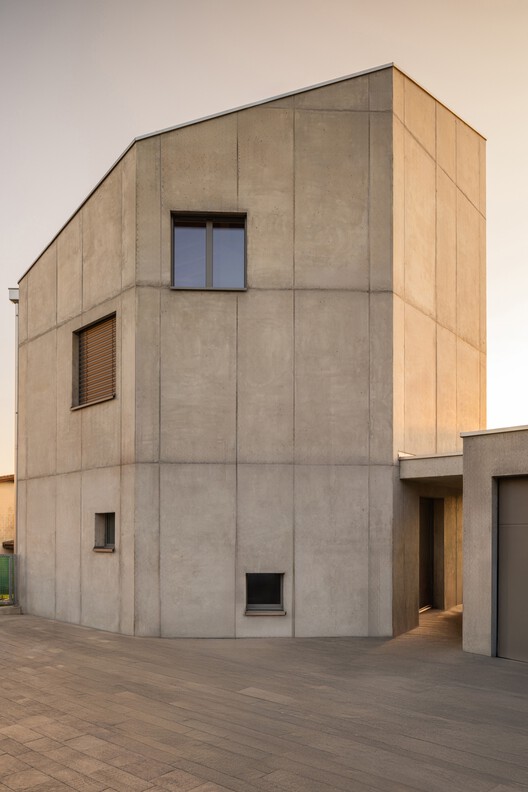
-
Architects: Davide Macullo Architects
- Area: 111 m²
- Year: 2023


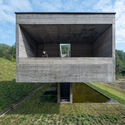
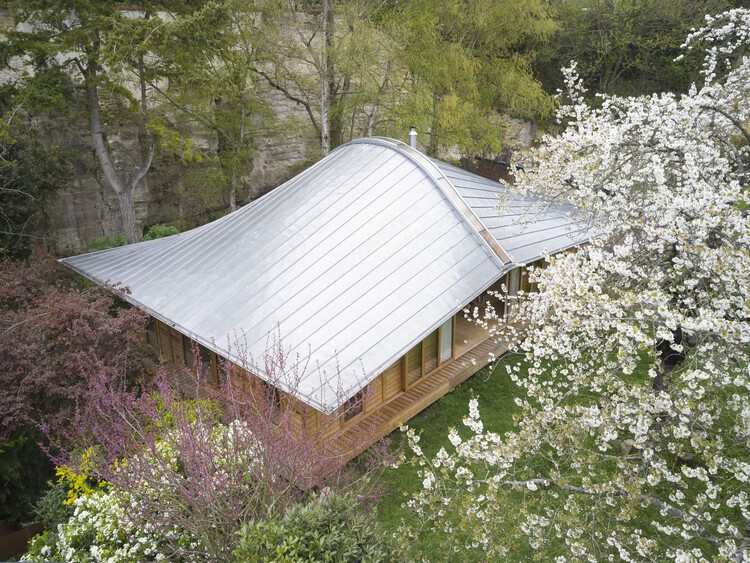
Quarries can be seen as indelible abandoned scars of human resource extraction. Man-made spaces, perceived as voids, and material gain, have fundamentally shaped our accelerating built environment. All the while, the earth stands still as a silent witness. For decades, these open-pit mines have been viewed as a necessary consequence of consumerism and urban growth, their raw, imposing forms a testament to the large-scale extraction of materials essential for building our cities. However, a global architectural movement is now emerging to engage with these existing forms, transforming these subtractive spaces into sites of innovation, collaboration, and renewed purpose.





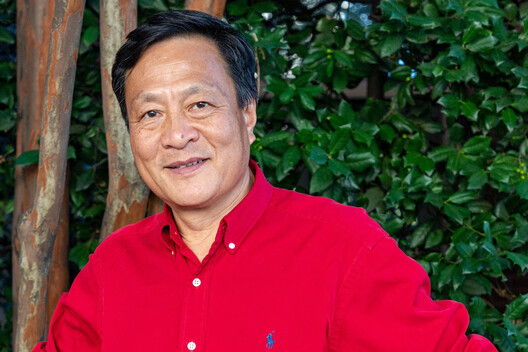
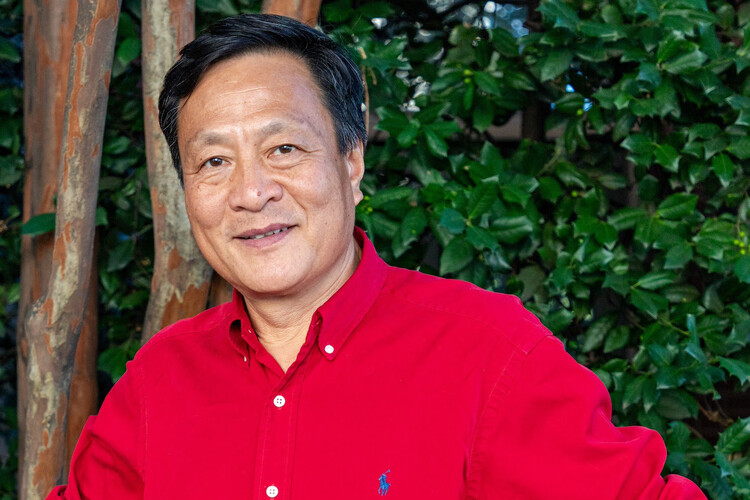
Kongjian Yu, the pioneering Chinese landscape architect and urban planner credited with coining the "sponge city" concept, has passed away at 62. According to Reuters, he was killed in a plane crash on Tuesday in the wetlands of Mato Grosso do Sul state, in Brazil, while reportedly filming a documentary about his work, after being featured in the opening program of the São Paulo International Architecture Biennale last week.
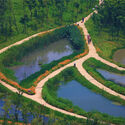
A globally-recognized advocate for ecological urbanism, Yu gained international relevance after his "sponge city" philosophy was adopted as a national policy in China in 2013. The approach prioritizes nature-based solutions, such as wetlands, parks, and permeable pavements, to absorb and retain water. This novel method stood in stark contrast to traditional concrete infrastructure, offering cities a way to combat urban flooding and accelerate climate change by working with nature rather than against it. His ideas have since been implemented in hundreds of cities worldwide.