
-
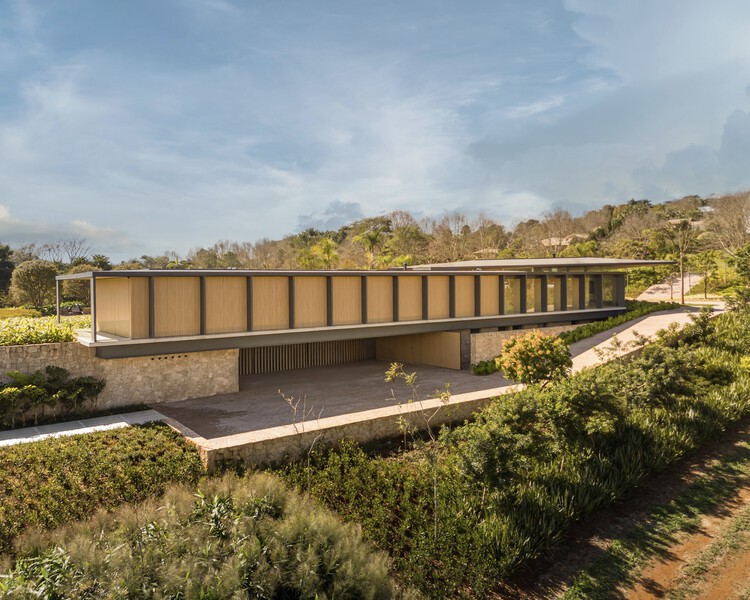
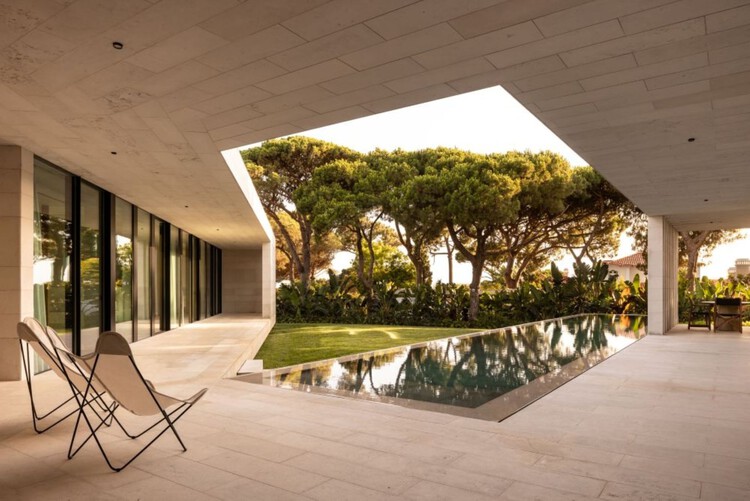
Architects: João Tiago Aguiar, Arquitectos
- Area: 878 m²
- Year: 2025

What is architecture? For some, its traditional role is to bring together imagination, technical knowledge, and problem-solving, allowing architects to design and construct while balancing ideas with the means to realize them. From the stone and wood of early buildings to the steel and concrete of the 20th century, each era demanded not only an understanding of form but also of the properties and potential of the materials in use. This grasp of materials has always been a core part of the creative process, though its scope was limited by the know-how and technologies available.
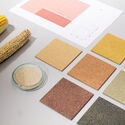
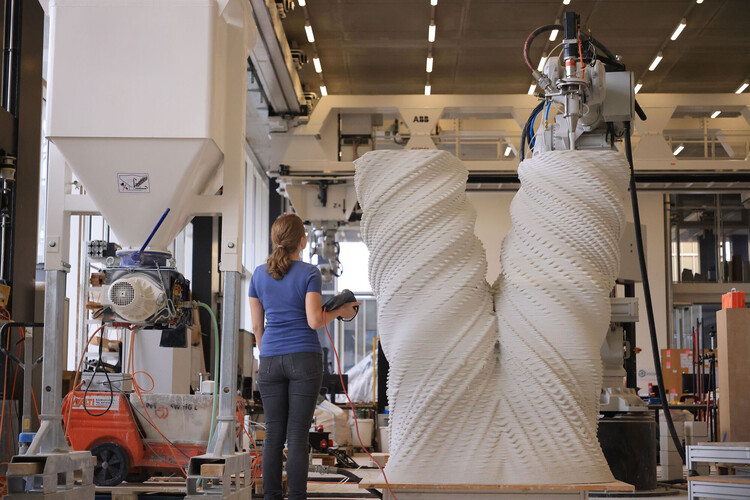
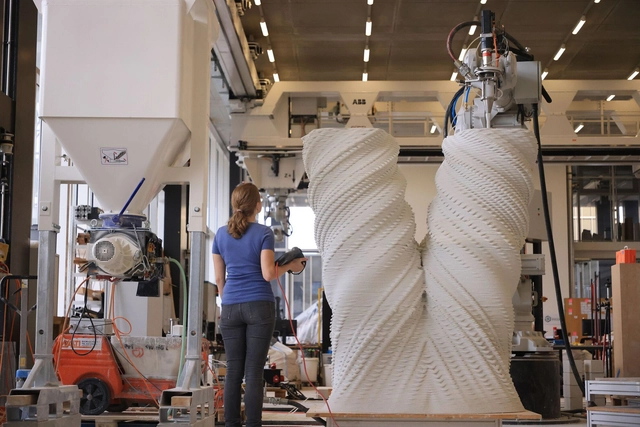
Over time, that balance has begun to shift. Architects have moved from merely using materials to actively designing them, applying scientific principles and experimenting with biological, chemical, and computational processes. This evolution has expanded the possibilities of architecture, intersecting nature, technology, and art, while pushing the role of the architect into a more experimental, science-driven dimension, where the manipulation and creation of materials becomes central to the creative act rather than merely a means to achieve forms or structures.






Urban policymakers and developers increasingly brand projects as temporary, piloting pop-up parks, art installations, and interim structures across global cities. Initiatives are often framed as experimental interventions that activate vacant sites. In practice, however, they frequently serve as provisional strategies to manage underutilized land until more profitable forms of development materialize. The temporary label functions as urban camouflage, obscuring permanent agendas behind provisional rhetoric.