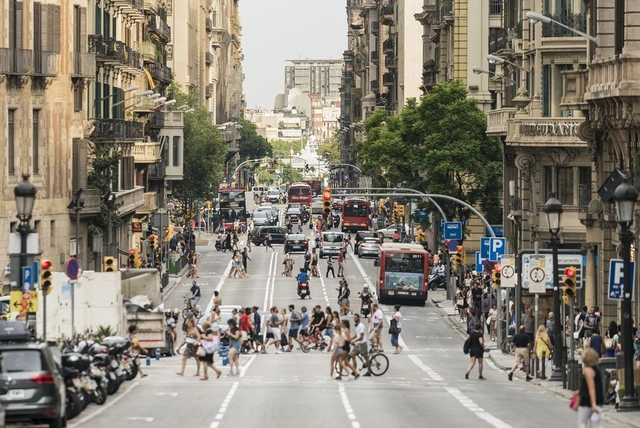
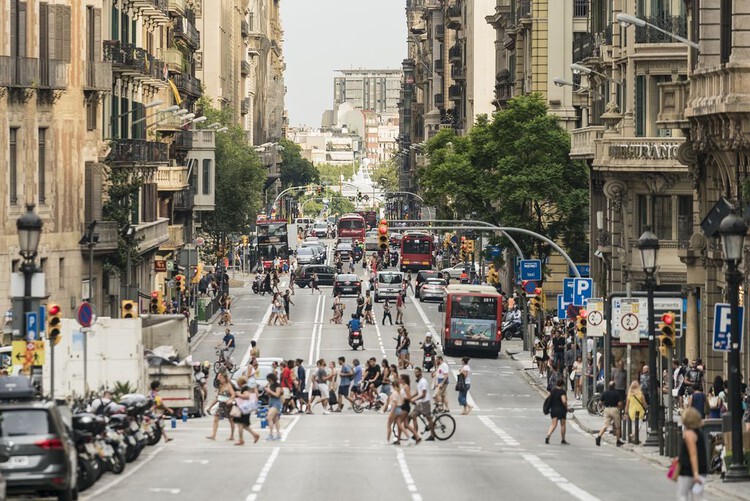
The climate crisis has made heatwaves more likely and more intense around the world. Record-breaking high temperatures are being reported across the world. According to international data, the first week of July 2023 was the hottest week on record, putting millions of people in danger. All throughout this summer, recurring heatwaves have been affecting large portions of Asia, Europe, and the United States, priming the land for fires in places like Greece, Spain, and Canada, triggering unhealthy air warnings, evacuations, and heat-related deaths. The increasingly threatening effects of the climate crisis are also felt in cities worldwide, as extreme heat proves to be a rapidly growing health risk to millions of urban dwellers.
Cities are on the front lines of this public health emergency. People living in urban areas are among the hardest hit when heatwaves happen, partly because of urban heat islands. This is a phenomenon that occurs when cities replace the natural land cover with dense concentrations of surfaces that absorb and retain heat, like pavements and buildings. Heat risk levels also vary by neighborhood, with less affluent and historically marginalized sectors being the most affected due to the density of the population, limited access to cooling systems, and the limited availability of green urban spaces.
The UIA World Congress of Architecture 2023 is an international invitation for architects worldwide to explore the future of the built environment. The event this year that brought together 6,000 participants worldwide, focusing on “Sustainable Futures – Leave No One Behind”, was set on discovering how architecture influences the 17 UN Sustainable Development Goals (SDGs), ranging from Climate Adaptation, Rethinking Resources, Health, Inclusivity, and more. While visiting this year’s edition in Copenhagen, the ArchDaily team had the chance to sit down with Jan Gehl, the father of people-centered design. The discussion revolved around 50 years after the launch of his world-renowned book, Cities for People, the first publication to reflect on how to properly develop cities on the human scale. Moreover, the interview followed his keynote speech at the UIA 2023, “Cities for People – 50 Years Later."
The geological period we currently inhabit is known as the Anthropocene, defined by the substantial human impact on Earth's ecosystems and geology. In contrast, the Symbiocene, a term coined by Australian philosopher and environmentalist Glenn Albrecht, presents a vision of the future characterized by a positive and symbiotic relationship between humans and the natural world. In the Symbiocene era, humans actively collaborate with nature, acknowledging their interdependence with Earth's ecosystems and striving to regenerate and restore the natural environment, thus creating a more harmonious and sustainable world.
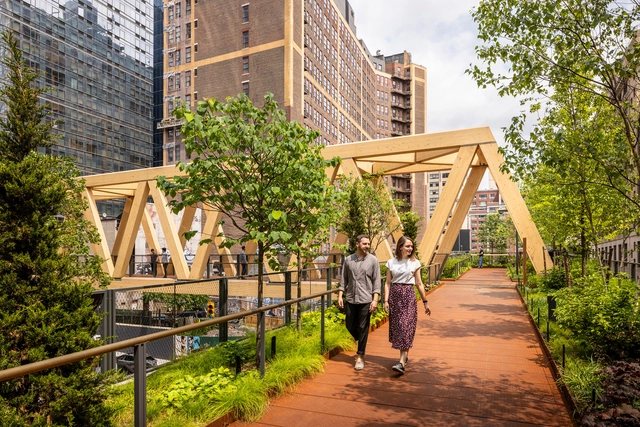
In midtown Manhattan, the street crossings surrounding the entrance to the Lincoln Tunnel were once some of the most challenging in the city. A mess of highway ramps, missing sidewalks, and concrete barriers made the corner of Dyer Avenue and 30th Street an area to avoid.
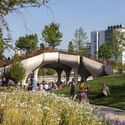
Now with a new $50 million elevated connector, pedestrians can safely move 30 feet above the intersections using a 600-foot-long L-shaped bridge from the High Line to Moynihan Train Hall.
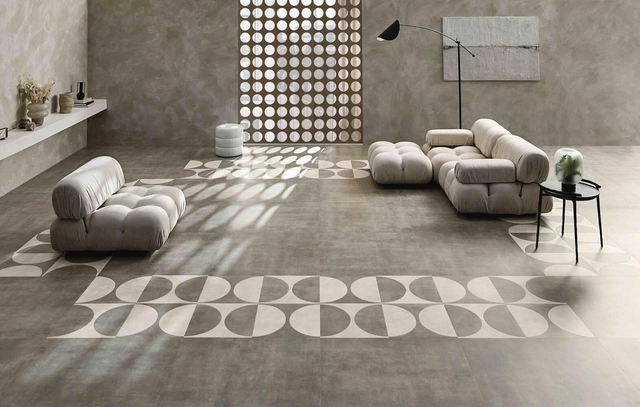
Round thing: With the Arc and Lune laying patterns, Amtico is one of the first manufacturers to add bold curves and moving circular geometries to their main collection. Image Courtesy of Amtico
It accompanies us through the day, gives us support, shows us the way and touches our senses. This may sound like the description of your perfect partner, but in this case, we are talking about the ground beneath our feet. Day after day, year after year, we come into daily contact with it, though it generally melts into the background, is taken for granted and overlooked. So it's time to give it some deserved attention. There is, after all, far more beneath its surface than meets the eye.
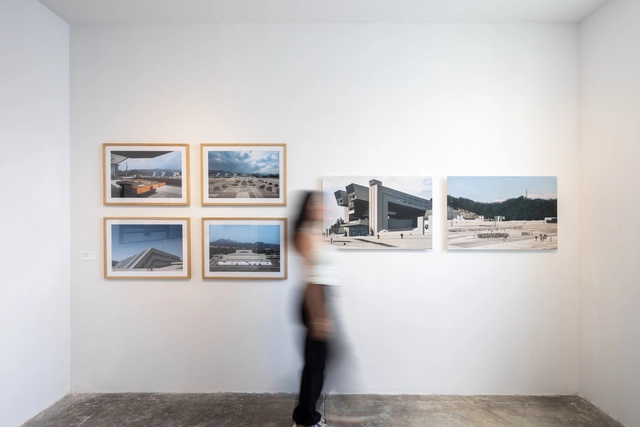
As part of the cultural programming of LIGA, Espacio para arquitectura in Mexico City, the exhibition "Architecture for Gods" ("Arquitectura para dioses") opened in late June. It offers a contemporary record of the Heroico Colegio Militar building, designed by Agustín Hernández Navarro and Manuel González Rul in 1976—an iconic work of Mexican architecture of its era.
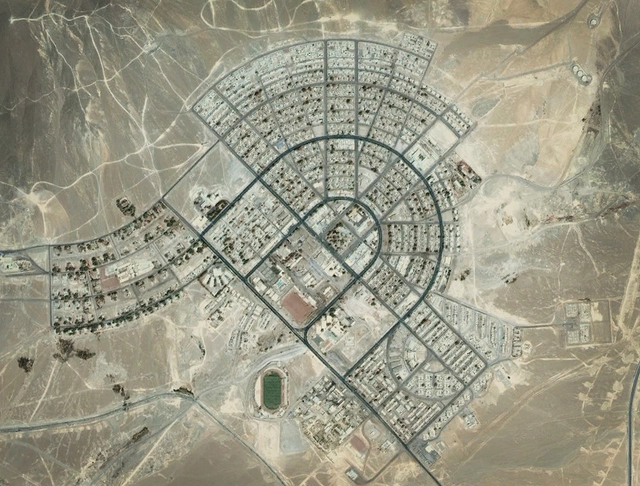
El Salvador was founded by the Andes Mining Copper Company in1959, [1] in the southern area of the Despoblado de Atacama. It originated as a new copper company town[2] designed to fulfill residential and labor functions related to copper mining, based on a project by American architect Raymond Olson of Anaconda-Jurden Associates, Inc. It operates the underground Inca mine, as well as the Campamento Antiguo and Damiana Norte open-pit mines. It complements the smelter located in the company town of Potrerillos, 72 km away. El Salvador was first "Chileanized," later "nationalized," [3] and finally integrated into the Chilean state company CODELCO during the 1980s.
https://www.archdaily.com/1136332/the-origin-of-cities-el-salvador-chileEugenio Garcés Feliú, Juan Barría, Rodrigo Ledezma, Lorena Estai
Rock salt is a chemical sedimentary rock that forms through the evaporation of water, as minerals dissolve and settle down. When excavated directly from the earth, it maintains a cube-shaped crystalline form. With its diverse textures, compositions and structures, this natural element has captivated human interest for centuries. Depending on the region and environmental conditions, salt rock has been found in diverse applications in architecture, such as a construction material that uses blocks of salt to build structures, bricks, or tiles. Often translucent, these bricks allow diffused light to enter interior spaces, creating a unique atmosphere and aesthetic appeal.
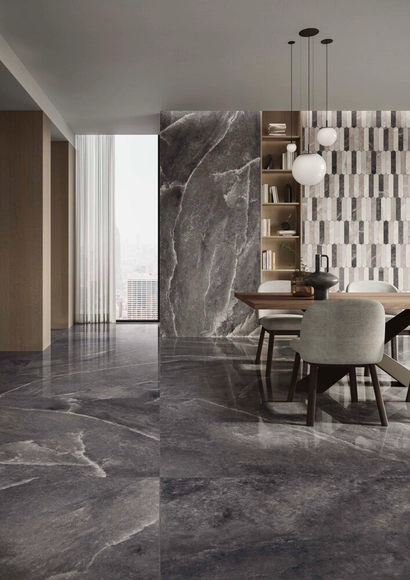
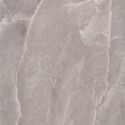
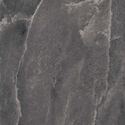
Giving this ancient material a modern twist, Casalgrande Padana uses rock salt as the inspiration for its new Supreme porcelain stoneware tile collection. By replicating the colors, texture and brightness of natural sedimentary rock, this collection can be seen as a fascinating journey to discover the unique features of the center of the Earth.
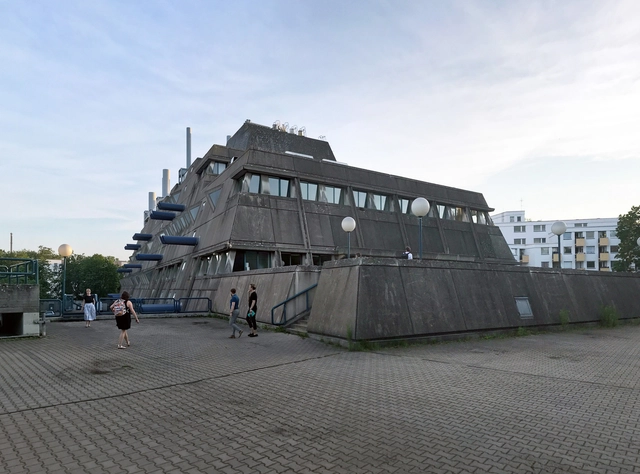
The former animal laboratories of the Charité in Lichterfelde, also known as the Mäusebunker building, have now been placed under monument protection, saving it from the threat of demolition that has been slated since 2010. The brutalist structure was designed by architects Gerd and Magdalena Hänska and built from 1971, and put into operation in 1982. While its strong image, combined with its function as a laboratory for animal tests, resulted in the general public’s distaste for it, the Brutalist building slowly gained acceptance and even a cult status among brutalist fans.
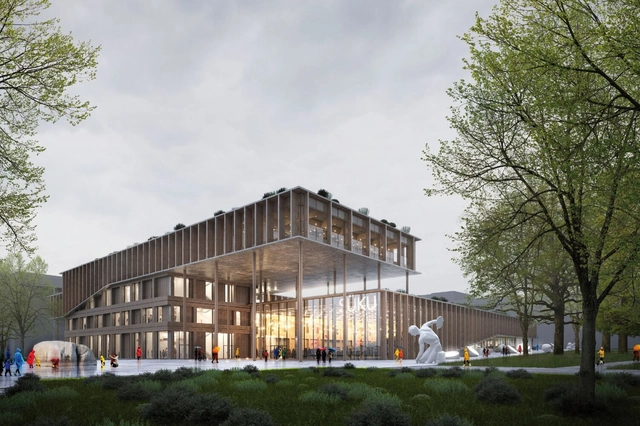
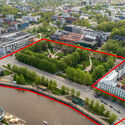
Estonian studio OÜ Kolm Pluss Üks won the international architecture competition for the Tartu Cultural Center. Selected out of a total of 107 proposals, the winning project titled “Paabel” is set to become the cultural heart of the city center, capturing the competition's main goal and developing an outdoor space solution. Kadarik Tüür Arhitektid OÜ took the second position for their design of “Tarte Tatin”, while the third place went to Denmark-based architectural studio Atelier Lorentzen Langkilde Aps.
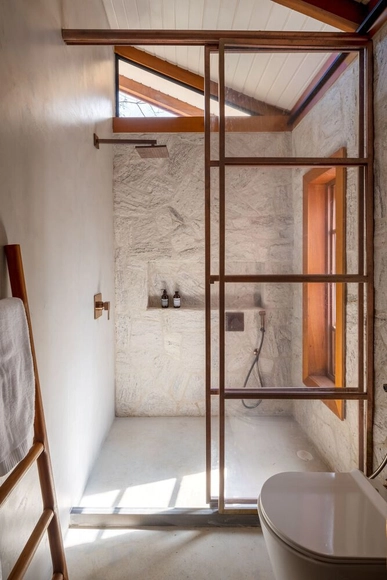
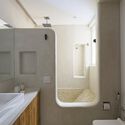
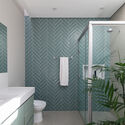
Designing a bathroom requires careful attention to detail to remain beautiful and organized. The amount of hygiene and health products typically stored in this environment requires functional cabinets and other strategies. Increasingly, we see the solution of using niches to create a recess in the wall. This allows optimizing the available space and, as a bonus, makes the environment more aesthetically pleasing. That's why we bring you some examples of bathroom niches and tips for their installation. In addition, we bring you other examples beyond traditional soap dishes.
Landscape architecture is having a moment. The latest proof: last week, the US Department of Homeland Security decided to accredit the field with its prestigious STEM designation. As part of the science, technology, engineering, and mathematics (STEM) educational disciplines that fall under this category, landscape architecture students can now spend an additional 24 months seeking employment and training post-graduation in the United States after an initial period of a year granted to all graduates. The title also promises more prestige, higher entry salaries, and additional career flexibility. Torey Carter-Conneen, CEO of the American Society of Landscape Architects (ASLA), calls the development a significant advancement for 'landscape architecture education and practice, and that is great for America and the global community.'
The news corresponds to a growing emphasis on landscape architecture as a pivotal practice around the globe in recent years – one that is closely connected to notions of public health, environmental design, biophilia, sustainability, and re-wilding. It also underlines the intimate relationship between technology and the discipline. Landscape proposals increasingly rely on advanced science and technology to predict how ecological interventions might alter an existing terrain and determine what measures will yield the highest benefit for both humans and nature. The contemporary ideal of wild meadows and biodiverse forests may exist free from external influence, but the path to get there requires assistance.
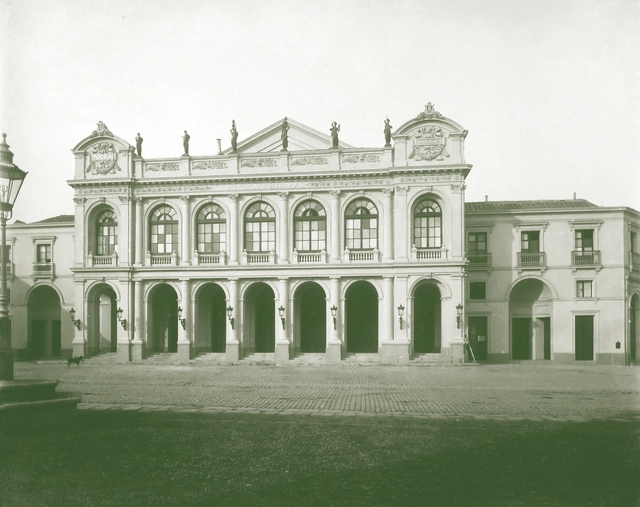
Municipal Theater rebuilt after the 1870 fire. Photograph by unknown author. Source: Photographic Archive of the National Historical Museum. Image via Ediciones ARQ
This article by Germán Hidalgo Hermosilla was originally published in issue 113 of ARQ magazine. Discussing the renovations to the Santiago Municipal Theater building, from its inauguration in 1857 until nearly a century later, Germán Hidalgo recounts the forces driving change: natural disasters, stylistic debates, and urban modernization, among others. The foyer occupies a central role in this narrative as a space of presentation and representation: where the technical demands of the theater meet the aspirations of an institution, a city, and the building's successive architects.
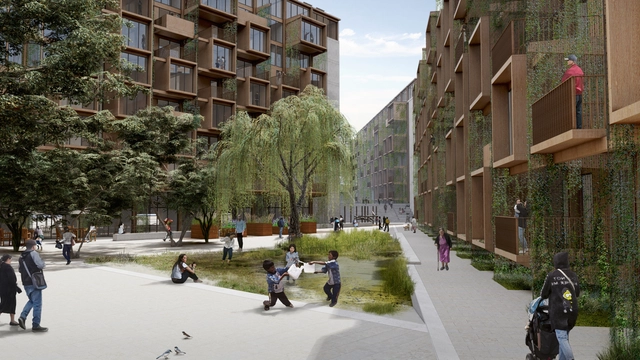
The "Construye para Crecer" (Build to Grow) project by Susana Biondi Antunez de Mayolo and René Poggione Gonzáles (Poggione+Biondi Arquitectos) was named the winner of the XIX National Architecture Biennial of Peru 2022. The jury highlighted its "comprehensive sustainability proposal linked to efficient water management, energy, and the life cycle of the proposed materials." Remarkably, the design not only incorporates an artificial wetland to support the local ecology but is also structured to be built primarily of timber.
This would make the residential complex one of the tallest timber-built developments in South America, directly addressing material use and energy efficiency in the country. It promotes sustainable forest management while offering an environmentally conscious alternative that minimizes energy consumption and boasts a low life-cycle impact.
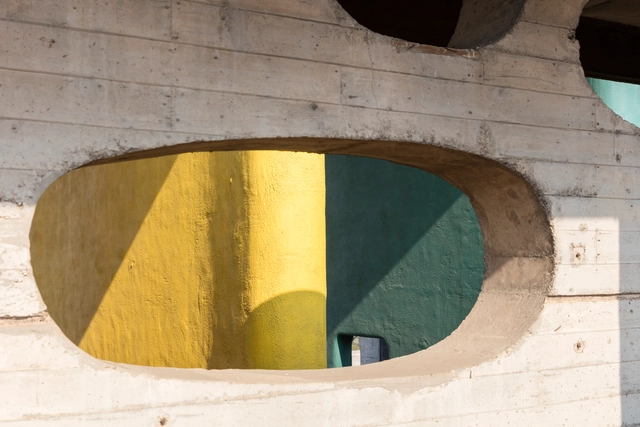
The work of the French-Swiss architect Charles-Édouard Jeanneret is, among many other adjectives, comprehensive. Le Corbusier explored a wide range of scales in his work, from furniture design to urban planning for entire cities. His diverse portfolio also encompassed painting, varied projects, and writing books. One thing that isn't talked about as much, however, was the color theory he developed and applied to several of his architectural designs and artistic endeavors. Deeply rooted in his belief that color plays a significant role in evoking emotions and creating spatial illusions, Le Corbusier's color theory was described in his book "PolyChromie Architecturale" (polychrome architecture), published in 1931. There, he introduced his concept and a carefully curated range of colors that were intended to be used in specific architectural contexts.
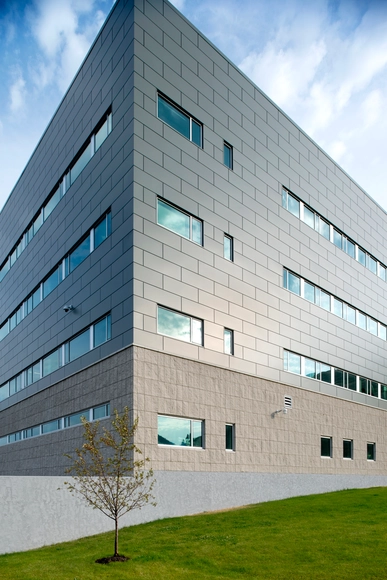
Architects and builders often opt for metal panels due to their exceptional qualities: durability, affordability, and versatility. These attributes hold immense value for construction professionals, who constantly seek cost-effective solutions. Moreover, when a product seamlessly merges desired aesthetics with optimal performance, it becomes a highly sought-after choice for a diverse range of projects.
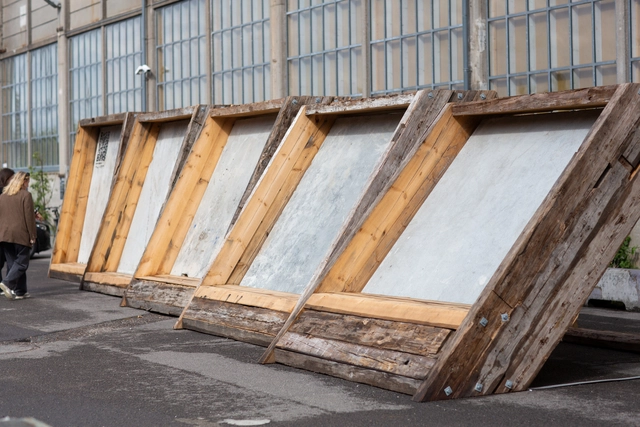
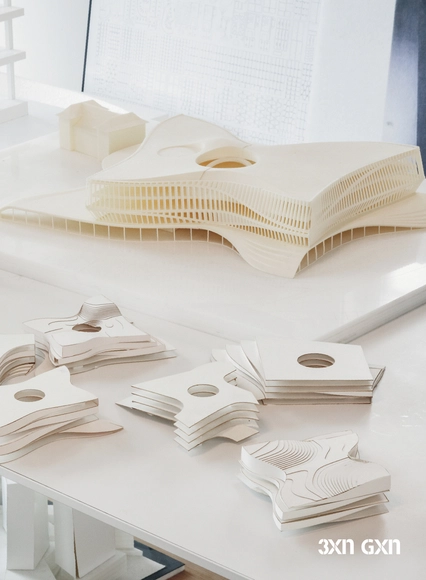
Developed by GXN for the 2023 UIA World Congress of Architects in Copenhagen, The (P)RECAST Pavilion explores the possibility of reusing precast concrete elements from existing buildings to promote circularity and reduced carbon emissions in the construction industry. The pavilion showcases salvaged concrete elements alongside 200-year-old timber beams, highlighting their aesthetic and structural value. Following the same motivation but through a different approach, MEE Studio has developed The Regenerative Cabin. Located in Copenhagen, the structure explores the applied use of regenerative biogenic materials to reduce the carbon emissions associated with the building materials.
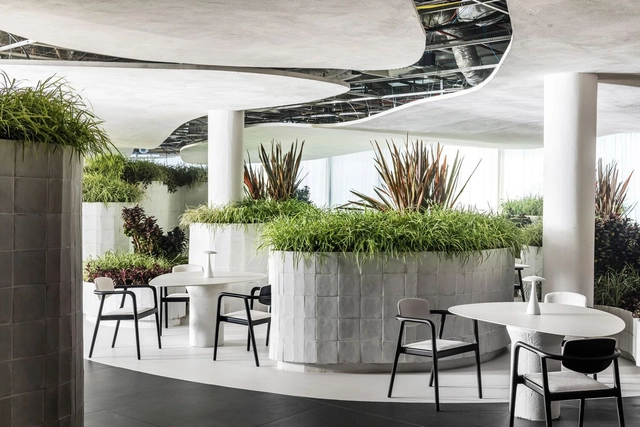
Biophilia, or love for life and nature, inspires architects around the world to create spaces that deeply connect with natural elements. These architectural projects seek to reintroduce nature into built environments, resulting in spaces that promote well-being, health, inspiration, and even productivity. In Brazil, the possibilities are even broader, given the country's exuberant climate and the vegetation found in various biomes. In this article, we will explore seven projects from different programs that embrace this concept and allow for a symbiosis between architecture, humans, and nature.
At first, adding a mezzanine floor to a layout either seems like a complete waste of good floorspace or a clumsy attempt to squeeze two stories into one – like wearing skinny jeans after Christmas – both spaces end up feeling constricted and uncomfortable.
But whether the intermediate-level floor is achieved by addition – erecting an extra level in a high-ceilinged room, or by subtraction – removing part of the floor to connect with the one below, mezzanines are a relatively simple way to dramatically change and improve how we use and interact with our existing environments.
There is often an intricate relationship between architecture and the environment. Each part of the world has defined its own architectural techniques based on its unique climatic conditions. However, environmental concerns in the 21st century provoked new techniques, implementing solutions to preserve natural resources and provide thermal comfort. While some opted for a futuristic approach with mechanical and technologically-advanced solutions, others decided to go back in time and explore how civilizations protected their people, architecture, and environment when they had nothing else to resort to but the environment itself. In this article, we look at how Musharrabiyas found their way back into modern-day architecture as significant vernacular features.
Spring is a time for rebirth, for the shedding of old skin and fresh beginnings. Anyone who has spent the last few months hopping across the globe for in-person fairs can testify to the fact that this seasonal renewal trend did not skip the architecture and design industry. Loaded with post-pandemic energy and a desire to catch up on all that's been missed due to Covid-19, organizers, attendees and exhibitors were adamant to mix things up in 2023.
Koelnmesse was no exception. Not only did the organizers of imm cologne defy expectations by pushing the fair to a spring slot from 4 to 7 June, they also saw an opportunity to finally implement format changes that they had been contemplating well before the world shut down for the larger part of three years.
As they recognize the growing significance of innovation in today’s business landscape, architecture firms are experiencing a transformation. Companies across diverse industries have also come to appreciate the impact of design on cracking challenges, thanks to the success of design-focused startups such as Airbnb. Traditionally confined to designing physical structures, architecture firms are broadening their scope and embracing research and innovation as integral elements of their design process. With the establishment of research and innovation divisions, these firms not only enhance their own practices but also offer their expertise to address the evolving needs of our era—ranging from human and technological advancements to strategic innovation.
After a prolonged period of decline, in September of 476 AD, the Roman Empire lost authority over its vast territory and fractured into numerous successor political entities. This event marked the fall of the Western Roman Empire. Although this occurred centuries ago, its influence remains present today through numerous contributions to contemporary society. One of these architectural contributions is the public bath, of which one of the finest examples still survives: The Roman Baths in Bath, England.
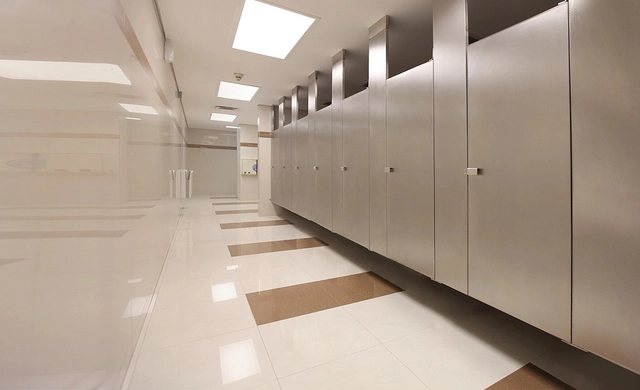
Early public baths featured their own diverse architectural programs, incorporating everything from cold, warm, and hot pools to services such as shops, gyms, and libraries. Over time, public restrooms have evolved, becoming more sophisticated and compact units that integrate new materials and technologies into large-scale building programs. As part of this evolution, contemporary materials like stainless steel have been incorporated into the equipment developed by Sanilock, owing to their hygienic and low-maintenance qualities.
https://www.archdaily.com/1136177/why-is-stainless-steel-a-good-material-for-public-restroomsEnrique Tovar