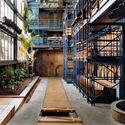
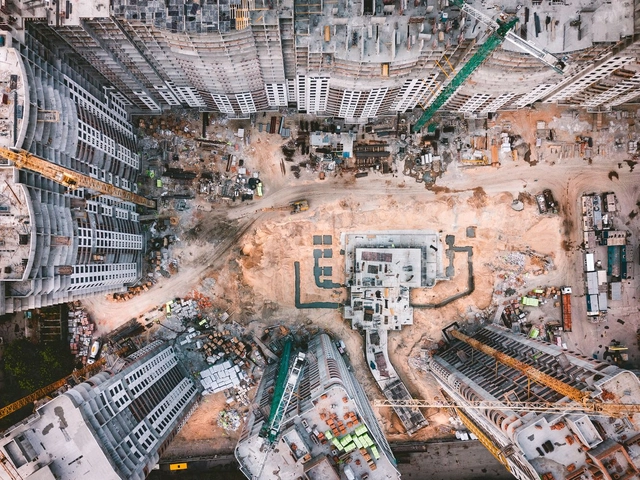
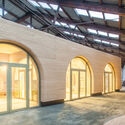
What is the city? It is the opposite of the forest. The opposite of nature. The city is an artificialized, humanized territory. The city is a territory designed exclusively for humans. Humans have excluded all possibilities of other life forms in the city. Any other life that attempts to exist in the city is destroyed. If it does exist, it is thanks to the force of the organic, not because humans want it to.
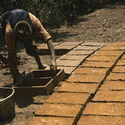
I was raised in a house with a dirt floor, where I walked barefoot. Chickens and other animals lived with us inside the house. When a chicken left its droppings on the dirt floor, the wet part of the waste was absorbed by the earth. We would pick up the solid part and throw it in the backyard to use as fertilizer. To city people, this is horrifying. Step on chicken droppings? Impossible! There must be perfectly smooth ceramic tile to spot any other life, any other living being that might be there, to disinfect it and kill every microorganism. To kill even what cannot be seen. To walk barefoot, the floor must be disinfected: ceramic tiles were created because humans cannot step on the earth. Shoes were created because humans cannot step on the earth. Because the earth is the original yearning.
https://www.archdaily.com/1136351/cities-and-cosmophobiaAntônio Bispo dos Santos
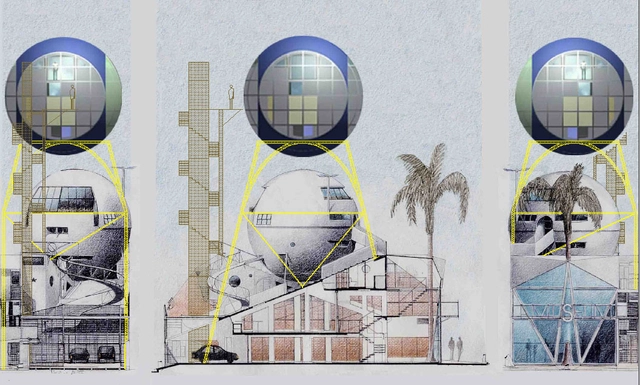
Arquicast speaks with one of Brazil's most intriguing and renowned architects, Eduardo Longo. Describing any professional's body of work is a complex task, but it is especially challenging when discussing a figure like Longo, whose career is defined by a rejection of the established principles of his time, consistently seeking innovation and experimentation in architecture.
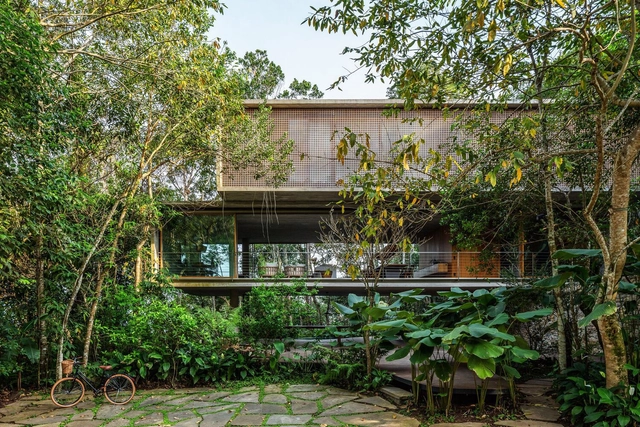
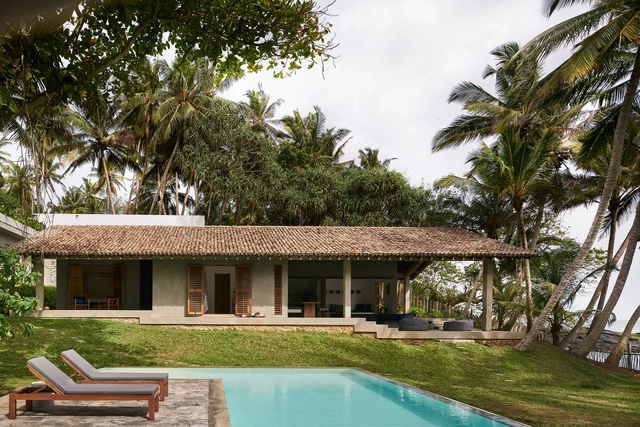
There is something very attractive about the combination of lush vegetation and exposed concrete roughness. This is what the book Concrete Jungle: Tropical Architecture and Its Surprising Origins, published by Gestalten, proposes to investigate. The publication offers a reading on modern "tropical architecture", presenting houses located between the Tropics of Cancer and Capricorn and their relationships with their cultural, constructive, and environmental origins. It features several projects and architects, from the 1950s to the present day, tracing a multifaceted panorama that includes residential buildings located in regions as distinct as Brazil, Mexico, India, and Kenya.
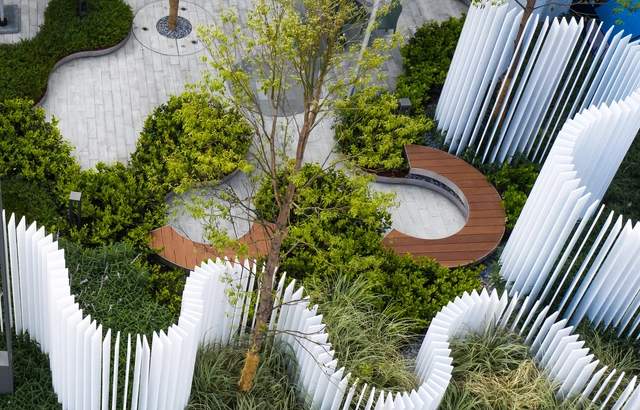
Far beyond its decorative features, landscaping brings with it biological and cultural issues that need to be addressed in projects. However, what can be seen in most public, residential, condominium, commercial and business gardens is a series of approaches that distance landscaping from all its attributes, reducing it to a decorative layer in the construction. Next, we have put together strategies to avoid the main problems of landscape design, joining aesthetics with its environmental and cultural possibilities.
The year was 1969. Lina Bo Bardi wandered through the São Paulo neighborhood of Bixiga, which at the time resembled a war zone. The clearings and piles of rubble were the result of a violent urbanization cutting through the region in the shape of São Paulo's East-West expressway complex.
Against this backdrop, Lina collected personal objects found in the debris, picking up "the most sordid items," as Zé Celso, director and creator of Teatro Oficina, stated in an interview. There was a clear reason for this undertaking: to compose the set for the play In the Jungle of Cities (Na selva das cidades), designed by the architect herself. In it, a stage shaped like a boxing ring was fashioned from the rubble of the demolitions taking place around the theater. The play was divided into 11 rounds, in each of which an institution is destroyed until the ring itself is demolished. At the end, the actors remove even the theater floor to reach the bare earth.
Environmental issues have been the defining theme in architecture for several years now. The imminent scarcity of natural resources and growing awareness of the environmental damage caused by the construction industry have forced the profession to take a stand and develop solutions that mitigate its impact on the planet. While developing new technologies that enable more sustainable materials is essential, this impetus can—and must—originate at the very beginning of architectural practice: the design phase.
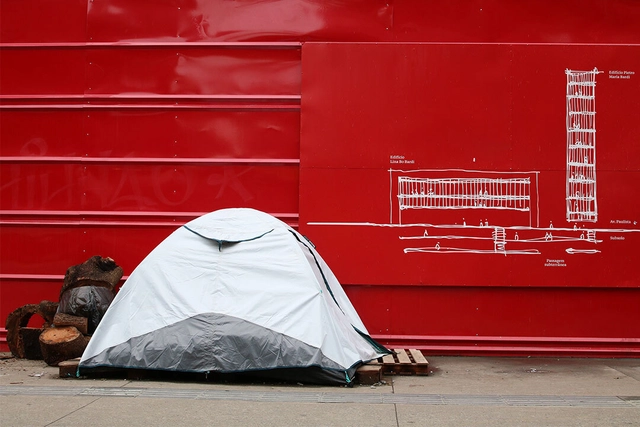
Have you ever considered the possibility of a world with no more people experiencing homelessness? The United States did, and countries like Canada, Spain, Portugal, France, and Denmark followed suit, incorporating the Housing First methodology into their national strategies to address the issue.
The formula consists of providing exactly what they lack: housing and connection. The results are consistent and, moreover, beneficial to public coffers. In Brazil, Projeto RUAS is testing the model and seeking resources to expand it. The NGO's goal is to understand how it adapts to our reality and, in the future, propose it to public authorities.
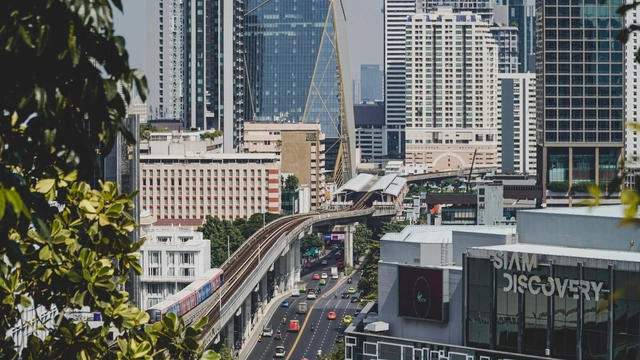
Cities occupy just 3% of the Earth's land surface, yet they account for most of the world's energy consumption and carbon emissions. Many are also highly vulnerable to climate change and natural disasters due to their high population densities and interconnected infrastructure. To prevent the worst impacts of climate change—including human, social, and economic losses—making cities more resilient and prepared for a changing climate is crucial. Yet, recent studies indicate we are still far from achieving this.
Tropical architecture, a term widely used in architectural discourse, lacks a consistent definition. The adjective ‘tropical’ relates to the zone between the Tropics of Cancer and Capricorn, which covers more than 40% of the earth’s surface. Heat is possibly the only shared characteristic of this belt. The tropical zone holds a range of climates from arid to wet, as well as a variety of geographic, social, and economic contexts. Unlike in temperate or arctic zones, a single umbrella term is used to describe the architecture of the tropics.
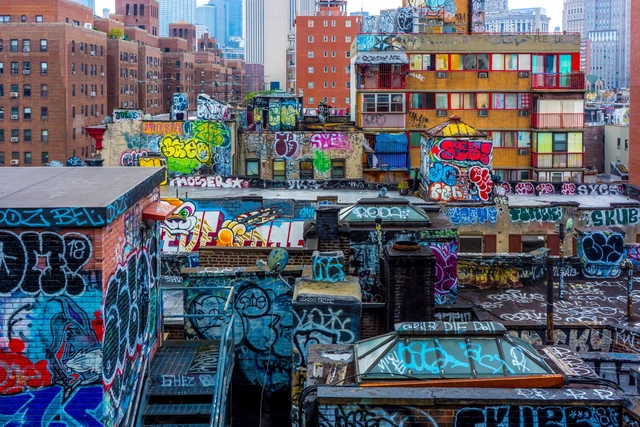
Graffiti, as an art form, has a complex relationship with gentrification. On one hand, it has engaged the streets and urban fabric as a canvas for people to express themselves culturally and socio-politically. This expression could be a form of rebellion by ethnic minorities and disadvantaged groups in certain neighborhoods, or it can build up a sense of cultural uniqueness and social expression, giving a neighborhood a positive character and attracting newcomers. However, over the years, the latter has been an agent of gentrification, spiking up property values to accommodate richer residents and alienating the native communities of those neighborhoods.
In certain instances, artists recognize their role in this urban scheme and tweak their art form through its style, message, location, and action as direct forms of protest to fight against gentrification. From Brixton, Shoreditch, and Hackney in London, Williamsburg and Bushwick in New York, to The Canal Saint-Denis and Belleville in Paris, the use of graffiti on the streetscapes of these neighborhoods can either protest or inspire different forms of development.
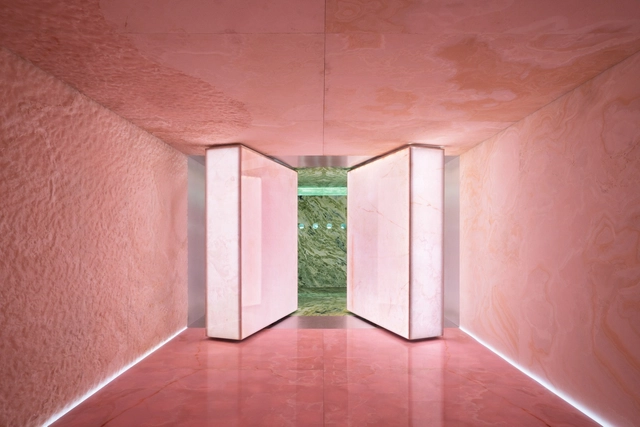
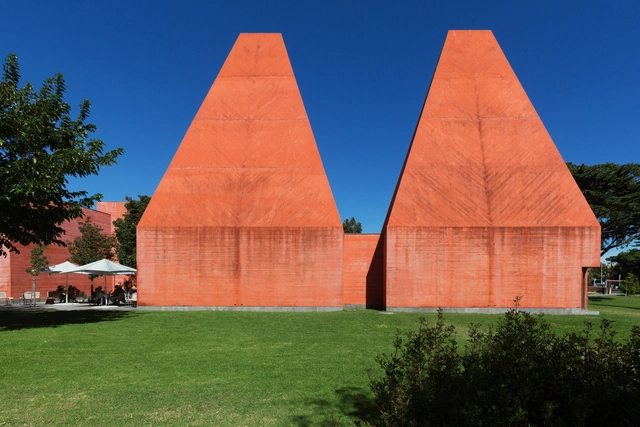
Materiality is a determining factor in shaping the character and experience of a building. Playing with the aesthetic and tactile qualities of materials, the design process encompasses their analysis, selection, and arrangement to create purposeful and sensory-rich spaces. Alongside textures and patterns, exploring materiality also involves the study of color possibilities. The versatile role of color in architectural materials extends beyond mere aesthetics, as it can broaden design opportunities and influence emotional responses, functionality, cultural relevance, and environmental performance.
Even though each material has its distinctive inherent color, the addition of artificial or natural pigments can modify them in favor of the project’s identity. Delving into the debate on maintaining raw aesthetics or changing a material’s natural hues, we showcase various projects to study the differences between using natural versus artificial pigmentation of glass, concrete, brick, stone and wood.
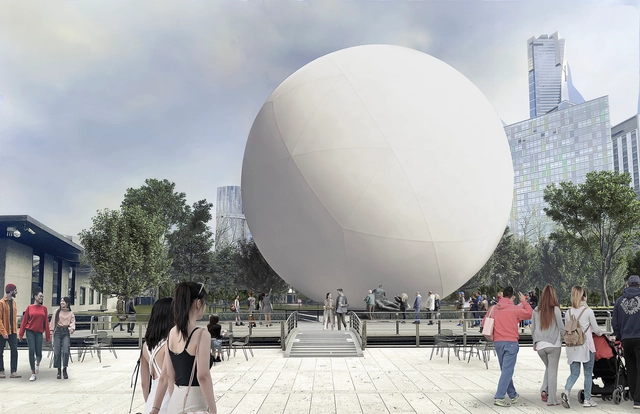
The National Gallery of Victoria 2023 Architecture Commission has chosen a colossal inflatable sphere, named (This is) Air, as its centerpiece. This unique creation is a collaboration between architect Nic Brunsdon and ENESS, aiming to bring the invisible into view by highlighting a fundamental aspect of life: breathing air.
From Le Corbusier's color theory to the aesthetic proposals of the Bauhaus, color has played an essential role throughout architectural history. Today, however, we stand on the threshold of a new era of innovation, where the meaning, application, and impact of color in architecture are also undergoing a transformation. This shift raises new questions: could new materials and finishes revolutionize the color palette? What are the possibilities for color in virtual spaces? What will be the next color trends in the world of interior design?
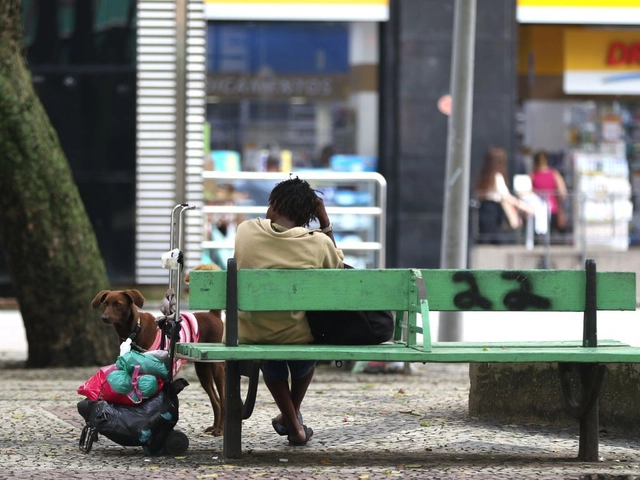
There is a growing public perception that the number of people experiencing homelessness has been rising in Brazil. To better understand this issue, the Brazilian Observatory of Public Policies on the Homeless Population, established under the Polos de Cidadania Program at the Federal University of Minas Gerais, compiled data from thousands of municipalities in a historical series spanning from 2012 to 2021. Unfortunately, the data indicates that this crisis is indeed worsening across the country.
https://www.archdaily.com/1136354/what-does-the-data-say-about-the-homeless-population-in-brazilAndré Sette e Anthony Ling
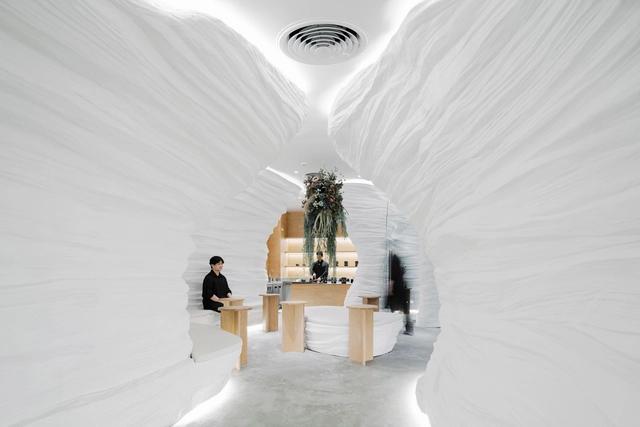
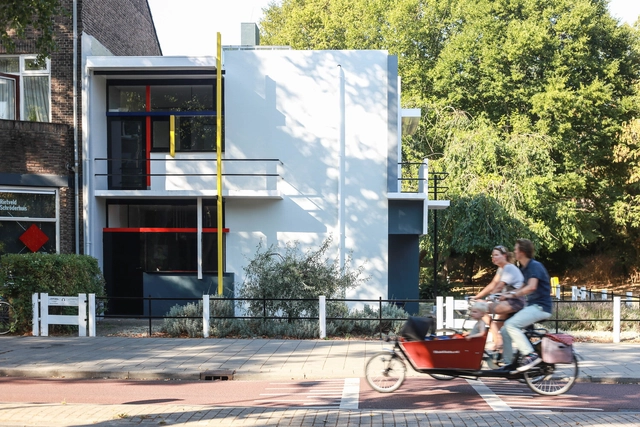
Given that the architects of modernity were in search of purity of form, it stands to reason that the image of this modern architecture is almost inevitably rendered in white in the collective imagination. Relieved of superfluous decorations, modern architecture became associated with the predominant use of white surfaces to highlight the volumetric composition. Combined with the concept of “material truth” first articulated by Victorian critic John Ruskin, white-colored architecture is often understood as straightforward, clear, and sincere.
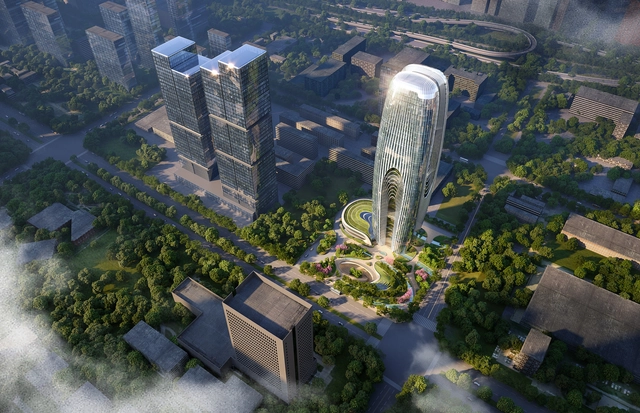
Zaha Hadid Architects has revealed the design of the Daxia Tower, to be built in the High-Tech Economic and Technological Development Zone of Xi’an, one of China’s largest inland cities with a population nearing nine million people. The tower will mark the center of Xi’an’s business district and will include offices, retail, and ancillary facilities, all designed with data analytics and behavior modeling to ensure a balanced disposition of spaces.
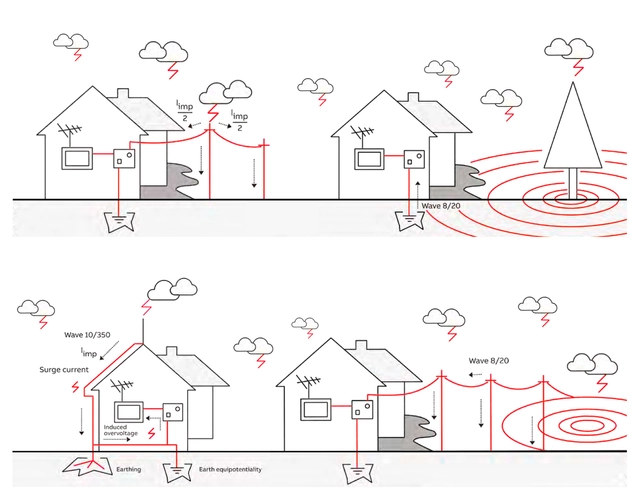
In its infancy, architecture relied exclusively on orientation, sunlight, and the natural elements influencing it. At the time, manipulating physical phenomena like electricity was not even considered. Over time, scientific advancements—such as the discovery of electrical energy and its future applications in buildings—became integrated into our way of life and the way we inhabit and experience space. Today, it is impossible to conceive of architecture without systems for ventilation, heating, or simply power. However, with the rapid growth of cities in recent years, rising demand for electricity, and the increasing sophistication of electrical systems, power surges (sudden increases in voltage) have emerged as a modern challenge we must address.
Many of these surges are transient, representing one of the primary threats to the integrity of electrical/electronic devices and overall electrical continuity in buildings. As electronic equipment becomes increasingly sensitive, the residential, commercial, and industrial sectors rely more heavily on control and communication systems, making them more susceptible to transient surges. In response to these events, ABB has developed a wide range of surge protective devices (SPDs).
https://www.archdaily.com/1136425/how-to-protect-buildings-against-power-surgesEnrique Tovar
In the face of a climate emergency, various fields are under pressure to reformulate their operations and actions, and architecture is no exception. After all, the built environment and the construction industry are responsible for a considerable percentage of carbon gas emissions into the atmosphere. Rethinking and restructuring the construction chain - from design to execution - is the order of the day for construction professionals.
Indeed, in the face of climate change, it seems entirely reasonable to return to prioritizing features such as natural ventilation and lighting in building design, just as we did in the past—and, in doing so, reduce energy consumption and greenhouse gas emissions.
https://www.archdaily.com/1136366/sustainable-urbanism-back-to-the-futureVitor Meira França
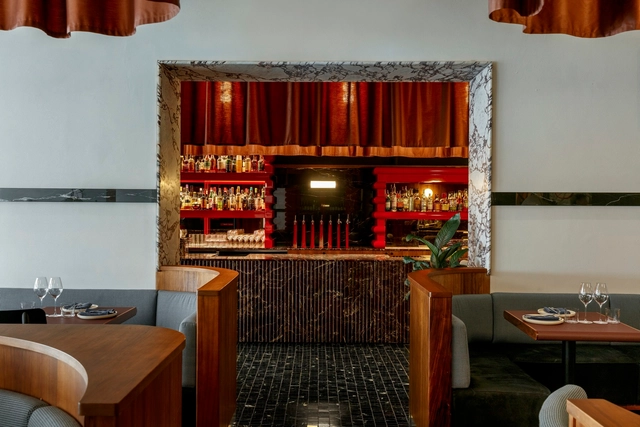
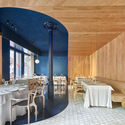
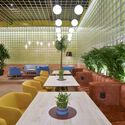
In the competitive world of restaurants – particularly at a time when influencers are gaining more and more control over the sphere of fine dining –, creating a memorable meal experience is crucial for attracting and retaining customers. While factors like food quality and service certainly play pivotal roles in making diners return to their eatery of choice, the impact that restaurant interiors can have on an establishment's longevity should not be overlooked. Among the various elements contributing to a memorable ambiance, color takes center stage. We delve into the significance of striking the right tone in restaurant design through 20 projects from our ArchDaily database.
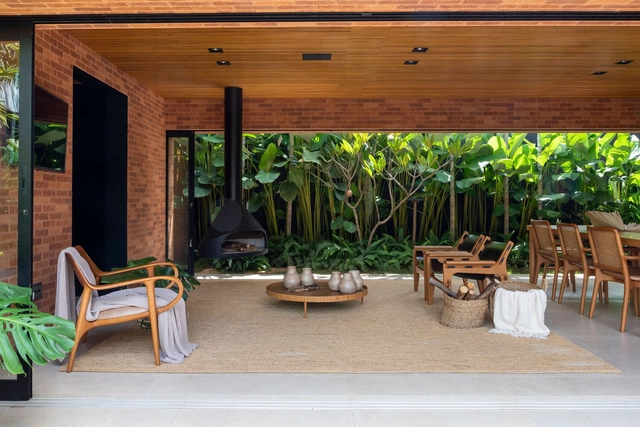
A residential architectural project almost always seeks to integrate interior and exterior to get closer to nature and improve comfort or aesthetics. Considering living spaces, this dialogue between open and closed environments becomes even more relevant. After all, it makes the room more flexible and suggests various ways of occupying it, regardless of the number of people or the time of year.
From Le Corbusier's polychromy to the aesthetic concepts of the Bauhaus, color has played an essential role throughout architectural history. Yet, we stand on the threshold of a new era of innovation where the meaning, application, and impact of color in architecture are constantly evolving. This evolution brings new questions to the fore: Could new materials and finishes revolutionize the color palette? What possibilities does color application hold in virtual spaces? What will be the upcoming color trends in the world of interior design?