-
Architects: SPEECH
- Area: 70300 m²
- Year: 2015
-
Professionals: Park Legend

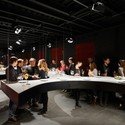
Top media, architecture and design school in Russia opens application for education programme 2015/16
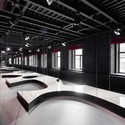
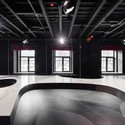
With applications closing on the 4th of September, the Strelka Institute for Media, Architecture and Design (Moscow) opens the application to the education year 2015/16. The Strelka Institute is a non-governmental institute with a particular focus on the City, using multidisciplinary techniques from varied fields such as sociology, economics, architecture, political and cultural studies. Since 2012, Strelka has been among Domus Magazine’s top 100 European schools of Design and Architecture.

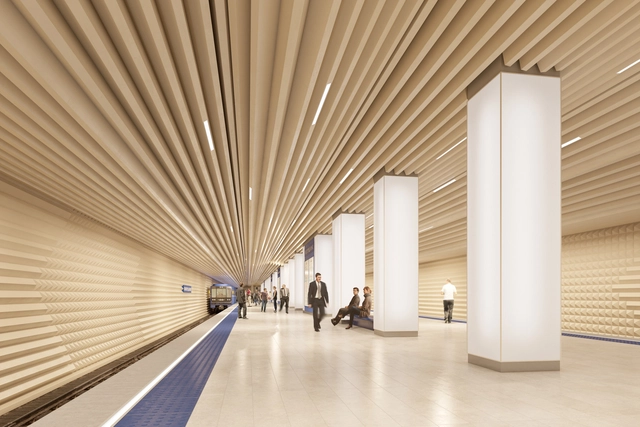
When thinking of metro stations, the word quiet generally doesn’t come to mind—with all of the train and pedestrian traffic, not only is noise produced in high quantities, but it is also echoed. With this issue in mind, London-based Variant Studio created their proposal for the competition to design the new Novoperedelkino station in Moscow, Russia. Although not selected as the winning design, Variant was one of five shortlisted teams. Learn more about their silent proposal after the break.

The first retrospective exhibition of her work in Russia, Zaha Hadid at The State Hermitage Museum provides unprecedented insight into the work of Zaha Hadid in a mid-career retrospective highlighting her exploration of the Russian Avant-garde at the beginning of her career, and the continuing influence of its core principles on her work today.
The exhibition, in the historic Nicolaevsky Hall of the Winter Palace, showcases many of the seminal paintings, drawings, models and design objects of Hadid’s forty-year repertoire; conveying the ingenuity and dynamism of her architectural projects in variety of media including film, photography and installations.
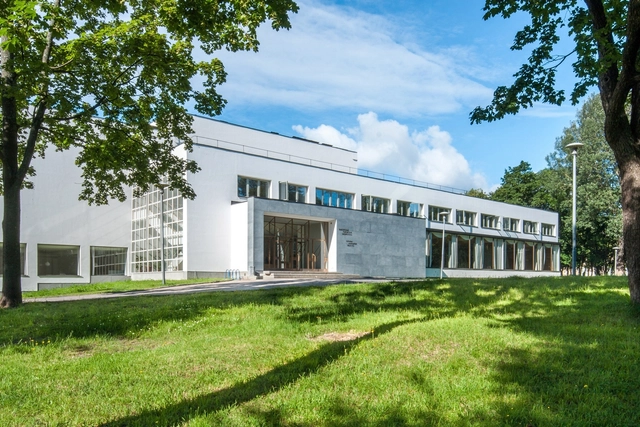
Despite being one of the seminal works of modern Scandinavian architecture, Alvar Aalto’s Viipuri Library languished in relative obscurity for three-quarters of a century until its media breakthrough in late 2014. Its receipt of the World Monuments Fund/Knoll Modernism Prize for a recent renovation was covered by news outlets around the world, bringing the 1935 building previously unseen levels of attention and scrutiny.
This renaissance is nothing less than extraordinary. Abandoned for over a decade and allowed to fall into complete disrepair, the building was once so forgotten that many believed it had actually been demolished. [1] For decades, architects studied Aalto’s project only in drawings and prewar black-and-white photographs, not knowing whether the original was still standing, and if it was, how it was being used. Its transformation from modern icon to deserted relic to architectural classic is a tale of political intrigue, warfare, and the perseverance of a dedicated few who saved the building from ruin.