“The only way of discovering the limits of the possible is to venture a little way past them into the impossible,” says Arthur Charles Clarke.
Knowledge inspires others. Sharing it allows us to open up and connect with one another. Facilitating this exchange fosters empathy and an awareness of otherness. This activity aims to integrate the team through knowledge and strengthen academic synergies by cultivating an awareness of otherness and a respect for the expertise of others.
Design Week is a biannual event hosted by the Department of Architecture and Design at the Universidad de la Costa (Barranquilla, Colombia), established in 2019. It serves as an exhibition and competition space where results from emerging classroom creative processes are presented, bridging them with the realities of professional practice. Through presentations before a national and international jury, the event aims to showcase and share the achievements reflected in classroom teaching and learning dynamics, highlighting interdisciplinary knowledge from all academic programs within the Department to the university community.
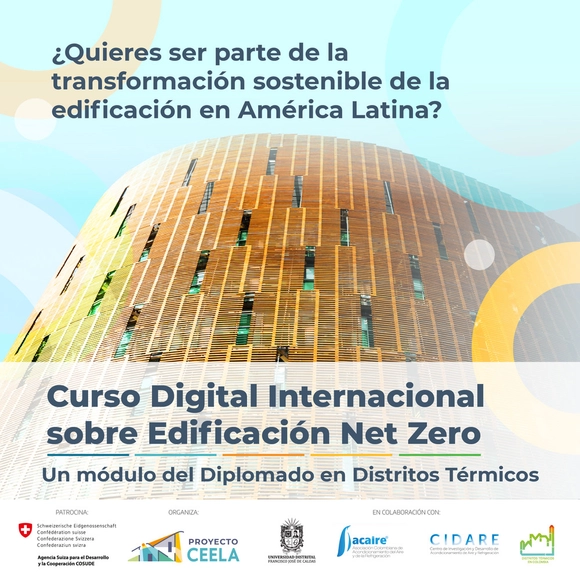
The Net-Zero Building International Digital Course (CDI) is aimed at architecture and engineering professionals throughout Latin America. It is free of charge and, thanks to its asynchronous digital format, offers significant flexibility to participants.
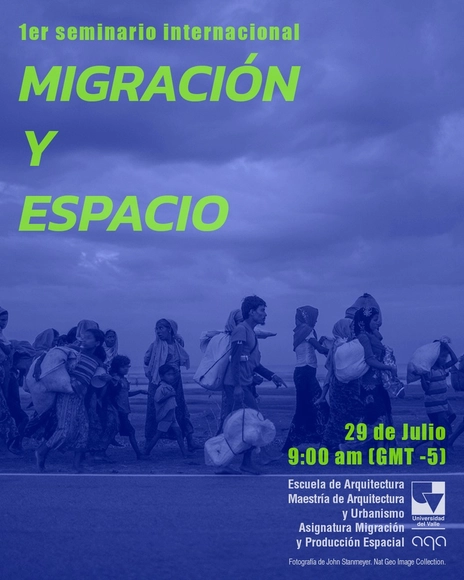
The 21st-century agenda requires addressing a set of structural changes resulting from the development model that, at least since the beginning of the last century, we have maintained as a society and region. This is evident in our cities and rural areas, where conditions associated with poverty, inequality, violence, displacement, and climate change—to name a few—generate intense pressures, imbalances, and maldevelopment in the dynamics of social occupation and vacancy across much of our territory. We are interested in focusing on a spatial process framed within these dynamics: migration.
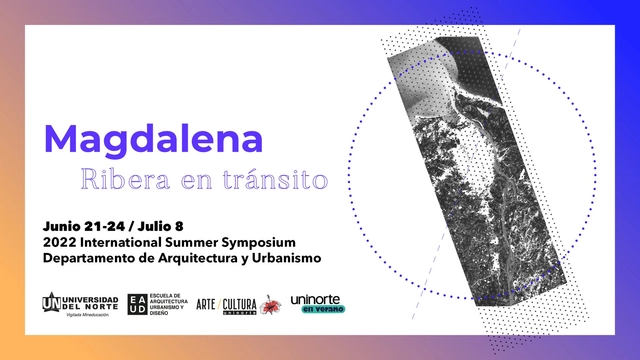
How do we reinterpret cultural relationships with water and the city? What is the importance of biodiversity and birdlife during moments of habitat change? How do we connect history—past, present, and future visions—to rethink our interactions with the Magdalena River basin? How are culture, art, and identity key to understanding our amphibious relationship? These are some of the questions that will be addressed at the first international symposium, Magdalena - Ribera en tránsito (Magdalena - Riverbank in Transit), which will take place from June 21 to 24 and on July 8 at the Universidad del Norte in Barranquilla, Colombia.