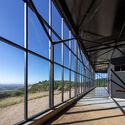

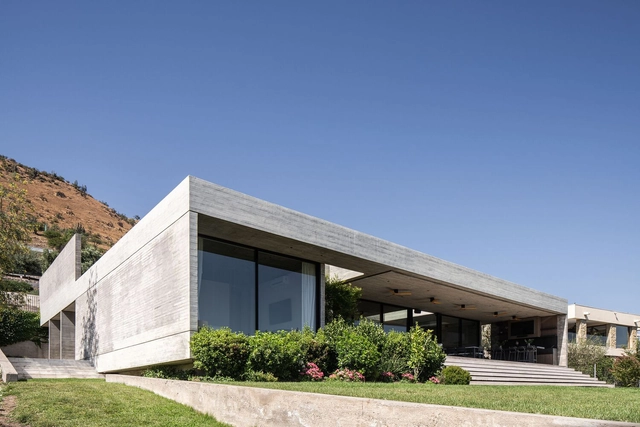
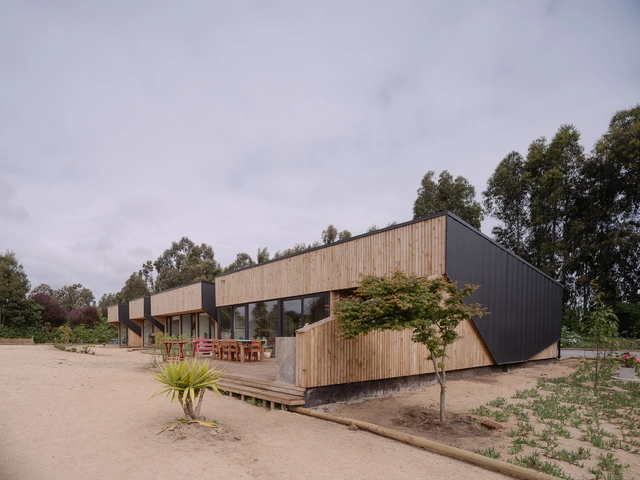
-
Architects: studiotalca Arquitectura | Ingeniería
- Area: 1200 m²
- Year: 2019
-
Manufacturers: Cintac®, MUEBLE ALUM
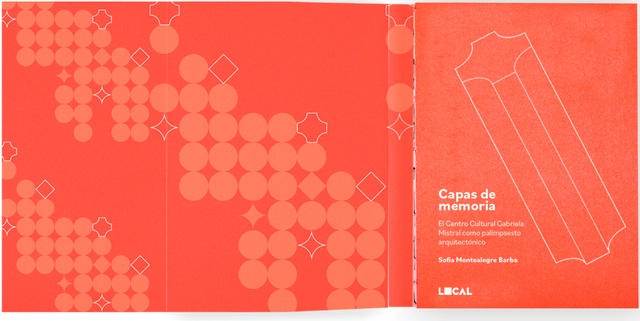
Standing prominently on the Alameda in Santiago, Chile, is a giant that has undergone significant changes in both name and appearance over the past 50 years.
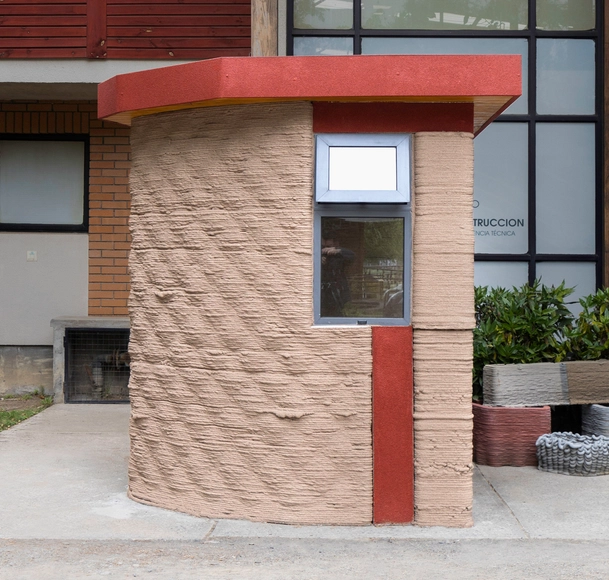
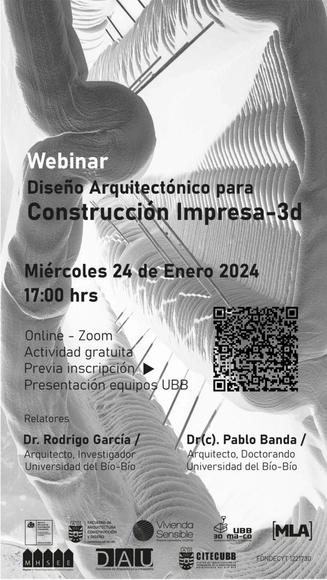
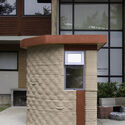
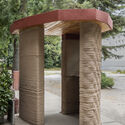
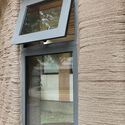
3D-printed construction is an emerging technology worldwide, offering significant advantages in productivity, sustainability, and versatility. It enables the completion of entire buildings in less time, with reduced resource consumption and waste, while introducing new design and robotic construction processes.
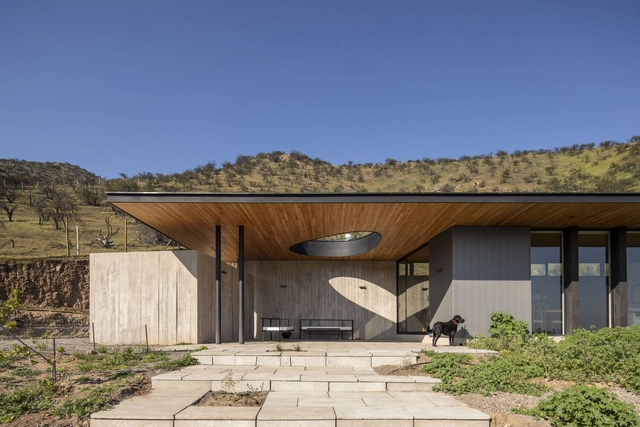
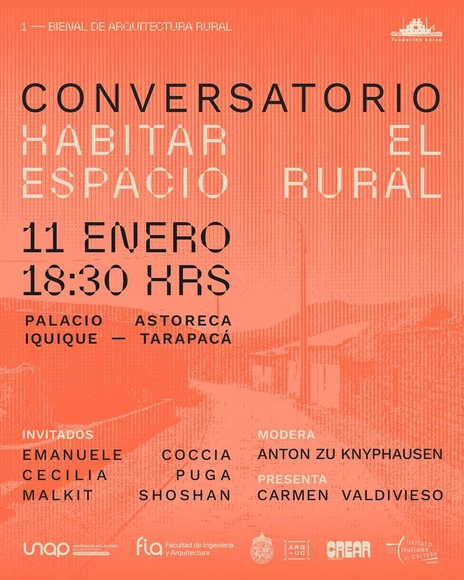
As part of the first cycle of the Rural Architecture Biennial, a discussion panel will explore ways of inhabiting rural spaces, particularly those linked to desert ecologies. The event aims to facilitate a dialogue between reflections from various disciplines and corners of the world.
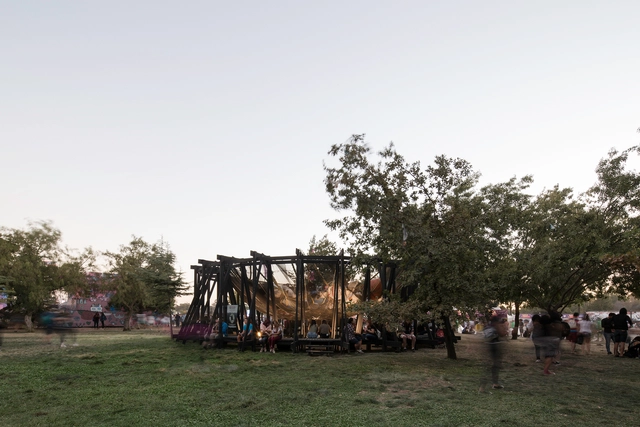
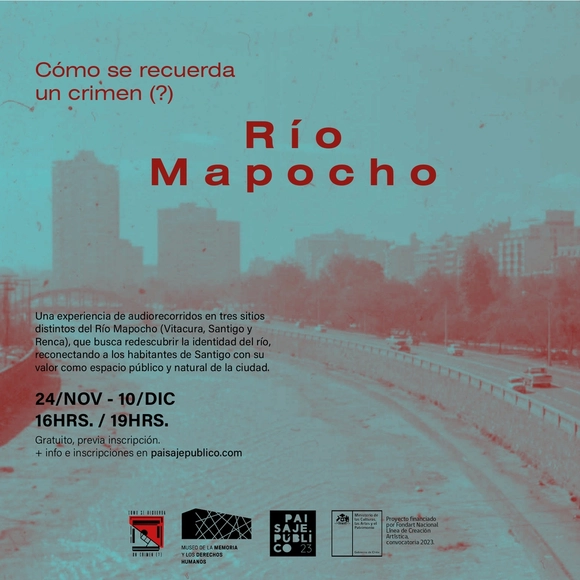
“How to Remember a Crime: Mapocho River” is a free performance that, through a walking tour guided by soundscapes, voiceovers, and testimonies, encourages reflection on the connection to nature, civic development, fundamental rights, and crimes against humanity committed during the dictatorship.
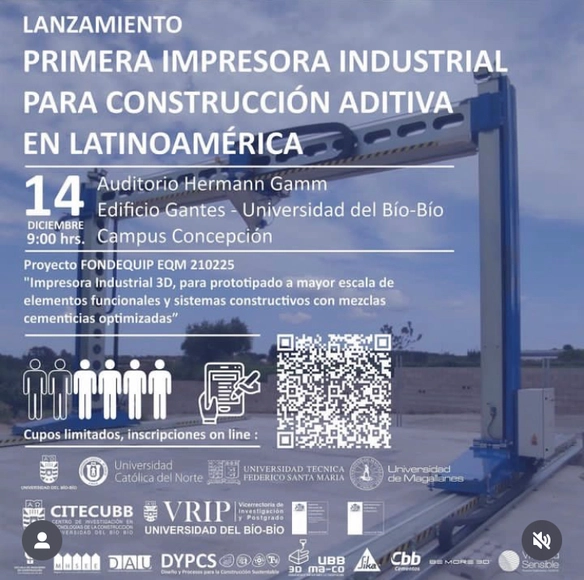
The launch of the first industrial printer for additive construction in Latin America will take place on Thursday, December 14, at the Universidad del Bío-Bío's Concepción campus. This printer will enable the construction of entire houses in Latin America for the first time. It represents a significant advancement in additive construction developed by the UBB's Center for Research in Construction Technologies (CITEC), which has already produced various pieces of furniture and residential walls using an industrial robot in collaboration with several industry partners.
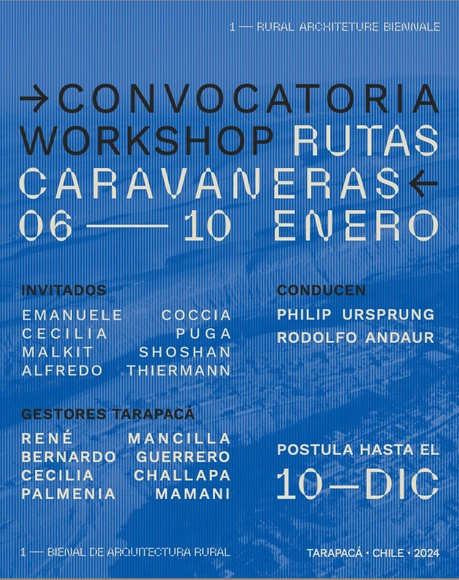
“Ruta Caravanera” is an interdisciplinary workshop based on the itinerant methodology of Swiss curator and historian Philip Ursprung and the territorial research trips led by Tarapacá-based curator Rodolfo Andaur in Tarapacá and other regions of the Americas. The workshop’s objectives revisit the ancestral practices of the first Andean nations as alternative frameworks for reading and understanding geography.