



-
Architects: Demian/Wilbur/Architects
- Area: 2196 ft²
- Year: 2017
-
Manufacturers: Delta Light, Duradek, Elemental, Ikea, Jeld-Wen, +2
-
Professionals: CAC Consulting, IB Solution, LR Mailloux Construction

During the twentieth century the world population increased at a higher rate than at any other period in time, from around 1.5 billion people in 1900 to nearly 7 billion today. Facing these figures, it is impossible not to think about what we have done to accommodate this population, or rather, what all these people have done to obtain housing. Figures indicate that although we have been able to build large quantities of houses, and have begun to cover the quantitative deficit, today the great challenge is to improve the quality of the existing housing stock. At a time in which this effervescent population growth persists–particularly in the geographical regions of the Global South and in emerging economies–the question is how do we change the paradigm and start thinking about housing in relation to the quality of the urban fabric to build better cities.
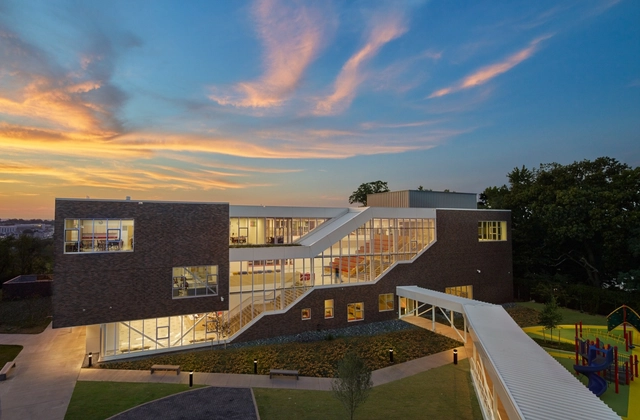

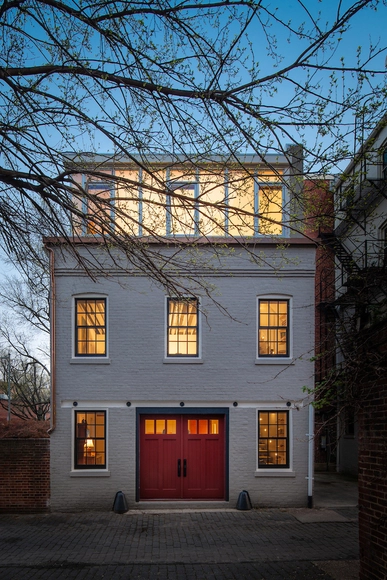
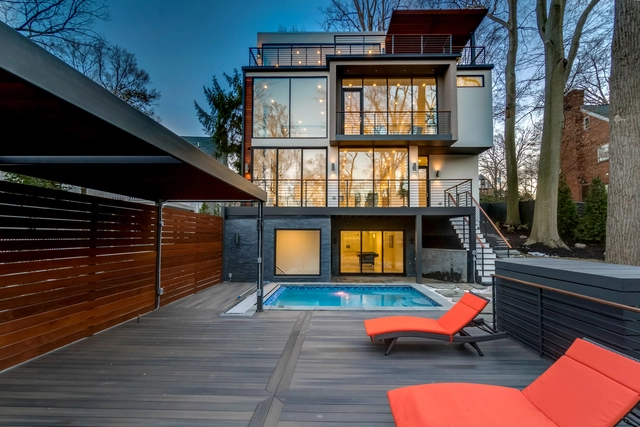

BIG has unveiled an updated vision for the new Campus Master Plan for the Smithsonian Institution in Washington, D.C., after taking into account over 3 years of community input and collaboration with the storied museum and research institution. The revised proposal pays particular attention to the preservation of unique character of the Enid A. Haupt Garden while still addressing the existing and future needs of the Smithsonian at one of the nation’s most historically significant sites.
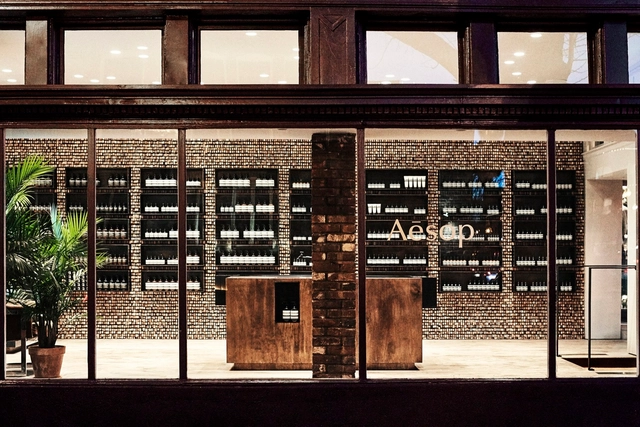

In celebration of Women's History Month, The National Building Museum features a special program, Architects Across Generations. Beverly Willis, artist, architecture and philanthropist, joins architect and CEO of Marshall Moya Design, Paola Moya, for a cross-generational conversation on how architecture has evolved in the past half-century, what lies ahead, and the pressing issues practicing architects and design entrepreneurs face today. Aileen Kwun, author of Twenty over Eighty: Conversations on a Lifetime in Architecture and Design, moderates. On the heels of global Women's Marches, the achievements of women are top of mind, especially during Women's History Month. Here, women who represent two different generations speak to inspirations, challenges and opportunities.
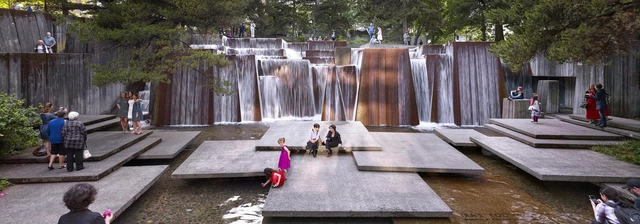
A traveling photographic exhibition about the life and work of influential Modernist landscape architect Lawrence Halprin (1916-2009). Organized on the 100th anniversary of the year of his birth, the exhibition, organized and curated by The Cultural Landscape Foundation in collaboration with the National Building Museum, is accompanied by a comprehensive website and full color, 92-page gallery guide. It features more than 50 newly commissioned photographs of his built works, as well as sketches, drawings, notebooks, models and other artifacts from the Architectural Archives at the University of Pennsylvania, and drawings from Halprin's personal collection courtesy Edward Cella Art & Architecture in Los Angeles.
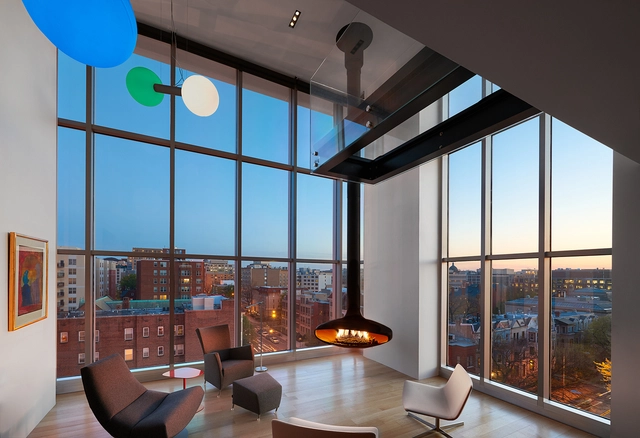

For more than 30 years the AIAS has been preparing future leaders in architecture through our AIAS Grassroots Leadership Conference.

How do you build an ocean and field of icebergs within the Museum's Great Hall? Cathy Frankel, vice president for exhibitions and collections, and Christopher Maclay, master carpenter, lead a tour of the ICEBERGS installation to reveal how we took a concept and made it a reality.

Meet the mind behind this summer’s ICEBERGS installation. Landscape architecture and urban design firm James Corner Field Operations believes that a vibrant and dynamic public realm is informed by the interactive ecology between people and nature. Founder and director James Corner presents the firm’s recent work, and recounts how they conceived of an enormous glacial seascape in the Great Hall.
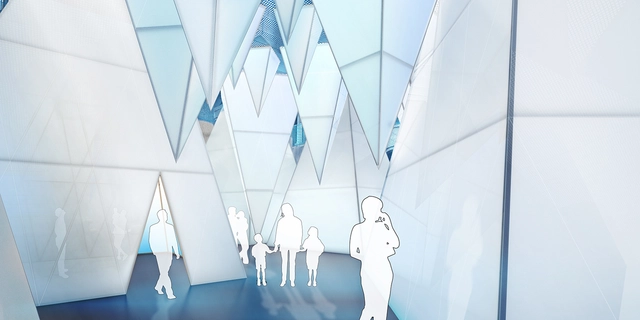
The National Building Museum offers a new, one-of-a-kind destination with ICEBERGS, designed by James Corner Field Operations. Representing a beautiful underwater world of glacial ice spanning the Museum’s enormous Great Hall, the immersive installation features climbable bergs, “ice” chutes, caves and grottoes to explore, and much more.













.jpg?1516393483 "Courtesy of BIG. Rendering by Brick Visual")
.jpg?1516393475 "Courtesy of BIG. Rendering by Brick Visual")