



-
Architects: Office of Architecture
- Area: 3000 ft²
- Year: 2011
-
Professionals: Greenlight Expediting, Sohome Inc., Friedman Moore

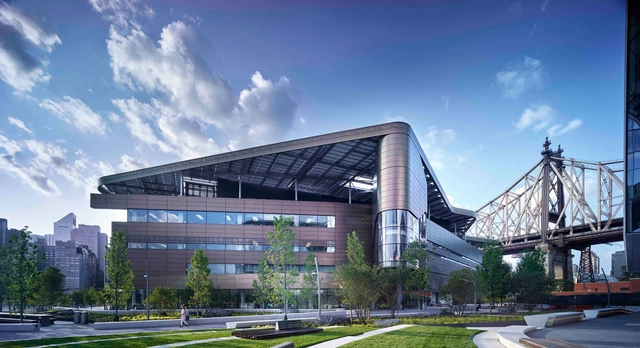

Scaffolding curated by Greg Barton, examines the extraordinary applications of scaffolding as a kit-of-parts technology to provide novel forms of inhabitation and access. Through an installation designed by Shohei Shigematsu and OMA New York with graphic design by MTWTF, Scaffolding will disrupt the architectural space of the Center for Architecture, instilling a new appreciation of scaffolding and its transformative potential.
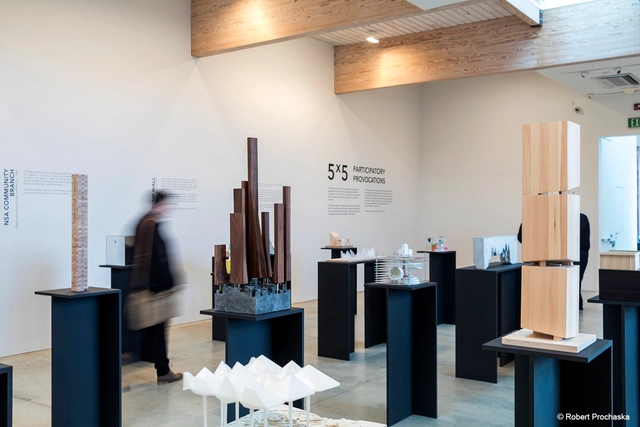
Architecture Exhibition 5x5 Participatory Provocations opened its doors at the New York Center for Architecture on July 11, featuring 25 models by 25 young American architecture firms. The exhibition engages its participants to take clear stances on a series of provocative issues facing architecture today, with their models “producing a physical expression or provocation that is then made available to the public.” Curated by Kevin Erickson, Julia van den Hout, and Kyle May, the exhibition argues for “participatory criticism” covering growing income gaps, immigration, globalization, technology’s impact on our lives, surveillance, and power.

Four teams have been selected as finalists in the “Driverless Future Challenge.” Organized by Blank Space with the City of New York and NY Tech Meetup, the competition asked teams to envision future strategies for implementation of autonomous transit in New York City.
Participants were tasked with evaluating the future of autonomous transportation through the four principles outlined by Mayor Bill de Blasio’s OneNYC initiative:
Entries were received from more than 25 countries, proposing ideas for everything from driverless food carts and a fully-autonomous MTA transit system, to enhanced use of NYC’s 311 system as a driverless dispatching center, to Link NYC Wifi stations that become stops for autonomous micro-buses. The four finalist teams were selected by a multidisciplinary jury featuring top architects including Jeffrey Inaba (Inaba Williams), Odile Decq (Studio Odile Decq) and Jürgen Mayer H. (J. MAYER H.).
The four finalists include:
_Frank_Oudeman_3.jpg?1497946037&format=webp&width=640&height=580)


Turncoats is a series of punchy debates that aims to turn the typical architectural discussion format on its head. Founded on the premise that mainstream architectural discourse is often so boringly well-mannered as to be “like watching dog owners compliment each other’s pooches,” Turncoats aims to ditch the platitudes and archi-jargon for a punchy, playful and provocative exchange of ideas that allows people to speak more freely and take more risks. Conceived in London and operating now in multiple cities, Turncoats New York launches with a bang on 13 June, addressing the topic Buildings Don’t Matter.
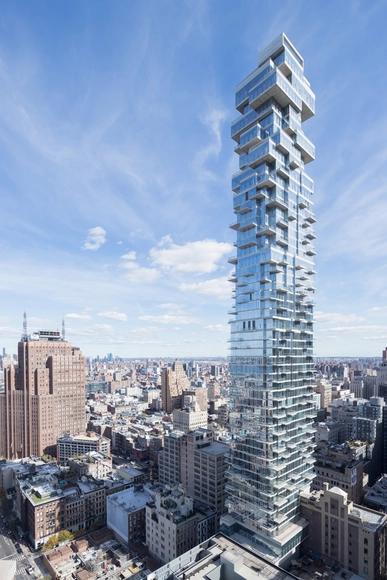


“I came to the conclusion that recovery from Great East Japan Earthquake should be compared to Japan’s recovery from the World War II.” —Yoshiharu Tsukamoto, Co-founder, Atelier Bow-Wow and member of ArchiAid
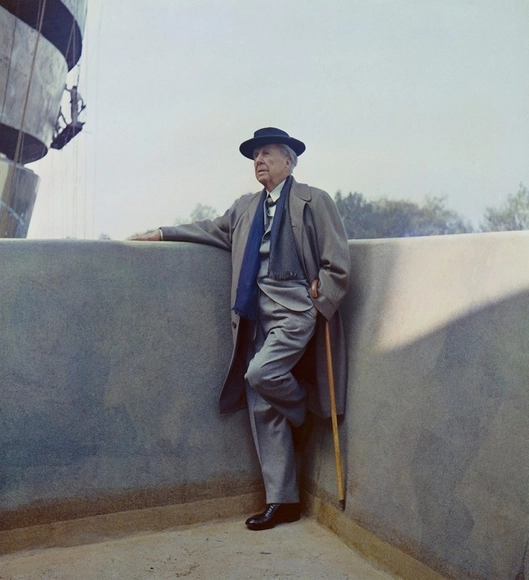
The Guggenheim celebrates Frank Lloyd Wright’s 150th birth year kicking off on Thursday, June 8, Wright’s 150th birthday, with a special reduced admission of $1.50. Visitors will be treated to free birthday cupcakes in the Guggenheim’s newly renovated Cafe 3, which will feature large-scale, rarely seen photographs of the museum during its construction. An actor-historian portraying Frank Lloyd Wright will be on-site engaging with visitors between 9 am and 1 pm.

Moderator: Louise Braverman, FAIA
Panel: Cynthia Davidson, James Biber, FAIA, Max Levy, FAIA
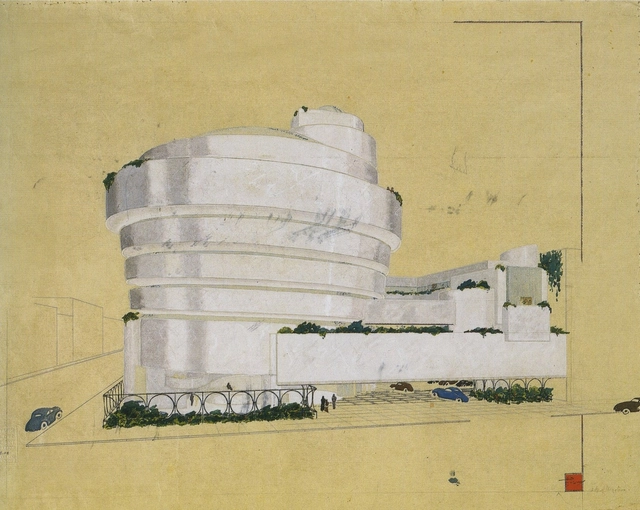
What is the place of the museum in the modern city? What role does architecture play? How can these buildings be effectively interpreted?
Frank Lloyd Wright’s design for the Guggenheim Museum in Manhattan broke with all existing conventions, setting a new standard for the postwar art museum and, together with the Museum of Modern Art, firmly establishing the city of New York as the cultural capital of the 20th century. A decade later, the significance of this new architectural genre was not lost on Georges Pompidou when he commissioned the cultural center that would eventually carry his name—and launch the successful careers of its architects, Renzo Piano and Richard Rogers—hoping that it would position Paris as New York’s cultural rival.
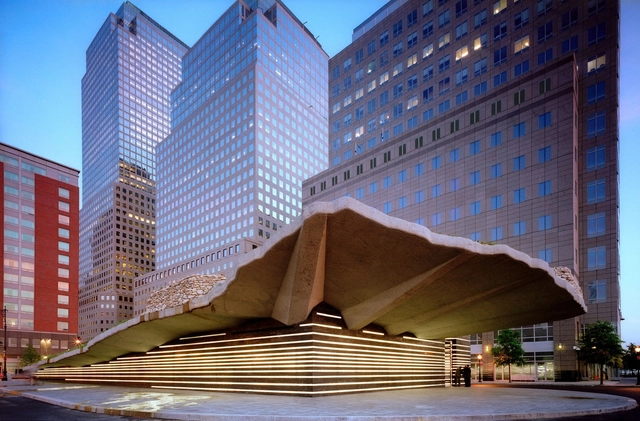

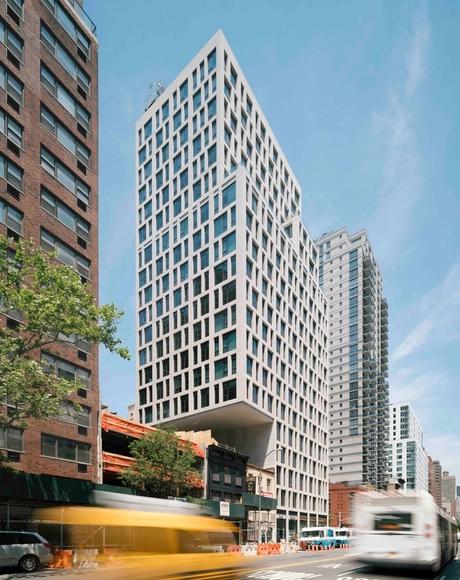








_Frank_Oudeman_11.jpg?1497946385 "© Frank Oudeman")
_Frank_Oudeman_4.jpg?1497946144 "© Frank Oudeman")
_Frank_Oudeman_14.jpg?1497946430 "© Frank Oudeman")
_Frank_Oudeman_17.jpg?1497946478 "© Frank Oudeman")
_Frank_Oudeman_3.jpg?1497946037)