Valeria Montjoy

Senior Content Editor at DAAily Platforms. Architect and Master's in Urban Project from Pontificia Universidad Católica de Chile (2021). Based in Santiago, Chile.

BROWSE ALL FROM THIS AUTHOR HERE

Sustainability as a Way of Life: MUT, the New Urban Market in Santiago, Chile

Subscriber Access | 
Sustainability as a Way of Life: MUT, the New Urban Market in Santiago, Chile - Featured Image
Jardín del Mercado en el piso 3. Image Cortesía de MUT

In the second half of the twentieth century, driven by the mass adoption of the automobile and exponential population growth, cities around the world expanded at an accelerated pace. Santiago, Chile, was no exception, characterized by an extensive and fragmented urban sprawl that has led to a heavy reliance on cars, environmental degradation, and the loss of agricultural land. Without planning and policies aimed at sustainable urban development, the result is a more polluted and less green city—an alarming scenario considering the climate crisis we face.

Industrialization by Design: Modular Partition Solutions

Subscriber Access | 

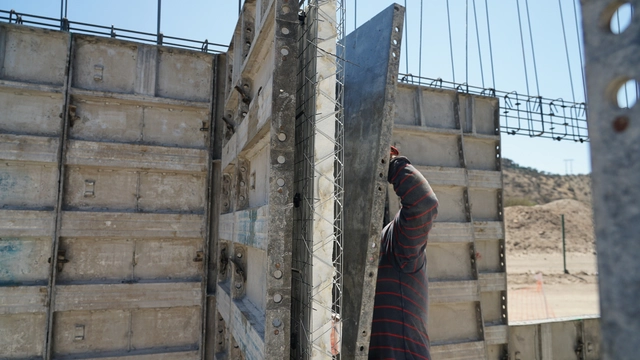
More than a trend, industrialization is a necessity in the construction industry. In recent years, we have witnessed its importance in increasing productivity and speed of execution—as well as reducing waste—in architectural projects. Beyond streamlining construction processes, this serial, mechanical, and standardized production increases quality and shortens delivery times. If initial project decisions incorporate the modulation of the various stages that can be industrialized within vertical and horizontal parameters, the outcome is much more efficient than if these are evaluated during construction (when it is no longer possible to reduce waste through modulation). Furthermore, by minimizing waste and reducing the consumption of energy and water resources, it also contributes to a more sustainable industry.

The Timelessness of Brick: Its Benefits in Construction

Subscriber Access | 
The Timelessness of Brick: Its Benefits in Construction - Featured Image
Cerámica Santiago at Los Algarrobos House / MasFernandez Arquitectos + Claudio Tapia. Image © Nico Saieh

With more than 11,000 years of history, brick is one of the oldest building materials. In fact, replacing sun-dried mud blocks, the Romans were the first to experiment with fired clay masses in new structural forms such as arches, vaults, and domes. Although the dimensions and manufacturing methods of this small module have evolved over the years, its components and classic rectangular shape have undergone few changes, especially considering its long history. The reason is simple: with its warmth, versatility, and outstanding structural properties, brick is a timeless material that never goes out of style.

From Furniture to Coverings: Interior Design with Online Sales Platforms

Subscriber Access | 

While online stores have existed since the democratization of the internet in the late 20th century, the pandemic has marked a turning point in the evolution of e-commerce. In response to mobility restrictions and lockdowns, businesses of all scales were forced to embrace digital transformation, saving time and, in some cases, reducing costs. Furthermore, as more consumers discover the convenience of home delivery, online shopping is likely to continue growing even in the post-pandemic era.

Structural insulated panels that ensure thermal comfort in the home

Subscriber Access | 

Exacerbated by the pandemic, the housing crisis has become a global phenomenon. Rising prices, lack of access, and poor housing policies have resulted in greater scarcity and precarious conditions. Chile is no exception. Indeed, according to the latest reports issued by the Chilean Chamber of Construction (CChC), there are “more than 700,000 families experiencing overcrowding and irreparable housing, in addition to 81,000 families living in informal settlements.”

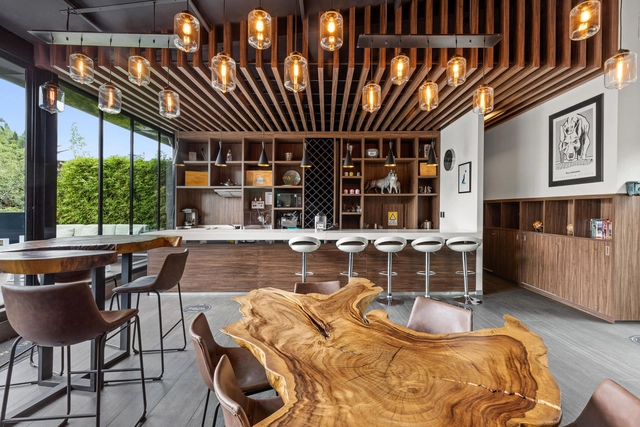
How to Revitalize Spaces with Slatted Wood

Subscriber Access | 

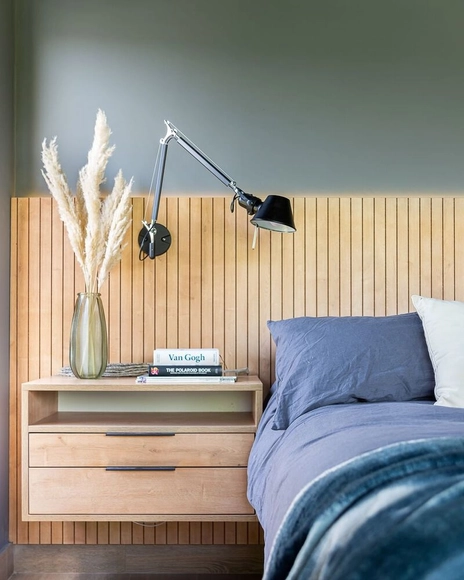
There are various ways to accentuate and breathe life into a space, from adding furniture or a decorative piece to painting a wall a bold color. Yet, when it comes to elevating an interior simply, quickly, and with added texture, depth, and warmth, a grooved wood-look finish emerges as a compelling, cutting-edge solution. Indeed, it has established itself as a major trend in contemporary furniture and interior wall design, even taking center stage at the renowned Salone del Mobile Milano 2022.

High Performance and Low Environmental Impact: 5 Buildings with Acetylated Wood

Subscriber Access | 

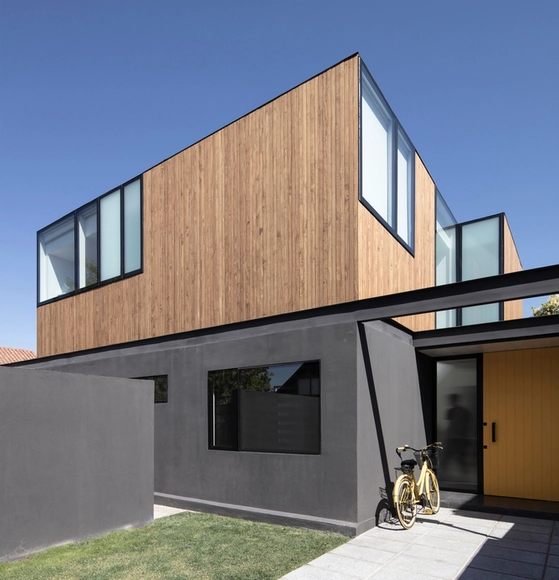
In recent years, wood has gained traction as a renewable, versatile, and aesthetically appealing building material. Its strength, ease of handling, and insulating properties give it advantages that other materials cannot match, making it an increasingly popular choice among designers, architects, and builders. However, while it offers multiple benefits, it is also susceptible to degradation and decay, requiring preservation care to withstand the passage of time and other external threats.

Historically, to address these durability issues, there were two options: applying chemical treatments or using tropical hardwoods. While the former generates harmful toxins, the latter drives deforestation in the context of climate change. Consequently—and driven by an increasing demand for the material—alternative methods have been developed to protect it. One of these is acetylation, a non-toxic process that, in addition to offering high performance, significantly reduces environmental impact.

Green roofs: toward more sustainable, biodiverse, and healthy cities

Subscriber Access | 

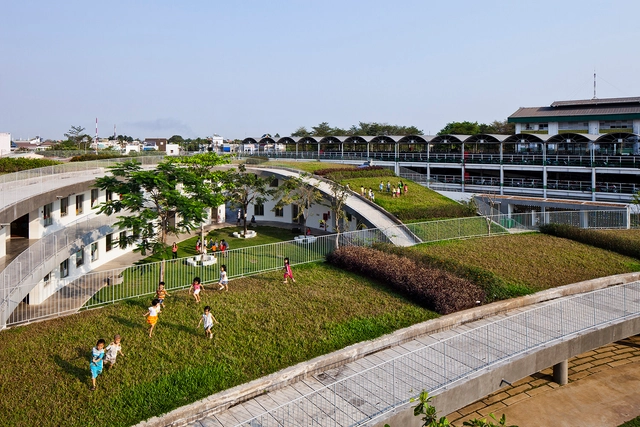
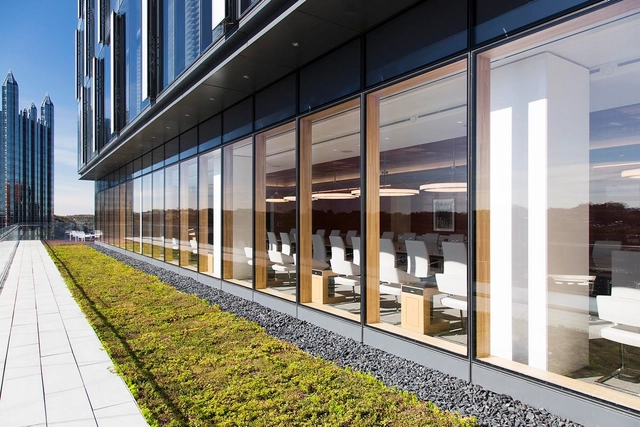
In the face of an unprecedented climate crisis, green roofs are increasingly establishing themselves as a global architectural trend, providing multiple social, economic, and environmental benefits in urban areas. Following the example of pioneering models like Copenhagen's, cities around the world are replacing gray roofs with green ones in an effort to move toward a more sustainable and healthy future. As a result, integrating green roofs has become a recurring practice in projects aiming to address the inherent challenges of the contemporary city.

New trends in hospitality and the diverse applications of melamine

Subscriber Access | 

The pandemic has undoubtedly redefined every aspect of daily life, from how we interact to how we live and work. Consequently, architecture has had to adapt to new paradigms and lifestyles. With travel and tourism coming to a standstill for over a year, the hospitality sector was one of the hardest hit, forcing hotels to quickly reinvent themselves in the face of changing needs. Today, the focus is on offering restful spaces that allow guests to disconnect and relax, creating unique, comfortable environments distinct from the home—where most people now spend the majority of their time.

The Evolution of the Workspace: Flexibility and Smart Collaboration

Subscriber Access | 

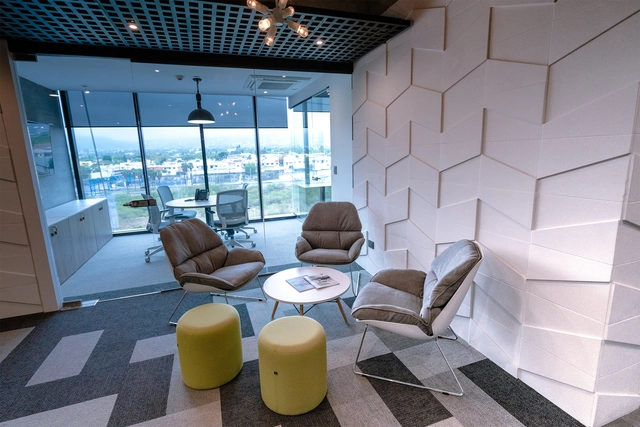
During the pandemic, team communication, meetings, and work processes rapidly shifted from in-person to remote. Consequently, hybrid methods, work-from-home options, and remote collaboration solutions are increasingly studied and adopted across the labor market. While some believed this would spell the end of physical offices, many companies have chosen to strike a balance that meets employees' new needs while fostering teamwork, corporate culture, and identity. Ultimately, this has materialized in flexible workspaces that foster smart collaboration.

Artisanal Tradition with Glass Technology: 6 Projects with Glass Cladding

Subscriber Access | 

The earliest mosaics date back to the 8th century BCE. Indeed, they were already used as decorative elements and paving in Ancient Greece and the Roman Empire. Yet, despite this long history, they remain as relevant as ever, continuing to set trends in contemporary design. Furthermore, in recent years, mosaic techniques have evolved alongside new technologies and advanced manufacturing methods, giving rise to various types of coverings with diverse formats, styles, colors, and properties adapted to a wide range of functions. Among these, glass systems stand out particularly for their beauty, versatility, and physical properties.

A bathroom and kitchen collection inspired by the sophistication of Art Deco

Subscriber Access | 

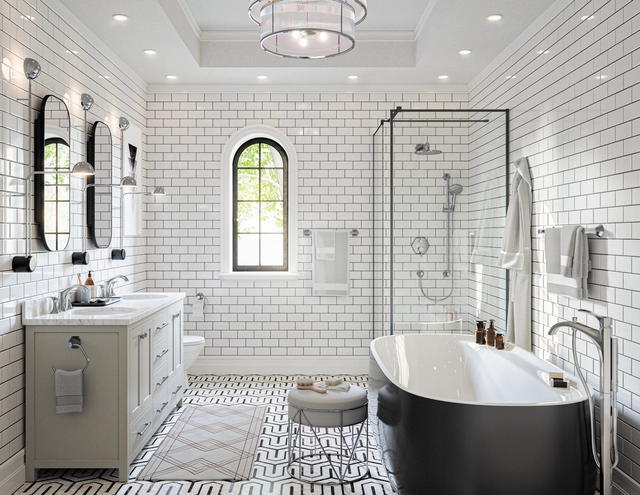
In the 1920s, Art Deco emerged as a dominant architectural, industrial, and graphic design style inspired by elegance, luxury, and sophistication. Although it originated in France, it gained momentum in both Europe and the United States during the 1920s, expanding to encompass all elements of decorative art, including furniture, accessories, and interior lighting. Reflecting the Golden Age of Hollywood and epitomizing glamour, Art Deco was primarily characterized by a predominance of straight lines, symmetry, and bold geometric shapes, with a particular fondness for figures like the hexagon and the octagon.

How to Choose Kitchen Flooring?

Subscriber Access | 

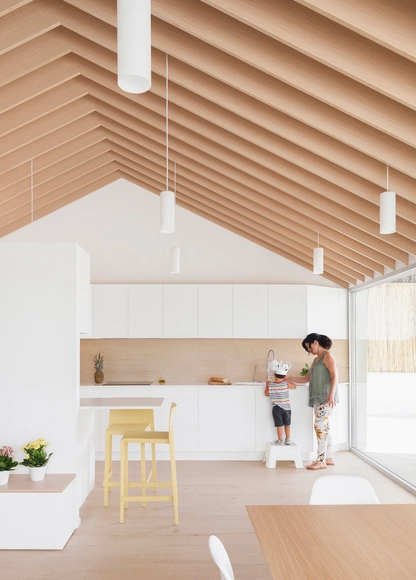
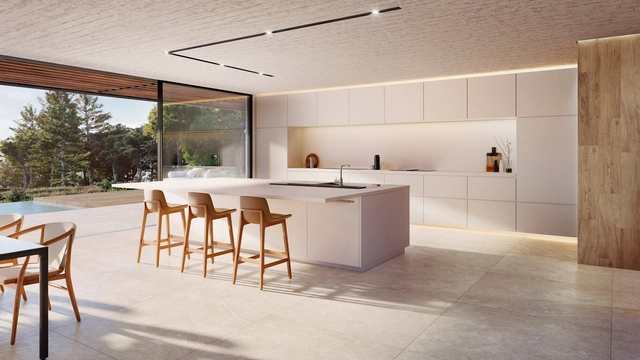
When designing a residential interior, it is common to overlook the importance of the floor. Often, priority is given to the walls, furniture, and lighting, overlooking how this large surface—with its texture and appearance—can define a room's perception, character, and style. Yet, beyond its aesthetic value, durability is essential: while furniture and decor can be changed frequently, the flooring must remain in good condition for years. This is especially true for the kitchen, which is one of the areas of the home that experiences the highest use, traffic, and wear and tear.

Smart Printing: Sustainability Without Compromising Performance

Subscriber Access | 
Smart Printing: Sustainability Without Compromising Performance - Featured Image
Cortesía de HP

While innovations like 3D printing and laser technology dominate the market, printing on paper—or rather, on a wide range of materials—remains indispensable for the daily workflows of architects, designers, and engineers. Commonly known as "plotters," large-format printers transfer drawings from a computer to a physical format using software that recognizes coordinates, calculating the most efficient path to permanently translate a digital language onto paper. Consequently, whether printing blueprints, advertisements, photographs, or signage, having a versatile, precise, and high-tech printer is essential within any creative discipline.

Bathrooms with Personality: 6 Design Trends

Subscriber Access | 
Bathrooms with Personality: 6 Design Trends - Featured Image
Colección Architect. Image Cortesía de Noken | Porcelanosa Grupo

Gone are the days of simple, characterless bathrooms. Once small rooms dedicated exclusively to functionality and privacy, they have been transformed in recent years into relaxing spaces that prioritize well-being, offer an escape from the outside world, and embrace new trends in contemporary design. Consequently, whether through a classic or bold approach, today's bathrooms are more expressive and colorful, integrating technology while aiming for sustainability. As such, it is increasingly common to break away from traditional layouts and move past the image of an all-white space lacking unique, intentional design.

How to Waterproof Roofs and Flat Roofs?

Subscriber Access | 

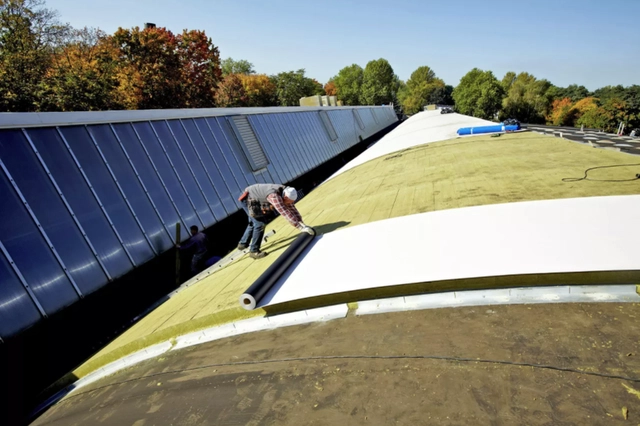
While the average lifespan of a building is about 50 to 100 years, a roof typically lasts between 15 and 30.

Why such a notable difference?

Constantly exposed to direct sunlight, moisture, rain, fluctuating temperatures, and wind, roofs and decks are the most critical and vulnerable areas of a building. Consequently, without proper care and maintenance, they run the risk of damage that can drastically reduce their lifespan.

3 digital tools to specify, visualize, and simulate glass savings

Subscriber Access | 

Whether for a facade, window, or door, choosing the most suitable glass for a building can be a complex decision. Driven by recent technological advancements, improvements in manufacturing have yielded a wide range of options, from glass in a broad spectrum of colors to low-emissivity (low-E) glass that enhances energy efficiency. With such variety on the market, how do you determine the best type of glass for a project? Essentially, the answer depends on two sets of needs: those of the space and those of the client. While the project type (and its spatial and climatic context) can determine the dimensions or the required amount of light, thermal insulation, and acoustic insulation, the user can influence factors like security or aesthetic preferences for color and transparency.

Concrete Screens: Advantages of Their Application in Contemporary Architecture

Subscriber Access | 

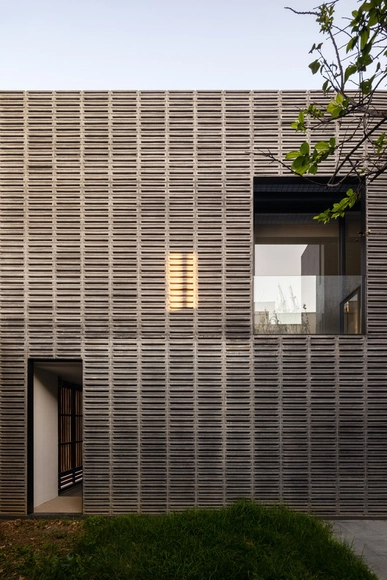
As an architectural element, screens have a long history. Used since antiquity in Egypt and Greece, as well as in traditional Hispano-Islamic art, they have enriched countless spaces with their repetitive patterns and intricate designs. To this day, they maintain their value through aesthetic qualities and excellent functional characteristics, playing a prominent role in the facades and partition walls of many contemporary architectural projects—especially in residential ones.