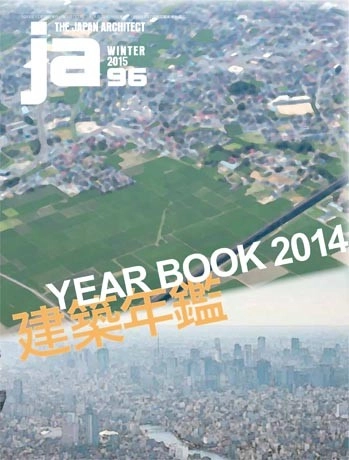
JA96 takes a retrospective look at the architecture of 2014. 83 projects were chosen to present the best of Japanese architecture, including works by Kazuyo Sejima, Kengo Kuma, Toyo Ito, Tadao Ando and Shigeru Ban.
The issue also features a roundtable conversation between Tomohiko Yamanashi, Satoru Ito and Akihito Aoi about the current architectural design and decision-making.
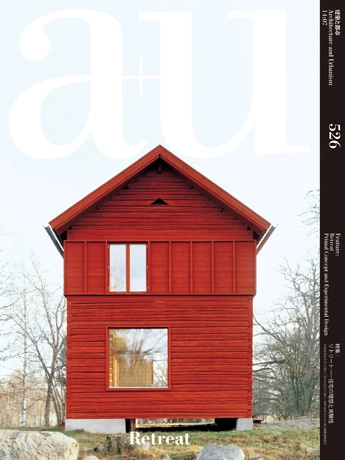
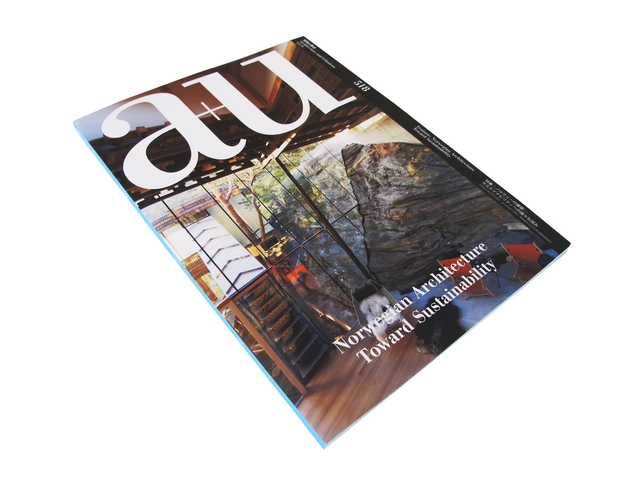
From the publisher. July issue of a+u is focused on retreats, in particular the places where people spend their free time. Retreats, where functional necessities are not the priority, portray the essential lifestyle that the residents desire. And, from there, an image of a house reflecting back the everyday emerges.
The sites abundant in nature present vast landscape to the residents. At the same time, they lack basic infrastructure, materials, or technology that would be readily available when designing a house in cities. Because of such shortages, architects are encouraged to put their experimental concepts into practice.
This issue explores how the ideal image of a house and architect's experimental concept are unified and conceived as a retreat when the situation is "missing" something.
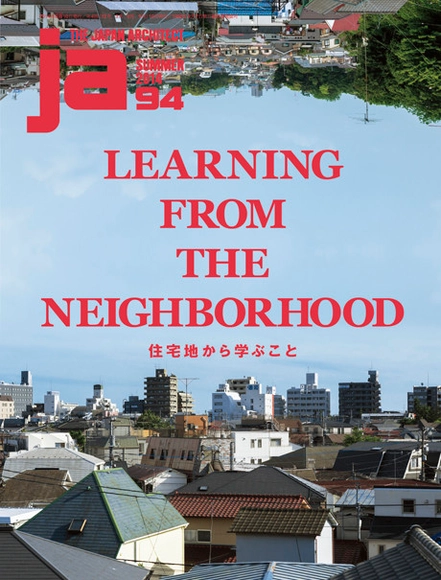
Since the mid-20th century, Japan's postwar capitalism promoted home ownership, and extensive residential areas were developed around every major city for 70 years. Each area is an aggregation of individual houses – in other words an aggregation of different architectural characteristics and a mixture of residents with their own personalities.
Among the photographs of house exteriors published in the issues of Shinkenchiku and Jutakutokushu since 2001, we selected those that show the relationship between the home and its surroundings. In this issue, we feature the images with an analysis of what "Compositional Factor" of what "Element" has undergone what kind of "Manipulation".
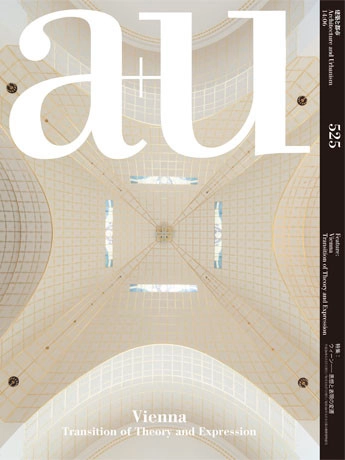
From the publisher. Between the late 19th century and early 20th century, Vienna was the epicenter of new architectural movements. Architects like Gottfried Semper, Otto Wagner, and Adolf Loos presented pioneering theories and expressions which influenced the world. Furthermore, cityscape of Vienna had been the subject of architects’ creation. They form the layers in Vienna’s urban structure, and architects who design in this city must interpret this structure and upon which further form new layers.
June 2014 issue of a+u introduces the theories and their expressions of architecture in Vienna, and their transition from the pre-modern to the modern to the present, through 60+ newly-photographed works, two essays on “transformation of architectural expression through building facades” and “recent developments for urban expansion zones”, and interviews with contemporary architects.
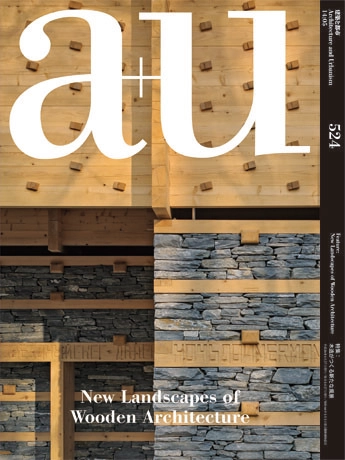
From the publisher. May 2014 issue of a+u is focused on wooden architecture from around the world that creates new landscapes.
In addition to nine built works, the issue features two competitions foreseeing the timber-nization of cities and three essays. The essays discuss different aspects of wood technology: adaptive timber structure of ultra-light shell by University of Stuttgart, harmonizing the joints of prefabricated wooden elements by collaboration of Finland's timber industry, university and government, and tall wood building technology in Canada and other countries. When these technologies become practical and realized as architecture, we will witness a completely new landscape.
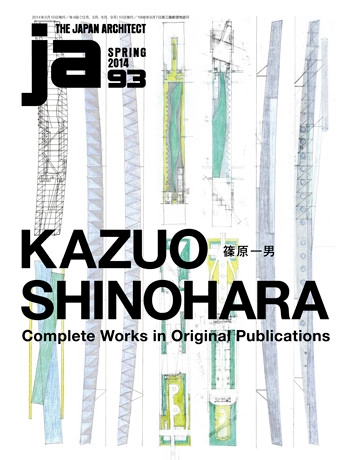
From the publisher. JA93 Spring 2014 issue features 55 works by Kazuo Shinohara, one of the most influential architects in the generation after the Metabolists. The issue consists of photographs and drawings which appeared in the original issues of Shinkenchiku and original descriptive texts by the architect.
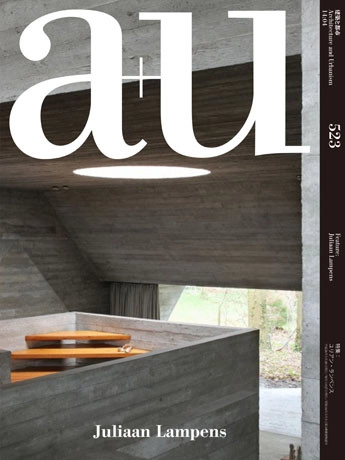
From the publisher. April 2014 issue of A+U is a monograph of Belgium architect Juliaan Lampens.
Featured works include: House Juliaan Lampens – Van Hove, House Vandenhaute – Kiebooms, and Kerselare Chapel. A+U visited Lampens in Eke, not far from Ghent, last year to interview him. Two essays, one by his former staff and the other by architecture researchers, depict the architect who, throughout his career, often avoided press exposer.
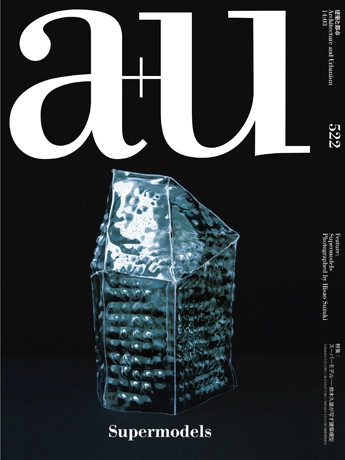
From the publisher. March 2014 issue of a+u is focused on photographs of architectural models by Spain-based photographer Hisao Suzuki.
Based on the essence of architects' thinking expressed in the images, 70 photographs of models by 25 architects are categorized into "Inception", "Organization", "Blooming" and "Experiential". We also asked six architects – Arata Isozaki, Christian Kerez, Ryue Nishizawa, Kazuyo Sejima, Fabian Asunción (former architect at EMBT), Bijoy Jain – to talk about what models mean to their ways of creating architecture. Each photo is accompanied by photographer's story from the photo shoot.
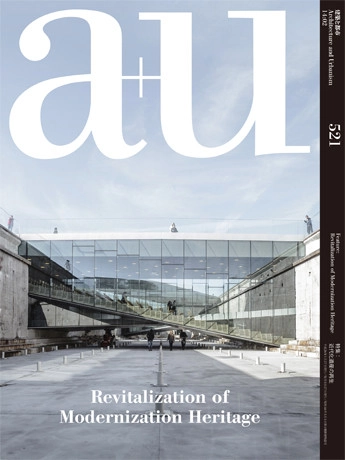
From the publisher. The development of industry and culture in the modern period has created architecture suited for the particular system. As the industry declines, followed by the population shift, the original purpose of these buildings has been lost. Instead of demolishing them and rebuilding from scratch, many have been renovated to serve as the bases for revitalizing the regions.
February 2014 issue of a+u introduces 10 works that take advantage of the architectural system derived from their original function and are enabled to assume new roles in the society.
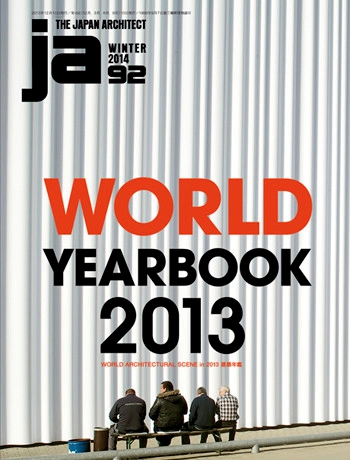
JA92 takes a retrospective glance at the architecture of 2013. 49 works were chosen from cities around the world including Japan with the focus on architecture's relationship with environment and cultural background.
Also included are essays by Hitoshi Abe, Anton Garcia-Abril and TYIN.
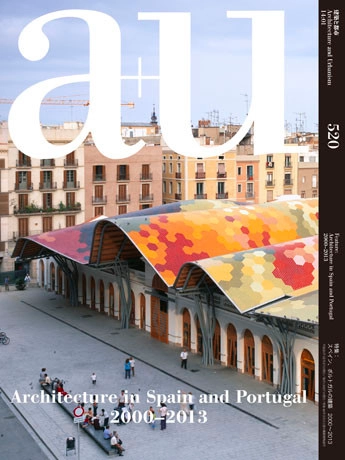
From the publisher. In the past three year, the January issue of A+U has focused on 100 works of architecture built in a certain country since 2000 From those selected works , we have witnessed the country's as well as the era's distinctive traits. Following Switzerland the Netherlands and Germany, this year we are featuring Spain and Portugal.
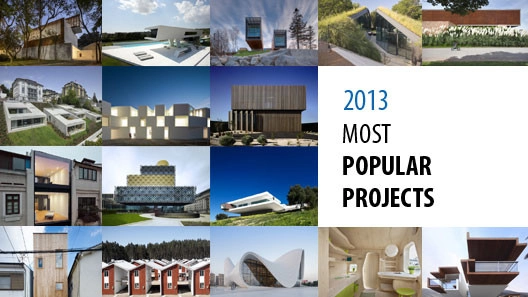
From Zaha Hadid to Sou Foujimouto, from houses to pavilions, from South America to Europe; here are–as you were probably expecting–the 20 most popular projects of 2013.
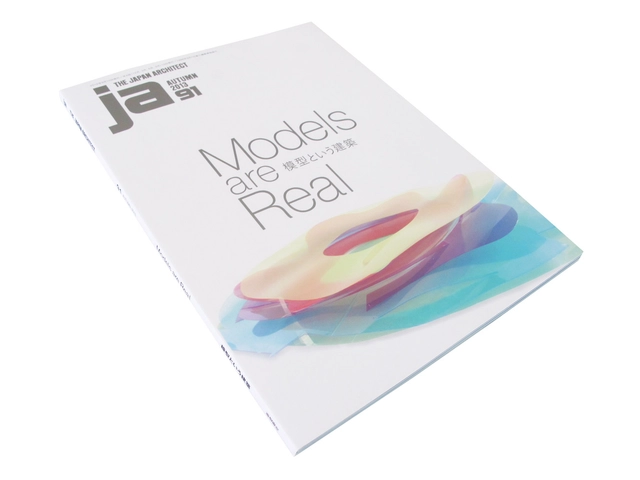
From the Publisher. JA91 is a special issue devoted to the architectural model. Today, with the advance of simulation technology, architects possess wide -ranging tools for verifying and communicating their ideas, tools that are, moreover, easy to use. Still, many architects continue even now to construct models in various phases of the process from concept design to realization.
ARCHIPENDIUM 2014 by archimappublishers and ArchDaily provides an overview of the most fascinating modern developments in contemporary architecture. Each project exemplifies the efforts of architects and designers to make life better and more sustainable.
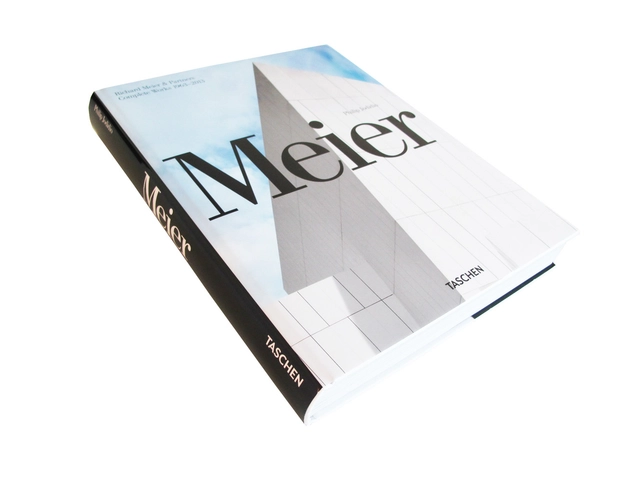
From the Publisher. From his early days as one of the "New York Five," Richard Meier has been a central figure in contemporary architecture; this updated 2013 trade edition of the XL version is published in the occasion of the firm’s 50th anniversary. With the Getty Center and more recent buildings such as the Jubilee Church in Rome, Meier has established a reputation for expanded the horizons of contemporary American architecture while maintaining his rigorously rational approach to design and detailing. Known for carefully conceived grid plans and frequent use of white, Meier is a master of light, space, and volume, able to adapt his style to very different circumstances and locations.
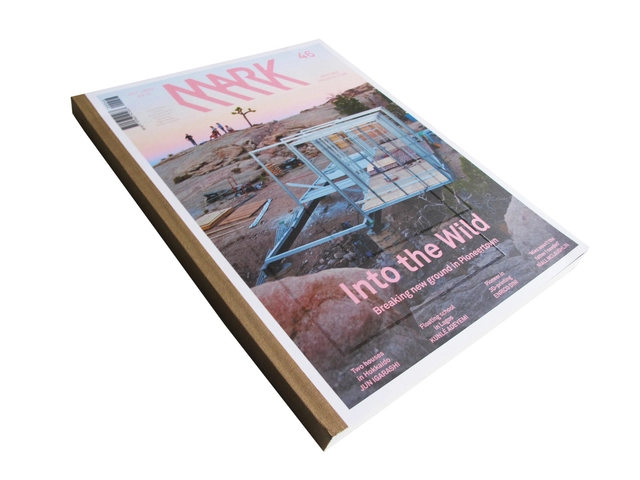
We recently received the latest issue of Mark Magazine. This issue’s main theme is “Into the Wild, Breaking new ground in Pioneertown”. In this edition you can find in depth previously featured projects by AD, like Torus by Norisada Maeda, The Umeå Art Museum or the work of Australian practice, Lyons. Full info after the break.