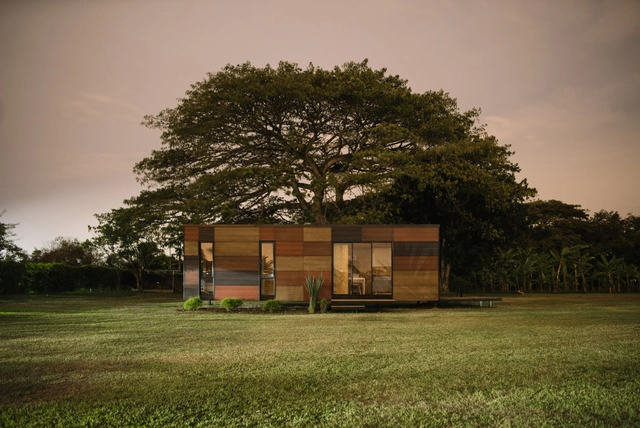
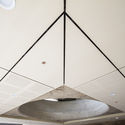
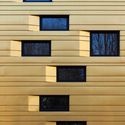
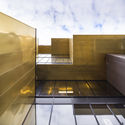
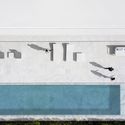
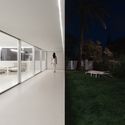
VIMOB Project (Arch. Felipe Lerma) - Superboard. Visit our website www.etex.com.co to learn more about eco-friendly dry construction.
The concept of sustainability dates back to the 1980s, when the chairperson of the United Nations World Commission on Environment and Development, Gro Harlem Brundtland, authored the report titled “Our Common Future.” This document questioned the negative environmental consequences of development and globalization, raising the need to advance toward “Sustainable Development.”
The regional expressions of a country’s culture are vital in helping us understand the relation between context and specific conditions of social manifestations. These nuances and singularities inside the realm of construction are translated into what can be called vernacular architecture. Although it has always existed, this universe of local exemplars of architecture with their particular materials, techniques and regional constructive solutions came to be well studied in the second half of the twentieth century in Brazil, in a project that traced national architecture history, headed by Lucio Costa.
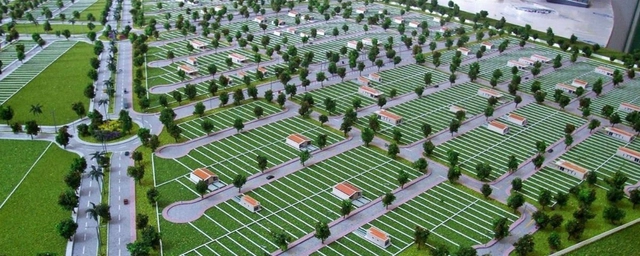
Aerial view of Smart City Laguna. Image by TecMundo
In 2017, ArchDaily Brazil reported that Smart City Laguna would become the first “smart city” in Brazil. With its inauguration scheduled for that same year, the venture opened with 1,800 units in its first phase, and in its final phase, 7,065 units divided between residential, commercial and technological uses.
Located in the Croatá district of São Gonçalo do Amarante, the first Brazilian smart city occupies 815 acres directly connected to the federal highway BR-22, which crosses the states of Ceará, Piauí, and Maranhão, starting in Fortaleza towards Marabá, in Pará. Its location has economic reasons: the proximity to Pecém Harbor, in Fortaleza, the Pecém Steel Company (CSP) and the Transnordestina Railroad make Croatá a strategic hub that has been recently occupied by technological companies, becoming a “digital belt” a little over 50 kilometers from the state’s capital.
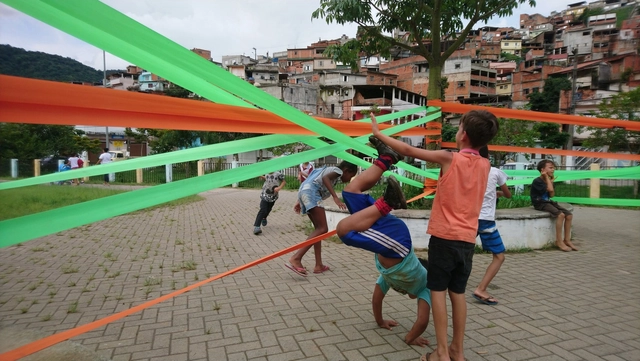
Cortesia de Marcella Arruda / A Cidade Precisa de Você
Over the next 20 years, 45% of urban land should consist of public spaces (streets, parks, and plazas), according to UN-Habitat. What will be the quality of these spaces? Which stakeholders will assume responsibility for their management? The movement to reclaim public spaces by city dwellers is gaining momentum both in Brazil and globally. The right to the city is at the forefront of urban discourse, and at its core, many citizens are committing to actively participate in decisions regarding their cities, or even in everyday initiatives to improve public spaces.
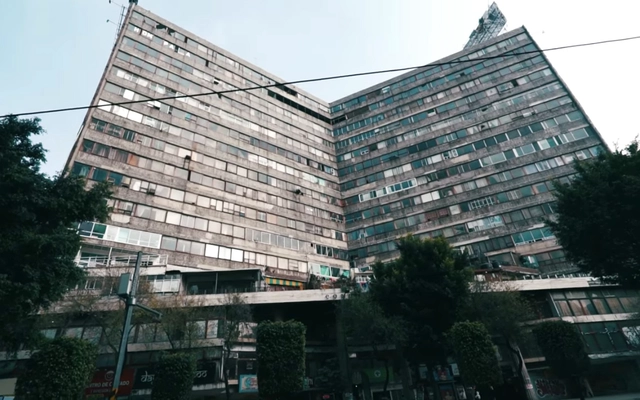
It is true that designers, architects, and the general public share an endless fascination with abandoned architecture. Throughout history, shifting economies, disasters, regime changes, and sheer incompetence have forced the evacuation of striking architectural structures, which today serve as curious—and even haunting—monuments to bygone eras.
This fascination has led to the publication of several articles on our site exploring the mysteries of some of the most famous sites through text and photography. Yet, this curiosity has also driven individuals to venture out and document their experiences firsthand. Such is the case of Mike Corey, a YouTuber who, through his channel Fearless & Far, has dedicated himself (among other pursuits) to exploring some of Mexico's most famous abandoned buildings.
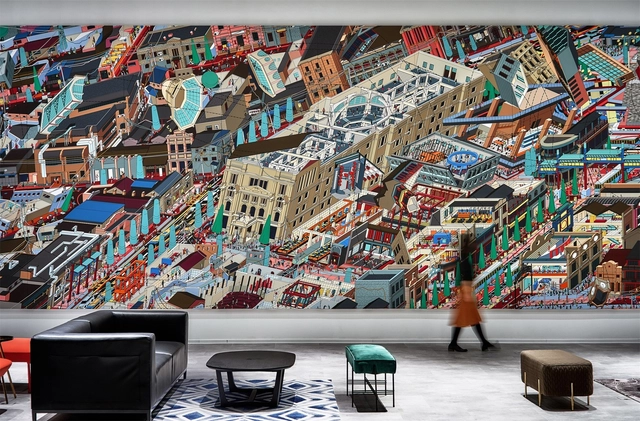
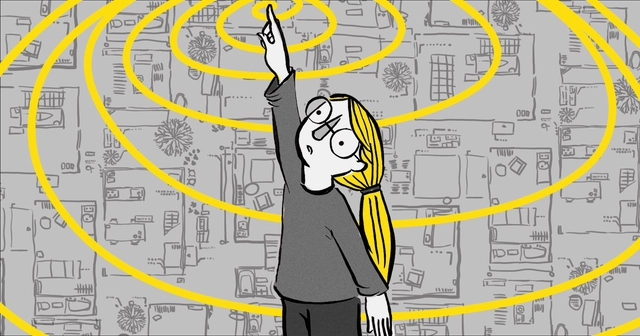
Artistic expression is often undisciplined. Sometimes, the riot of colors and explosion of lines and forms help unleash a 2D illustration out of its medium, which is precisely what Drawing Architecture Studio (DAS) managed to create in Ucommune’s new branch in Dajiang Hutong, Beijing.
In late 2018, Li Han, co-founder of Drawing Architecture Studio, won the 2018 Drawing Prize for her digital drawing of The Samsara of Building No.42 on Dirty Street, which also illustrates a visual narrative of the city of Beijing and its residential chronology throughout the 21st century. This year, DAS took Qianmen area, co-working brand Ucommune’s location as a subject, transforming its road network, architecture, and urban composition into a dynamic, meticulously detailed panorama titled Under the Zhengyangmen.
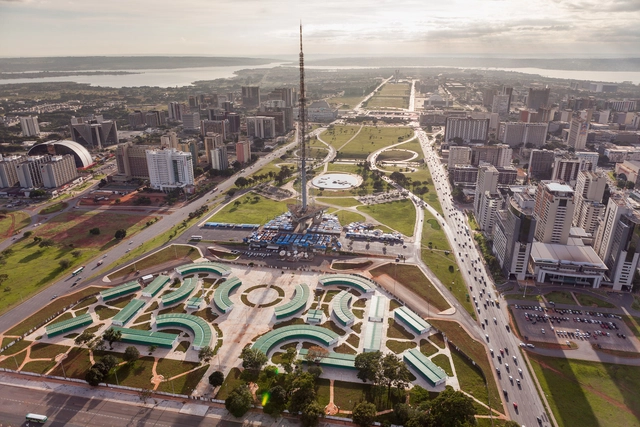
In recent years, documenting architecture and cities through photography has undergone a swift and surprising transformation. Professional and amateur photographers have been seeking new perspectives, going beyond what the human eye can see at street level. In this pursuit, aerial photography—which captures a bird's-eye view—is layered with aesthetic intentions that reveal an intimate and breathtaking look at cities and landscapes.
3D printing itself is no longer a new technology, but that hasn’t stopped researchers and innovators around the world from coming up with new applications and opportunities. Some experiments with new materials have been driven by sustainability concerns and others are simply the result of imagination and creativity. Others have chosen to invest their time utilizing more traditional materials in new ways. Materials, however, are just the beginning. Researchers have developed new processes that allow the creation of objects that were previously impossible to print and, on a larger scale, new building typologies are being tested - including a Mars habitat!
Clément Blanchet Architecture in collaboration with Etienne Tricaud (AREP) have been shortlisted for the French pavilion at Expo 2020 Dubai. The winner will be announced in February. The proposal is intended to enhance both the virtual world and the real to support human communication, cultures and interactions. The pavilion will be built around the themes of Light and Mobility to create a hidden oasis with two vertical gardens facing one another.
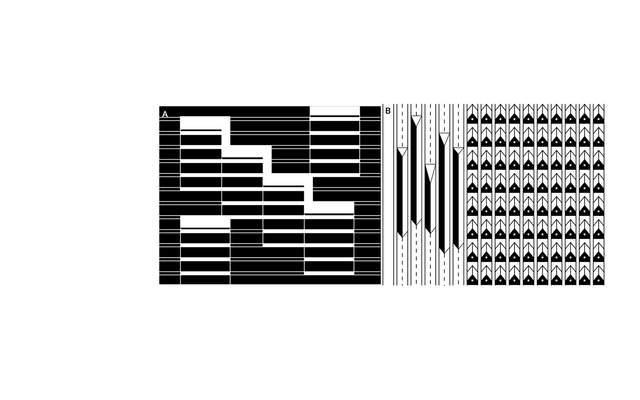
'Silogismos' is an architecture and illustration project that bases its research on archives, publications, and photographs tracing the history of modern construction in Mexico. It offers a graphic narrative on the continuity and transformation of seminal 20th-century works through the synthesis, interpretation, and juxtaposition of their ideals. These paired concepts confront thought and form through deductive inference. Ultimately, the sum of these parts reveals critical architectural meanings and motives for future reconstruction.
https://www.archdaily.com/1120503/urban-syllogisms-discover-the-history-behind-ciudad-satelite-and-the-multifamily-housing-complex-in-mexicoJuan José Kochen + Ximena Rios-Zertuche
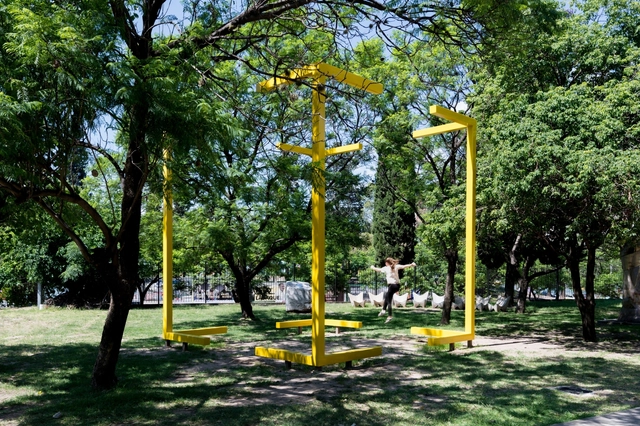
Through a sculptural intervention, nationally award-winning artist Romina Castiñeira reinvents the sculpture courtyard of the Caraffa Museum in Córdoba, Argentina, offering a new sensory experience that addresses the spatial condition of inside and outside.
Since its discovery in 8700 B.C., copper has been one of the most used metals in the history of humankind. It has a variety of uses from coins and weapons to statues and even architecture. One of its first architectural uses was in Ancient Egypt for the massive doors of the temple to Amen-Re at Karnak in 300 B.C.
The versatility of the material continues in architecture to this day, allowing for a variety of unique designs and uses. The innovative, efficient, and lightweight material is versatile in its use, ranging from facades to roofs, interior applications, and high tech solutions. Sustainable in its natural form, the material is 100% recycled. As the state of architecture becomes more focused on sustainability, copper becomes the ideal material for the buildings of today.
Below, we’ve selected 7 projects that use architecture's original bling.
https://www.archdaily.com/907537/copper-facades-architectures-original-blingMartita Vial della Maggiora
Juan Navarro Baldeweg liked to imagine his work within a dreamlike room, where the outlines of his buildings are silhouetted against a horizon of visual vanishing points, with the spectator positioned at their center of convergence. He aspired, moreover, for his exhibitions to be cumulative rather than retrospective—inviting the viewer to wander and trace connections between his works, linking them like elements of a single expressive medium or distinct formal gestures.
In contrast to the rigidity of classicist attitudes and the modern synthesis of artistic languages, Navarro Baldeweg—unbeknownst to many—champions the simultaneous cultivation of diverse, sometimes opposing disciplines and distinct arts. This fluid movement, free of preferences or boundaries across the broad spectrum of artistic practices, foreshadowed approaches that are widespread today, such as nomadism and the poetics of the "in-between." This nomadism does not stem from opportunism, but from a creative impulse, a restless eye, a trained gaze—in short, the work of a total artist.
“Writing is like a city, for which words are a thousand gates.” - Walter Benjamin
No roads or maps lead to them. Yet, many of the cities imagined in literature feel more tangible than real ones, capturing the human imagination with their fantastical sparks. The rich geographical, cultural, and social detail of cities like the famous Macondo, from One Hundred Years of Solitude, frequently places a magnifying glass over the relationship between territory and its inhabitants.
Designing commercial spaces has historically been a challenge. In these environments, spatial distribution plays a fundamental role, even more so if we have a few extra square meters. With this being said, the study of these spaces in plan and section can be a great starting point. It not only allows us to analyze the logistics and circulation of customers but also helps us find efficient variations and innovations that will enable your store to stand out from the others.
Below, we've selected a series of 25 examples in plan and section that can help you understand how different architects faced the challenge.
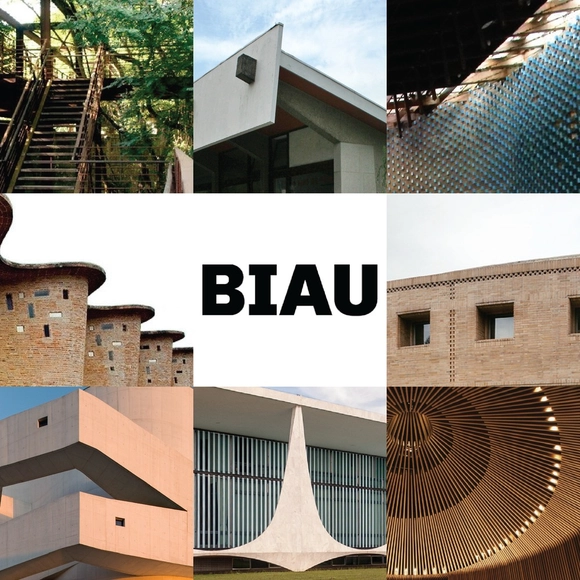
In each edition of the Ibero-American Biennial of Architecture and Urbanism (BIAU), the event honors masters of Ibero-American architecture with the Ibero-American Architecture and Urbanism Prize.
The Ibero-American Architecture and Urbanism Prize recognizes work "directly related to architecture and/or urbanism, highlighting its aesthetic, functional, technical, social, economic, and environmental aspects. This may include built work, planning, heritage conservation and restoration, knowledge production, or social commitment," as outlined in the competition guidelines.
For the fresh architecture student, the “jury,” “review,” or “crit” is far from glorious—sounding more like a death knell than a customary critique session. The concept, as Kathryn Anthony explores in DesignJuries on Trial: The Renaissance of the Design Studio, goes as far back as the 1980s when the Ecole Nationale et Speciale des Beaux-Arts in Paris became the first art and architecture school to experiment with a format that would soon be adopted by architectural schools across the world. While some schools have taken steps to loosen traditional hierarchies, others continuing to reinforce them, much to the terror of fledgling first-year students who aren’t used to being “tried.”
So what can one really do to ease into this rather uncomfortable aspect of architectural education? Below is a fairly simple list of dos and don’ts that could go a long way in helping you out.
https://www.archdaily.com/886451/dos-and-donts-for-your-very-first-jury-in-architecture-schoolZoya Gul Hasan
The recent death of President George H.W. Bush occasioned assessments of his administration’s legislative achievements, one of which was the far-ranging Americans with Disabilities Act (ADA), a civil rights act signed into law in 1990. The law included accommodations for people with disabilities in buildings. In the ensuing decades the ADA has had a significant impact on the design and construction of the built environment in the U.S. To gauge the impact of ADA, how it has evolved, common misconceptions about ADA, and its role in promoting social equity in architecture, I spoke with Peter Stratton, Senior Vice President and Managing Director of Accessibility Services at Steven Winter Associates, who works with architects and others in the construction industry on the application of the ADA design standards. (I worked at the Connecticut-based Winter firm between 1996 and 2006; Stratton was a colleague.)
https://www.archdaily.com/909025/why-are-architects-still-struggling-with-disability-requirementsMichael J. Crosbie
As 2018 winds to a close, we've started to look ahead to the projects we're most looking forward to in 2019. Many of the projects listed here have been in the works for years, having experienced the frustrating false starts and lulls that come in a profession dependent on long-term and significant capital investment, not to mention changing politics.
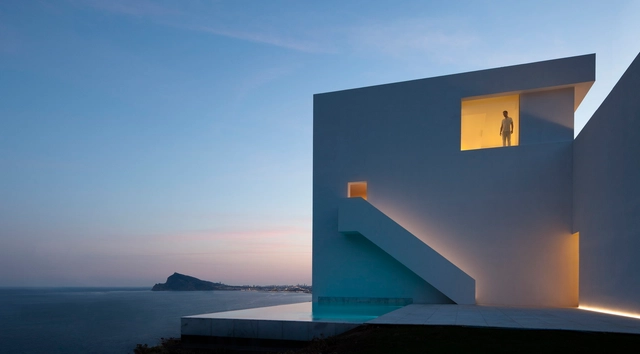
Spanish architect Fran Silvestre is well known for his portfolio of nuanced, clean, and decidedly modern works. Each project is as stunning as the next, the type of home that shows up in Bond films and populates the Pinterest boards of aspiring homeowners.
Although zoning regulations point toward necessary densification and the subsequent verticalization of residential buildings in urban centers—seeking greater efficiency and access to urban infrastructure—something escapes this purely rational plan and enters the subjective sphere when we think of single-story houses.
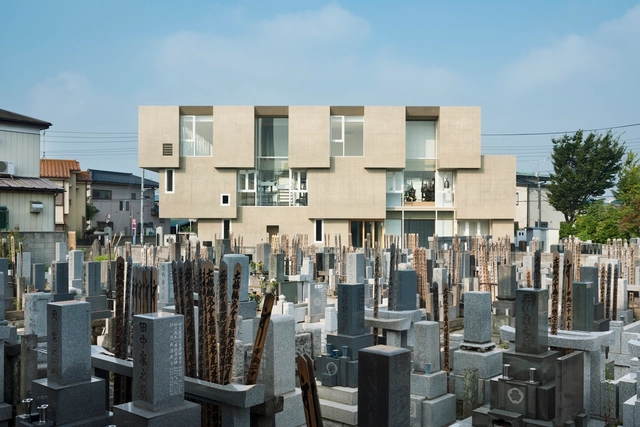
Shoraku-ji, Toru Kashihara Architects, Photo Takumi Ota
Religious architecture has long been one of the most exciting typologies, one has long paved the way for various design and structural innovations. Faith & Form magazine and Interfaith Forum on Religion, Art and Architecture (IFRAA) annually recognize the continued creativity defining the field.
This year's winners include 35 projects that span a variety of religious denominations, sizes, and location. Additionally, the award has recognized two trends defining contemporary religious architecture: "the preference for natural materials in worship environments, and inventive design solutions to address tight budgets."
Why do we build? How do we build? Who do we ultimately build for? These have been questions that have dominated the worlds of both practice and pedagogy since the early ages of architecture. On a basic level, those questions can be answered almost reflexively, with a formulaic response. But is it time to look beyond just the simple why, how, and who?
In a world where the physical processes of architecture are becoming increasingly less important and digital processes proliferate through all phases of architectural ideas and documentation, we should perhaps be looking to understand the ways in which architects work, and examine how we can claim the processes—not just the products—of our labors.