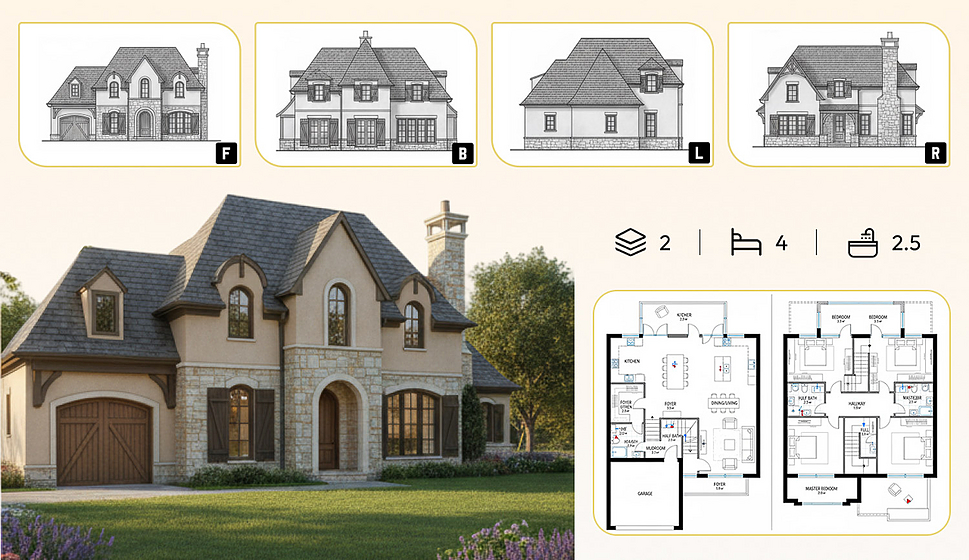
This guide covers a workflow that moves from project parameters to generated floor plans, 3D perspective views, exterior design exploration, and site context visualization, using AI tools in place of preliminary CAD and rendering work.
This guide covers a workflow that moves from project parameters to generated floor plans, 3D perspective views, exterior design exploration, and site context visualization, using AI tools in place of preliminary CAD and rendering work.

Vaulted structures make it possible to build homes affordably and with minimal infrastructure—relying solely on the catenary arch as a design foundation, a formwork-free construction system, and the human body as a morphological reference. Beyond material cost savings—should financial benefits not offer enough incentive—vaulted structures are characterized by their humanized quality and their potential to create organic spaces imbued with identity.
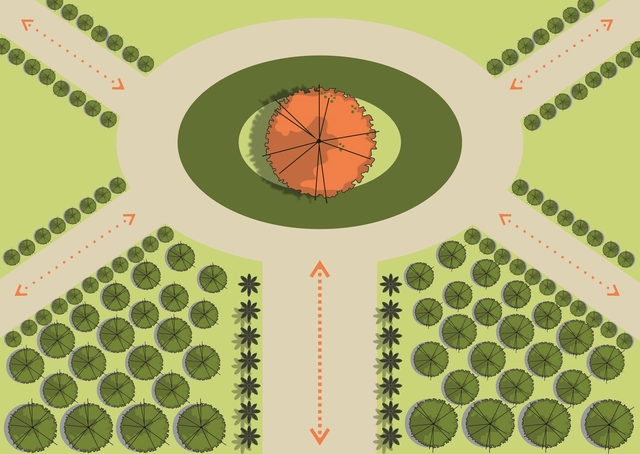
Just like the architectural elements that compose and shape built space—floors, walls, and ceilings—vegetative elements are also capable of shaping open spaces across large, medium, and small scales, from parks to residential gardens, acting as spatial organizers. According to Benedito Abbud, “Landscape design is the only artistic expression in which all five human senses participate. While architecture, painting, sculpture, and other visual arts rely heavily on sight alone, landscaping also involves smell, hearing, taste, and touch. This provides a rich sensory experience by combining the most diverse and complete perceptual experiences. The more a garden can heighten all the senses, the better it fulfills its role” [1].
In this second part of our series, we will demonstrate through practical examples how visual landmarks, axes, scales, views, and sensory experiences are conceptualized and applied in landscape design.
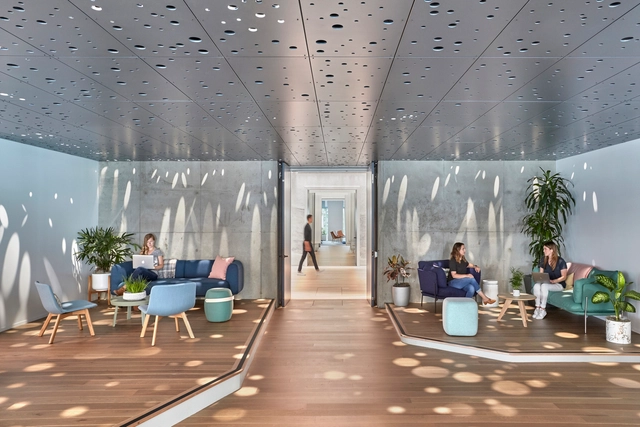
The COVID-19 pandemic has transformed how we work around the world. From telecommuting and distance learning to virtual events, designers have quickly rethought traditional workflows to stay connected. With the rise of both self-imposed and mandated social distancing, as well as global turn towards remote work, ArchDaily is exploring the impact of COVID-19 and what it will mean for the future.
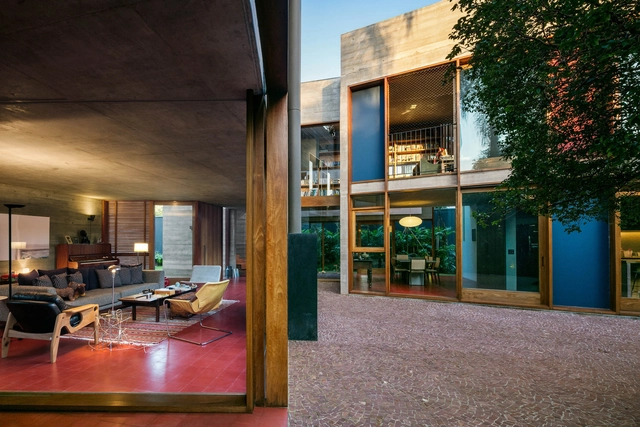
The courtyard is an essential architectural element in many cultures. In Brazil, examples can be found both in historic buildings of Portuguese influence and in modern architecture of the last century. While its use is frequently associated with bioclimatic benefits—improving natural ventilation and daylighting in interior spaces—it can represent much more than that. The void it creates, a subtraction from the built volume, can establish unexpected geometric and visual relationships and foster cross-dialogues between different parts of the building.
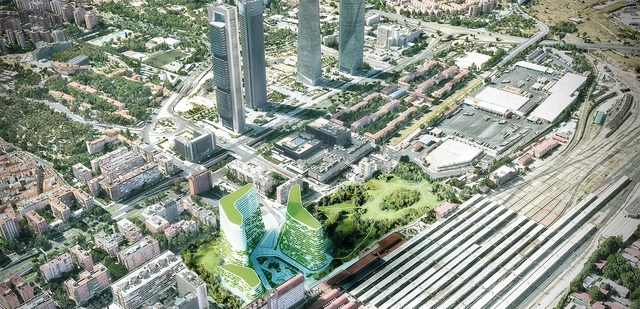
In a world marked by urbanization, the digital revolution, and climate change, traditional approaches to real estate are not enough. To respond to this context, students in the Master in Real Estate Development at the IE School of Architecture and Design are encouraged to go beyond traditional practices and think outside the box.

Just 2 months ago, the city of Wuhan, China announced the construction of Wuhan Huoshenshan Hospital, adding 1,000 beds, 30 ICUs, and new isolation wards to the city's medical arsenal to combat the Coronavirus epidemic. The building was completed in under 10 days by a team of 7,000 construction workers, a far cry from the reality many countries are facing as they scramble to quell the outbreak and wrestle with the shortcomings of their own healthcare systems. With over 14,000 dead and more than 300,000 infected worldwide, not to mention a shortage of medical supplies and facilities, health systems across the globe are feeling the strain of preparing for a crisis.
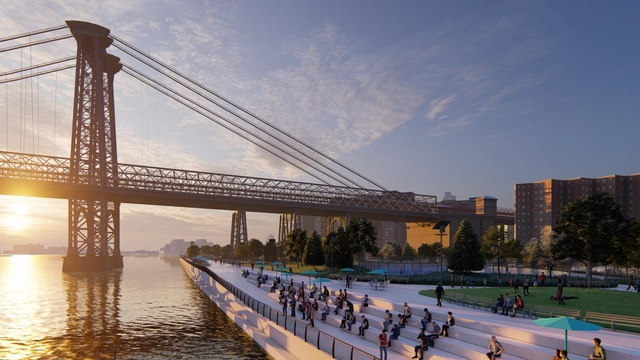
In 2012, Hurricane Sandy struck the eastern coastline of the United States and caused a level of flooding and destruction that was unprecedented for a major, densely populated city like New York. Storm surges brought a terrifying amount of water to the city streets, tunnels and subways; the National Ocean Service reported a 9.4-foot surge over Battery Park. Essential infrastructure was damaged in many areas, homes were flooded and people were trapped.
.jpg?1584977960&format=webp&width=640&height=580)
As people are spending more and more time inside their homes, offices, and other closed areas, it is important to ensure that these spaces are safe and healthy environments, especially indoor areas designed for children and seniors. In recent years, several of the materials that shape the spaces we inhabit and directly influence the quality of the air we breathe have increasingly used a potentially dangerous chemical compound. This compound is called formaldehyde.

With a sizable portion of the world's population hunkered down at home, online activities have become the go-to for those looking to fill, often hours, of newfound free time. Thanks to the cooperation of several companies, anyone with an internet connection now has access to a trove of online educational (courses, workshops, tutorials) and recreational (documentaries, digital books, virtual tours) activities that can be enjoyed from home. Just a few years ago, Google Street View was a practical tool for virtually navigating the world's metropolitan and suburban centers. Today, thanks to technological improvements and user-driven data collection, Street View has become a way to glimpse inside some of the world's most iconic buildings.
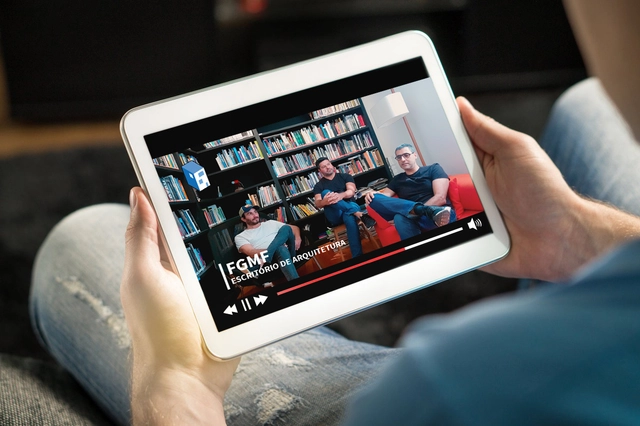
Over the last few weeks, the editorial team at ArchDaily Brasil has conducted a series of interviews with various Brazilian architects and firms to understand their respective work and creative processes, as well as their use of specific materials, construction techniques, and the unique aspects of developing key projects within their portfolios. In light of the quarantine resulting from the coronavirus pandemic, we have gathered these recent interviews so you can make the most of your days at home. See them below:
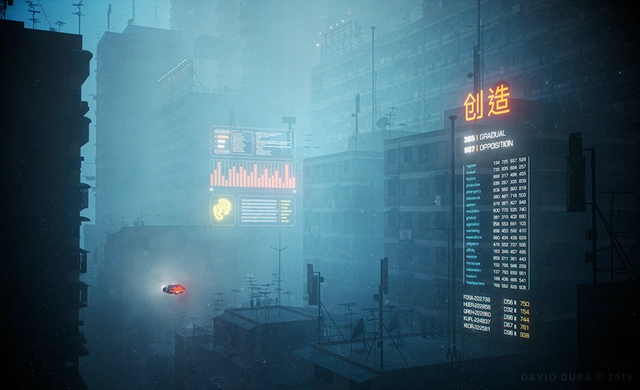
In his book "Life 3.0", MIT professor Max Tegmark says "we are all the guardians of the future of life now as we shape the age of AI." Artificial Intelligence remains a Pandora's Box of possibilities, with the potential to enhance the safety, efficiency, and sustainability of cities, or destroy the potential for humans to work, interact, and live a private life. The question of how Artificial Intelligence will impact the cities of the future has also captured the imagination of architects and designers, and formed a central question to the 2019 Shenzhen Biennale, the world's most visited architecture event.
.jpg?1585232852&format=webp&width=640&height=580)
How does computer programming impact the act of designing? Are digital protocols about to substitute human activity in the project of architecture, or does the human component remain an essential one - through changed paradigms? And if so, which paradigms should we refer to? Charles Driesler and Ahmad Tabbakh retrace these fundamental questions through some recent examples, and propose the application of a GAN protocol for the post-war reconstruction of Aleppo.

Europe in the 1960’s was the incubator for the emergence of young, provocative, and avant-garde architecture radicals including Archizoom, Superstudio, Ant Farm, and UFO. These groups rebelled against traditional architecture dogma in favor of exalting tropes that celebrated counterculture ideals, and an interest in designs that could extend both time and space. Archigram, the London-based faction of this movement, didn’t try to reinvent modernist principles, but instead tried to accelerate them and push the conservative climate to become more future-proof. Rightfully so, they felt that art and architecture was falling behind with their inability to keep up with products and technological advancements that were already a part of daily life. While Archigram’s ideas and drawings were often criticized as being frivolous, the group’s prophecies about the future have been realized in many ways, and still largely influence architectural discourse in the present day.
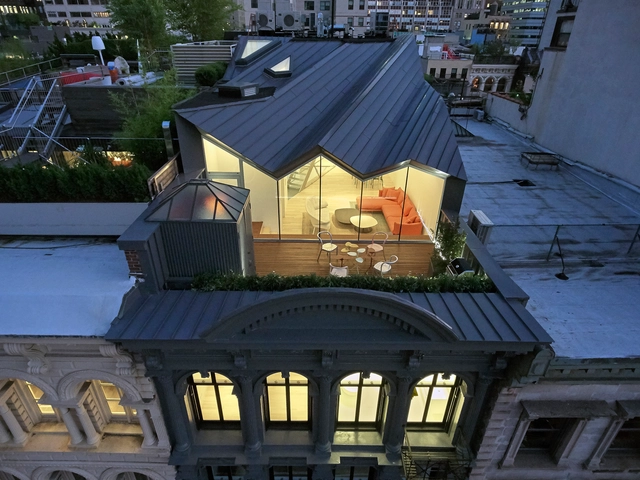
One of the most important cities in the world –and the most populated in the United States of America–, New York is home to a great mix of cultures and history that has been shaped over the years, while art and architecture play a fundamental role in this development.
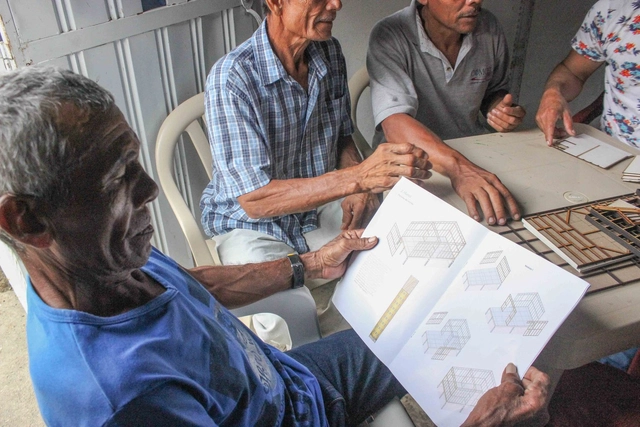
Social housing is one of the most compelling topics for our readers, representing a systemic challenge across most of Latin America. In Colombia, this challenge is even greater when it comes to rural social housing (known as VISR in Spanish), as inadequate infrastructure hinders dignified coverage throughout the country.
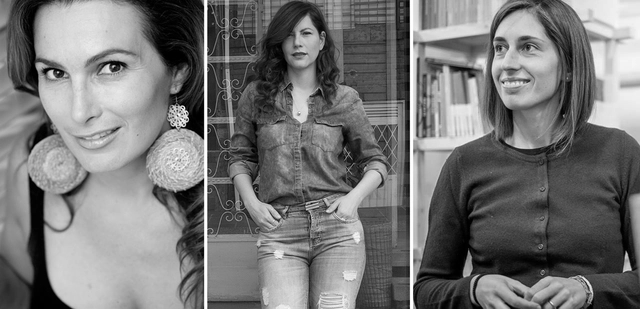
In these times of change, the more we cling to the pre-existing and resist the inevitable, the harder it will be to adapt. When everyone is equally exposed to the consequences of change, adaptability—alongside empathy—becomes the common denominator, allowing us to set aside, if only temporarily, the selfishness that segregates society.
Perhaps excessive competition also fosters this estrangement among colleagues. Architectural academia pushes us to compete for grades and prepares us for design competitions, and while this methodology can empower us to drive self-improvement, on a mass scale it generates segregation and harmful preconceptions.
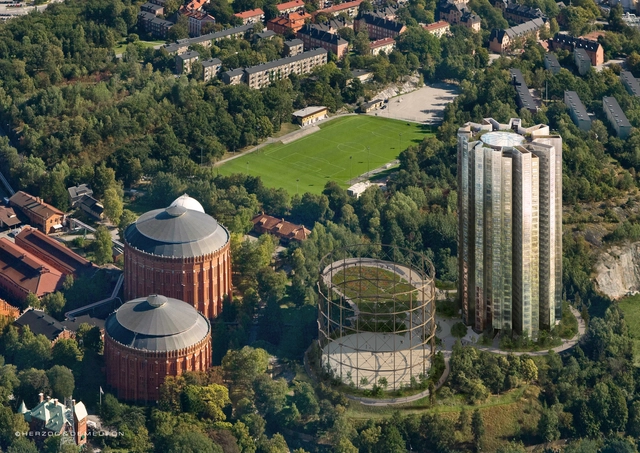
Considered landscape landmarks due to their imposing dimensions, gasometers emerged during the Industrial Revolution and were present in many cities around the world, accompanying their urbanization process. With shifts in gas generation and distribution during the second half of the 20th century and the emergence of new technologies, gasometers were gradually decommissioned. Although many have been condemned to demolition in recent years, many also still remain within the urban fabric, standing as testaments to an industrial past. Their potential for architectural, artistic, and landscape interventions prompts us to question what possibilities lie ahead for their future.

The architecture thought regarding the buildings with infrastructure programs tend, generally, to ponder its reflection in issues related to the site, flow organization, revitalization, and well-articulated uses, as these projects usually are connected to a great number of users and multiple simultaneous purposes.

As concern grows regarding the contribution of fossil fuels to global warming, solar energy is an increasingly attractive power source due to its zero emissions and infinite supply. As builders turn to incorporate solar energy systems into their projects, many options are available to harness the power of the sun for commercial and industrial installations. While AEC Daily’s course on “The Good, the Bad, & the Ugly” of rooftop solar photovoltaic systems might not be a 1960s spaghetti western, it will guide you through the wild west of installation processes and options.

For nations worldwide, the course of action to fight the spread and effects of coronavirus COVID-19 has been to implement quarantines; restricting the movement of the general population while isolating people infected by the disease, albeit indefinitely. The result: both public and private spaces have closed in a bid to curb the number of new cases. At the same time, the rising number of deaths has added to both social and economic uncertainty, with people across the globe asking "how are we going to work?" or, better yet, "how are we supposed to eat?"
Humans can survive for 30 days without eating, 3 days without drinking, yet only 3 minutes without breathing. Of course our need for air is also constant, we rely on it at all times indoors and outdoors although can often be less clean than we would hope. Unpleasant odors make us aware of bad air, but many irritants and unhealthy gases are not easily detectable by smell while still affecting our health. Smells are the most obvious signal, as they are consciously perceived by the brain and nervous system, allowing us to make judgements about our environment.
Learn more about where poor indoor air quality comes from, why it's important to address within the built environment, and how to design for good indoor air quality and comfort.
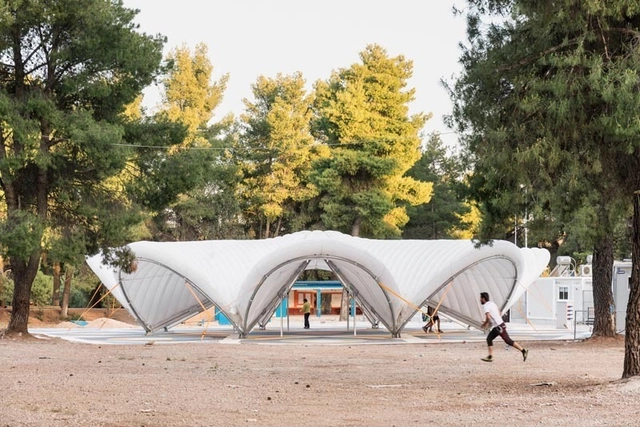
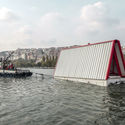
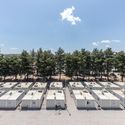
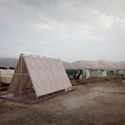
The COVID-19 pandemic has shown yet again how designers are needed to reimagine emergency shelters. With an estimated 900 million people around the world to remain at home because of the virus, there are also a number of hospitals without the necessary beds to treat infected patients. At the same time, the need for emergency shelters is tied to many types of crisis, not just this virus or a pandemic.
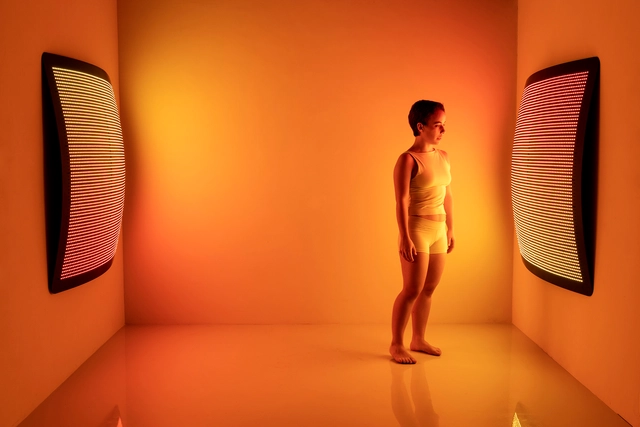
With the aim of creating immersive environmental experiences in interior spaces, the design studio Aqua Creations has developed Manta Ray Light, a lighting installation built with responsive RGB LED technology that mixes the colors red, green, and blue to generate more than 16 million light tones. By presetting its color spectrum, offering a range of brightness settings on a scale of 0.1 to 100%, and even loading images and videos into its internal memory, the system allows its user to add color and movement to expressive spaces, or deliver a feeling of warmth and concentration to intimate and private rooms.

The year is 1985, you’re packing your briefcase to head to the office, where you’ll sit behind a desk to do some paperwork. Fast forward to 2020, and you’re having a conference call with the entire team from the coffee shop across the street. Relatively, not much has changed; work is still being completed by the end of the day, it’s just with a different scenery.
Employees nowadays are looking for something more than just a job behind a desk. They want to work in a dynamic, inspiring space that adds value to their knowledge and promotes their mental and physical well-being. But this wasn’t the case a century ago. Take a look at how offices evolved throughout the years, and what we can look forward to in the future.



.jpg?1585197773 "15 Union Square West / ODA Architecture + Perkins Eastman Architects. Image © Robert Granoff")
_Frank_Oudeman_19.jpg?1585198175 "15 Renwick / ODA New York. Image © Frank Oudeman")




.jpg?1556896868 "© Ishita Sitwala. ImageDesign Work Group")