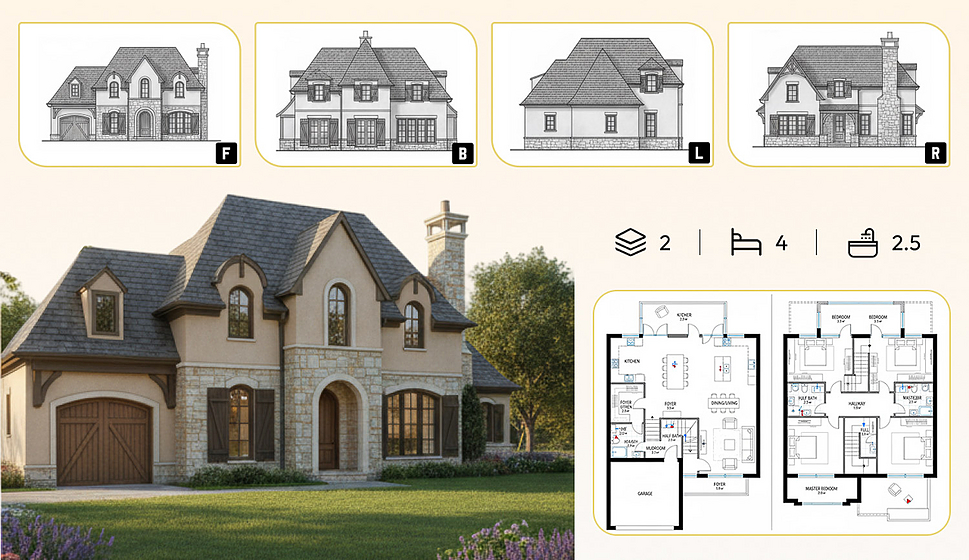
This guide covers a workflow that moves from project parameters to generated floor plans, 3D perspective views, exterior design exploration, and site context visualization, using AI tools in place of preliminary CAD and rendering work.
This guide covers a workflow that moves from project parameters to generated floor plans, 3D perspective views, exterior design exploration, and site context visualization, using AI tools in place of preliminary CAD and rendering work.
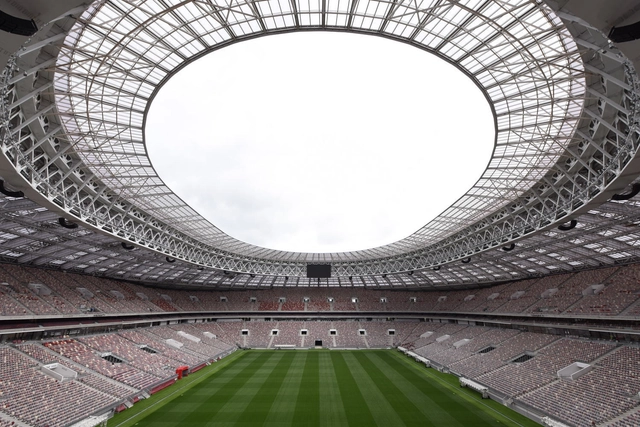
Throughout history, people from all walks of life with little in common have found ways to unite in neighborhood parks and filled stadiums to put those differences aside for the sake of the sports they love. Sports, and sports fandom, is a source of global unity, and perhaps fewer events in the world can generate such a wide range of emotions quite like a live match.

"How will we live together?" The question, the theme of the 17th Venice Biennale, has been providentially timely. Indeed, it has acquired a sense of urgency with the outbreak of COVID-19 and the crisis it has unleashed, prompting us to examine the sustainability of our current civilizational model and the need to renew both thought and action regarding the environment. In response to an article published on ArchDaily titled How Will We Live Together with All Other Species?, this article aims to contribute further perspective to the debate.
_John_Donat_RIBA_Library_Photographs_Collection.jpg?1591219236&format=webp&width=640&height=580)
Today, building humanized cities is predicated on full public participation, as outlined by national public policies institutionalized in Brazil's City Statute. However, it is clear that these mechanisms are largely geared toward adults, leaving children and youth on the margins of the participation and decision-making process.
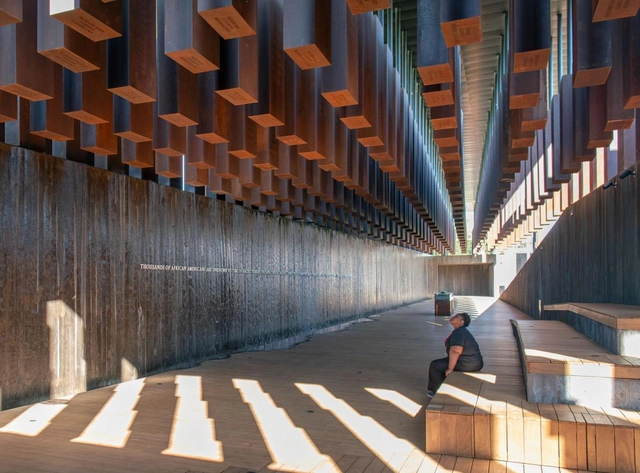
Architecture shapes how we live and come together. Amidst a pandemic and protests around the world, architects and designers are speaking out to condemn injustice and build space for empathy and understanding. In listening, they are looking to how we live together, and in turn, how we can create a more equitable and just world.
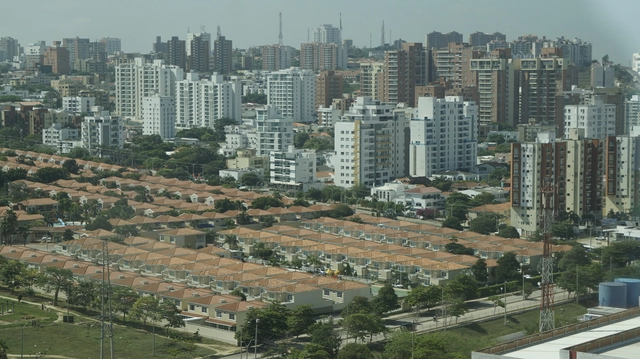
The crisis brought about by the pandemic and the resulting new global order compel us to review and adjust all Land-Use Plans—or their local equivalents—across Latin American cities.
.jpg?1591036359&format=webp&width=640&height=580)
While first developed as a practical power source during the 1950s, solar systems were too expensive for mainstream use until the 1970s. Starting from their early use to power Cold War era military satellites, silicon photovoltaic solar cells achieved their first commercial success in places where electricity was not available, such as lighthouses and off-shore oil rigs.
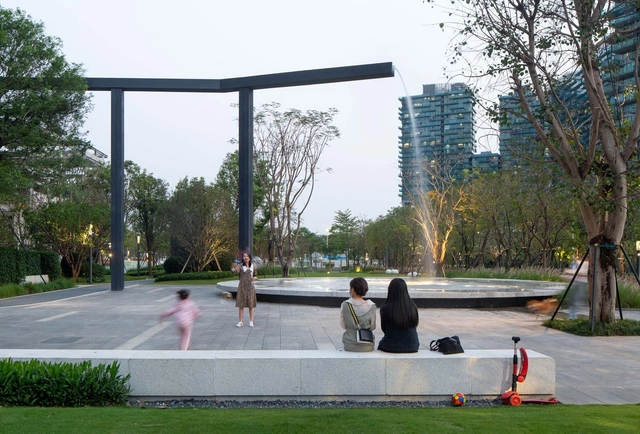
The total amount of water on our planet has, theoretically, stayed the same since earth's formation. It's possible that the glass of water you drank earlier contains particles that once ran down the Ganges River, passed through the digestive system of a dinosaur, or even cooled a nuclear reactor. Of course, before it quenched your thirst, this water evaporated and fell as rain millions of times. Water can be polluted or misused, but never created or destroyed. According to a UNESCO study, it is estimated that the Earth contains about 1386 million cubic kilometers of water. However, 97.5% of this amount is saline water and only 2.5% is fresh water. Of this fresh water, most (68.7%) takes the form of permanent ice and snow in Antarctica, the Arctic, and in mountainous regions. Another 29.9% exists as groundwater. Ultimately, only 0.26% of the total amount of fresh water on Earth is available in lakes, reservoirs, and watersheds, where it is easily accessible for the world's economic and vital needs. With the population steadily increasing, especially in urban areas, several countries have already had severe problems with providing the necessary amount of drinking water to their populations.
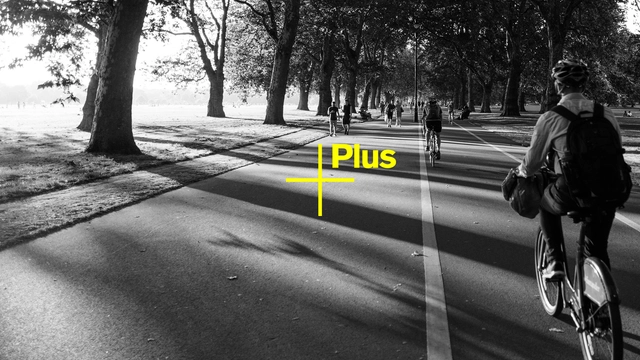
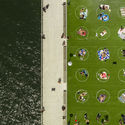
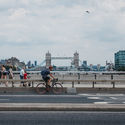
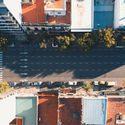
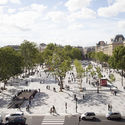
The Covid-19 pandemic has transformed the way we live our lives. Significant and long-lasting repercussions will be felt across society and industry, many of which are sure to influence the way we approach the design of our buildings and cities. Over the past few weeks, the Urban Design team at Foster + Partners has been exploring how recent and fast moving developments in urban planning – instigated and encouraged by the current crisis – will affect and shape the future of London and others worldwide.
Chilean architect and urban planner Germán Bannen, renowned for his work in the municipality of Providencia, is thoroughly examined in a new documentary by visual artist Gabriel Del Favero and journalist Ana Rodríguez. La ciudad de Germán Bannen traces the key milestones of his projects—such as the design and construction of Nueva Providencia Avenue—through a compilation of photographs, plans, archival footage, lectures, architectural drawings, and a dozen interviews.

Although some projects conceal it, structure is always a primary concern in architectural design. Defining the structural system is among the first crucial decisions to be made, and it will likely shape a series of other aspects of the building. There are, however, extreme cases where architecture is seen and read simply as structure—projects whose character and image are largely defined by the chosen structural solution.
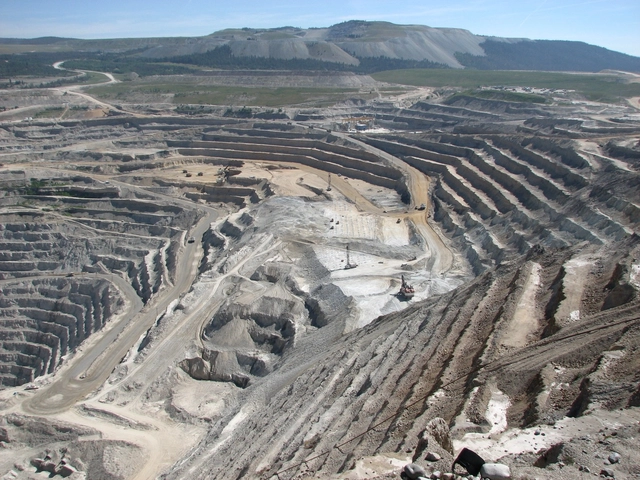
How does architecture contribute to the current climate crisis?
We invited our readers to weigh in on this issue and were overwhelmed by the number of responses that we got. After reading through and compiling the replies from industry professionals, architectural students, and architecture aficionados, we were struck by a common theme: there are few resources when it comes to researching how materials and products used in construction are sourced and produced.
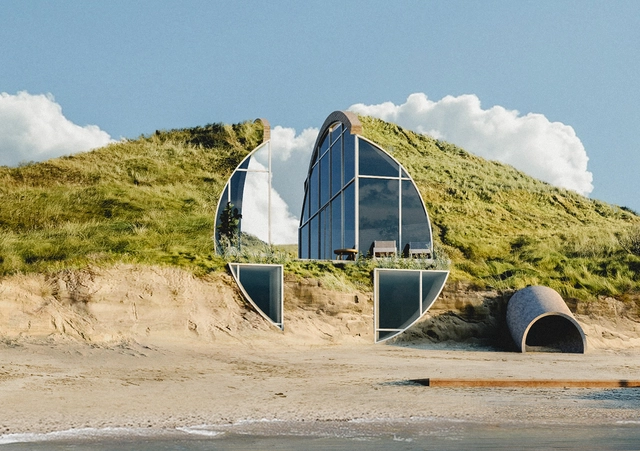
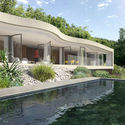
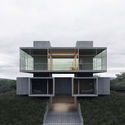
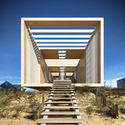
This week’s curated selection of best unbuilt architecture features conceptual residential projects submitted by our readers from all around the world. Highlighting innovative designs, approaches, and compositions, this roundup puts together a series of inspiring interventions that offer a fresh look on the typical house structure.
In the following article, ArchDaily has gathered ideas from Poland, France, Hungary, Iran, and the United States. Grouped under one common theme, the feature includes a new take on the typical building complex, an attempt to shorten the transitional gap between a house and an apartment, and a collection of modular residential models that can be implemented anywhere. Moreover, it also showcases Christophe Benichou’s latest intervention, “The Pleated House” located in the Hautes Alpes in France, a hyper-sustainable house on the beach and a structure completely erased and integrated into the natural landscape.

My decision to study architecture was a naive one, made after having taken several vocational tests I found on Google. When I found out it was one of the toughest courses in Brazilian public universities, I thought about giving up. But I was already hooked by the history of architecture and its social role.
However, nothing is perfect. Architecture and Urban Planning is one of the most elite courses in the most renowned Brazilian universities, something that is reflected outside of the classroom as well. The architects went on to serve the rich, casting aside the needs of the cities and the poor.
Mapas Sonoros is a project by the Usted no está aquí Archive that documents Latin American cities and towns in a non-traditional way. Functioning as a “map of maps,” the website compiles more than 40 independent sites with sound archives from countries such as Argentina, Bolivia, Brazil, Chile, Colombia, Costa Rica, Ecuador, Mexico, Peru, and Uruguay, creating a comprehensive log of georeferenced audio documents that offer an alternative way to map and understand Latin America.

In densely-populated cities, where construction projects tend to require party walls, the close proximity of other buildings complicate even further the process of creating spaces that incorporate elements like natural light and cross-ventilation. But this of course is not the only challenge: the ever-changing and multiplying nature of cities has given rise to atypical lots--properties that have been created by subdividing large swathes of urban land. In general, the reduced dimensions force developers to look for ways to maximize the limited space available to them.
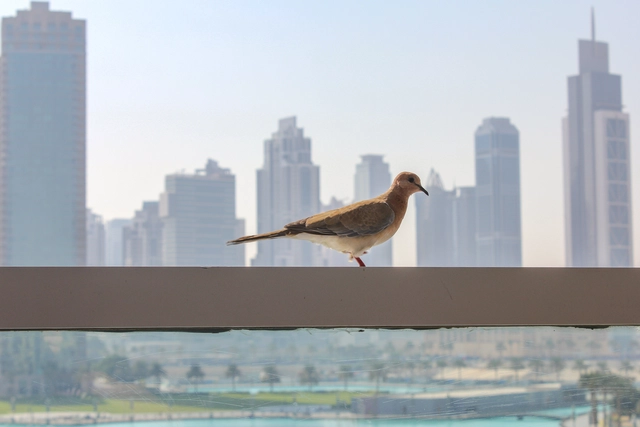
Did you know that World Migratory Bird Day is celebrated in the second week of May?
Every year around this date, festivals, educational events, exhibitions, and excursions are organized to celebrate and raise awareness about the conservation of migratory birds. These species have seen their habitats transformed during the last few decades in part because of human action: designers and real estate agents have built and nurtured an urban imaginary dominated by glass structures as a symbol of power and progress. Before proceeding with the conquest of the sky, it is worth considering some materials that are more friendly to the species with which we cohabitate.
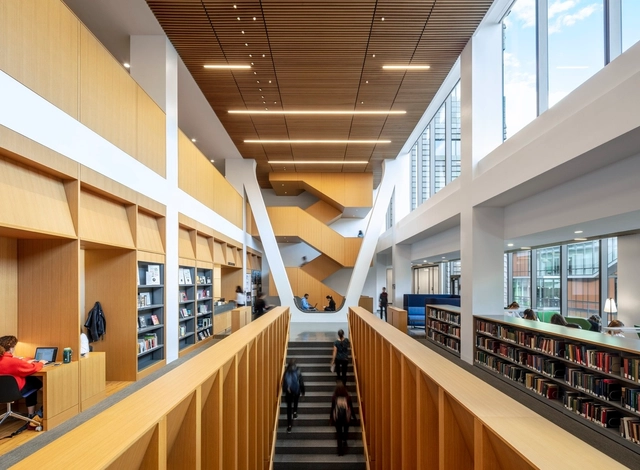
For students graduating this year with the global economy on pause, “commencement” might feel more like entering limbo. But while today’s crisis is unique, it’s not the first recession within memory. Many architects and designers at SOM have faced periods of uncertainty and often learned valuable lessons along the way. In turn, the team decided to share their stories.
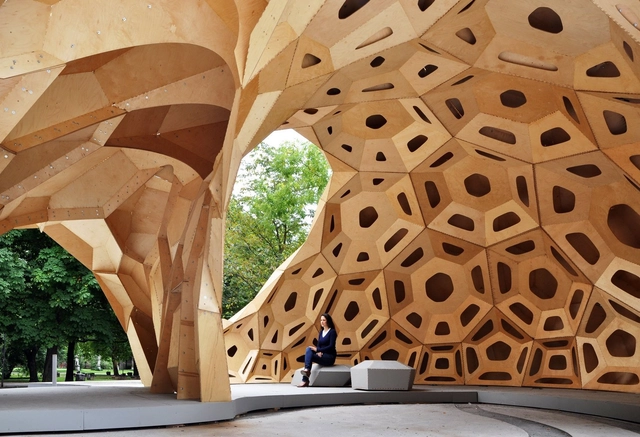
"Smart buildings" is a term that has gained prominence in recent years, both as a way to design more efficient buildings that offer greater benefits to their users and as a vehicle for the real estate industry to find a new market niche.
In many cases, the term "smart" is overused, often serving merely as a marketing pitch for so-called innovative technologies. In this light, because any technology can become obsolete over time, many building projects considered modern, advanced, or smart at the time of their construction are no longer deemed so today.
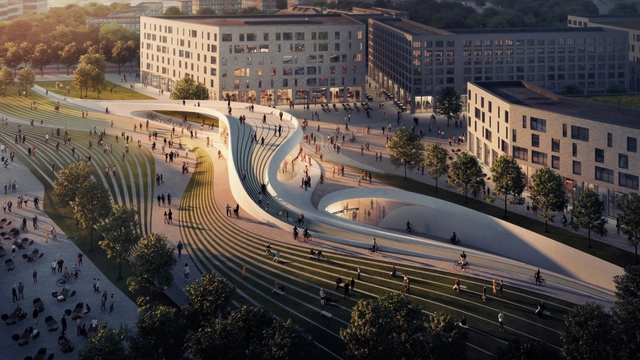
In an era of great marketing efforts, in which architectural ideas increasingly seem to focus on hyper-realistic representation in an attempt to convince clients (or the jury in the case of architectural competitions) that the upcoming construction will achieve just as much quality as the visual fantasy, renderings become highly important in a project's presentation.
Because of this, every year there are new updates, as well as the launching of new software specialized in renderings, tools capable of achieving such impressive results that may lead to images being mistaken for photographs, thus blending the unreal with the notion of ultra-reality.
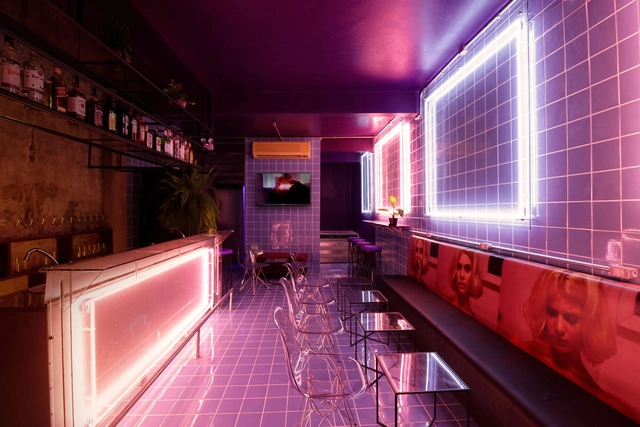
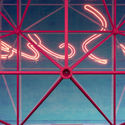
Neon lights are a bold, cosmopolitan statement that can easily revitalize or accentuate an architectural space or structure. With eye-catching brilliance, a plethora of color options, and ties to a retro aesthetic, these lighting pieces can make a space feel simultaneously modern and nostalgic. Yet few understand the scientific workings or material properties of neon, and many architects neglect its use due to its narrow association with commercial signage. Below, we explore how neon works, its architectural history, and how architects can continue to use it today.
.jpg?1590710505&format=webp&width=640&height=580)
The launch of the 2020 educational offer of YACademy –YAC’s program to open its network of the most prestigious studios in the world for the most deserving young designers– is the right moment also to narrate some of the experiences the students had before starting their collaborations with the main characters of the contemporary architectural world.

On one hand, the exorbitant speed represented by rapid, minute-by-minute propagation, the crossing of borders, the spread across all continents, and unrestrained multiplication. On the other, the untouched, the immobile, the domestic cloister, isolation, and confinement in an attempt to avoid any sudden movement, suppress impulse, and control the environment. On one side, the virus; on the other, humanity.
In this pandemic scenario, where a deadly virus is nurtured by the uninterrupted speed of our movements—making us, ourselves, its driving force—immobility is seen as a key part of the antidote. This is an immobility that costs us dearly, confining us to our homes and forcing us to rethink how we experience the world.
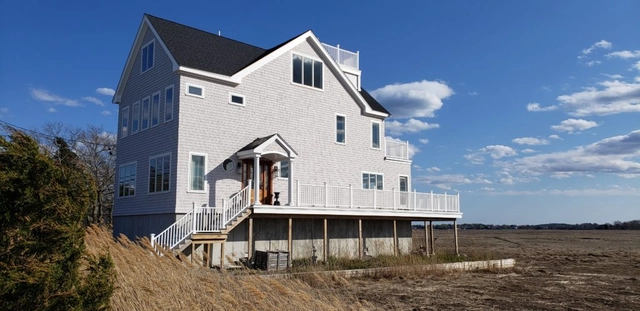
Like most of you, I have spent the last two months quarantined. I’m a bit embarrassed to say it, but just as nobility fled the cities during the plagues of the Middle Ages, we’ve been lucky enough to escape densely populated Boston, a hotpot for the pandemic, and spend our days along the shore in Marshfield, a small town about 45 minutes south, where we have a weekend house. I must constantly remind myself that it could be far worse.


The Midnight Charette is an explicit podcast about design, architecture, and the everyday. Hosted by architectural designers David Lee and Marina Bourderonnet, it features a variety of creative professionals in unscripted conversations that allow for thoughtful takes and personal discussions. A wide array of subjects are covered with honesty and humor: some episodes provide useful tips for designers, while others are project reviews, interviews, or explorations of everyday life and design. The Midnight Charette is also available on iTunes, Spotify, and YouTube.

This week hosts David and Marina are joined by Marc Neveu—Chair of Architecture, The Design School, Arizona State University and Executive Editor of the Journal of Architectural Education; Renée Cheng—Dean of the College of Built Environments, University of Washington; and Kiel Moe—Gerald Sheff Chair in Architecture, School of Architecture, McGill University to discuss how COVID-19 has impacted teachers and students, the future of education (changing studio, reviews, and lectures), and more. Enjoy!



_John_Donat_RIBA_Library_Photographs_Collection.jpg?1591219236)










.jpg?1591019033 "Camper NYC Store / CAMPER + Jonathan Olivares. Image Courtesy of Alexander Haas")