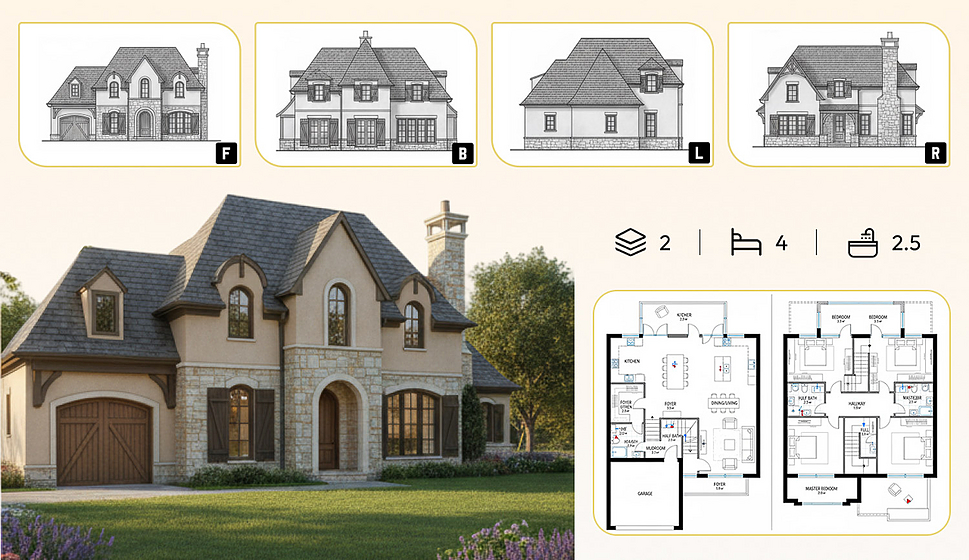
This guide covers a workflow that moves from project parameters to generated floor plans, 3D perspective views, exterior design exploration, and site context visualization, using AI tools in place of preliminary CAD and rendering work.
This guide covers a workflow that moves from project parameters to generated floor plans, 3D perspective views, exterior design exploration, and site context visualization, using AI tools in place of preliminary CAD and rendering work.
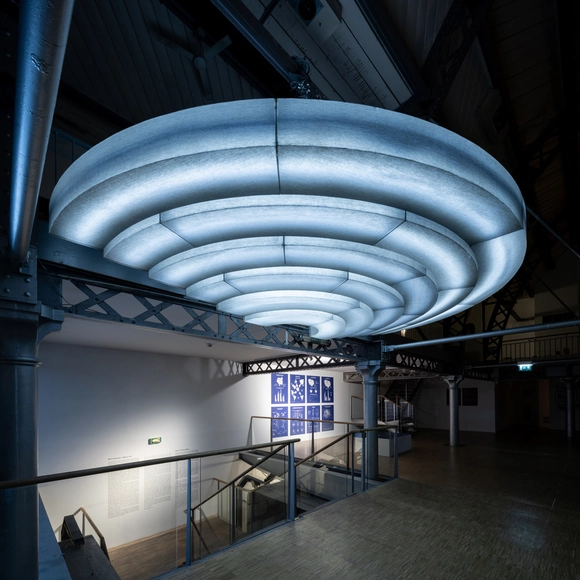
New Generations is a European platform that analyses the most innovative emerging practices at the European level, providing a new space for the exchange of knowledge and confrontation, theory, and production. Since 2013, New Generations has involved more than 300 practices in a diverse program of cultural activities, such as festivals, exhibitions, open calls, video-interviews, workshops, and experimental formats.
New Generations has launched a fresh new media platform, offering a unique space where emerging architects can meet, exchange ideas, get inspired, and collaborate. Recent projects, job opportunities, insights, news, and profiles will be published every day. The section ‘profiles’ provides a space to those who would like to join the network of emerging practices, and present themselves to the wide community of studios involved in the cultural agenda developed by New Generations.
Archdaily and New Generations join forces! Every two weeks Archdaily publishes a selection of studio profiles chosen from the platform of New Generations.


Nearly four months after the World Health Organization (WHO) declared a public health emergency of international concern on January 30, the number of coronavirus cases in the world continues to grow. Although some countries, where the virus transmission rate has declined, are reopening businesses and returning to normal, the impacts of the pandemic are continuing to influence people's daily lives, affecting not only the population's health but also their jobs, habits and the economy. Such changes may still endure and may have an impact on the future of architecture and construction, given the prospect of a crisis in the sector.

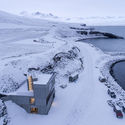
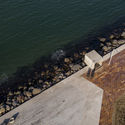
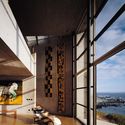
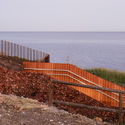
Since 1992, following the United Nations Conference on Environment and Development, World Oceans Day has been celebrated on June 8 as a tribute to the sea and everything it offers, from raw resources to its powerful presence as a landscape landmark. In architecture, projects that engage with this infinite expanse of water have the opportunity to dialogue directly with one of nature's most powerful and expressive elements.
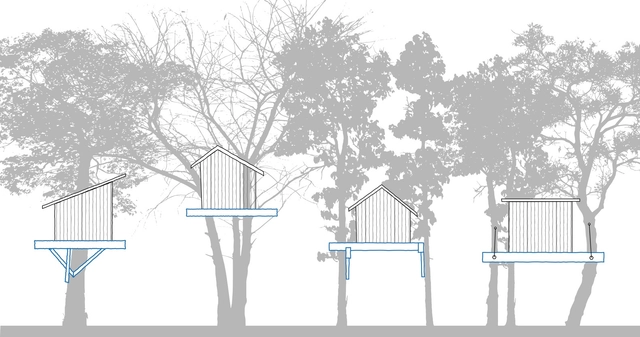
It is difficult to find someone who has never dreamed of building or having a tree house to call their own. The idea of a refuge, a space fully integrated with nature and with a privileged view, pleases almost all ages. There are examples of tree houses of all scales and complexities, from small elevated platforms to highly complex structures, including electrical and hydraulic installations. Some sites specializing in the topic (yes, that exists!), offer valuable tips for building these dreams. In general, they subscribe to the motto: "Choose your tree, make your project, but be ready to adapt it!"
“Architecture for Landscape” was created on these premises: it aims to train designers to meet the diverse needs of transforming territories. The course encourages an attentive and productive dialogue with the surrounding landscape to respond to the needs of clients' unique contexts. Via a thorough analysis of the natural world, light and geomorphological terrain features, the designers will become increasingly able to reconnect human design to the natural environment. In becoming inspired by the landscape, they can design outstanding, sustainable and impressive architecture.
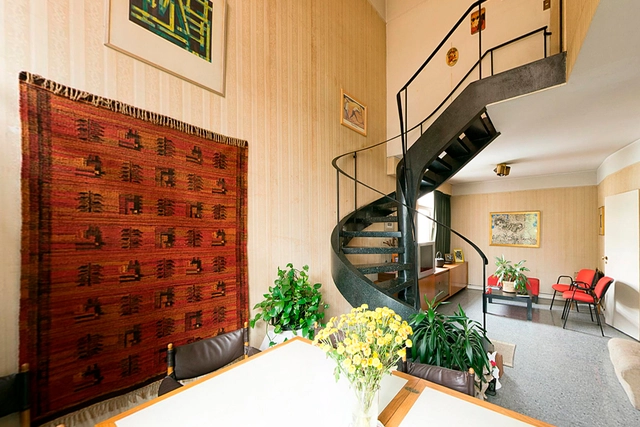
Lately, virtual technology has become a crucial resource to support users and students worldwide. Courses, training programs, and books have successfully transitioned to digital formats to ensure the continuity of educational, training, and leisure activities. Understanding this shift, the Arquitectura Moderna 360 project has created a free-access web database that functions as a digital catalog or log, compiling various three-dimensional models, 360° panoramic photos, and VR of representative works of the Modern Movement in Argentina. This allows users from anywhere in the world to immerse themselves in the interior spaces of iconic buildings that have played a significant role in the country's architectural history.
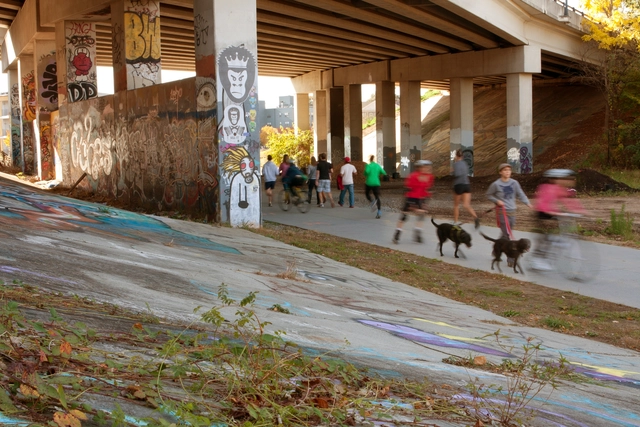
Today is World Bicycle Day, celebrated for the diverse social, economic, and environmental benefits that this mode of transport and recreation offers. By establishing this day, the UN recognizes the contribution of cycling to the Sustainable Development Goals, including the creation of more sustainable cities and communities. This perspective gains even greater relevance during and after the pandemic. When exploring healthy ways to move around the city, active mobility stands out as a highly feasible, short-term alternative—one that goes beyond bike lanes to encompass the well-being of the citizen as a whole.
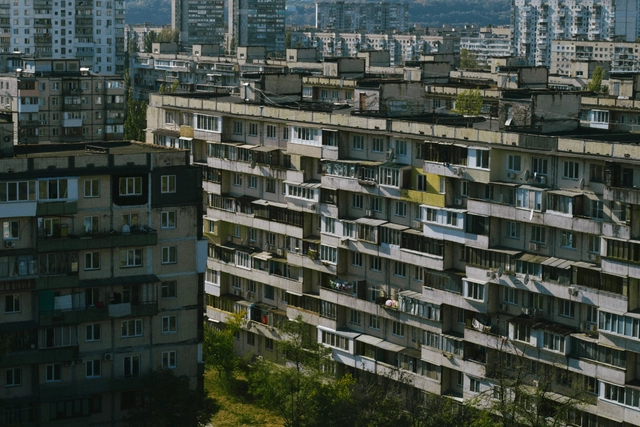
Taking advantage of a lack of governmental regulations, many Ukrainians turn to their balconies to compensate for the shortage of space in prefab-Soviet housing, rebuilding them in a variety of shapes and sizes. The short documentary Enter Through The Balcony explores this phenomenon in Ukrainian architecture, revealing a compelling image of post-Soviet history through local everyday life and culture.
In addition to showcasing a unique attitude towards private versus public space, the makeshift balconies phenomenon is also a symptom of the dramatic pendulum swing from mass uniformity and anonymity, to freedom of expression and ownership of private space, which shaped attitudes and architectures across the former Eastern bloc after 1991.

The medieval city of Dubrovnik, in Croatia, boasts many distinctions. Surrounded by ancient walls and a sea of azure waters that enchant visitors, during the Middle Ages it was the only city-state with enough prominence to rival Venice.
Another lesser-known aspect is that the Pearl of the Adriatic, as this Croatian city is known, was the first known European municipality to implement a smart quarantine and to build isolation spaces to combat the major diseases that plagued humanity. This is what archaeologist Ante Milošević and physician Ana Bakija-Konsuo assert in their book "Lazaretto in Dubrovnik: Beginning of Quarantine Regulation in Europe."
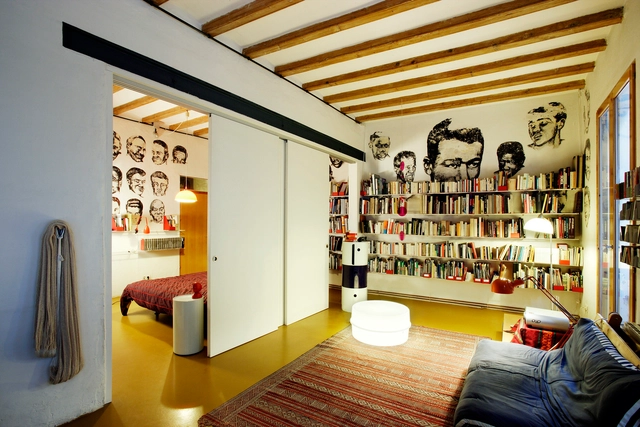
This article by Jaime Coll López was originally published in the 10th issue of revista rita_ under the title "Determination vs Indeterminacy in Domestic Space." It is a critique of flexibility in housing, one of the primary paradigms of 20th-century domestic architecture.

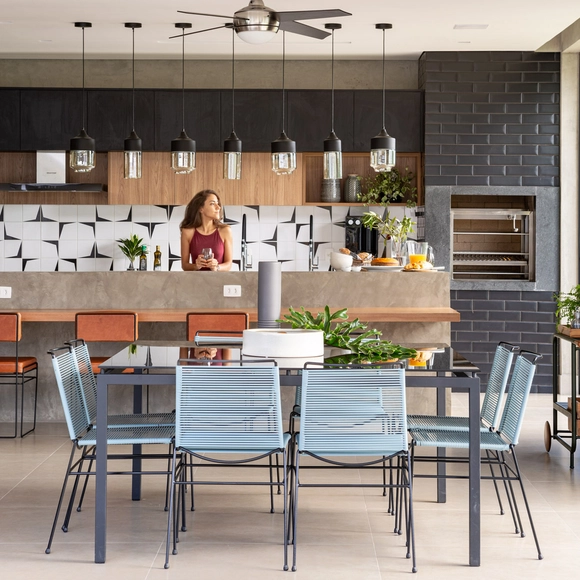
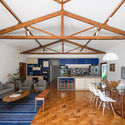
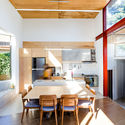
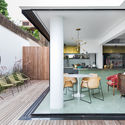
With the goal of blurring the boundaries traditionally imposed by walls, so-called integrated kitchens can be incorporated into adjacent spaces—most commonly living and dining rooms—using counters, tables, split levels, or even contrasting flooring and finishes.

There is a slide I like to show at the beginning of the architecture courses I teach that provides an overview of the last hundred years or so in design and technology. In the left column, a car from the beginning of the 20th Century (a Ford Model T) is poised over a contemporary car (a Tesla). The middle column contains a similar juxtaposition, showing a WWI-era biplane and a modern-day stealth fighter (an F-117A). In the right column, Walter Gropius’s 1926 Bauhaus Dessau building is seen next to an up-to-date urban mixed-use building. The punch line, of course, is that the two buildings—separated by roughly 100 years—look basically the same, whereas the cars and planes separated by the same timespan seem worlds apart. What is the reason for this?

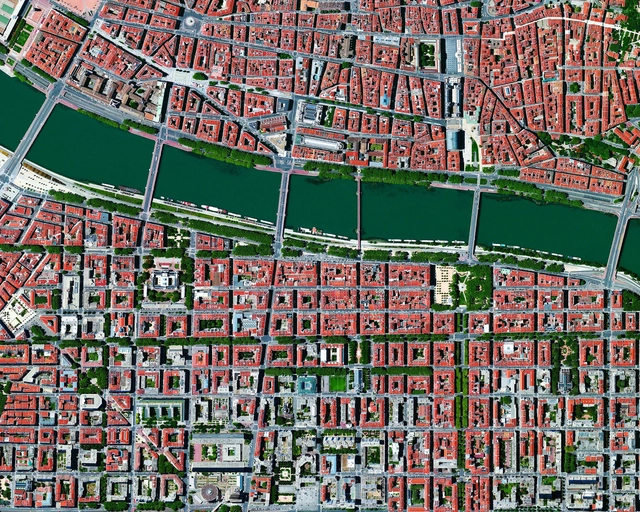
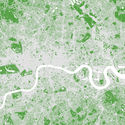
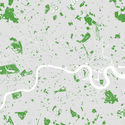
There are a plethora of benefits associated with urban green spaces, namely pollution control, temperature regulation, and biodiversity--all of which ultimately add to the quality of life of city dwellers. Like other urban common areas used for sports and recreational activities, green spaces have a direct impact on the health and well being of the residents who use them.


Power Station of Art (PSA) has announced the curatorial team and theme for the 13th Shanghai Biennale, proposed by its Chief Curator, the architect and writer Andrés Jaque (Office for Political Innovation).
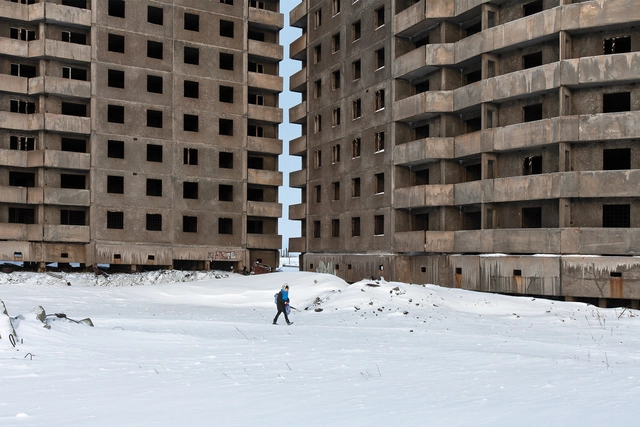
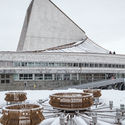
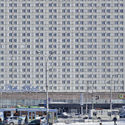
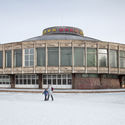
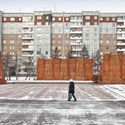
Over the past few years, a series of exhibitions and monographs have prompted a rediscovery of socialist modernism, its powerful expression and exoticism stirring significant interest. The recently published photo book Concrete Siberia. Soviet Landscapes of the Far North by Zupagrafika casts a new light on this relatively unexplored chapter of architecture history by showcasing the Soviet architecture of Siberia's major cities while providing an insight into a little-known landscape. The book presents the architecture and urban environment of six Siberian cities: Novosibirsk, Omsk, Krasnoyarsk, Norilsk, Irkutsk and Yakutsk, through the lens of Russian photographer Alexander Veryovkin, bringing about a new-found perspective on post-war architecture.
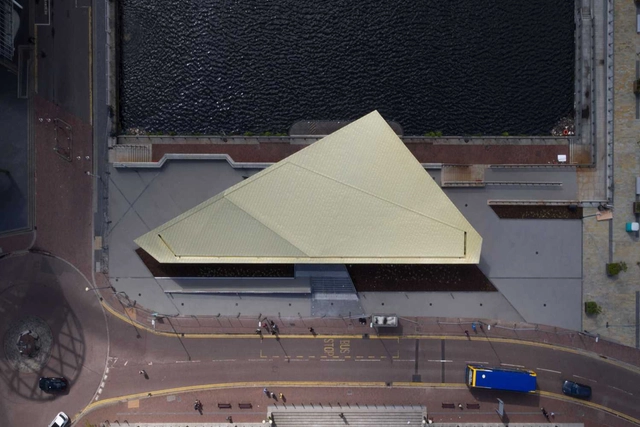
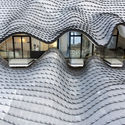
A lightweight material par excellence, zinc is a non-ferrous metal that provides an effective solution for coating buildings exposed to adverse weather conditions, while simultaneously delivering a creative response to the requirements of a project.
When in contact with humidity during the summer, zinc panels generate a self-protecting layer that isolates heat from indoor spaces. Rain and snow slide easily over its surfaces, and its modular panels can wrap curved shapes or be perforated according to the architectural design, and combined in facades and/or ceilings through different shades, brightness, and colors.
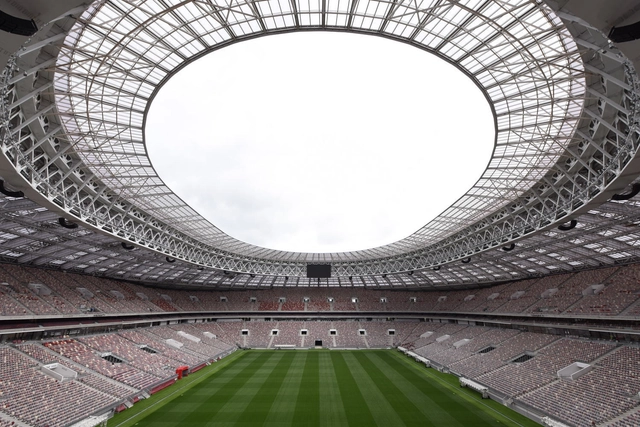
Throughout history, people from all walks of life with little in common have found ways to unite in neighborhood parks and filled stadiums to put those differences aside for the sake of the sports they love. Sports, and sports fandom, is a source of global unity, and perhaps fewer events in the world can generate such a wide range of emotions quite like a live match.

"How will we live together?" The question, the theme of the 17th Venice Biennale, has been providentially timely. Indeed, it has acquired a sense of urgency with the outbreak of COVID-19 and the crisis it has unleashed, prompting us to examine the sustainability of our current civilizational model and the need to renew both thought and action regarding the environment. In response to an article published on ArchDaily titled How Will We Live Together with All Other Species?, this article aims to contribute further perspective to the debate.
_John_Donat_RIBA_Library_Photographs_Collection.jpg?1591219236&format=webp&width=640&height=580)
Today, building humanized cities is predicated on full public participation, as outlined by national public policies institutionalized in Brazil's City Statute. However, it is clear that these mechanisms are largely geared toward adults, leaving children and youth on the margins of the participation and decision-making process.
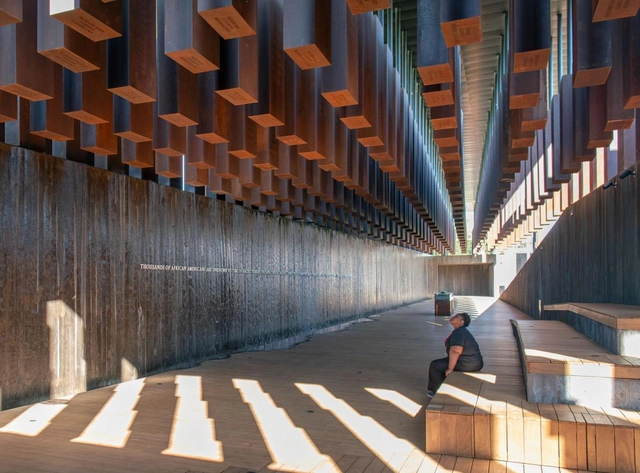
Architecture shapes how we live and come together. Amidst a pandemic and protests around the world, architects and designers are speaking out to condemn injustice and build space for empathy and understanding. In listening, they are looking to how we live together, and in turn, how we can create a more equitable and just world.
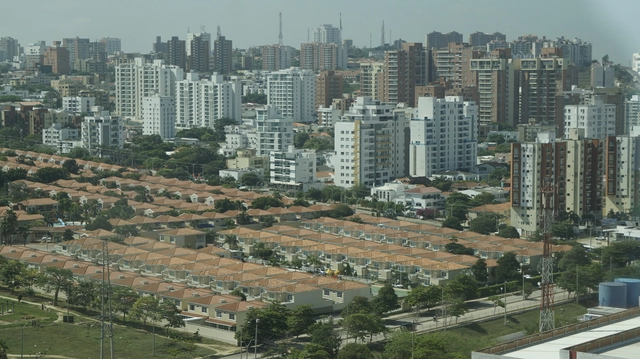
The crisis brought about by the pandemic and the resulting new global order compel us to review and adjust all Land-Use Plans—or their local equivalents—across Latin American cities.
.jpg?1591036359&format=webp&width=640&height=580)
While first developed as a practical power source during the 1950s, solar systems were too expensive for mainstream use until the 1970s. Starting from their early use to power Cold War era military satellites, silicon photovoltaic solar cells achieved their first commercial success in places where electricity was not available, such as lighthouses and off-shore oil rigs.
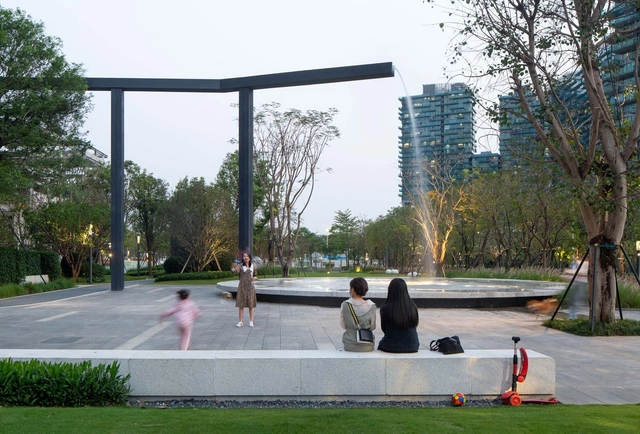
The total amount of water on our planet has, theoretically, stayed the same since earth's formation. It's possible that the glass of water you drank earlier contains particles that once ran down the Ganges River, passed through the digestive system of a dinosaur, or even cooled a nuclear reactor. Of course, before it quenched your thirst, this water evaporated and fell as rain millions of times. Water can be polluted or misused, but never created or destroyed. According to a UNESCO study, it is estimated that the Earth contains about 1386 million cubic kilometers of water. However, 97.5% of this amount is saline water and only 2.5% is fresh water. Of this fresh water, most (68.7%) takes the form of permanent ice and snow in Antarctica, the Arctic, and in mountainous regions. Another 29.9% exists as groundwater. Ultimately, only 0.26% of the total amount of fresh water on Earth is available in lakes, reservoirs, and watersheds, where it is easily accessible for the world's economic and vital needs. With the population steadily increasing, especially in urban areas, several countries have already had severe problems with providing the necessary amount of drinking water to their populations.
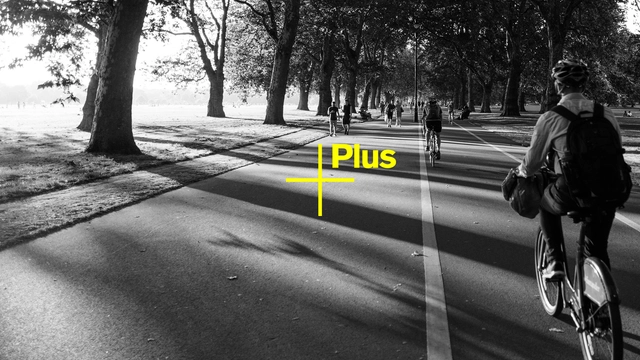
The Covid-19 pandemic has transformed the way we live our lives. Significant and long-lasting repercussions will be felt across society and industry, many of which are sure to influence the way we approach the design of our buildings and cities. Over the past few weeks, the Urban Design team at Foster + Partners has been exploring how recent and fast moving developments in urban planning – instigated and encouraged by the current crisis – will affect and shape the future of London and others worldwide.










_John_Donat_RIBA_Library_Photographs_Collection.jpg?1591219236)