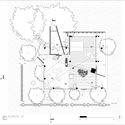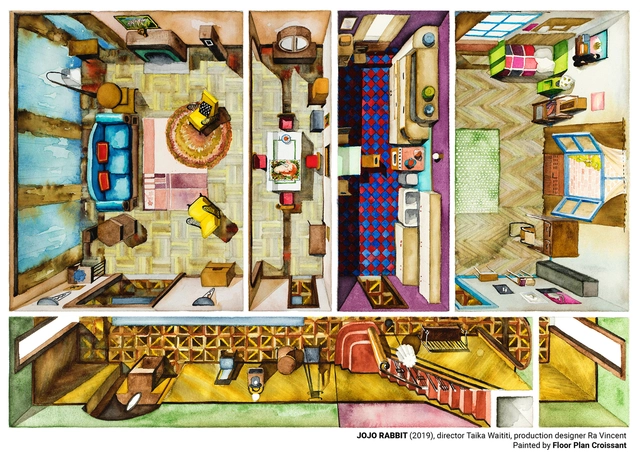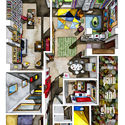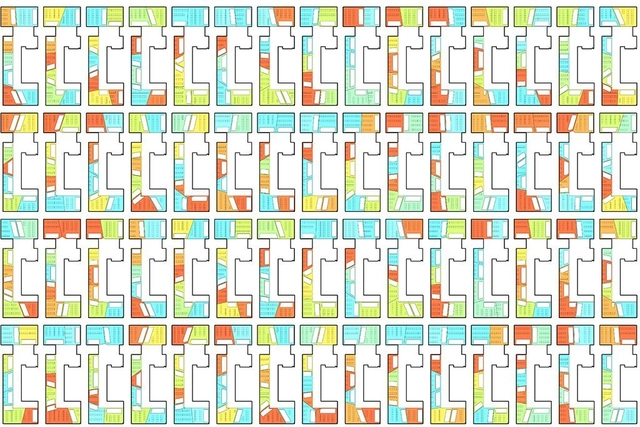
Continuous trial and error. Architects draw and redraw lines, shapes, objects, and images on napkins, tracing paper, or black CAD backgrounds. Discarding, restarting, and repeating the cycle. The path between the initial idea and the final project is long and arduous. The challenge lies at the core of design: an endless decision-making process where a single change impacts countless other elements, turning the exercise into a series of trade-offs and concessions. These choices range widely, from determining how much site coverage minimizes environmental impact, to maximizing desk capacity in an office while maintaining fluid circulation. Every decision requires extensive research or calculation to yield an optimal solution. For example, a window placement that looks elegant on the facade might leave no room for a bed inside, or inadvertently spike the building's energy consumption.
In any project, pressing deadlines and tight budgets mean clients are often in a rush, leaving little time to explore every possible combination or calculate the exact impact of each decision. It is at this juncture that the concept of generative design is increasingly coming to the fore in architecture.


.jpg?1588588896&format=webp&width=640&height=580)
.jpg?1561029678)
.jpg?1561029668 "© Y. Meiri")
_(1).jpg?1561029646 "Courtesy of CatalyticAction")

.jpg?1561029689 "© Shidhulai Swanirvar Sangstha")
.jpg?1561029678)





.jpg?1587757409 "© Carmelina&Aurelio")

.jpg?1587757443 "© Carmelina&Aurelio")



.jpg?1588084825&format=webp&width=640&height=580)