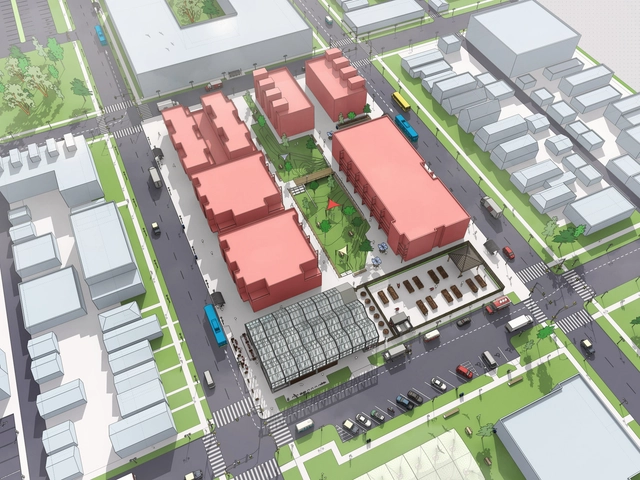
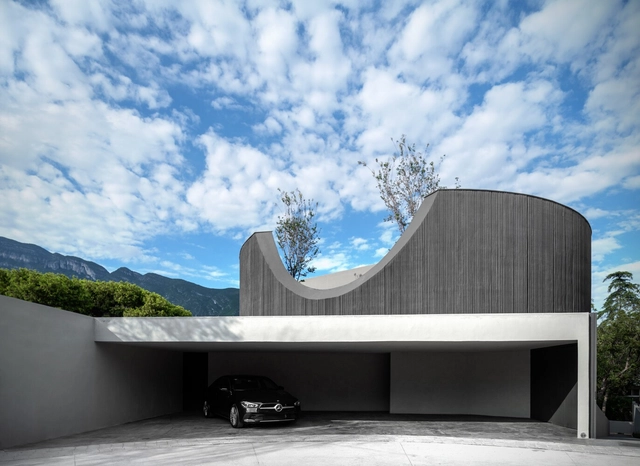
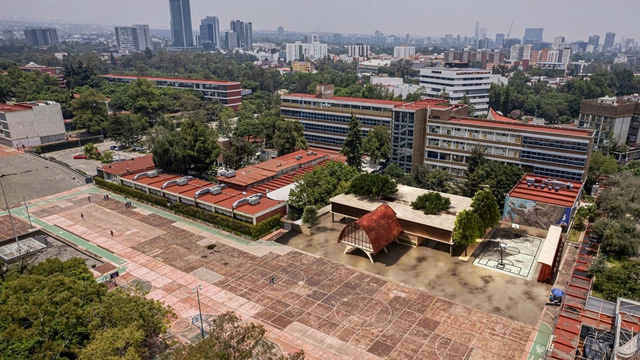
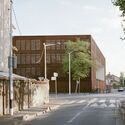
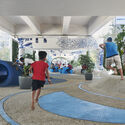
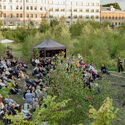
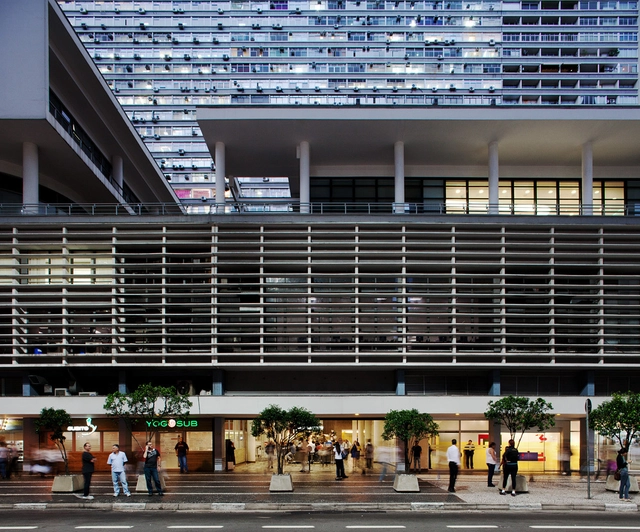
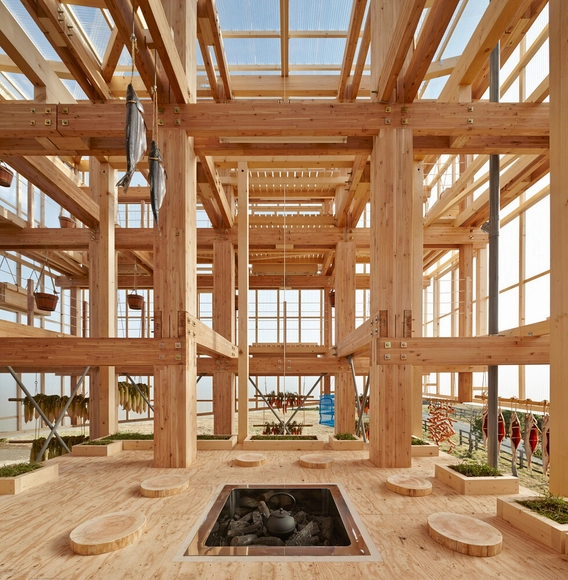
Site analysis is a crucial first step in creating a viable building design. Considering site location, topography, zoning regulations, traffic conditions, and climate allows a designer to maximize opportunities and anticipate potential issues. The following four factors are crucial in getting the most value out of site analysis.
Brazil has steadily advanced the implementation of public-private partnership initiatives. The Radar PPP platform currently monitors more than 3,400 PPP and concession projects across various sectors, compared to just 625 in 2015. While public-private partnerships typically bring to mind PPP and concession contracts for public services, they are not limited to these models. A prime example is the Business Improvement District, or simply BID.
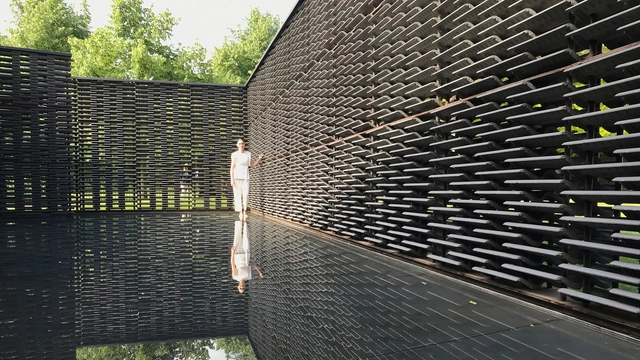
Each year, TIME publishes TIME100 Next, a list, inspired by its flagship TIME100, seeking to recognize 100 people from all industries around the world whose careers are on the rise. As a result, the 2022 TIME100 Next list features high-profile musicians and medical professionals, government officials, movement leaders and whistleblowers along with top CEOs, all selected by TIME journalists. However, in this year's list it is possible to recognize the only professional that represents the guild: the Mexican architect Frida Escobedo.
Don't be fooled. Size really does matter. Particularly when it comes to new urban housing developments, where the challenge of squaring housing density with quality of life and sustainability remains key.
Videos
Bad Bunny - "El Apagón" . Image via YouTube
As part of his recent releases over the past few months, the globally renowned reggaeton artist Bad Bunny debuted his new music video for the song "El Apagón," a track from his latest album "Un verano sin ti." Although the song was already streaming across various platforms, few anticipated that the video's release would serve as a powerful political stance on the current situation in Puerto Rico.
As part of a Tec de Monterrey initiative, this year the First Prize of the 213th Traditional Tec Draw is being held with a work by the Chilean architect who won the 2016 Pritzker Prize, Alejandro Aravena. Elemental House, is the second of the Houses of the 75th Anniversary of Sorteos Tec, which is celebrated this year.
Ever since Meta CEO Mark Zuckerberg renamed his company and announced a larger investment in the so-called “metaverse,” searches for the term have surged considerably. And while it is not a new concept, the technological topics surrounding the subject have exploded in recent years.
Cryptocurrencies, NFTs, and the overall creation of a virtual economy help illustrate how the metaverse is cementing its place in our daily lives. Yet, the opportunities extend far beyond financial shifts: the metaverse is also proving to be an important space for engineers and architects alike.
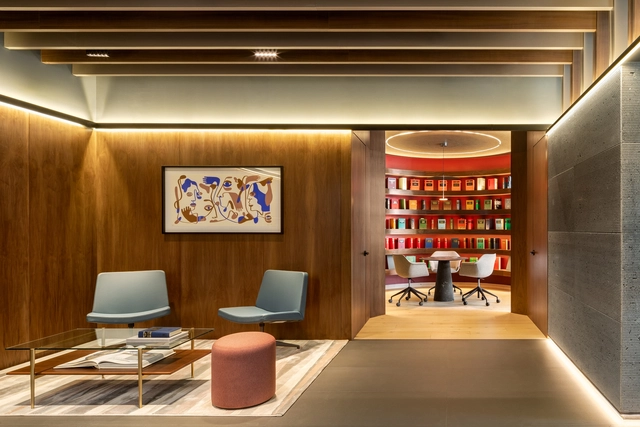
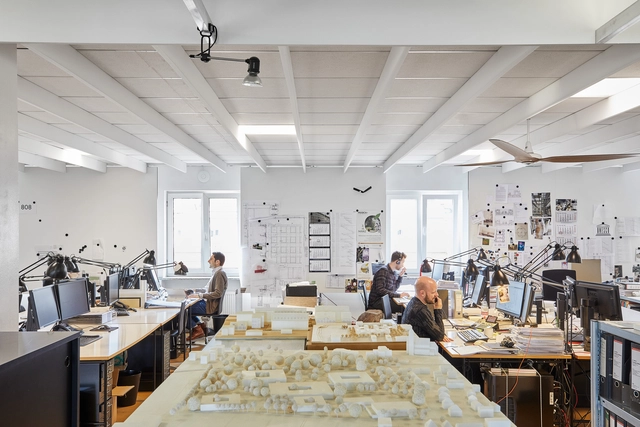
The Mexican firm Faci Leboreiro, led by Carlos Faci and Marina Leboreiro, has been recognized at the Grands Prix du Design in Quebec, Canada, for the interior design of their project Estudio Basalto, receiving the Gold Certification in the Office category. The fifteenth edition of the competition—which celebrates international excellence and exemplary practice among architects and designers—was held at the Théâtre Le Capitole before a jury of prominent professionals and academics.
For 37 years, since 1985, the Faculty of Architecture at the National Autonomous University of Mexico (UNAM) has organized and hosted the Alberto J. Pani Architectural Composition Award, aiming to bring together the top students from member institutions of the Association of Architecture Education Institutions of the Mexican Republic (ASINEA). The event is organized in collaboration with an ASINEA member institution, which this year is the Faculty of Architecture at the Universidad DeLaSalle Bajío in León, Guanajuato.
https://www.archdaily.com/1131936/finalists-of-the-38th-alberto-j-pani-architectural-composition-award-2022-of-the-faculty-of-architecture-unamArchDaily Team
According to the National Fire Academy of Chile, a fire is defined as “fire out of control.” Once a fire starts, temperatures can reach 1000° Celsius, generating flames and smoke that endanger both human lives and buildings.
According to a report by ONEMI, the main causes of structural fires – those occurring in homes, buildings, and commercial premises – include domestic accidents, electrical failures, and gas leaks.
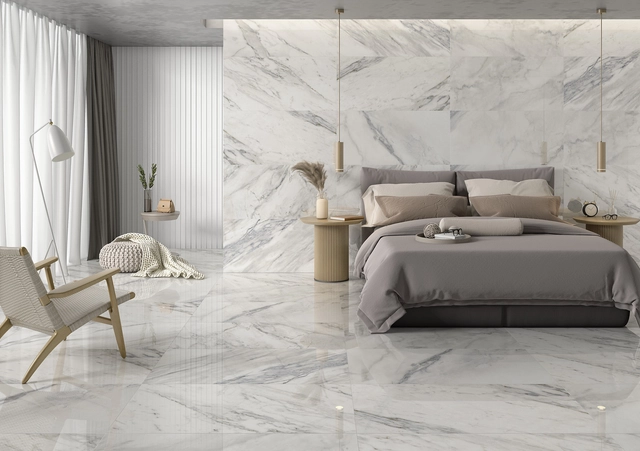
Interior architecture is undoubtedly much more than the composition of aesthetically appealing environments. From building materials and thermal conditions to finishes and furniture, every design decision directly affects user comfort. However, this relationship between design and well-being is most evident at the residential scale, particularly as more than two years of the pandemic forced many to spend more time at home. This has positioned the home at the center of spatial renovation, transforming it into an environment dedicated to tranquility and health. Consequently, well-being is not a mere passing trend. While brought to the forefront by the pandemic, today it is a design movement that is here to stay—one to which every material and product must respond.
Generation Z comprises people born after 1995. They grew along with the popularization of the internet and interact with the world by integrating all forms of available technology.
The diversity of available media, the speed in information traffic, the interactivity in the virtual environment and the daily use of these technological assets common today, influence the behavior of individuals of this generation, inspiring versatility, agility and curiosity.
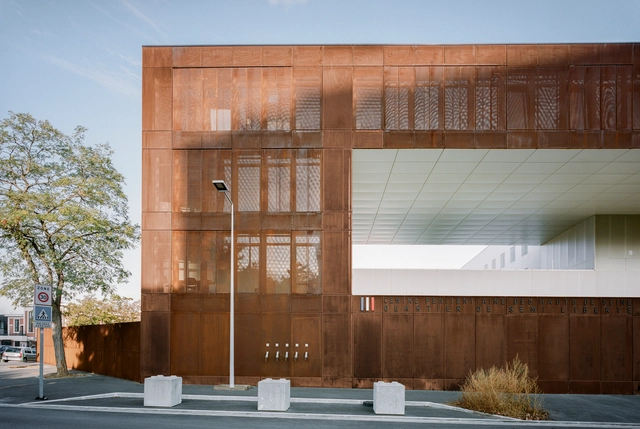
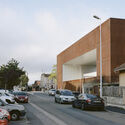
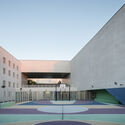
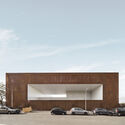
Commissioned from LAN (Local Architectural Network) by the French government, the Nanterre minimum-security prison project engages with the concepts of the penal system by critically reviewing the design of these buildings. The complex is guided by an attempt to better integrate it into the urban fabric, reinforcing the importance of the relationship between the city and prison structures as spaces for social integration. Consequently, understanding the proposal for the Nanterre Minimum-Security Area involves political, institutional, and historical factors that retrieve and reframe historical and contemporary debates surrounding the penitentiary system in general, and the French system in particular. While a prison is naturally understood by its confinement, LAN's design prioritizes an educational and humanitarian character to transform both the inmates and the public's perception of them.
https://www.archdaily.com/1132545/confinement-and-transparency-how-the-nanterre-minimum-security-area-contributes-to-redefining-the-classic-concept-of-the-prisonAlexandre Kok, Caio França, Gabriela Rudge, Lara Girardi, Lia Soares, Maria Clara Calixto, Marina Liesegang, Marina Saboya, Pedro Trama, Tamara Silberfeld e Valentina Kacelnik
Noise, high-rises, cars, buses, subways, and a relentless flow of people coming and going. This is how large cities are portrayed in cinema. This imagery is compounded by distant personal relationships and the promise of anonymity within the crowd, shaping a vibrant, connected routine that can also feel oppressive and isolating. Today, we find ourselves in a constant search for balance between the benefits of the megacity and the challenges imposed by its scale.
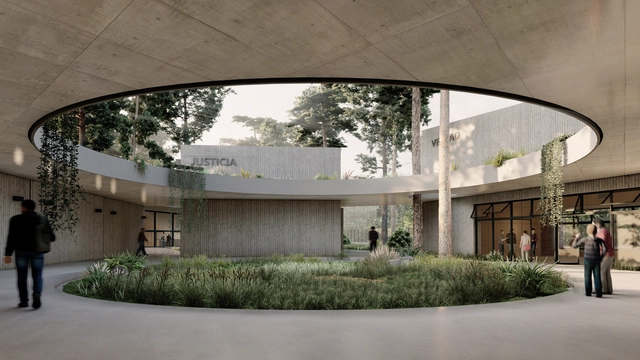
With the aim of bringing visibility to the state terror committed during the Argentine civic-military dictatorship that began in 1976, the Secretariat of Human Rights of the National Ministry of Justice and Human Rights commissioned the Institute of Architecture and Urbanism of the National University of San Martín (IA-UNSAM) to develop an architectural proposal for a new memory space on the grounds of Campo de Mayo, in the province of Buenos Aires.
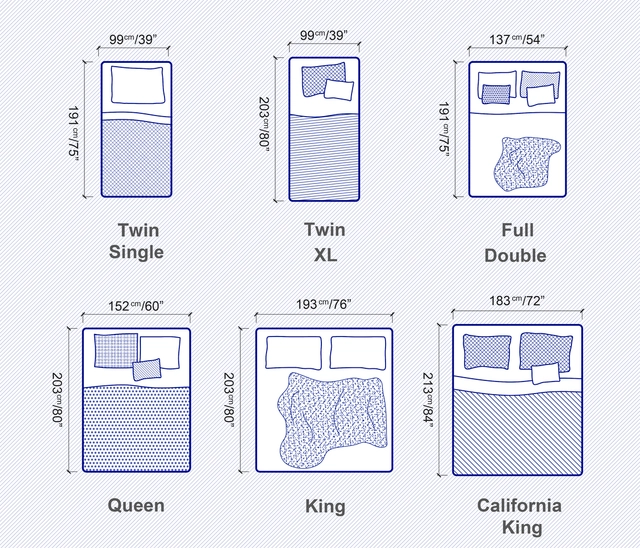
From an early age, we often hear phrases like “you must sleep a minimum of 8 hours a day.” It’s common knowledge that this brings invaluable health benefits, from reducing stress levels and keeping the immune system strong, to improving concentration, memory and decision-making skills. To guarantee a good night’s rest, having a comfortable bed that suits users’ needs is pivotal, especially considering that humans spend one-third of their entire life sleeping. Thus, when architects, designers and homeowners are faced with different bed options available in the market, the decision must be carefully thought-out and take a number of factors into account, whether related to aesthetics or functionality. But before any stylistic or material decision is made, it is crucial to start with the basics: defining the size of the mattress.
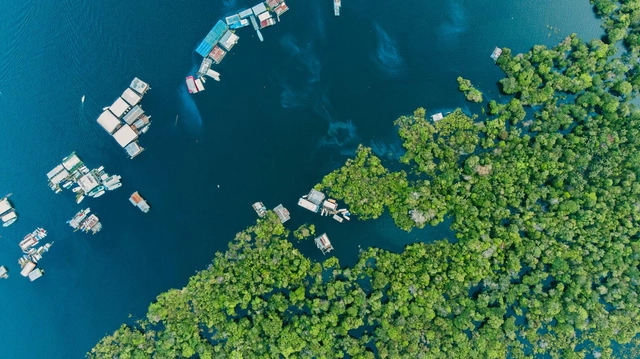
Amazon River, aerial view in Tefé. Photo by Rodrigo Kugnharski via Unsplash .
Amazon Day was celebrated on the 5th of this month. Established in 2007, the date aims to raise awareness about the importance of this biome, which is essential to the planet's environmental and climate balance. Constantly under threat and shaping a contested territory, Earth's largest natural biome is a frequent site of human intervention. How have architecture and urbanism engaged with this context?
Los Manantiales by Felix Candela. Image Courtesy of Alexander Eisenschmid
Architecture is often an ambitious profession, with many architects hoping to positively contribute to the social life of the communities, create emotional responses, and add moments of delight and solace to our daily experiences. However, market forces have a way of applying constant pressure on this field, often being the deciding factor in many design choices. Costs and economic value are generally a good indicator of how, when, and to what extent certain materials are being used: the standard rule is the cheaper, the better. But materials are only part of the equation. Site labor, management, and design costs are also considered, depicting a complex picture of the balance between the cost of materials and the cost of labor and its effect on the architectural product.
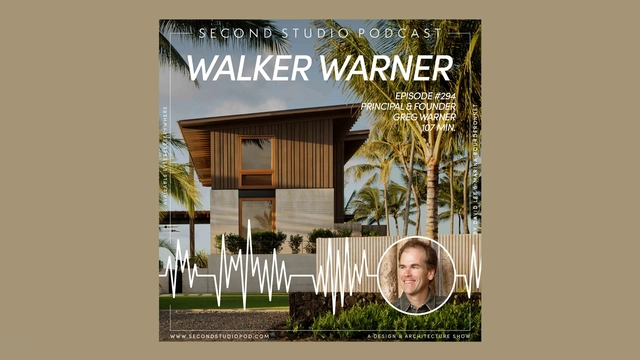
The Second Studio (formerly The Midnight Charette) is an explicit podcast about design, architecture, and the everyday. Hosted by Architects David Lee and Marina Bourderonnet, it features different creative professionals in unscripted conversations that allow for thoughtful takes and personal discussions.
A variety of subjects are covered with honesty and humor: some episodes are interviews, while others are tips for fellow designers, reviews of buildings and other projects, or casual explorations of everyday life and design. The Second Studio is also available on iTunes, Spotify, and YouTube.
This week David and Marina are joined by Architect Greg Warner, Principal and Founder of Walker Warner Architects to discuss growing up in Hawaii and its influence on his professional career; co-founding his office and its growth; working in Hawaii; the responsibilities of a principal and the importance of leadership; his philosophy and approach to projects; and more.
What is it like to walk past the buildings and houses on the street where you live? Or the street where you work, study, shop, or take your children to school? What relationship do these buildings and houses have with the sidewalk? How do they treat pedestrians? Do they make you want to walk past them? Do they welcome or repel?
The footprint of urban construction is expanding rapidly. Globally, building floor area could double by 2060. Constructing and maintaining urban infrastructure requires significant amounts of energy and material resources. Consequently, how cities build—and with what materials—directly impacts whether sustainability goals are achievable or even realistic. Cities must ensure they are using low-impact, renewable materials. This challenge presents a clear opportunity for wood.
https://www.archdaily.com/1131835/how-cities-can-source-sustainable-woodWhitney Light, Scott Francisco e Sadof Alexander
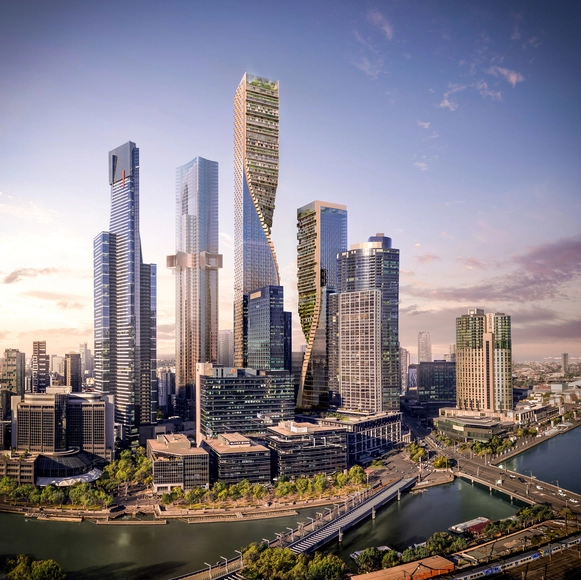
Many urban planners predict that by 2050, more than 6 billion people will live in cities, and in places where building outwards isn't an option, the only way to keep up with the growing density is to build up. Building taller always comes with numerous challenges and also a not-so-subtle competition for architecture firms to have their name tied to the biggest buildings. Almost as fast as a building is named one of the tallest in the world, another one makes its way to the drawing board, a few years later taking the title. While the sky’s the limit, how does this impact the constructability of projects, and what feats of construction methods and materials have enabled us to build into the clouds?
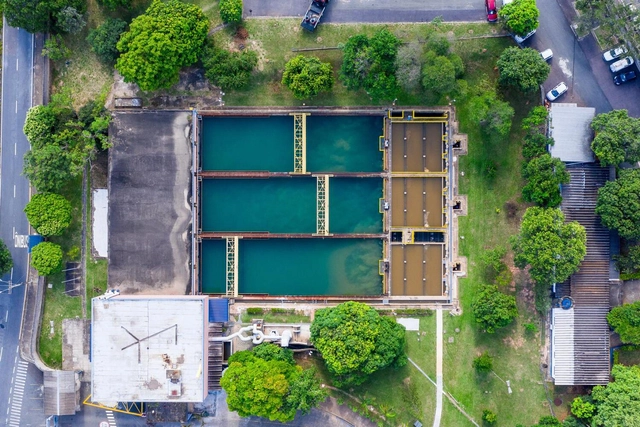
Sanasa Water Treatment Plant in Campinas, São Paulo. Photo: Renan Pissolatti/WRI Brasil
The Metropolitan Region of Campinas is one of Brazil's largest urban centers. With more than three million inhabitants and an annual GDP exceeding R$ 150 billion, it is one of the country's most dynamic economic regions.