Founded in Paris, France, Tektonn Architecture established its permanent office in Chengdu, China, in early 2018. Architecture connects places and people through the act of building; it is about life, environment, memory, and heritage. We strive to respond through sincere design, build with ingenuity, and observe from an objective perspective. Creating from the environment is the very origin of the name Tektonn.
We excel at observing and listening, where every design begins with a rational and meticulous reading of the site. Driven to explore, we continuously push established boundaries to discover creative ideas and realization possibilities. Methodical by nature, we uncover latent connections and site logic amidst complex realities, evaluating how scale impacts the environment. Committed to the pursuit of detail, we study spatial experience through openness and closure, yin and yang, and proportion, analyzing shifts in human behavior. We are architects in action, dedicated to researching materials and finding the most appropriate local construction methods to build comfortable spaces where stories can unfold.
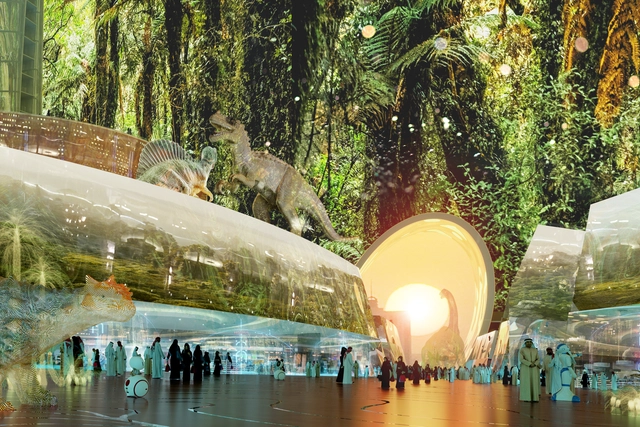
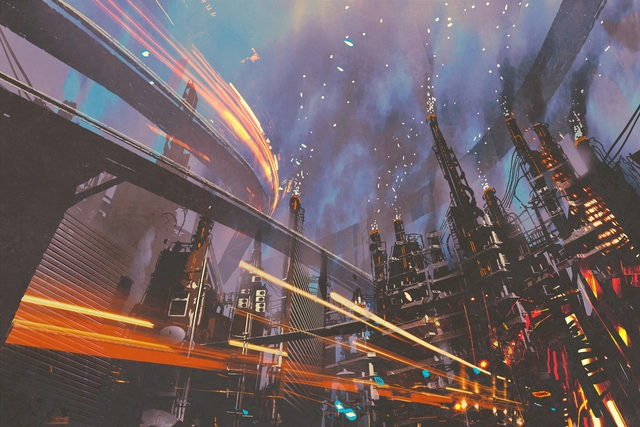
This article is the fifth in a series focusing on the Architecture of the Metaverse. ArchDaily has collaborated with John Marx, AIA, the founding design principal and Chief Artistic Officer of Form4 Architecture, to bring you monthly articles that seek to define the Metaverse, convey the potential of this new realm as well as understand its constraints.
Science fiction writers inspire us with bold and provocative visions of the future. Huxley, Orwell, Assimov, and Bradbury easily come to mind. They have imagined great advances in technology and oftentimes predicted shifts in social structure that were a result of the human need to open Pandora's Box. A large part of the charm and allure of science fiction is the bold audacity of some of these predictions. They seem to defy the laws of nature and science, and then, faster than you might have thought, the spectrum of human inventiveness makes it so.
Cantercel, France, 2022. Image Courtesy of forty five degrees
When talking about space-making practices, architects and urban planners are usually thinking about participatory planning and collaborative processes, often overlooking the ways in which the communities themselves can become their own agents of change. As the people poses an intimate knowledge of not only their environment, but also of social and cultural norms, the needs of their communities and latent opportunities within their surroundings, they are often the ones initiating actions, supporting their peers and contributing positively to their locality. Research-focused office forty five degrees set out to explore these grass-roots initiatives, to meet the locals and gather their stories in an effort to gain a better understanding of the complex and diverse cultural territories across Europe. Their journey, organized under the “Radical Rituals” project, follows the 45°N parallel line that transverses Europe from East to West. The office has been selected as part of ArchDaily's 2023 New Practices, an annual survey aimed at showcasing those who adress the ever-growing challanges of our times and take architecture to new directions.
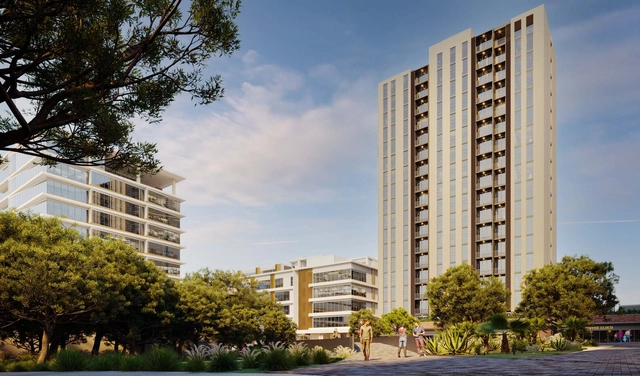
Given the reality of climate change and the role that architecture and construction play in this arena, finding new ways to build sustainably is imperative. That is why accelerating the transition toward a zero-emissions future will only be possible through net-zero construction. The Holcim team has developed a range of solutions to achieve this goal, such as the one implemented in the Torre Moranta project in Mexico.
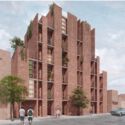
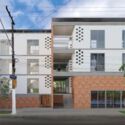
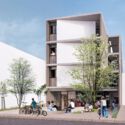
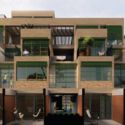
Housing has always been a significant issue in metropolises. It accommodates the city's population and can impact other urban concerns, such as the necessary commute between home and work or school.
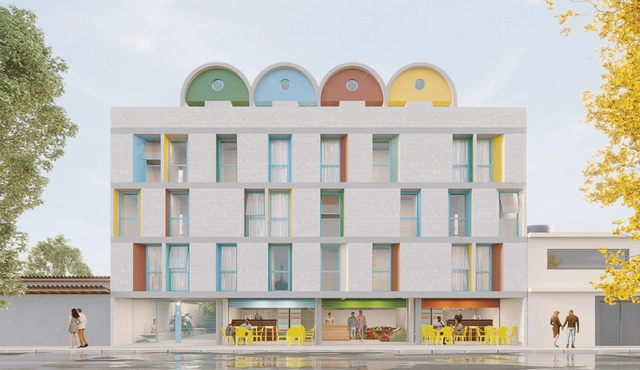
Broadly, urban densification enjoys widespread acceptance in urban planning. In today's context, the correlation between densification and housing is addressed by designing high-rise buildings with smaller floor areas. This approach yields apartments with minimal functionalities, known in Brazil as kitchenettes. As with any architectural type, these compact residences have advantages and disadvantages, serving either as a model of efficiency or as an illustration of housing instability.
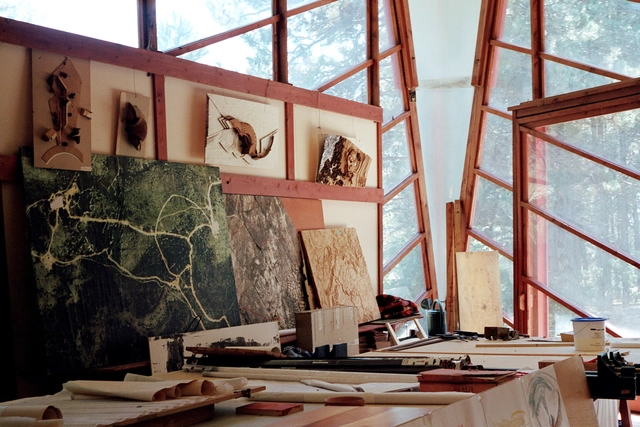
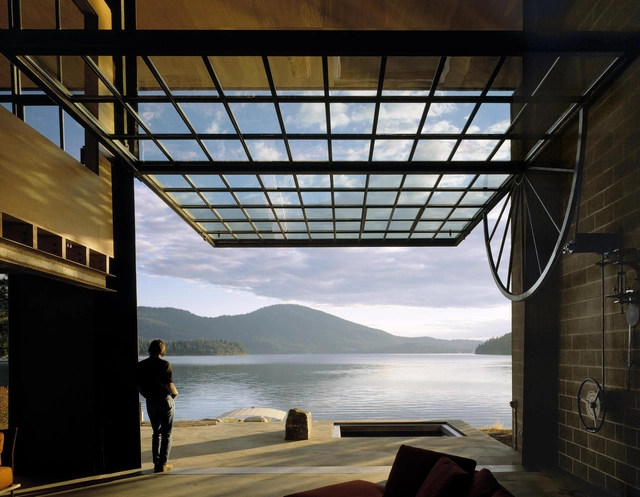
Seattle-based Olson Kundig is a prime example of how a firm's design approach is shaped by geography and culture. Founded by Jim Olson (Jim Olson) in 1966, the firm now comprises hundreds of employees and four other partners, including Tom Kundig. The practice boasts a wide and diverse portfolio. In lectures and interviews, Kundig frequently discusses how his upbringing in a region with a rich history of mining and logging influenced his industrial and rational aesthetic, his use of durable, low-maintenance materials, and his keen focus on craftsmanship. At the same time, an imaginative approach that emphasizes kinetic elements and blurs the boundaries between indoors and outdoors is a hallmark of many of the firm's designs. This is often achieved through the integration of manual, hand-operated devices that allow users to physically activate the building, connecting them to the environment, the architecture, and its kinetic mechanisms.
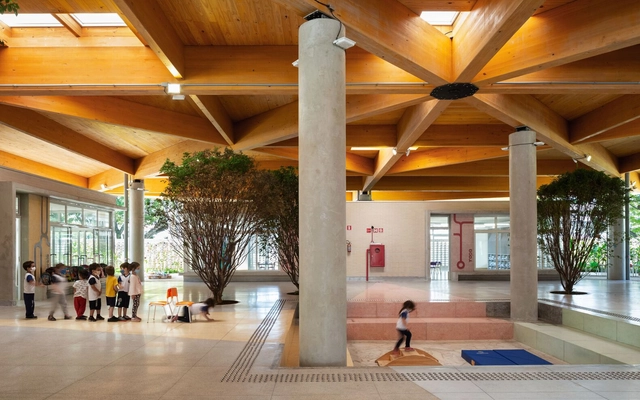
Today, Brazil celebrates Student Day. Established in 1927, the date marks access to a fundamental right for all citizens: education. Nearly a century later, new pedagogies and ways of looking at learning have emerged, bringing with them new architectures that embrace both pedagogical and technical advancements. With this in mind, we have gathered seven examples of Brazilian educational spaces designed after 2020. Through solutions that highlight key design aspects, these projects help outline a brief overview of contemporary references on the subject.
The recent release of the first results from the 2022 Census is fantastic news for anyone who believes in using data to guide business and public policy. The debate surrounding them has already begun, and the real impact will be long-term. From housing policy to legislative representation, much can change because of this survey. Still, caution and chicken soup never hurt anyone, as the saying goes—even if I do not particularly care for the soup.
The Second Studio (formerly The Midnight Charette) is an explicit podcast about design, architecture, and the everyday. Hosted by Architects David Lee and Marina Bourderonnet, it features different creative professionals in unscripted conversations that allow for thoughtful takes and personal discussions.
A variety of subjects are covered with honesty and humor: some episodes are interviews, while others are tips for fellow designers, reviews of buildings and other projects, or casual explorations of everyday life and design. The Second Studio is also available on iTunes, Spotify, and YouTube.
This week David and Marina of FAME Architecture & Design discuss the unique challenges of residential remodels and how they solve them. The two cover project scope and vision, design analysis, three different types of remodel projects and how they should be approached, predicting and planning for construction surprises, having an adaptable mindset, the most common challenge clients face (scope creep), and more.
https://www.archdaily.com/1005381/the-second-studio-podcast-overcoming-the-challenges-of-remodelsThe Second Studio Podcast
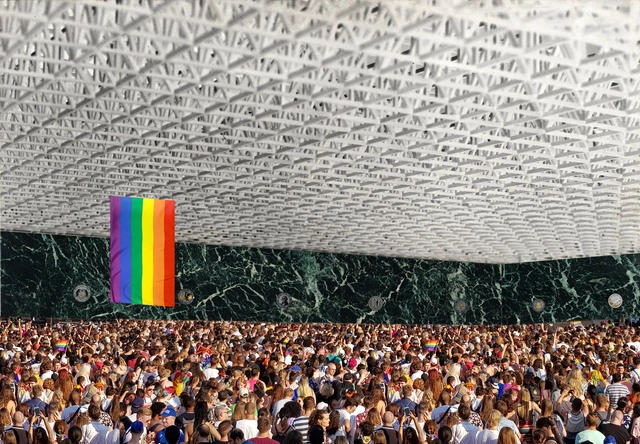
It is no secret that gender issues permeate our entire social and systemic organization, directly reflecting the duality of "feminine and masculine roles" and their mechanisms of gender oppression. Architecture and urbanism are no exception. Over the centuries, cities and their buildings have been maintained and transformed to prioritize the demands of a very specific user profile. This structure obviously overlooks other identities and forms of appropriation—namely, actual demand in all its diversity of social class, gender, race, age, and sexual orientation. These plans and designs are disguised under a "neutral" conception, yet they actually reproduce the perspective of a middle-class white man.
Image courtesy of Apparatus Architects and Alvaro Arancibia
The +Lapena Habitar project, a partnership between the Tide Setubal Foundation and BlendLab, seeks to contribute to the urban transformation of peripheral neighborhoods through a new production model for social housing (HIS). Building on a process started in 2020, the institutions have been developing a pilot housing supply and management project in São Paulo's East Zone that incorporates aspects of urban development, architecture, strategies for accessing quality housing, pre- and post-occupancy processes, social participation, a rental model, collective management, business model, and financing.
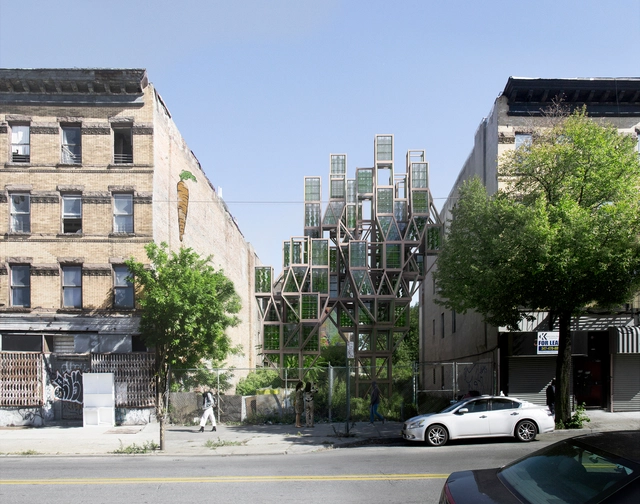
Framlab creates modular vertical urban farms on the streets of Brooklyn. Image courtesy of Framlab
We are living in a state of emergency. Since the dawn of industrialization, we have rushed through our planet's finite resources as if they were limitless, depleting and destabilizing the very ecosystems we depend on for our sustenance, economy, food, health, and quality of life.
In just 50 years, we have lost more than half of the world's wildlife. Currently, the Earth is on track to warm beyond 1.5 degrees Celsius, which scientists warn is a hard planetary boundary for existing ecosystems. This is a “code red for humanity,” as described in the IPCC Sixth Assessment Report. Continuing on our current path will mean irreversibly damaging the very conditions that sustain life on this planet.
The job market in architecture and urbanism is highly competitive. High demand for innovative, sustainable, and aesthetically pleasing projects drives intense competition. Moreover, technological shifts and rising client expectations demand constant adaptation. What are the obstacles, opportunities, methods, and "tools and tricks of the trade" required to enter the "jungle" of entrepreneurship? Drawing from the guests' experiences, this special episode offers an open and lively conversation on the subject.
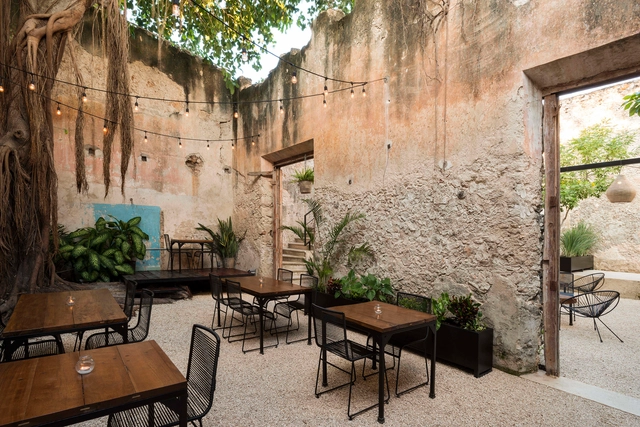
The spatial distribution of a restaurant or bar is essential to its success. Faced with this design challenge, several architects have experimented and proposed configurations that both enhance the use of space in different culinary experiences.
With this being said, take a look at 50 gastronomic establishments in plan and section to inspire your next design.
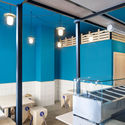
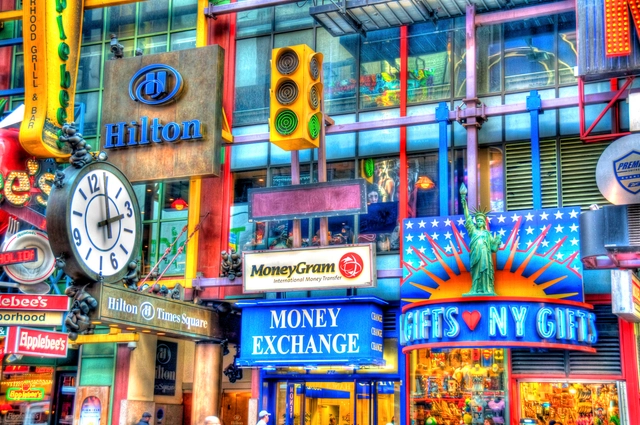
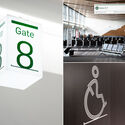
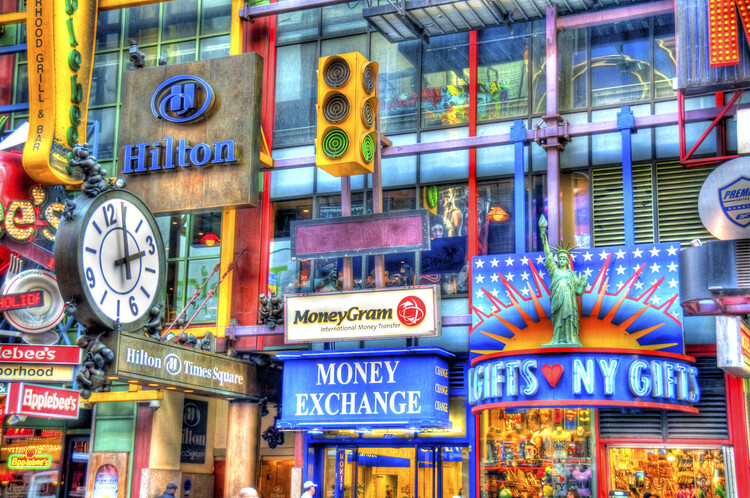
Our daily lives involve constant communication with the city. As we move through different spaces, we ask ourselves questions like "Where am I now?", "Where am I headed?", "What am I looking for?", "What is this building for?", and "How do I experience this space?" While spatial encounters may feel intuitive, environmental graphic design (EGD) provides the answers by serving as an important interface between us and the built environment. It involves the design of graphic elements that merge with architectural, landscape, urban, and interior designs to make spaces more informative, easier to navigate, and memorable. EDG comprises three major elements: text, shape, and color. Text and shapes typically encapsulate the graphic information, but color projects it, amplifies it, and helps communicate it within the packed scenes of the city. In spatial experiences, we perceive colors first, since our senses mostly register visual sensations. Therefore, the strategic use of color is critical for environmental graphics to provide a layered experience of identity imagery, sense of place, and emotional connection.
Kengo Kuma uses materials to connect with the local context and the users of his projects. The textures and elementary forms of constructive systems, materials, and products, are exhibited and used in favor of the architectural concept, giving value to the functions that will be carried out in each building.
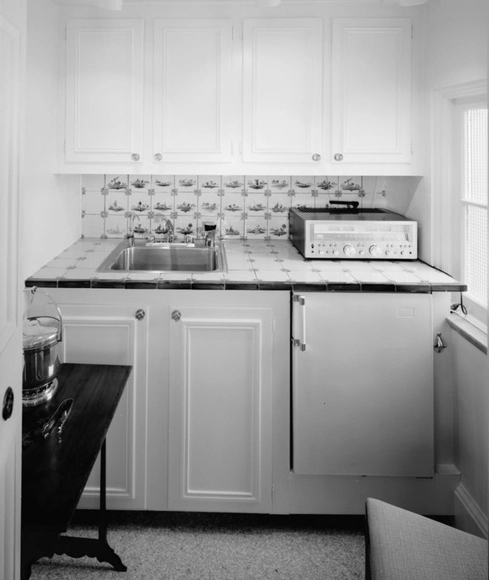
From showcases made with ceramic tiles to the sifted light created by expanded metal panels, passing through an ethereal polyester coating, Kuma understands the material as an essential component that can make a difference in architecture from the design stages. Next, we present 21 projects where Kengo Kuma masterfully uses construction materials.
Origin myths,” “founding myths,” and “creation legends” provide a way for us to see into and imagine the distant past in metaphorical, poetic, and compelling ways. The oldest origin myths help us understand how a people or a place (such as the universe) were believed to have come into existence. Anthropologists describe these as creation myths or “cosmogonic” myths. They might explain how the world came to be. For example, Native North American peoples such as the Cherokee, Ojibwe, and Aztecs share an origin myth that land was first created on top of a great ocean. One of the most common Western origin myths is the creation of Adam and Eve. But founding stories exist for all kinds of social conditions, historical customs, and objects, as well as places—think of the myth of the brothers Romulus and Remus, suckled as babies by a wolf, who survive to found the city of Rome (after Romulus got rid of his brother).
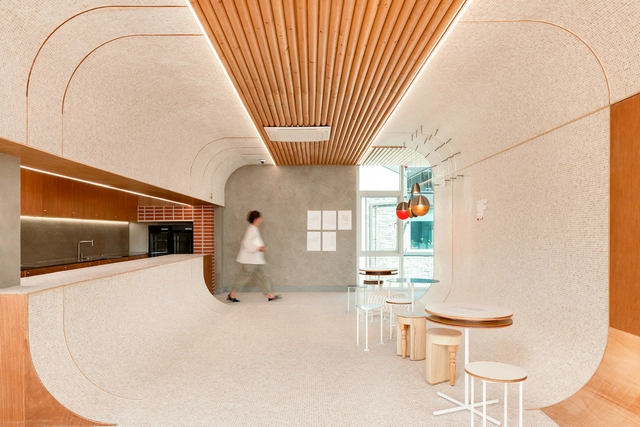
After years of dominance, orthogonal lines and right angles are giving way to organic designs and rounded shapes within interior design projects. This profound shift in formal language has led to the infiltration of gentle curves and amorphous volumes into design pieces, furniture, and decorative elements, a transformation that's becoming increasingly evident. Some argue that this change may be indirectly linked to the growing interest in sustainability and the pursuit of strategies that reconnect people with nature, as seen in the consistent presence of biophilia across projects of various scales. The period of social isolation during the COVID-19 pandemic further heightened this inclination, prompting individuals to devise ways to incorporate nature into their living spaces, thereby enhancing well-being in day-to-day life.
The Monadnock Building in Chicago began construction in 1891 and is still in use today. The building features a somber facade without ornamentation and a colossal height - at the time - of 16 floors. It is considered the first skyscraper built in structural masonry, with ceramic bricks and a granite base. To support the entire load of the building, the structural walls on the ground floor are 1.8 meters thick, and at the top, 46 centimeters. One hundred and thirty years later, this construction system remains common and allows for the erection of taller buildings with much thinner walls, accomplishing even new architectural works economically and rationally. But what is structural masonry about, and how can designers use it in architectural projects? And for what kinds of buildings is this system most suitable?
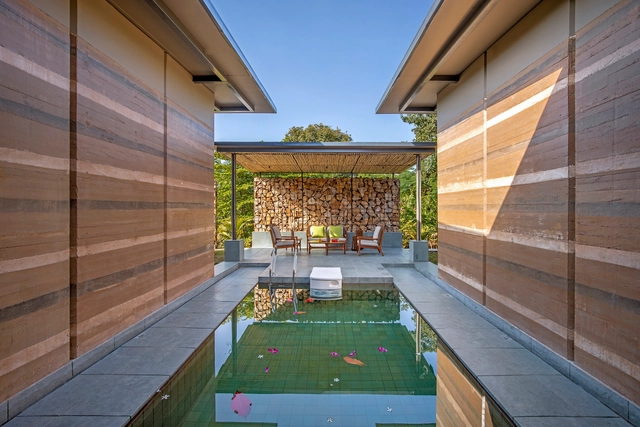
With the proper know-how, readily available earth, sand, chalk, lime, or gravel can yield a versatile, strong, and durable construction material. Its colorful results vary from region to region, depending on the natural soil component, climate, and treatment. While some prefer to minimize any added processing, others relish the exploration of rammed earth surfaces. Different textures and mesmerizing layers of multitoned or multicolored earth can be used to create a solid surface that enriches the visual quality of a space and carries a sense of warmth to any project.
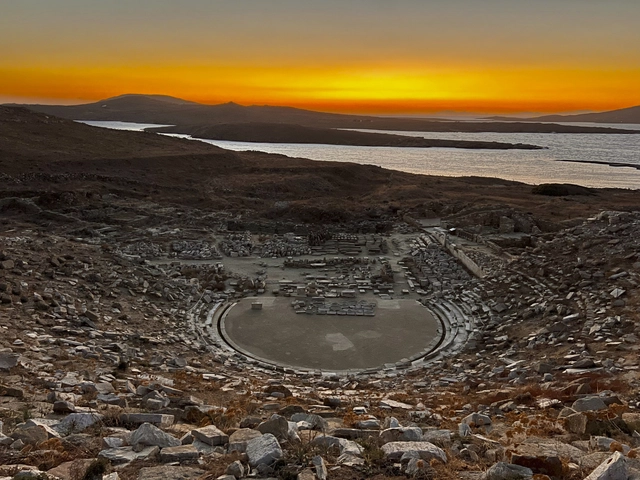
Nestled amidst the Aegean Sea, the ancient island of Delos emerges as a timeless testament to human ingenuity and the harmonious interplay between architecture and nature, in this captivating series of photographs shared with ArchDaily for the International Day of Photography by artist Erieta Attali, along with the insightful voice of Brazilian architect Angelo Bucci. Inspired by Attali's work, Bucci crafts a narrative that explores the profound connection between architecture and the environment, echoing the ethos of Delos itself.
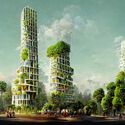
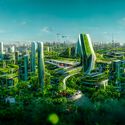
In an age where humanity's detrimental impact on the environment has become increasingly evident, the concept of rewilding is emerging as a powerful approach to conservation and ecological restoration. In line with growing attention on landscape architecture in recent years, the idea of removing human intervention from our natural surroundings in order to restore a stable equilibrium seems to offer a low-effort, ethereal way to right fundamental climate wrongs. But is a lack of meddling in nature really all there is to rewilding, and how does this relate to architecture and design? We look at key concepts, applications, and examples to find out.
This article is the first in a series focusing on the Architecture of the Metaverse. ArchDaily has collaborated with John Marx, AIA, the founding design principal and Chief Artistic Officer of Form4 Architecture, to bring you monthly articles that seek to define the Metaverse, convey the potential of this new realm as well as understand its constraints.
The Metaverse is currently hard to define. Try to think of it as the bringing together of the abundance of virtual communities we have created over the years on Facebook with the enormous range of leisure opportunities akin to shopping on Amazon. Yet, the Metaverse goes far beyond this and makes a new type of landscape possible by playing on the very qualities of placemaking we know from the cities, towns, and villages we inhabit worldwide. The Metaverse is a transactional space, and perhaps above all an experiential space where unexpected events take place and, importantly, shared events are enjoyed on an individual and communal basis.



















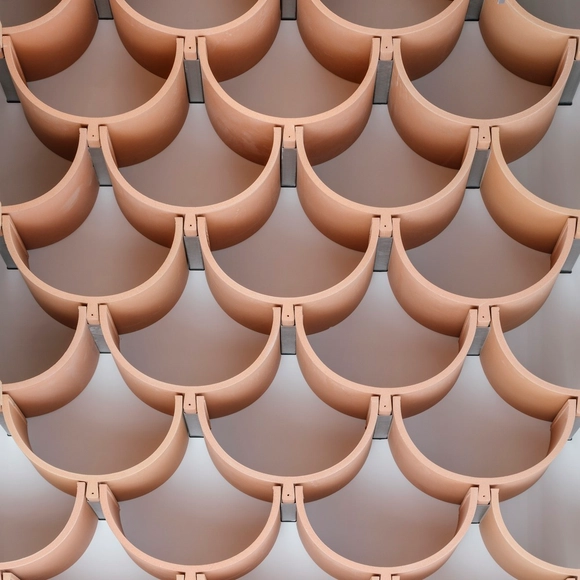


.jpg?1558730231 "Green Cast / Kengo Kuma & Associates. Image Courtesy of Kengo Kuma and Associates")