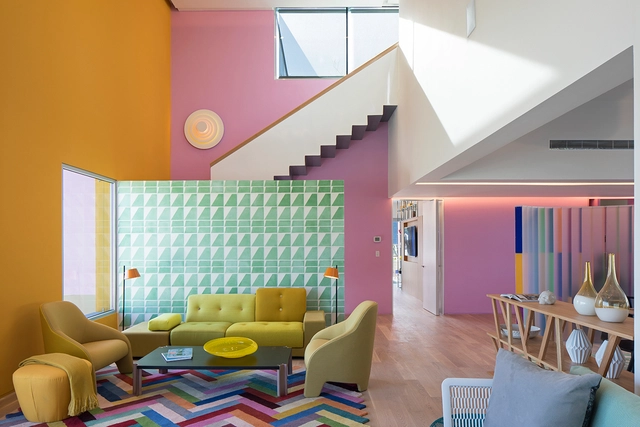
Color plays a significant role in the world. Partly because of the significance attached to each hue, the use of color in architecture – especially in interiors – changes the ambiance of each project. In commercial establishments, color has a considerable influence on highlighting a given brand, and in homes, it can reflect the resident’s personality and complement the language adopted in the project. This exploration can take place directly in the tectonic object (architecture) through the surfaces that constitute the building, or it can take advantage of mobile elements, easily changeable.
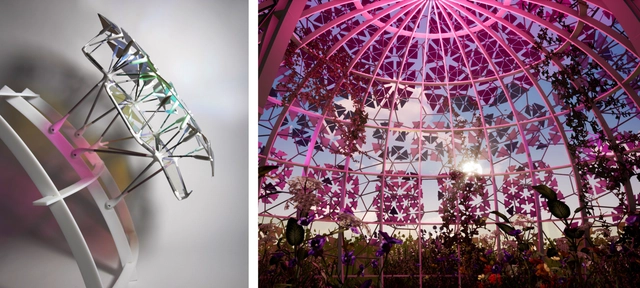
Agrivoltaic Pavilion prototype & designs in 'Sustainable Architecture & Aesthetics.' Transforming BIPVs with custom 3D-printed filters and panels for site-specific solar collection. Courtesy Sabin Design Lab at Cornell College of Architecture, Art, and Planning and the DEfECT Lab at Arizona State University. Image Courtesy of Jenny E. Sabin
Why research and innovate in architecture? In a conversation with architectural designer Jenny E. Sabin, we delve into the critical link between research and practice in architecture. Seeking the development of a new model, her team incorporates an interdisciplinary approach that introduces connections between these areas, fostering collaboration with both scientists and engineers.
Observing nature’s behavior, the proposed method integrates biological and mathematical discoveries into the design process. After undergoing a systematic testing process, these insights are applied in the project’s generative design phase to create adaptive and responsive material solutions. Analyzing her research and design strategies, we showcase how she translates research into architectural practice.
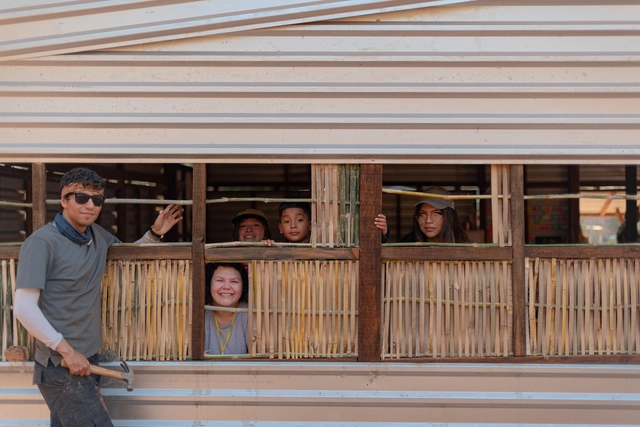
Between April 2 and 16, students from Latin America, together with architects, worked on the analysis, design, and construction of public infrastructure for the city of Suchitoto in El Salvador, within the framework of the XIX Latin American Social Workshop (TSL).
Since its first edition held in Barranquilla in 2002, the TSL has annually brought together public and private entities, university students, architects, professors, and members of Latin American civil society to develop practical architectural exercises with a strong community and local focus. This year, the XIX TSL was led by the Latin American Coordinator of Architecture Students (CLEA) and the local organization, the National Association of Architecture Students of El Salvador (ANEA).
The following is the work produced by the workshops led by architects from El Sindicato, Taller Bugambilias, Taller de Tierra, Colectivo Hormiga, ACCIÓN, Laborateca, Sen Sos Hábitat, Alejandro Alcázar, and Coonvite:
https://www.archdaily.com/1136241/discover-the-four-projects-built-at-the-latin-american-social-workshop-el-salvador-2023ArchDaily Team
In the realm of architectural design and interior furnishings, achieving a balance between form and function is a daily challenge that designers encounter. This interplay between utility and aesthetics has not only evolved over time but also involves a constant exchange of styles and production methods. Frequently, this interchange leads to standardization and generic designs, potentially causing a depletion of authenticity in the design process.
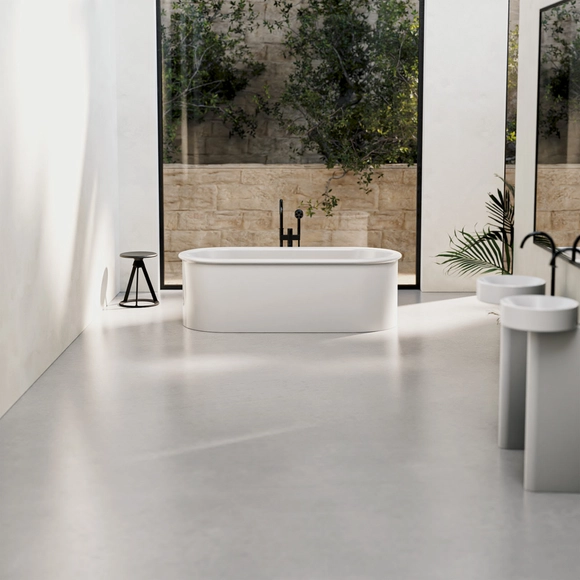
For this reason, in the contemporary era, designers are revisiting the fundamentals, rediscovering manual design processes that range from sketching to model making, all while embracing pure forms. Designers and manufacturers alike are embracing conscientious approaches to develop proposals that maintain simplicity in design while retaining a distinctive identity. In response to this, Bette, in collaboration with the British design studio Barber Osgerby, proposes the creation of minimalist-style bathrooms through the BetteSuno bathroom collection, stripping away complex shapes and seeking a light visual design.
https://www.archdaily.com/1005100/handcrafted-design-for-minimalist-washbasins-and-bathsEnrique Tovar
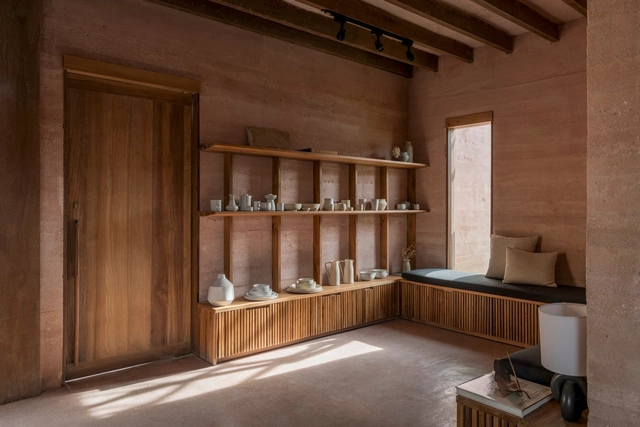
Earthy tones, from those used in traditional vernacular constructions to contemporary interior design trends, are instrumental in crafting inviting, organic, and harmonious environments. These tones encompass a spectrum of shades reminiscent of natural elements such as earth, clay, sand, and stone, fostering a deep connection with nature. They are readily available in various construction materials, paints, and coatings, allowing for captivating texture combinations. In the following section, you'll find inspiring projects that exemplify the potential of these color palettes.
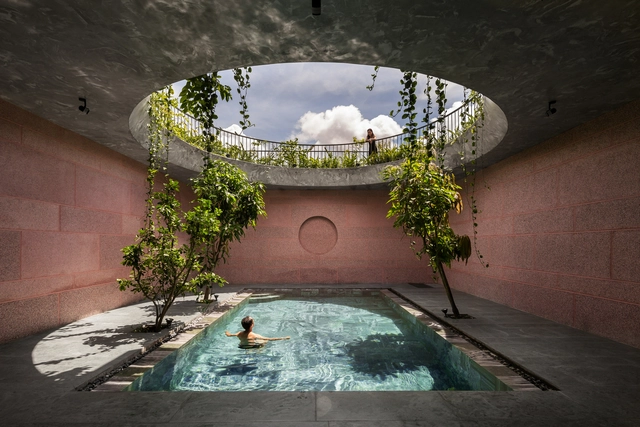
Designer pools bring status to luxury homes and five-star hospitality spaces. But adding the cooling, calming, energizing, and environmental benefits of a hyper-local water body to a residence can far outweigh the cost of installation. With a range of long- and short-term landscaping options possible, meanwhile, luxury is available, whatever the budget.
Most pools are built below ground to retain unobstructed visuals above. While all in-ground pools start off the same way – with excavation, then connecting the plumbing and filtration systems – the main difference is in the construction of the pool’s basin. The simplest and quickest method is to lower a pre-fabricated reinforced plastic pool or pre-cast concrete basin into the cavity, before connecting the pipework and backfilling the recess with sand. But this is only suitable for off-the-shelf pools with simple geometries. In order to make the most efficient use of all available space, bespoke pool shapes and sizes are best achieved by pouring or spraying concrete into a rebar or timber frame.
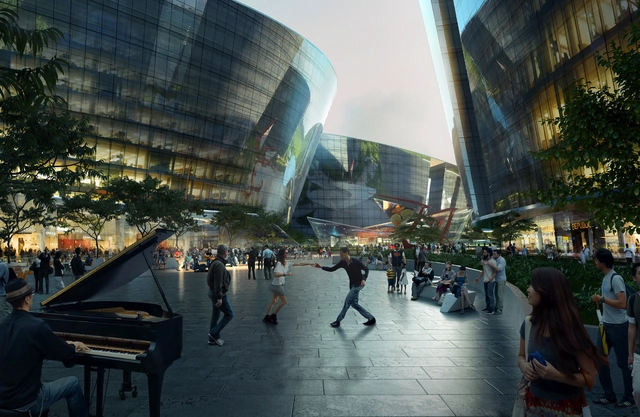
Project by Form4 Architecture investigating the opportunities for unsolicited participatory interaction in space, like street dancing, something that could be replicated in the Metaverse if its spatial quality had similar depth. Image Courtesy of Form4 Architecture
This article is the second in a series focusing on the Architecture of the Metaverse. ArchDaily has collaborated with John Marx, AIA, the founding design principal and Chief Artistic Officer of Form4 Architecture, to bring you monthly articles that seek to define the Metaverse, convey the potential of this new realm as well as understand its constraints.
For architects, one of the most captivating aspects of AI and the Metaverse is that of placemaking. How do we create compelling places that bring people to this new world and enable them to enjoy their experience there, getting them to return once the novelty has worn off? How much of this digital world needs to connect back with our day-to-day physical environs for it to feel meaningful and how do these artificial cities, towns, and neighborhoods come to life?
With the goal of highlighting Chilean women who embody female empowerment, Forbes magazine has compiled a list of the 30 most influential women in the country today. The selection is based on key attributes such as leadership, public inspiration, and an ongoing contribution to shaping a more gender-equitable nation.
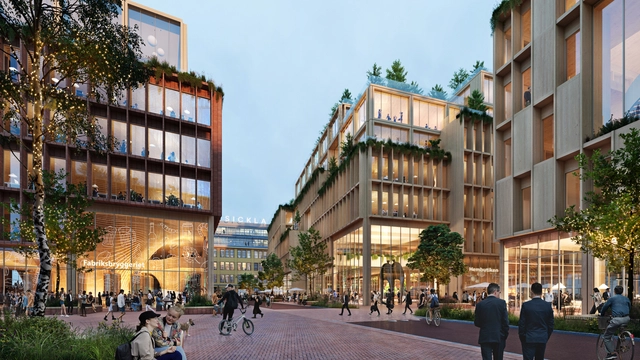
La construcción del proyecto de desarrollo urbano de madera más grande del mundo comenzará en 2025. Image Cortesía de Atrium Ljungberg | White Arkitekter
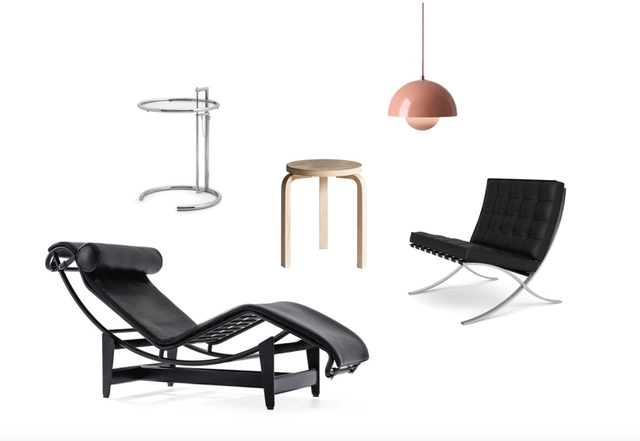
Big meeting: Le Corbusier's LC4 Chaise Longue meets Eileen Gray's Adjustable table, Alvar Aalto's Stool 60, Verner Panton's Flowerpot pendant and Mies van der Rohe's Barcelona chair
The 20th century is almost certainly the most important period when it comes to interior design icons. The list of protagonists who have contributed to making this era of design such a great one is certainly too long to truly do justice to all of them and their classic furniture designs. For this reason, here we present just a small selection of architects and designers such as Eileen Gray, Le Corbusier and Verner Panton, who have written design history over the past century, and which still continue to make an impression to this day – all of whom can be found on the Architonic Platform. Our journey includes extraordinary talents from all corners of the world: A look back at the furniture world of yesterday, which was then of tomorrow, and today still shines as brightly and timelessly as ever.
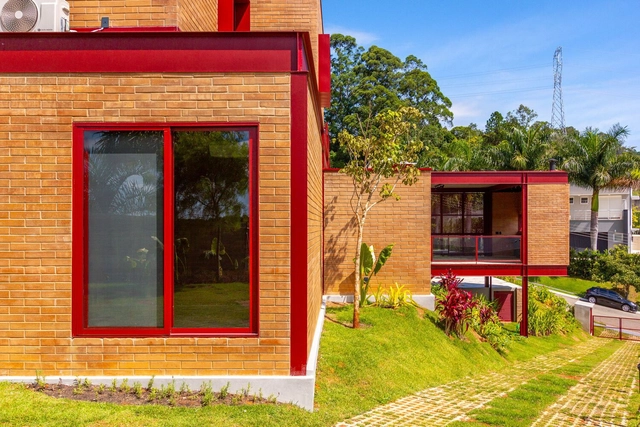
Although the use of color can be employed to hide or disguise a specific characteristic, it can also be used to highlight them. Within the Latin American territory, we can observe that shades of red, green, and blue have predominated in residential architecture, aiming to integrate a language appropriate to the context in which it is implemented.
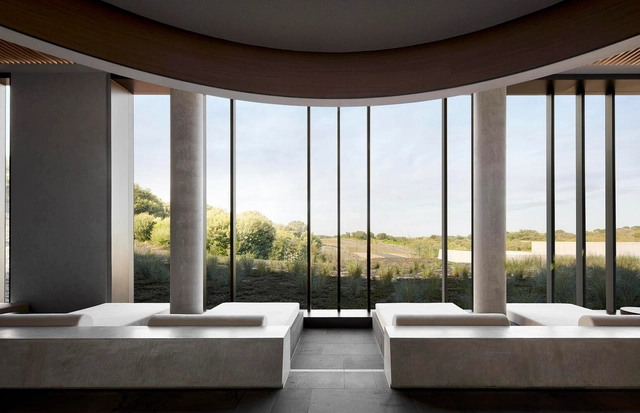
The wellness market is booming, predicted to grow by almost 60% in the five years since the COVID pandemic, with consumers taking greater care of both their physical and mental health. It’s now understood, of course, that wellness – the virtue of feeling good in both body and mind – is more affected by our environment than we used to admit.
Since 2020 we’ve been quickly migrating away from cities, with attitudes on work and living also shifting to include more natural beauty and the hunt for the nirvana of greater wellbeing. These four wellness centers take care to complement the rejuvenating surroundings of the outdoors with healing activities and architecture, helping visitors to feel at peace with themselves and the world around them.
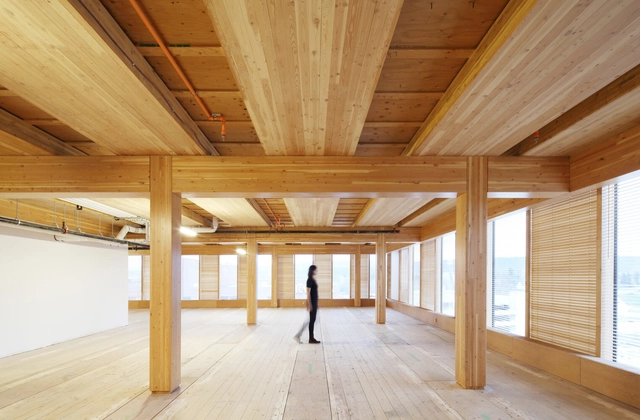
Wood has played a key role in the history of architecture by adding warmth, versatility, and sustainability to buildings. Today, its use is experiencing a renewed interest, driven both by technological advancements brought about by the use of Cross-Laminated Timber (CLT) and by growing environmental awareness.
The following list is an index of articles, news, and projects published on ArchDaily that cover everything you need to know about the use of wood in architecture, from design strategies and the latest trends to its application in construction works and building materials.
Wood is a material with unique characteristics –such as its natural warmth and tactile quality– capable of providing a sense of comfort and well-being, evoking emotions and memories, and creating a cozy atmosphere in interior spaces. Its versatility allows it to be used in building structures, for solar protection, or as interior cladding, and it can be molded, carved, and jointed to create a variety of forms, from simple to complex designs. When properly maintained and kept in ideal conditions, wood can last for hundreds of years. However, as a natural material, it is susceptible to degradation over time due to biological, chemical and environmental factors, which can result in rotting, cracking, erosion and the loss of physical properties.
To mitigate this issue, there are preservation techniques that aim to improve the durability, stability, and resistance of wood to adverse factors, prolonging its life and performance. Among these techniques are treatments with chemical products, the application of pressure, and thermal modification.
Since the pandemic, urban issues have become more pressing than ever for many people in Latin America. COVID-19 triggered a turbulent shift in the real estate market, driven both by speculation in second-home markets and the influx of “digital nomads” in cities like Medellín, Buenos Aires, and Mexico City.
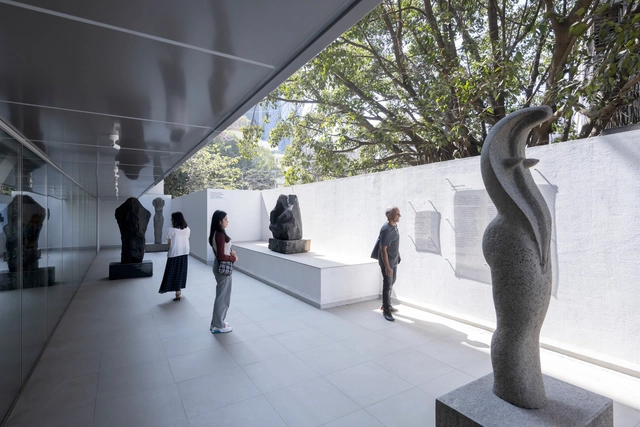
India hosts a multitude of museums, art galleries, public libraries, theaters, and heritage centers. Nevertheless, many of these structures remain abandoned and fossilized like the artifacts they intend to present and protect. The development of cultural infrastructure in India has historically been a government endeavor, often resulting in a state of stagnation. The past two decades have seen a noticeable shift in the country’s cultural landscape. Increased interest from private institutions has paved the way for plenty of cultural projects to be initiated, usually in partnership with city authorities. These contemporary projects aim to celebrate the richness of India’s historical and contemporary culture, becoming prize destinations for the rising middle class.
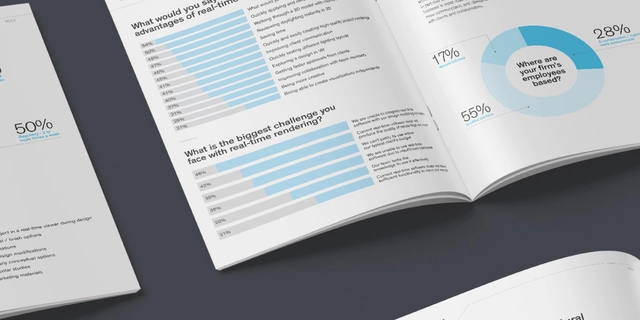
Do you ever wonder what the future holds for architectural visualization? To answer this question and understand the present state and expectations for the future of architectural visualization, over 2,000 architects and designers were surveyed through a commissioned study conducted by Architizer on behalf of Chaos Enscape.
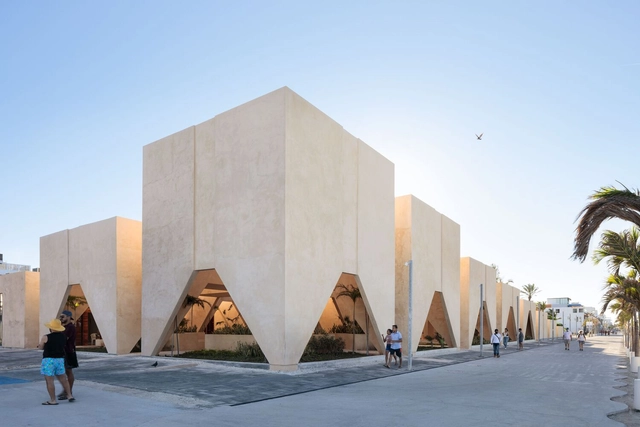
Yucatán is a state located in the southeastern part of Mexico on what is known as the Yucatán Peninsula, bordered by the Gulf of Mexico, Quintana Roo, and Campeche. Within this state, there are 4 magical towns: Izamal, Maní, Sisal, and Valladolid. The architecture of this region is a blend of indigenous, Hispanic, Mexican, French, Italian, and American influences.
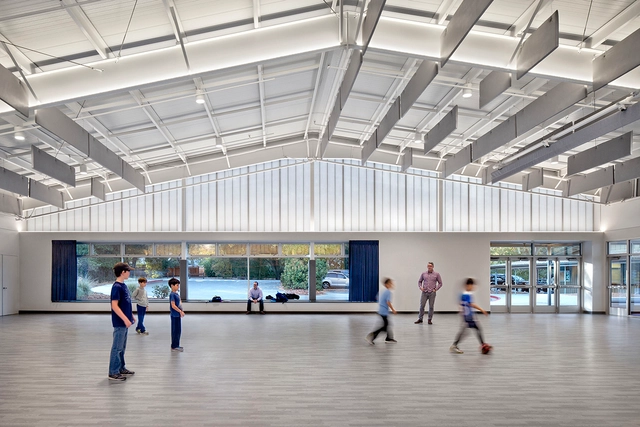
Architects such as Alvar Aalto and Tadao Ando showcase the ability of natural light to shape architectural spaces. Aalto's projects employ extensive glass elements, carefully positioned windows and skylights, harnessing the ever-changing characteristics of daylight. Meanwhile, Ando's Church of Light serves as a striking example of how light can hold profound spiritual significance within a space. Its concrete facade features a symbolic cross-shaped opening, which beautifully and symbolically illuminates the interior, creating a unique spiritual ambiance. In addition to being an essential element that enhances interior aesthetics, natural light profoundly impacts the overall quality of life, promoting better well-being and productivity. By taking advantage of the power of natural light, spaces can reduce their dependence on artificial lighting, leading to greater energy efficiency and a more sustainable design approach.
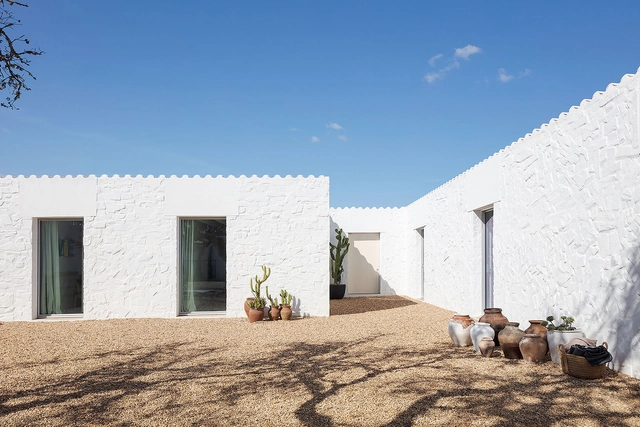
A technique used for centuries, particularly in hot, dry climates, limewashing can be applied to both interior and exterior walls. Beyond its affordability, this rustic finish offers numerous benefits that extend far beyond aesthetics: its light tone and striking texture create a compelling contrast between the building and its surroundings. Learn more about its advantages and how to apply this finish below.
There are many reasons why some urban areas deteriorate while others thrive, including economic, planning, social, and cultural factors, as well as sheer chance. Understanding these dynamics—and, more importantly, minimizing the risk of decay while fostering vitality in urban areas—is a recurring theme in urban planning, driven by the shared and legitimate desire to live in beautiful, pleasant, and prosperous environments.
Hi there! Welcome to the second Supporters Newsletter, created exclusively for you. For the second edition, we are dedicating this issue to the concept of Theory & Practice. Featuring our Managing Editor of ArchDaily in Spanish, Fabian Dejtiar, we will delve into the discussion about the interactions between research and practice and how ArchDaily's content incorporates both areas. In addition, we are offering our Supporters a free course on Revit Flow, information on job opportunities at BIG, and our recommendations on digital tools.
https://www.archdaily.com/1006335/the-supporters-newsletter-issue-number-2ArchDaily Team
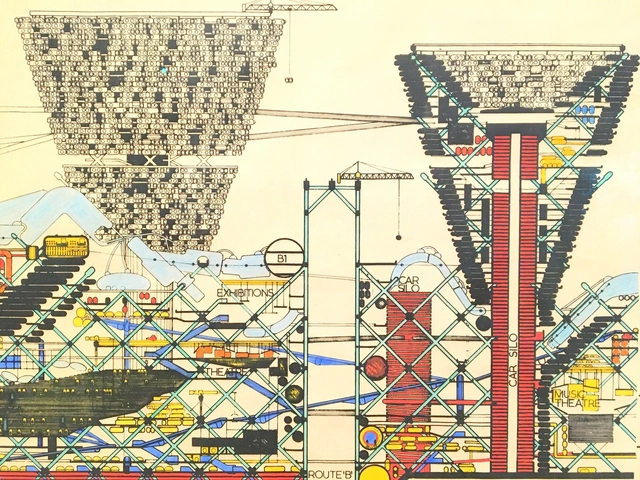
The concept of a city can be viewed as a constantly evolving system where both architects and users contribute to its design and redesign. While its framework may start with planners or designers, the character of the urban fabric is ultimately shaped by the societies and generations that inhabit it. The question of "city authorship" often arises in the context of masterplan design. Can architects and urban planners determine the extent to which a city will evolve through its initial design? The answer is no. User authorship then acknowledges that city planning should not be approached like building design, where designers attempt to predict every aspect of shape, pattern, behavior, and culture. Instead, it recognizes the role that people play in shaping the urban fabric through their personal taste in architecture, the development of neighborhood personality, and ongoing redesign that contributes to the story and spirit of a place. These factors should be considered in the initial design by engaging ideas related to future expansion, adaptable infrastructure, and empowering citizens to contribute to the city's architecture, thus making the city design democratic. This article explores conceptual radical cities where designers embrace the ideas of user authorship and the constant evolution of ephemeral architecture.
The importance of conserving natural resources through sustainable housing and infrastructure is becoming increasingly prominent, prompting the architecture, design, and construction industries to remain highly aware of these needs amidst dwindling resources and a growing global population.
In understanding the pressing challenges currently facing cities, and in response to both environmental demands and technical requirements within the industry, developing innovative materials and high-strength, durable, improved solutions has become central to the construction of buildings and infrastructure.