Every December talking heads (or screens) trumpet “Everything Has Changed”. But this year it is true. Imminent inoculations may bring back human contact, but the Coronavirus Year has changed us.
I think 2020 ended the 20th Century in architecture. Architecture never leads in pivotal periods. Modernism was birthed by a Western World leaving monarchies and diving into the Industrial Revolution: it caused neither.
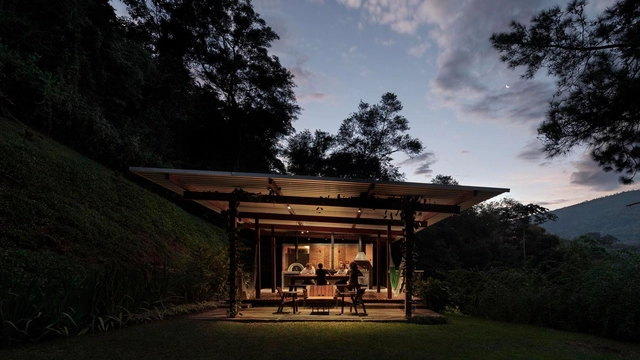
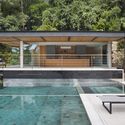
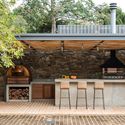
Across much of Brazil, the climate allows for the daily use of outdoor spaces. From the simplest backyards to backyard annexes equipped with barbecues and ovens, outdoor cooking is deeply rooted in the local culture. This practice has become even more prominent in light of the lessons learned from the pandemic, as open-air spaces tend to be safer. With this in mind, we have compiled twelve outdoor kitchens—or kitchens that open up completely to the outdoors—to provide design inspiration for this type of space.
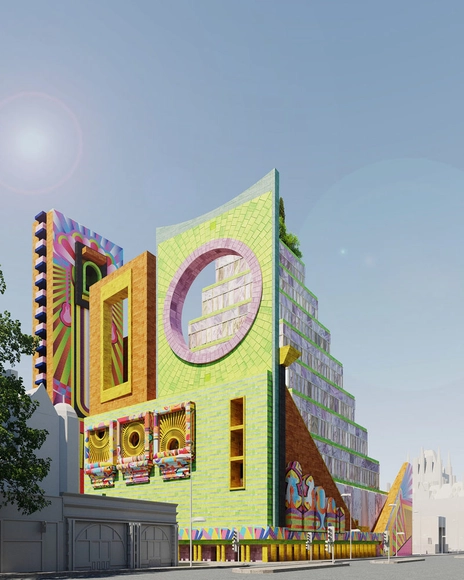
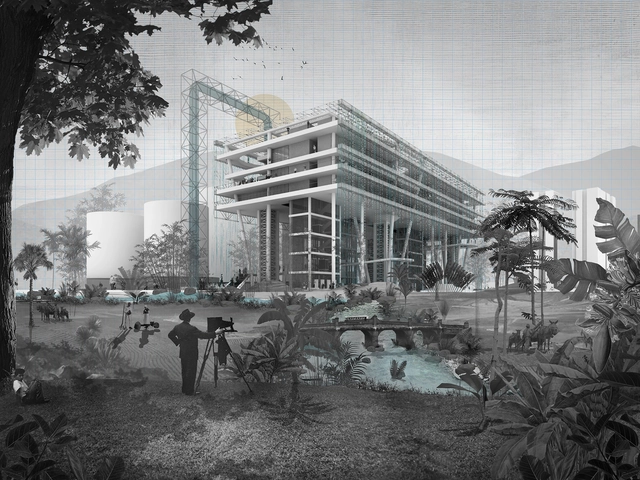
The Liberal Archive (2020). A proposal for an open repository of digital and material culture, located next to the British Library in London. Image Courtesy of Adam Nathaniel Furman
This article was originally published on Common Edge as "Presenting Architecture as Progressive, but Practicing Through Exclusion."
For a profession that likes to congratulate itself about how well-meaning it is, and sees itself as liberal, diverse, open, and progressive, British architecture has a serious problem with diversity of pretty much every kind. It is dominated by people from well-off backgrounds. It trains a lot of brilliant female architects but doesn’t pay them as much as men, and loses many of them after 30 when they are not supported in balancing work and family life. Its ethnic makeup is very, very white, considering that it’s 2020. A supposed beacon of success is the acceptance of the LGBTQ community within the field, but as with women and those from and religious and ethnic minorities, stories of unprofessional comments, inappropriate jokes, and insidious forms of jovially “innocent” othering and the diminution of identity-specific concerns abound.
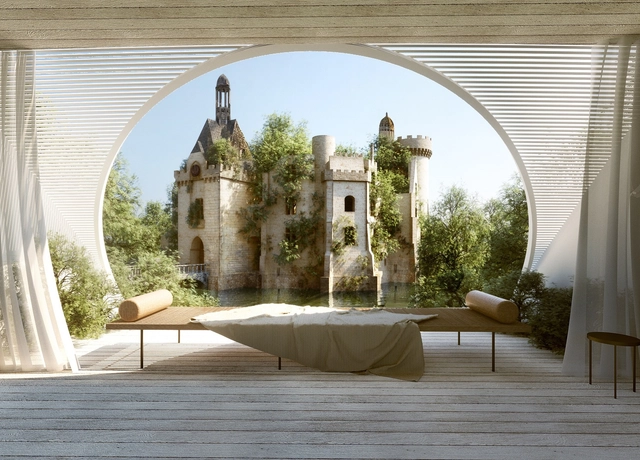
Housing is a ubiquitous typology ripe for experimentation. Exploring form, view, materials and hierarchies, residential projects center on daily life and retreat. Designed to bring people together and provide space for isolation, homes can be open and inviting, secluded and private, or both at the same time. For unbuilt housing projects, these concepts are designed to rethink traditional forms and spatial layouts in the context of local climates and landscape conditions.
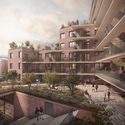
This week’s curated selection of the Best Unbuilt Architecture focuses on homes and residential projects located around the world. Drawn from an array of firms and local contexts, they represent proposals submitted by our readers. They showcase both single family and multi-unit homes, from a series of villas for three friends overlooking the Caspian Sea, to a Cambodian countryside retreat and a pine cabin in the Jezzine village of south Lebanon.
In 1941, Swiss engineer George de Mestral was coming back from a hunting trip with his dog when he noticed that some seeds kept sticking to his clothes and his dog's fur. He observed that they contained several "hooks" that caught on anything with a loop, and from studying this plant, seven years later, he invented the hook and loop fastener, which he named Velcro.
According to a UN-Habitat report, in 2013 approximately one billion people lived in informal settlements, and this number is expected to double by 2030. Seen as the result of policy, legislative, and housing provision failures—at both national and urban levels—informal settlements cannot be understood merely as a byproduct of demographic explosion and globalization.
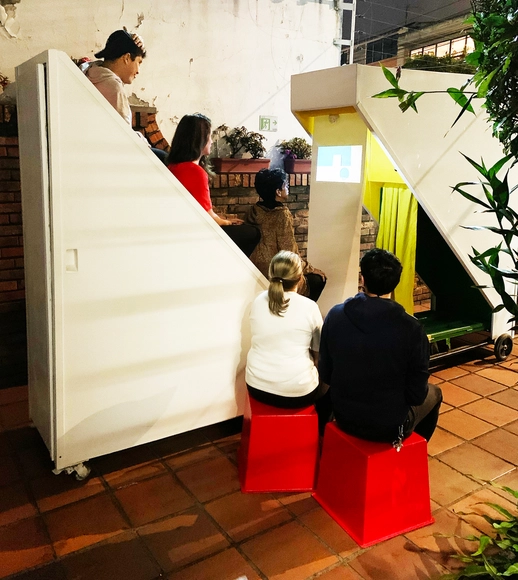
The following article proposes rethinking architecture as a subject rather than an object. Carlos Medellín delves into the topic, arguing from both experimental and academic perspectives how people-centered architecture acts as an agent of change.
For this end of the year special roundup, ArchDaily has compiled a selection of Best Unbuilt Architecture, submitted by established and well-known firms. Including conceptual, in progress and, even in some cases, under-construction projects, this curated list covers a wide spectrum of programs and approaches.
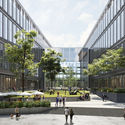
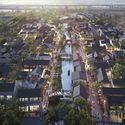
From KPF, Sasaki, COOKFOX, and FCBStudios to name a very few, this week’s article highlights worldwide interventions. It actually encompasses a terminal transformation in Manhattan, an integrated mixed-use development in Central Belfast, regeneration of an entire district in Shanghai, and the modernization of the infrastructure at Davis research station in Antarctica.
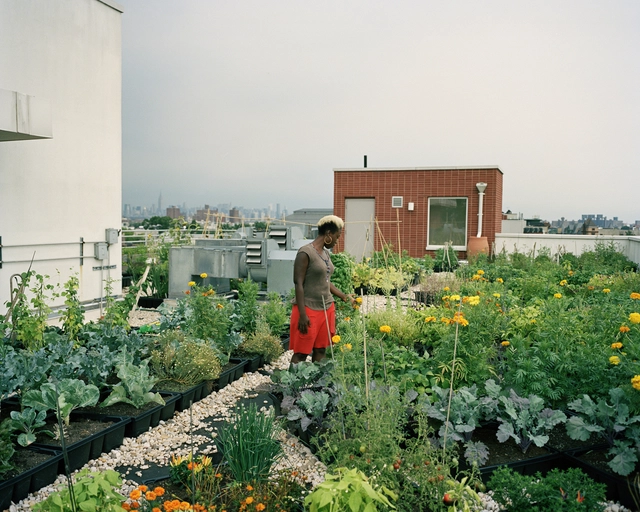
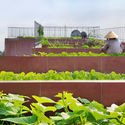
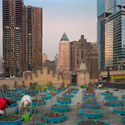
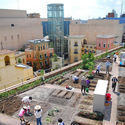
According to the UN, the share of the world's population living in urban areas, currently about 55%, will rise to 70% by 2050. Managing this rapid urban growth is a daunting task for governments; among the most common challenges is providing housing, basic services, and food to city dwellers. Food security in major urban centers depends on several factors, including food availability, access, and quality.
Facing the current and accentuated global challenges, we ask ourselves: What should we address first?
2020 was a tremendous opportunity to focus all our efforts and attention on the most urgent issues of architecture. Through articles, interviews, debates, and projects, ArchDaily's Topics presented each month an in-depth response to the most relevant problems - from the climate crisis and emergency architecture to artificial intelligence and How Will We Live Together.
Infraestructuras del agua / Estrategias para el buen manejo de los recursos hídricos. Image Cortesía de Juan Pablo Zuleta Álvarez
Within the framework of the 27th Colombian Biennial of Architecture and Urbanism (BICAU XVII), the Colombian Society of Architects (SCA) has announced the winners of the parallel IV Colombian Biennial of Architecture Students. For these awards, the proposals were selected across four categories: Architectural Project; Research, Theory, and Criticism; Urban, Rural Design, and Territory Planning; and Architects as Agents of Change. Meet them below:
A single, continuous line unbroken by handle rotation: such was the simple, yet difficult-to-execute design concept motivating Zaha Hadid Design’s new innovative door handle. The result is a beautifully molded sculptural yet ergonomic design, playfully balancing form with function.
https://www.archdaily.com/954138/seamlessly-continuous-nexxa-a-new-door-handle-by-zaha-hadid-designLilly Cao
Pretty much everyone hates waiting rooms. Here are four statistics about them from a survey administered by Software Advice, an Austin, Texas-based consultation group: 80% of respondents said being told the accurate wait time would either completely or somewhat minimize their frustration; 40% said they would be willing to see another physician if it meant a shorter waiting time; 20% would be willing to pay an extra fee for quicker service; and 97%—virtually all of us!—are frustrated by wait times. And now, waiting rooms, in addition to being some of the dreariest places on earth, have become one of the easiest places in the world to get sick.
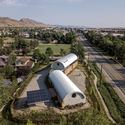
Straddling the foothills of the Rocky Mountains, the city of Boulder has become an iconic destination in Colorado. Widely known for its rock formations, the Flatirons, Boulder holds an innate connection to the mountains and surrounding landscape. Believed to have taken its name from Boulder Creek, the city has a rich history dating back to gold miners and the introduction of new railroad lines in 1873. Today, Boulder is a thriving center for education, art, and environmental stewardship.
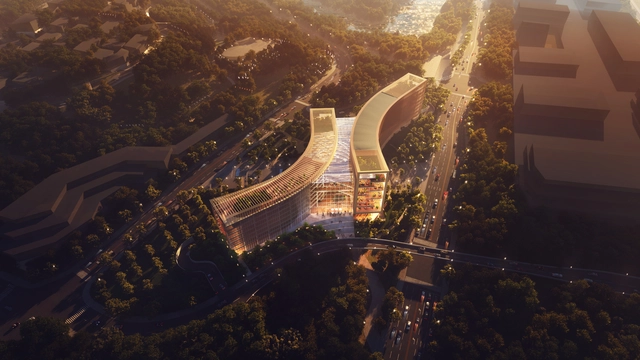
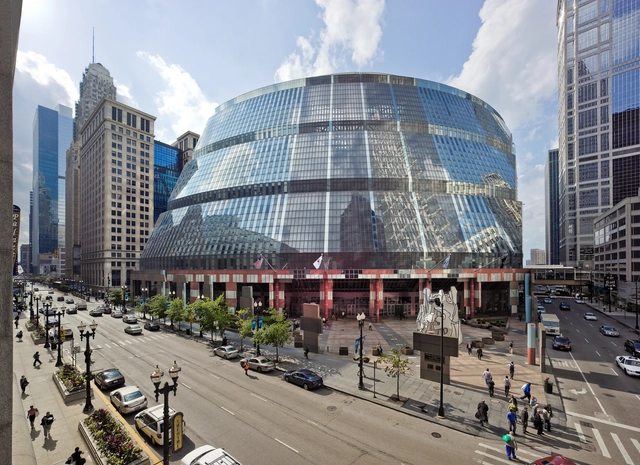
Every city has its odd building. Paris has Centre Pompidou. London –Lloyd’s of London. New York –the Guggenheim. Naturally, Chicago, the architectural capital of the world, has one too. Here it is –James R. Thompson Center, named so in honor of four-term Illinois Republican Governor (1977-91) who was brave enough to get it built in 1985. Home to offices of the Illinois state government the building is unlike anything you have ever seen before.
2020 has fundamentally changed our spatial routines and the current health crisis brought about a significant amount of speculation regarding how our daily lives will unfold onward. With the year coming to an end, we look at how the pandemic accelerated some architecture trends that were already underway, and how it brought into question other well-established ideas.
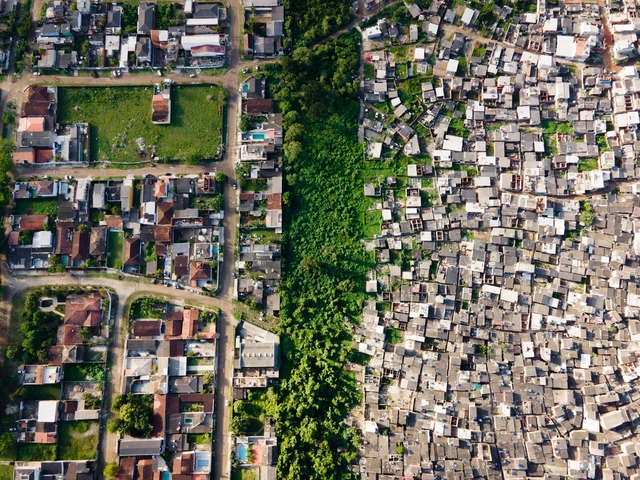
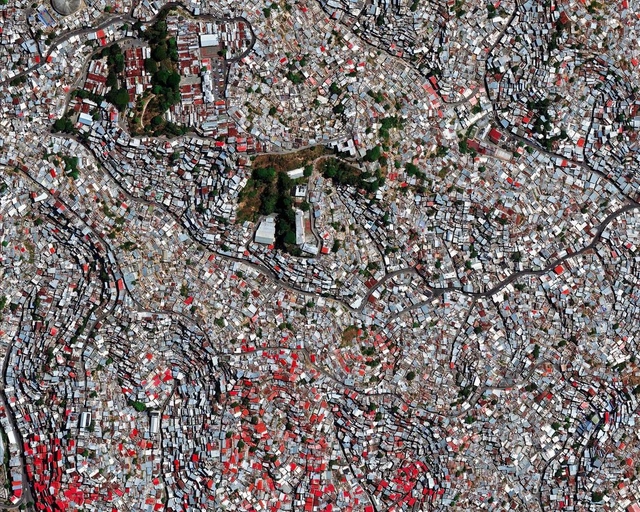
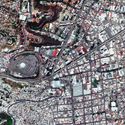
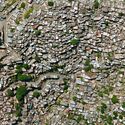
Most people are familiar with the concept of social and economic inequality, but although it affects a large part of the world's population, it is still somewhat abstract for many people. Photographer Johnny Miller intends to make it visible through his project Unequal Scenes, capturing images of spatial inequality from a very revealing perspective: aerial imagery.
The project started in South Africa, a country that is socially and spatially marked by apartheid, and now has been taken to Brazil to document scenarios in which extreme poverty and wealth coexist within a few meters, showing how distance is not only a measurement of physical length but can also imply more complex aspects, deeply rooted in our society.
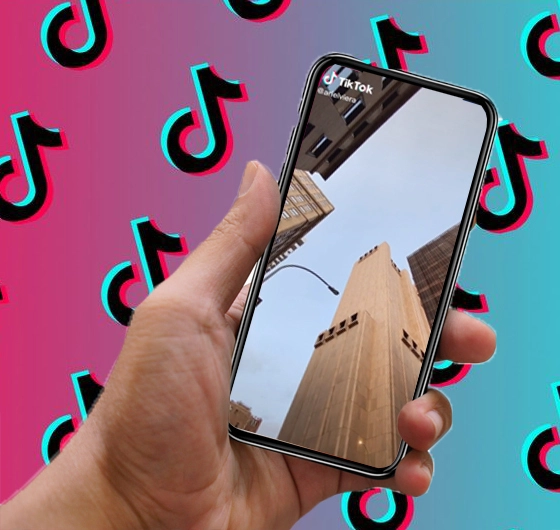
In a world that was once so obsessed with architecture that was “for the ‘gram”, the rise of TikTok is creating a shift in how we experience and consume architecture. It's no small trend either, nearly 950 million TiKTok videos utilize the hashtag #architecture, frequently to describe buildings in various cities or a specific architectural style that the video creator is familiar with. Does this mean that the era of the "instagrammable building" over, and is TikTok the new way to connect across generations and locations to explore the possibilities of architecture?







_NAARO_-_Copia.jpg?1606329213&format=webp&width=640&height=580)

_NAARO_-_Copia.jpg?1606329213)







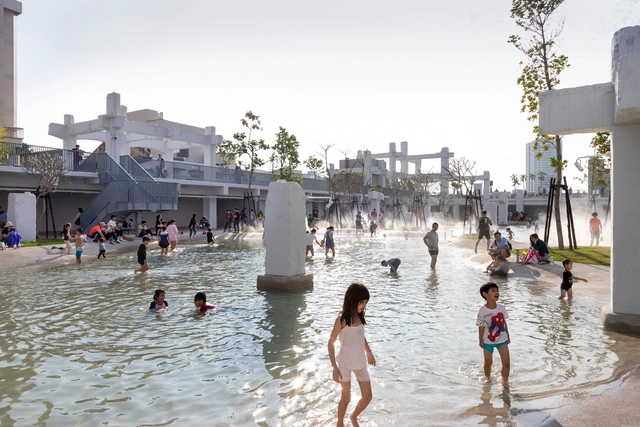




_Del_Rio_Bani.jpg?1608748851 "Superblock of Sant Antoni. Image © Del Rio Bani")