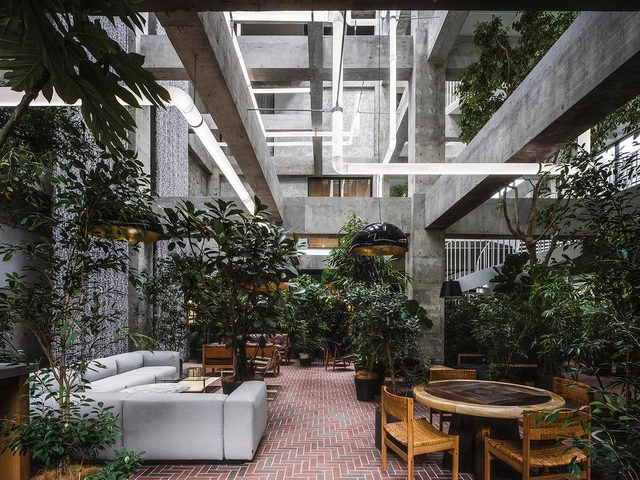
Exeter College Cohen Quad, London / ABA / Photo by Studio8. Image Courtesy of ABA
In March 2021, ACO and AIT-Dialog successfully launched a virtual tour through the seven continents of the world, inviting architects, urban planners, engineers and landscape architects to become part of "beyond.aco | architecture across continents". Now the journey continues: Join them at their next live event on 8 November 2022 and look forward to inspiring lectures from international speakers.
Our quest today for the natural, the hand-crafted and the original in our built environments is righting some of the wrongs we’ve inflicted on our land and seas with the mass production of products made from synthetic materials. It’s also exposing a contemporary yearning for warmth, comfort and poetry in our surroundings, not seen perhaps since the seventies slump – the last economic happening that opened design doors to bamboo and rattan, and cosseting ‘fat’ furniture.
https://www.archdaily.com/991305/craftsmanship-in-lighting-design-handmade-luminaires-from-forestierEmma Moore
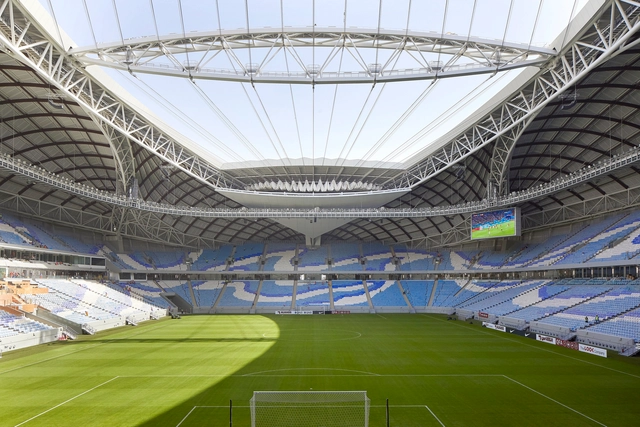
The World Cup will take place between November and December. This is due to the host country’s climate in June and July when Qatar can reach average temperatures of 40 to 50°C.
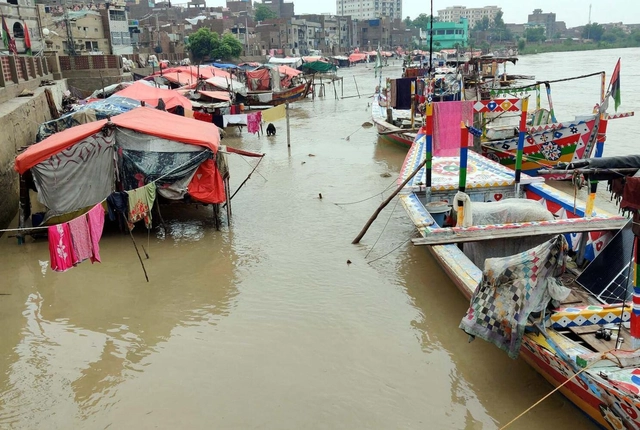
Flooding of the Indus River in Pakistan. The intense flooding in Pakistan was just one of many extreme weather events that affected communities around the world in 2022. Photo: Asianet-Pakistan/Shutterstock
This year's United Nations Climate Change Conference, COP27, takes place against a backdrop of multiple global crises.
The cascading effects of COVID-19 and Russia's invasion of Ukraine have pushed energy prices to record highs. At the same time, unprecedented climate disasters are causing devastating and widespread disruptions. Historic levels of rainfall, heat, drought, wildfires, and storms are battering virtually every corner of the globe.
https://www.archdaily.com/1131857/6-global-priorities-for-cop27Nathan Cogswell, David Waskow, Rebecca Carter, Jamal Srouji, Nate Warszawski, Preety Bhandari, Nisha Krishnan e Maria Lemos Gonzalez
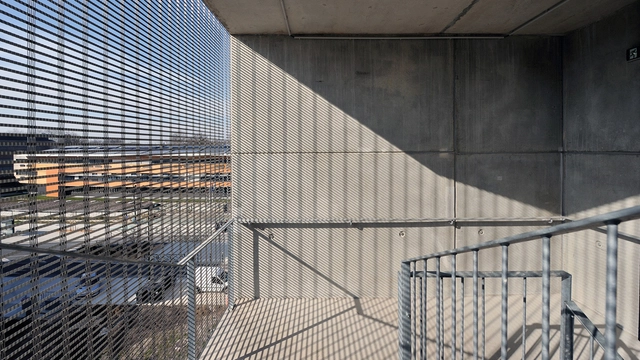
Versatility is the main characteristic of wire mesh. They can be used indoors, as ceilings and walls, but also outdoors, covering railings or wrapping entire buildings. In addition to its many possible uses, versatility is intrinsic to the material: Depending on the choice of warp and weft wires and the type of weave, the result is an individual mesh with a specific look and light effect, that can be further expanded with different materials or colored mesh surfaces. Another notable quality of the material is the safety it provides, either in guard rails on walkways, vehicle bridges with sidewalks, central atriums, elevated playgrounds, multi-storey parking lots, or internal or external stairways.
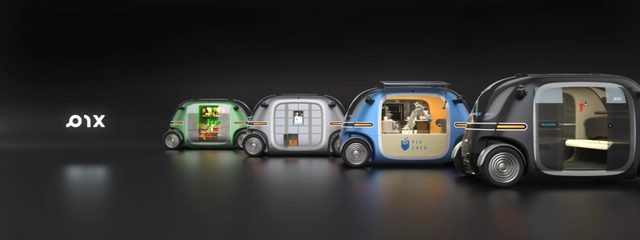
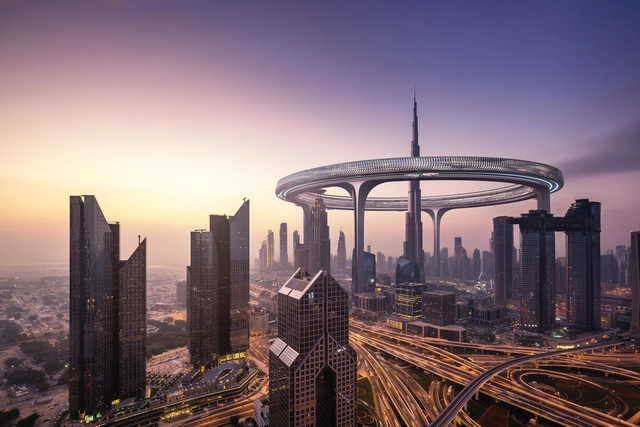
PIXCITY is a prototype proposed by PIXCITY DAO to encourage the exploration, design, and construction of the future city. It is an experimental project that merges new technologies and artistic design, which will be completed both online and offline.
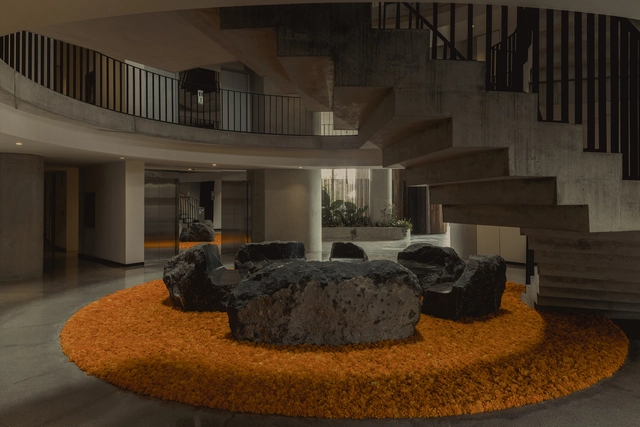
To mark one of Mexico's most important celebrations, architect Miguel de la Torre designs an annual installation for November 1 and 2. The celebration features cempasúchil (Mexican marigold) flowers, a plant native to Mexico that blooms in autumn. According to traditions dating back to pre-Hispanic times, the yellow and orange petals are used to guide the deceased during their visit, as they are believed to hold the light and warmth of the sun.
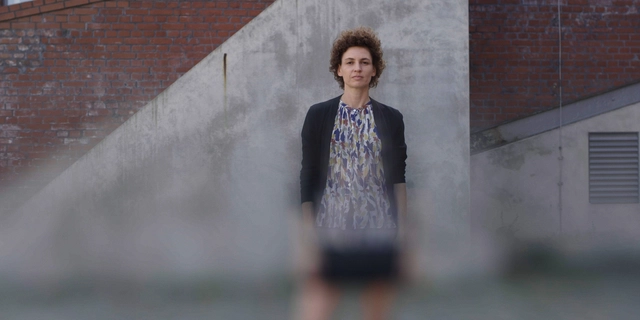
From ending up by accident in architectural studies, to eventually falling in love with the complexity of the field and the multitude of its layers, Johanna Meyer-Grohbrügge was amazed by the dual nature of architecture; its intellectual aspect, and physical outcome. Founder of Meyer-Grohbrügge in Berlin, the architect, and her studio seek to spatialize content, create relationships, and find solutions for living together.
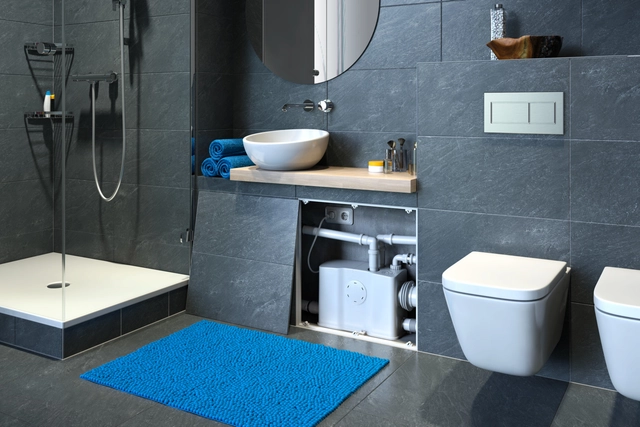
We have written a lot about the adaptive reuse of buildings and how this should become an even more important activity for architects in the future. Focusing on interiors, it consists of adapting spaces to new demands, promoting quality and comfort, and often incorporating new technologies into a space. Whether adding a new bedroom, organizing a home office, or transforming a historical building into an office, the architects' creativity allows them to create interesting environments without the need for demolishing. But one thing that tends to make designers scratch their heads in concern is how to include bathrooms and all the complication that it entails. This is because adding a simple toilet usually requires breaking slabs, walls, and floors, working with thick plumbing, and, above all, spending a lot of money and time. There is, however, the possibility of using a macerating pump system - a straightforward, affordable solution for creating a complete or half bathroom practically anywhere.
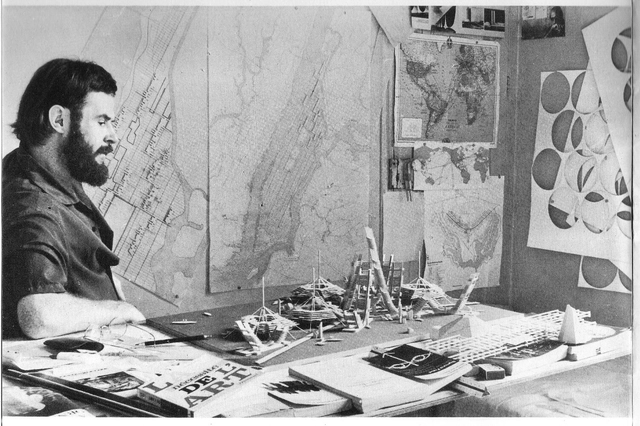
Thimel y su proyecto para Rio de Janeiro. Image Cortesía de Ricardo Rocha
Ricardo Rocha writes about the German-Brazilian architect Hartmut Thimel. Forgotten by canonical historiography, he worked with Georges Candilis, Yona Friedman, and later with Oscar Niemeyer. His work is a bridge between 1970s Brazil, addressing the international avant-garde - Team X, Metabolism, Spatial Urbanism, and Prospective, among others.
Widely recognized as being responsible for 8% of global CO2 emissions, concrete should be a blacklisted material, relegated to the shameful annals of architectural history. Rapid global urbanization, however, will ensure its unequaled production simplicity and structural strength help retain concrete’s firm grip on the construction industry.
If you can’t beat it, improve it: is the industry’s mantra on innovation, currently developing various alternatives to concrete or its constituent parts and admixtures. So with a concrete set for the environmental green list, the concrete revolution –using the material as an aesthetic exterior facade, interior decoration and fittings, or even in furniture and lighting, as well as a structural framework– is free to continue.
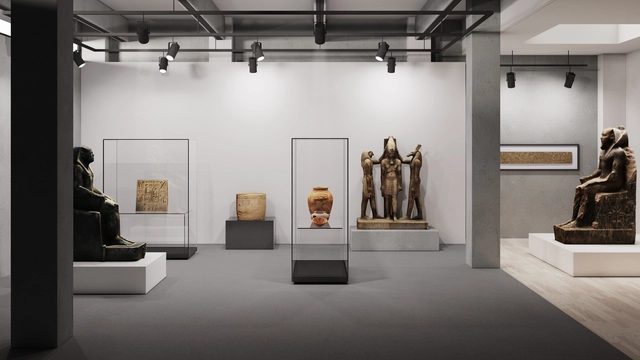
Museums play a critical role in preserving local cultures, promoting a better understanding of our collective heritage, and fostering dialogue, curiosity and self-reflection. In recent years –and largely driven by the Covid-19 pandemic– technological advances have enabled users from all over the world to visit exhibitions virtually, at any time and from the comfort of their own home. However, although online tours are a good way of increasing accessibility, there is something about the in-person museum experience that will never get old: the ability to witness, embrace and closely admire artefacts, paintings and sculptures in their true form, as well as the chance to experience the unique ambiance and essence of a traditional museum setting. Viewing the Mona Lisa virtually will never live up to appreciating it face-to-face at The Louvre, for instance.
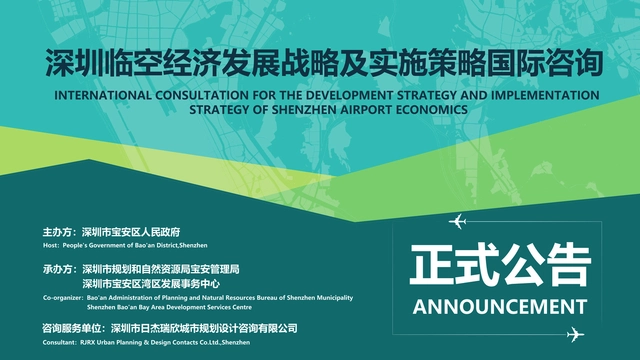
In order to collect global intelligence and advanced ideas, and provide advice for the development of Shenzhen airport economics, the International Consultation for the Development Strategy and Implementation Strategy of Shenzhen Airport Economics was launched. Registration is now open to outstanding consultation institutions and planning and design institutions all over the world.
According to the American Society of Heating, Refrigerating and Air-Conditioning Engineers (ASHRAE)—which organizes global data and supports research in this field—thermal comfort is defined as the condition of the mind that expresses satisfaction with the thermal environment. Why is it important to study adaptive comfort in Latin American climates? Given that 40% of the population lives in the tropics, designing architecture capable of adapting to tropical climates is essential. Consequently, in line with human-centered design, strategies must be tailored to the specific local conditions in which they are implemented.
Franco Morales, technical director of EBP Chile, who plays a cross-cutting role across the company's various departments (construction, climate change, and local energy), frequently collaborates with the CEELA Project. Following his participation in the energy retrofitting project for the Juan XXIII School in Montería, Colombia, and identifying a widespread challenge—namely, schools built without an architecture suited to their climatic context—he has begun developing a sustainable design manual for educational institutions in hot-dry and hot-humid climates.
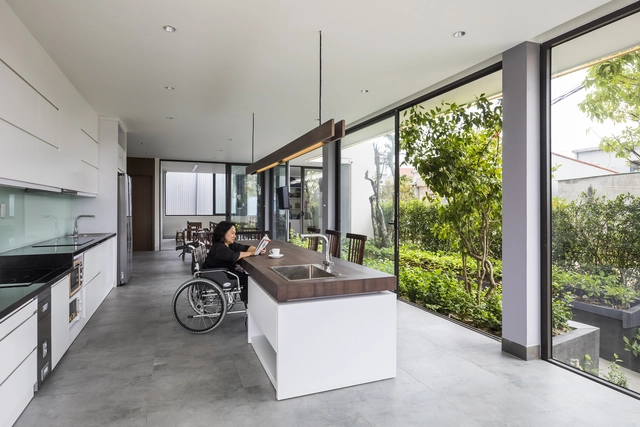
Over 13 million Brazilians live with a physical disability. Data from the Ministry of Health indicates that roughly 6% of the population has some form of compromised mobility and overall coordination due to the complete or partial impairment of one or more body segments. Designing more inclusive environments is key to eliminating architectural barriers, ensuring the integration of this entire demographic into social and cultural activities. During the month of the National Day of Persons with Physical Disabilities, we aim to combat prejudice and present universal design alternatives as a tool for change for architecture and urban planning professionals.
https://www.archdaily.com/1132138/designing-for-people-with-physical-disabilities-for-more-inclusive-and-accessible-spacesArchDaily Team
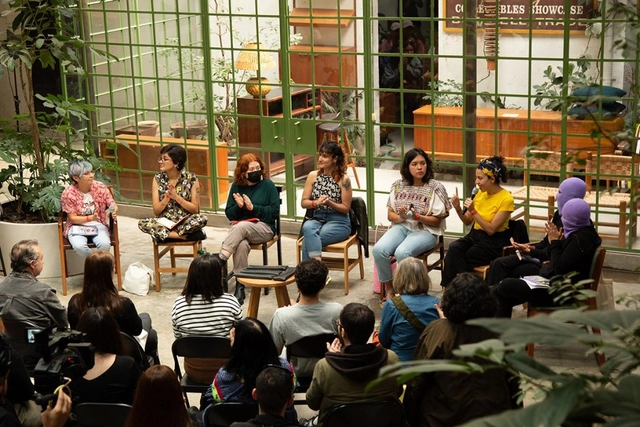
On October 19, 21, and 22, Laguna in Mexico City hosted the second edition of the first design festival created by Coolhuntermx, conceived by and for projects led by cis women, trans women, and dissident communities. This festival was conceived with an inclusive, diverse, and collective approach, curated by designers Andrea Soler and Taina Campos. Following a first edition filled with key learnings and shared knowledge, the objective remains the same: to serve as an inclusive platform for design proposals and other creative expressions seeking alternative dialogues to those taking place during Design Month. This year, various forums were held to address topics such as "Social and Community Impact," "Representation and Decision-Making," "Activism for Transformation," and "Design of Care." In addition, the "Voces Estudiantiles" (Student Voices) exhibition showcased posters addressing various contemporary topics being explored in universities. Similarly, a mural by Artsynonym and Flaminguettes captured some of the core concepts and guiding principles of the festival. The event also featured 'Mujeres de la Tierra' (Women of the Earth), a collective of Indigenous women who defend the land and their lives against violence: "we stand in solidarity with the struggle by planting, cooking, and sharing knowledge." Attendance and participation during the event were highly diverse, enriching the panels to foster a horizontal dialogue addressing specific concerns. It is increasingly necessary to create these spaces to bring visibility to the collective struggles resisting day-to-day dynamics. Therefore, if you were unable to attend, the full talks are available below on coolhuntermx's Twitch channel; simply click on the link for each session. DAY 1 Panel: Social and Community Impact WATCH THE RECORDING HERE The panel featured Alessandra Cireddu (Moderator): National Director of the Architecture Program, Tecnológico de Monterrey (@alitac); Talachas Girl (Speaker): EXCLUSIVE SERVICE FOR WOMEN AND LGBTQ+. Remodeling, interior design, recycling, savings, construction, and creation (@talachas.girl); CACEH. Marcelina Bautista (Speaker): Domestic worker for 22 years, currently director of CACEH, a civil society organization that empowers and professionalizes domestic workers (@caceh_nacional); and Colectiva Argamasa (Speaker): A women's collective seeking to coordinate the presence of women in spaces through cross-cutting architectural interventions (@colectiva_argamasa). Panel: Representation and Decision-Making WATCH THE RECORDING OF THE TALK HERE The panel featured Vulvísima, Avelina Fonseca (Moderator): Feminist activist, B.A. in Political Science from UNAM, specializing in emancipatory feminist economics and the social organization of care. Creator of Vulvísima (@vulvisima); AshbySolano (Speaker): Creative Direction. Digital Fabrication Jedi. Multidimensional creative being (@ashbysolano); GirlUp (Speaker): Passionate advocates for gender equality, sexual and reproductive rights, climate action, mental health, and other social injustice issues (@girlupmx); Marbella Figueroa (Speaker): Co-creator and collaborator of Afrochingonas, a self-managed project addressing and problematizing Afro-descent and racism in Mexico (@marbellabrilhinho); and Astra Lem (Speaker): Graphic designer and trans activism (@astra.lem). DAY 2 Panel: Activism for Transformation WATCH THE RECORDING OF THE TALK HERE The panel featured Dora Bartiloti (Moderator): Multimedia artist. She explores the material qualities of textiles and electronics as tactical mediums for feminist activism and collective action (@dorabartilotti); Zines por Morras (Speaker): The project aims to share experiences of harassment against lesbian and bisexual women in Mexico City (@zinespormorras); Alina Kiliwa (Speaker): "As a lettering artist, I seek to reclaim the sign-painting tradition and revalue the practice through participatory processes" (@alinakiliwa); Mi calle Nuestra Calle (Speaker): Urban laboratory of participatory futures [futures + feminist urbanism + community art] (@micalle_nuestracalle); and MOFA (Speaker): Feminist collective of young women from the urbanism, landscape, architecture, and industrial design programs at the Faculty of Architecture, UNAM (@mujeres_organizadas_fa). Panel: Design of Care WATCH THE RECORDING OF THE TALK HERE The panel featured Sofía Probert (Moderator): Illustrator. Through her work, she invites political and philosophical questioning around socio-environmental issues (@sofia.probert); Jovenas Comuneras de Milpa Alta. Daniela Moreno (Speaker): "We are a space for meeting and constructing action-participation to defend and care for our territories, land, and our existence within them" (@jovenascomuneras); Eli Caballero (Speaker): Environmental care and support for ADHD (@hazcompitas); Madres desobedientes (Speaker): Mothers parenting and transforming the world. Disseminating women's artistic projects and supporting feminist parenting (@madresdesobedientes); and Mariana Robles (Speaker): Gynecologist with a feminist perspective. Non-conscientious objector. Health at Every Size. Mom of two (@dra.mariana.robles). For more information, visit Diseña Mexicana.
The 1970’s were a dark time for New York City. While the economy was down, crime rates were at an all-time high. The negative public image also kept tourists away, driving the city into a financial crisis. To change perceptions about The Big Apple, the New York State Department for Economic Development approached advertising firm Wells Rich Greene to create an inviting marketing operation. After 45 years, the resulting I Love NY campaign remains fresh in the minds of locals and tourists, successfully revamping New York City’s brand. Cities across the world like Paris, Amsterdam and Jerusalem have similarly invested heavily in constructing magnetic brands for themselves.
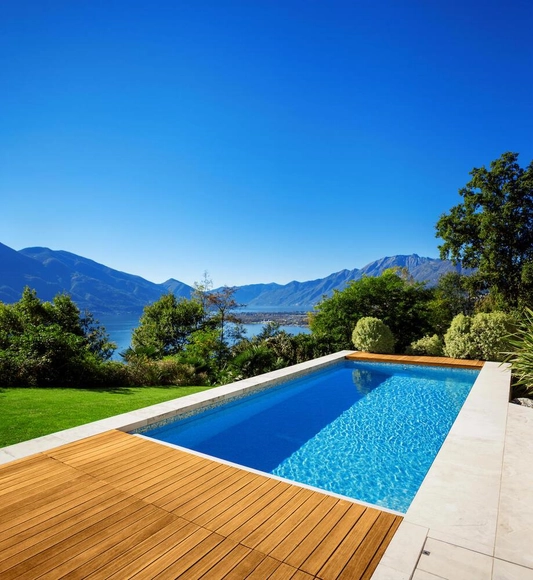
Beyond its shape, size, and location, the process of building a swimming pool involves selecting various technologies, solutions, and materials to achieve proper waterproofing. While we often focus on the exterior aesthetics of a pool, are we aware of what lies beneath its finishes? Much like an "iceberg effect," pool design and construction companies such as CREST have developed a range of essential products that lie below ground level, applied through four specific steps: surface preparation, finish installation, grouting, and maintenance.