1. ArchDaily
  2. Articles

Articles

Will Artificial Intelligence Replace Architects?

Subscriber Access | 

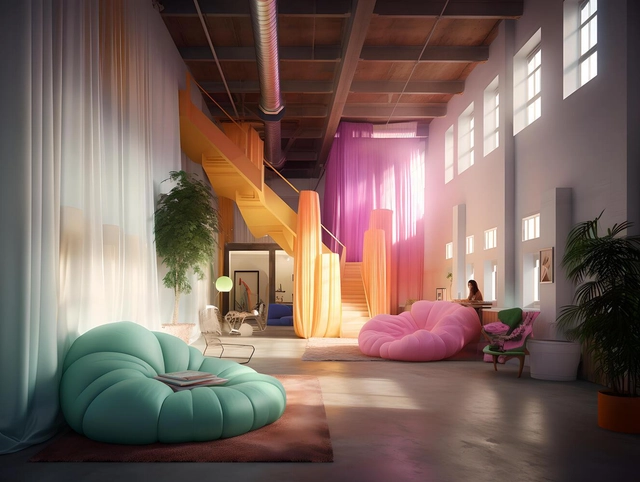
Will Artificial Intelligence replace architects in their roles? In the May 2023 edition of Building magazine, Thomas Lane suggests that AI has the potential to automate up to 37% of the tasks typically carried out by architects and engineers. This automation, though, is likely to target routine and less creative tasks, allowing professionals to concentrate on more strategic and imaginative aspects of their work.

Just as Revit and 3D software did not replace architects but only transformed their workflows, the same principle holds for AI tools. AI is poised to bring about new tasks, such as AI management, alongside existing responsibilities, signaling a shift in how architects work.

"You Can't Do Architecture Just with Architects": In Conversation with Oana Stănescu

Oana Stănescu is a Romanian architect, designer, writer, and educator, based in New York and Berlin, with a diverse portfolio of interventions around the world. Selected as part of 2023 New Practices by ArchDaily, the young architect recognizes the value of architecture as a discipline, but nevertheless acknowledges that architecture cannot single-handedly resolve the complex challenges of our world. “Architecture is most powerful when recognized as part of a larger system, rather than being solely self-serving”, she adds in her conversation with ArchDaily’s Managing Editor, Christele Harrouk. In this way, Oana views architecture as a key player in a broader context, working to address significant societal issues.

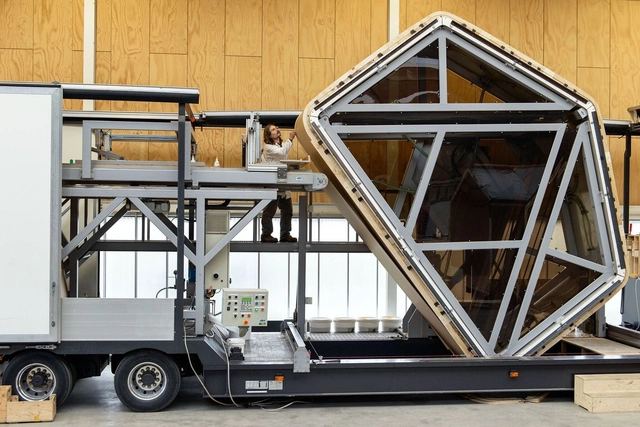
With several ongoing projects, from the rehabilitation of an existing industrial infrastructure in Romania, to an integrated house within its natural environment in Canada, Oana’s creative process is centered on a commitment to serve people. Watch the full interview and discover below key insights from the conversation.

"You Can't Do Architecture Just with Architects": In Conversation with Oana Stănescu - Image 1 of 4"You Can't Do Architecture Just with Architects": In Conversation with Oana Stănescu - Image 2 of 4"You Can't Do Architecture Just with Architects": In Conversation with Oana Stănescu - Image 3 of 4"You Can't Do Architecture Just with Architects": In Conversation with Oana Stănescu - Image 4 of 4You Can't Do Architecture Just with Architects: In Conversation with Oana Stănescu - More Images+ 19

Winners of the BANL XXII - Nuevo León Architecture Biennial 2023

Subscriber Access | 

The winners of the XXII Bienal del Colegio de Arquitectos de Nuevo León in Monterrey have been announced. Under the theme "Coherence," this edition's discourse proposes establishing dialogues and expressions to recognize the correct expressive and material act of architecture in practice. The biennial seeks to acknowledge how both architectural objects and urban projects operate under the following categories: social coherence, ethical coherence, strategic coherence, participatory coherence, productive coherence, and material coherence.

How New Technologies Are Evolving to Embrace Sustainability in Architecture

 | Sponsored Content

When we talk about technology, we often think of robots, supercomputers, data centers or smartphones. But technology also refers to the invention of the first chipped stone tools or the development of the steam engine, which brought about the first Industrial Revolution. The term comes from the combination of the Greek words techne (art, craft) and logos (word, speech) and is nothing more than the application of knowledge to achieve goals in a specific and reproducible way, for practical purposes. In the construction industry, which moves large amounts of resources and people, more technology means incorporating new methods, tools, automation and software that can improve efficiency. As a historically innovation-resistant industry, the construction sector has a huge impact on the environment due to its carbon emissions and exploitation of raw materials. However, as it turns to the digital world, builders have seen technology as a means to optimize practices and identify, build, and manage their projects.

Customizable Bathroom Fittings With Re-Purposed and Crystal Glass Materials

 | Sponsored Content

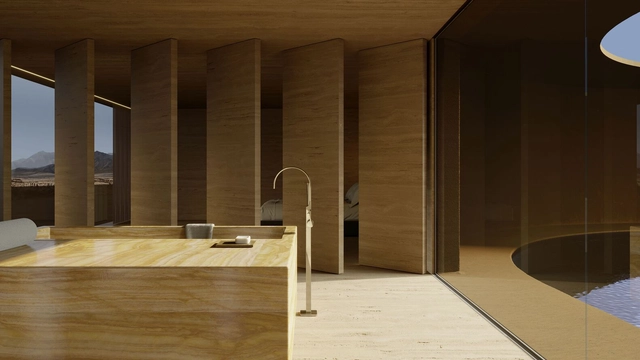
In addition to contributing to the functionality of the space, bathroom fittings underlie the overall aesthetics of a chosen design style. Within their technical features –as well as the possible materials, finishes, and styles–, fittings play a role in both the visual appeal of a space, while also focusing on comfort and user experience. This is part of Dornbracht's continuous re-imagination of bathrooms as living spaces, in which the brand seeks to create innovative solutions based on proportion, precision, progressiveness, performance, and personality.

Among Dornbracht’s series, the MEM collection includes a complete selection of minimalist bathroom fittings for washstands, showers, and tubs. In collaboration with ethical design brand Nature Squared and Italian craft manufacturer Glass Design, the collection’s original design has been enriched with versatile new features for customizing bathrooms. These features are created through the combination of high-quality materials with sustainable craftsmanship and the incorporation of futuristic artistic crystal glass.

Desert Island Digs: Retreats and Resorts With Water All Around

Subscriber Access | 

When designing and building an island getaway paradise there are certain creature comforts expected by even the most back-to-basics visitor, to find peace and comfort in an inaccessible environment – like food, shelter, clean water, and a way to contact the mainland – but doing so requires a careful balance between making these least-visited places on Earth both habitable and hospitable, without destroying them or their serenity in the process.

Bringing Life To Interior Walls with Luminous Panels

 | Sponsored Content

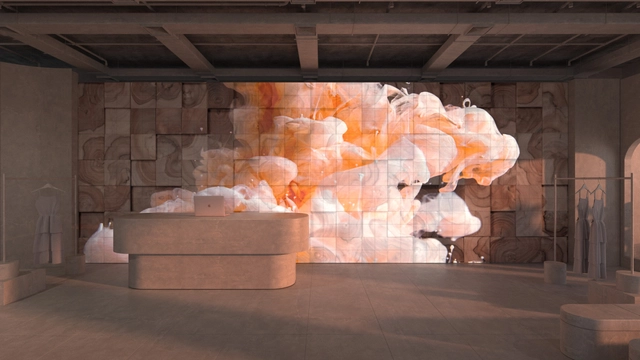
As the realm of interior design continues to evolve with new technologies, "living walls" have emerged as an innovative new concept. The new ArtMorph luminous wall panel is a one-of-a-kind product that deftly combines lighting and display technology with the added benefit of a unique texture selection. Its adaptability and customizable solutions allow it to blend into an array of environments, opening up possibilities for interiors that elevate visual storytelling, going beyond the constraints of traditional design.

The Supporters' Newsletter - Issue #5

Subscriber Access | 

At ArchDaily, we face the constant challenge of staying up-to-date with what's new, while also not forgetting the valuable learnings from the past.

This is why on every journey we take when developing a new article for you, especially on new materials and construction system, we must ask ourselves: Has this been done before? How was it made? What's new in what we are presenting? How do we connect innovation with what we already know, with the essence of architecture?

The Digital Divide: Can Technology Support Vernacular Architecture?

Subscriber Access | 
Audio available

The architecture and construction industry has undergone a transformation with the integration of various digital tools, now indispensable to the design process. The welcoming of technologies has effectively streamlined operations, enhanced efficiency, and elevated design quality. This digital shift, however, has resulted in a digital divide that goes beyond accessibility to tools and software. It also encompasses the crucial aspect of integrating traditional and indigenous communities into the urban development landscape. Can advancing technology support the growth of vernacular architecture? Can indigenous building practices find a place in the vision for a digitalized future?

The Digital Divide: Can Technology Support Vernacular Architecture? - Image 1 of 4The Digital Divide: Can Technology Support Vernacular Architecture? - Image 2 of 4The Digital Divide: Can Technology Support Vernacular Architecture? - Image 3 of 4The Digital Divide: Can Technology Support Vernacular Architecture? - Image 4 of 4The Digital Divide: Can Technology Support Vernacular Architecture? - More Images+ 1

Balancing Neoclassical and Futuristic Design: The Utopian Dream Bathroom Concept

 | Sponsored Content

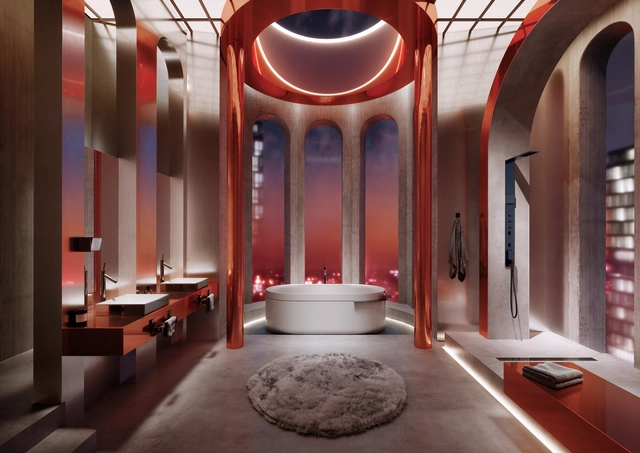
Nowadays, the term “utopia” is used to describe an idea that seems unattainable —at least in the contemporary context— intrinsically related to philosophical, scientific, urbanistic, and architectural concepts, among others. The close connection between utopias and architecture is evident, as this discipline is often associated with imagination. Some notable examples include “The Unreliable Utopia of Auroville's Architecture” and “The City in Space: A Utopia by Ricardo Bofill. In this context, architects and designers alike use design as a means to develop innovative and disruptive ideas through various elements.

Although considered an idealized concept that does not exist, some designers have ventured into exploring the notion of utopia. AXOR, in conjunction with the Valencia-based design studio Masquespacio, has turned the page by conceiving and bringing to reality a new bathroom concept for a unique hotel suite that embodies their vision of personal luxury. Titled “Utopian Dream”, this design response blends vibrant colors with unexpected details, a combination that this duo defines as a mystic experience above the clouds.

P+ Construction Materials Passport: A Platform for Circular Architecture

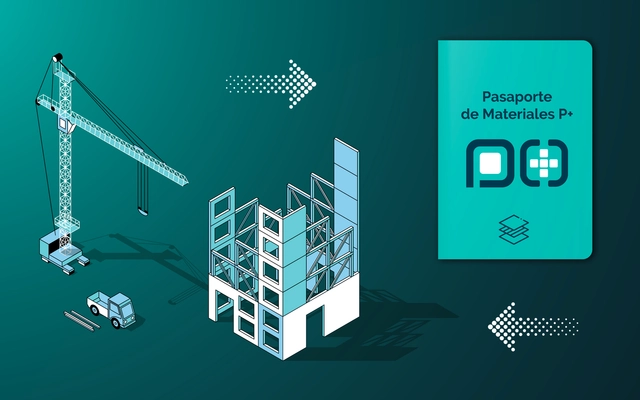
Launched in 2023 and developed by the Technological Center for Innovation in Construction (CTEC) and the Chile Green Building Council, the P+ Material Passport for Construction Platform enables the registration, characterization, and traceability of building materials and components throughout their lifespan.

A Mindset of Revival: Exploring Reuse in Urban Biennales and Pavilions

Subscriber Access | 

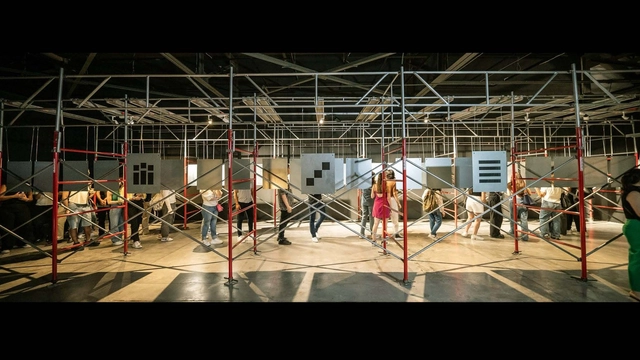
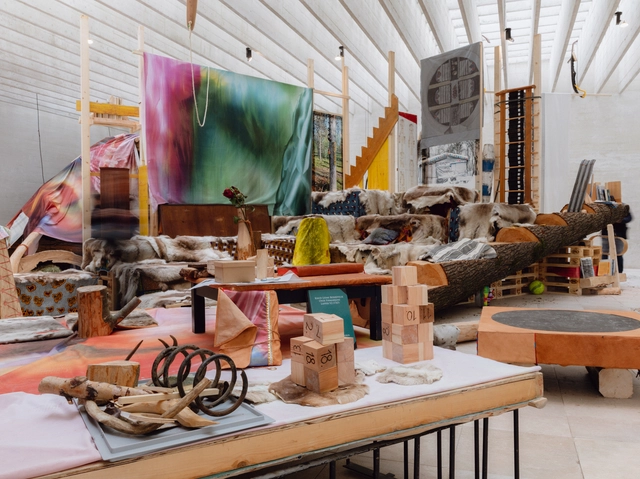
In light of the looming climate crisis and the pursuit of sustainability, the concepts of revival and reuse have emerged as crucial strategies in the quest for decarbonization in the architecture industry. These principles preach that creating new structures may be sustainable but encourage architects to minimize their ecological footprint by reactivating and recycling existing resources. This year specifically, innovative projects in line with these themes were displayed as part of the 18th International Architecture Exhibition – La Biennale di Venezia. This world-renowned event’s core purpose is to serve as a platform for architects, designers, and thinkers to collectively reimagine sustainability, decarbonization, resource conservation, and the industry's future.

 A Mindset of Revival: Exploring Reuse in Urban Biennales and Pavilions - Image 1 of 4 A Mindset of Revival: Exploring Reuse in Urban Biennales and Pavilions - Image 2 of 4 A Mindset of Revival: Exploring Reuse in Urban Biennales and Pavilions - Image 3 of 4 A Mindset of Revival: Exploring Reuse in Urban Biennales and Pavilions - Image 4 of 4 A Mindset of Revival: Exploring Reuse in Urban Biennales and Pavilions - More Images+ 5

10 Houses with Sofas Built in to the Architecture

Subscriber Access | 

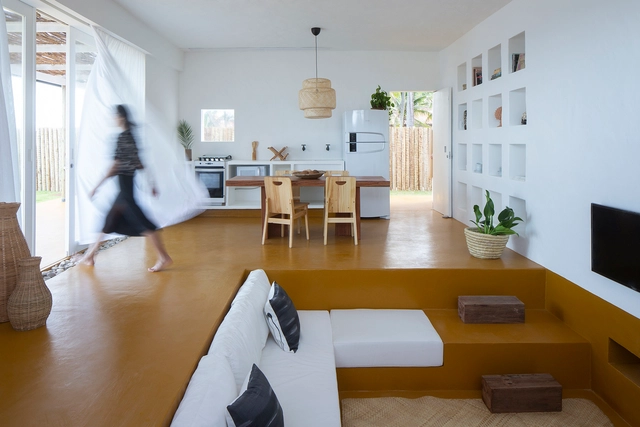
Implemented as a means to take full advantage of space, built-in furniture has grown in popularity as well as ingenuity as designers tackle the needs and tastes of a wide range of users. It's ability to adapt and integrate into architectural spaces allows it, through a variety of configurations and materials, to fulfill various functions; however, this poses an interesting question. Is it truly the furniture that adapts to our living spaces? Could it not itself become the protagonist and creator of the spaces that we project?

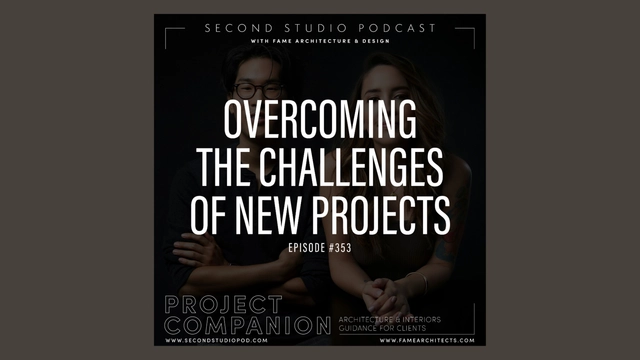
The Second Studio Podcast: Overcoming the Challenges of New Projects

The Second Studio (formerly The Midnight Charette) is an explicit podcast about design, architecture, and the everyday. Hosted by Architects David Lee and Marina Bourderonnet, it features different creative professionals in unscripted conversations that allow for thoughtful takes and personal discussions.

A variety of subjects are covered with honesty and humor: some episodes are interviews, while others are tips for fellow designers, reviews of buildings and other projects, or casual explorations of everyday life and design. The Second Studio is also available on iTunes, Spotify, and YouTube.

This week David and Marina of FAME Architecture & Design discuss one of the ways they begin projects with new clients with their Project Starter Service. Embarking on a project can be daunting for those unfamiliar with the architecture, design, and construction industry. The initial onboarding phase—prior to the contract being awarded—also poses challenges for architects and professionals. In this episode, they discuss one way to have a smoother start for everyone that establishes a strong foundation for the project to build on.

Neuroarchitecture and the patient's final journey: the hospice space

Subscriber Access | 

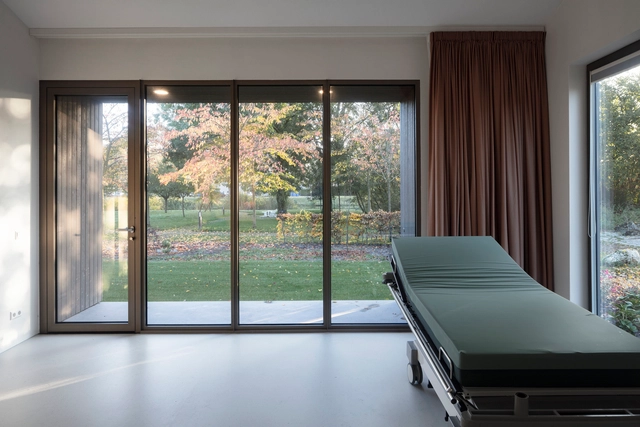
Hospice care is a specialized form of palliative care that seeks to provide comfort and quality of life to patients facing serious and terminal illnesses. These environments play a crucial role in the patient's final journey, and the intersection of neuroscience and architecture can be a powerful tool to make them even more welcoming. In these settings, neuroscience applied to architecture can be used to design spaces that promote the emotional and physical well-being of patients.

Are our cities meeting the demands of babies and children?

Subscriber Access | 

More than one billion babies and children live in urban environments. However, the way cities are planned fails to consider their needs, or those of the people responsible for their care. To support decision-makers, urban planners, and transportation professionals in improving access to urban opportunities for thousands of Brazilian children, ITDP Brasil has launched Access for Babies, Toddlers, and Caregivers, developed in partnership with the Bernard van Leer Foundation.

How to Renovate Interior Spaces on a Budget

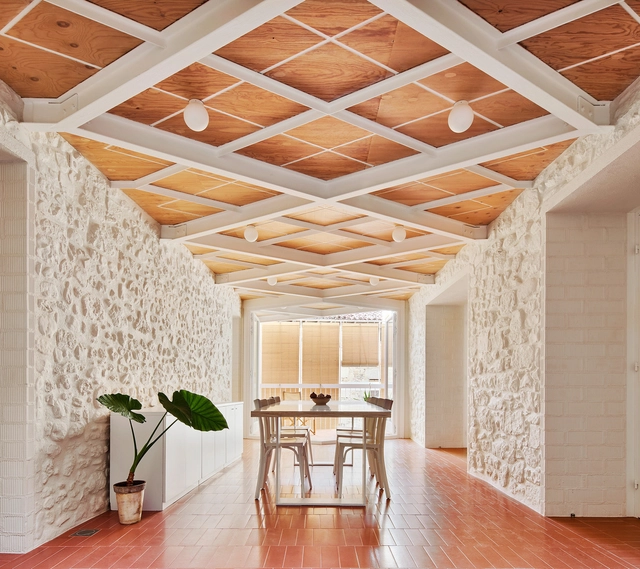
Perhaps one of the most common phrases you'll hear when talking about interior renovations is "whatever you initially planned on spending, double it, and double the time with it". Renovations, regardless of their scale, can be very time consuming and costly, especially when unexpected changes pop up last minute. However, we are often met with situations where the interior layout is no longer efficient or we feel that the interior design is a little outdated and its time for a change. 

Giving your space an upgrade does not necessarily mean spending all your savings, and spending less does not necessarily mean low quality work. From doing the construction work yourself, to giving furniture pieces completely new functions, here are different ways you can renovate residential and commercial interior spaces without breaking the bank.
How to Renovate Interior Spaces on a Budget  - Image 1 of 4How to Renovate Interior Spaces on a Budget  - Image 2 of 4How to Renovate Interior Spaces on a Budget  - Image 3 of 4How to Renovate Interior Spaces on a Budget  - Image 4 of 4How to Renovate Interior Spaces on a Budget  - More Images+ 22

What Are the Sustainable Demolition Strategies That Can Decarbonize Architecture?

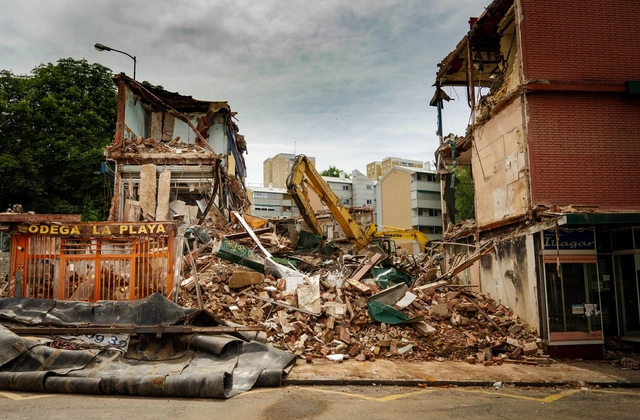
The built environment is responsible for approximately 42% of annual global CO2 emissions. During a building's lifespan, half of these emissions come from its construction and demolition. To decarbonize architecture and control global emissions, it is important to rethink and reduce the upfront or embodied carbon impacts of demolitions, as well as implement sustainable construction strategies for buildings. Demolitions typically involve dismantling, razing, destroying, or wrecking buildings and structural parts, leading to unsustainable levels of carbon emissions, material depletion, waste, and pollution. These hasty methods of ending the life cycle of a building have negative impacts on the environment, material components, and recycling strategies. Therefore, there is a clear need to re-think the way in which we approach the end of a building or infrastructure project's life towards a more sustainable system of deconstruction.

What Are the Sustainable Demolition Strategies That Can Decarbonize Architecture? - Featured ImageWhat Are the Sustainable Demolition Strategies That Can Decarbonize Architecture? - Image 1 of 4What Are the Sustainable Demolition Strategies That Can Decarbonize Architecture? - Image 2 of 4What Are the Sustainable Demolition Strategies That Can Decarbonize Architecture? - Image 3 of 4What Are the Sustainable Demolition Strategies That Can Decarbonize Architecture? - More Images+ 6