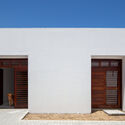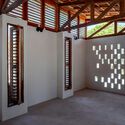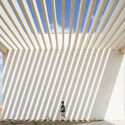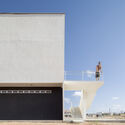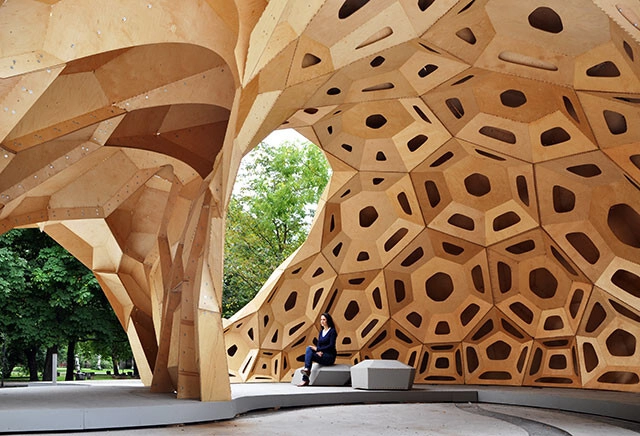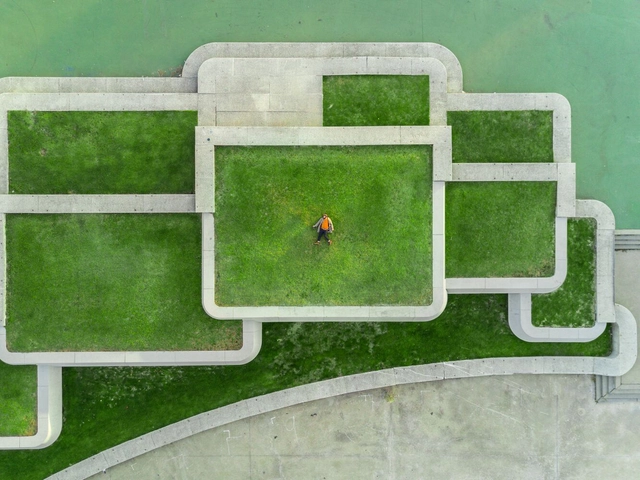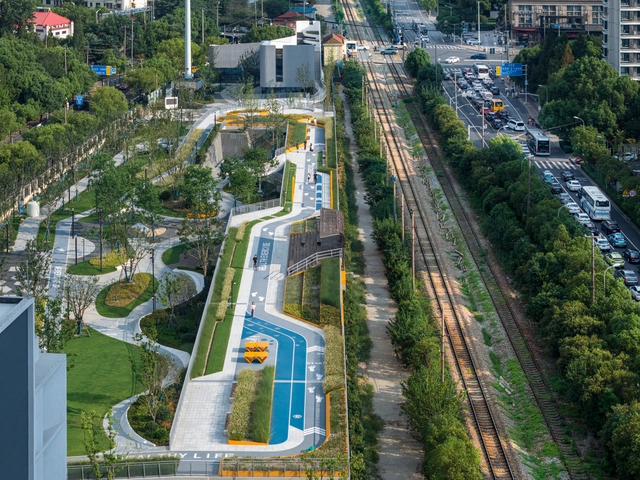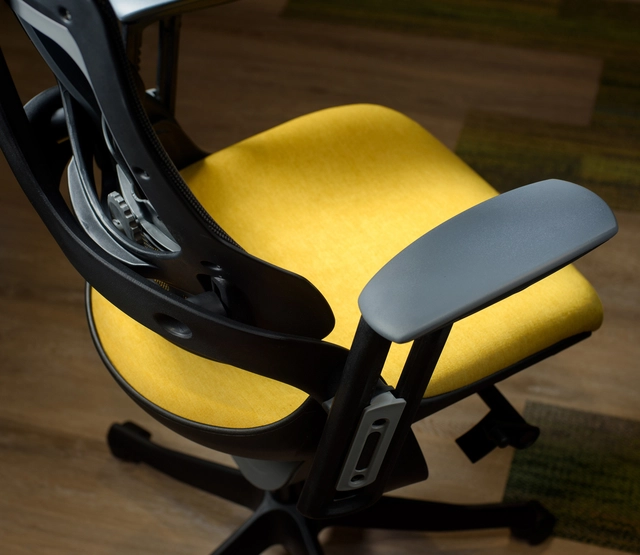
Architecture is a process-centered discipline. From the design phase that brings ideas to life and transforms them into detailed designs, to the creation of materials and products that shape spaces, processes are intrinsically present in various architectural manifestations, each contributing its own value. Although they may sometimes seem secondary, their relevance remains constant and indisputable.
While manual processes remain relevant, the efficiency achieved through industrial technology has transformed our perception of workspaces, which now demand a greater balance between the aesthetic and functional qualities of furniture, as well as greater flexibility in spatial layouts. In this context, Mexican company PM STEELE® has integrated advanced machinery and infrastructure into its facilities to streamline the design process, enabling the manufacture of high-value products and making it possible to furnish office projects more efficiently.