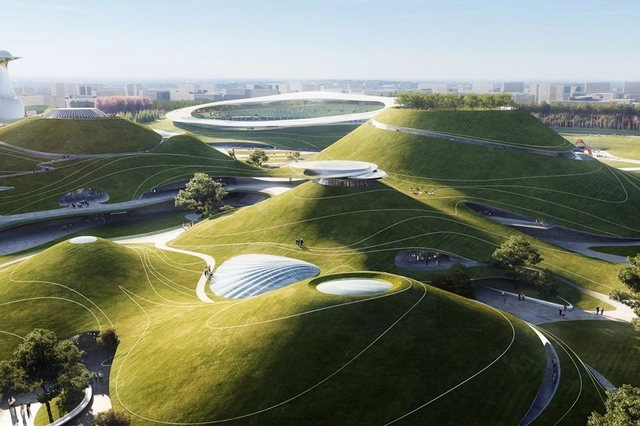
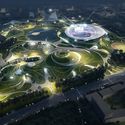
Quzhou Sports Campus. Image Courtesy of MAD Architects
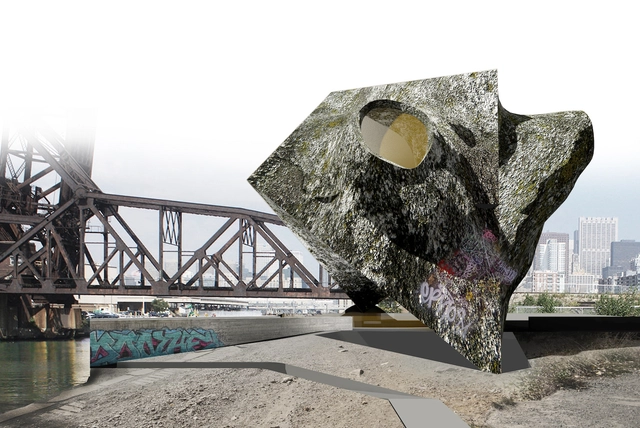
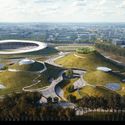
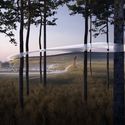
MAD Architects have officially begun construction on the QuzhouSports Campus in China. Led by the Ma Yansong, the team designed the campus as a futuristic landscape with mountains and a lake conceived as a sunken garden. The design connects to the historic city as a surreal, ethereal and tranquil landscape. The 700,000 sqm sports campus combines the functions of a sports park with natural and organic forms to embrace thousands of years of history and culture in Zhejiang.
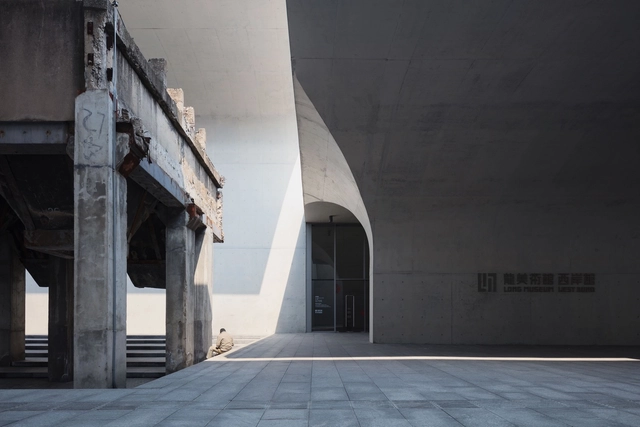
The shortlist for the 2018 Architectural Photography Awards have been revealed, bringing together 20 atmospheric images of the built environment. Categories this year ranged from a “portfolio of an individual building to a single abstract: with a professional camera or on a mobile phone.”
The 2018 edition saw a record number of entries, with photographs from 47 countries, including the UK (28%), USA (20%), Germany (6%), and China (5%). The 20 photographs were selected from four categories: exteriors, interiors, sense of place, and buildings in use.
https://www.archdaily.com/903008/shortlist-for-the-2018-architectural-photography-awards-revealedNiall Patrick Walsh
Over the past few months, Quintana Roo's coast has been overtaken by an invasion of seaweed that has put the locals to work cleaning up the beaches as the weeds wash ashore. The work is an exhausting day-to-day ordeal and while the cause of the invasion is still unknown, many point to the changes in climate impacting the Atlantic Ocean.
Founded by Juan Benavides in 2014, FILMATICA is an architectural film studio dedicated to making videos with a curatorial focus. The selection of projects is carried out in order to empathize with the formal interests of the studio, responding to aesthetic spatial conditions surrounded by powerful landscapes. With this in mind, FILMATICA makes a series of narratives that highlight architecture, time, movement, and our journey through the world. Below, a compilation of videos of contemporary architectural works narrated through the lens of Juan Benavides and the FILMATICA team.
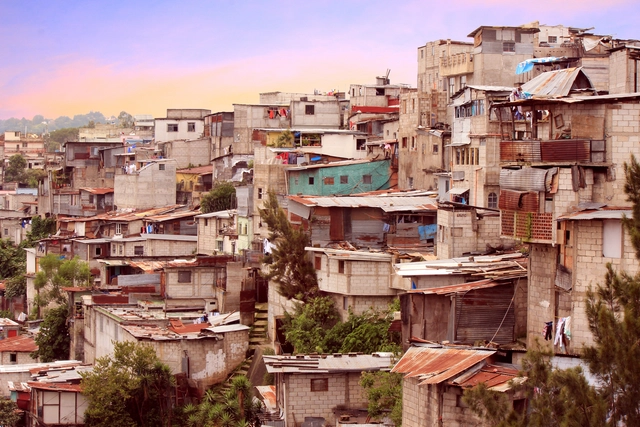
Guatemala City "favela" type housing near downtown. Image via Shutterstock
Slum. Shanty Town. Favela. Ghetto. Barrio Marginal. Bidonville. The list goes on.
We have the foresight to understand and predict that demand for shelter in urban environments will continue to expand, perhaps indefinitely, but certainly until the highly-cited prediction that by 2050, more than two-thirds of the global population will live in cities. With this reality, is it time to reassess the way in which we talk about different forms of urbanization?
The renowned architecture firm Zaha Hadid Architects has announced its first exhibition in Latin America, which will take place at the Museo Universitario de Arte Contemporáneo (MUAC) on the campus of the Universidad Nacional Autónoma de México (UNAM). The exhibition, titled Design as Second Nature, will showcase several projects by architect Zaha Hadid through models, audiovisual materials, paintings, and photographs, exploring the creative process of her practice and highlighting the importance and complexity of design as the central axis connecting form and construction in her work.
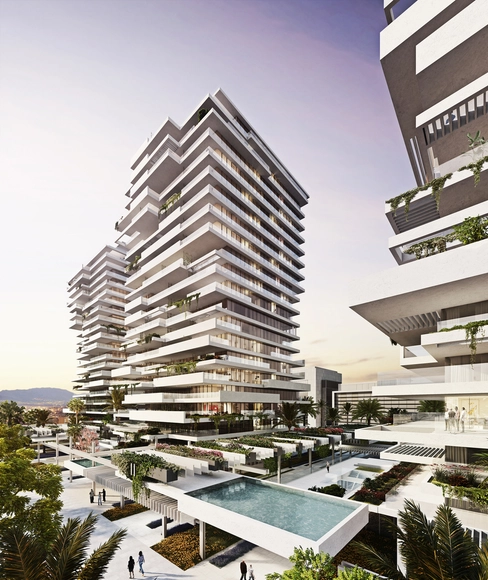
Estudio Lamela has unveiled the design for the Torre del Río project in Málaga, Spain. The residential complex comprises three 21-story towers featuring apartments where the living rooms and master bedrooms enjoy direct views of the Mediterranean Sea.
“The project pays meticulous attention to the layout of public open spaces surrounding the towers, connecting them to the buildings' communal areas through different volumes,” the firm explains.
https://www.archdaily.com/1114410/estudio-lamela-wins-competition-to-design-torre-del-rio-in-malagaArchDaily Team
Overall Winner: "HAPPI: Integrated Apparatus" by Massimilian Orzi, Studio Orzi. Image Courtesy of arch out loud
Architectural research initiative ‘arch out loud’ has announced the winners of the HOME competition. Entrants were asked to answer the question: ‘What is the future of HOME?’ A winner was identified for each category: Overall, Innovation, Adaptability, and Pragmatism.
As changes in global circumstances give rise to new design and living trends, the traditional definition of the home as a private place of permanence and stability has altered to accommodate these transitions. The competitors were asked to consider these changes, such as the impact of population shifts, the unpredictability of our changing ecosystem, contemporary forms of community housing and community relations, and newly engineered materials.
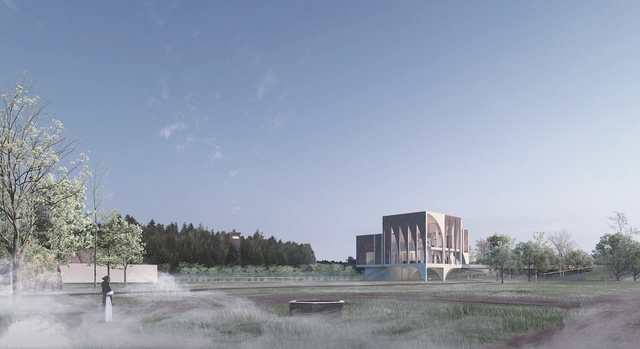
Denmark’s natural landscape along the shoreline of Mossø lake was once home to a vibrant monastic community. All that remains are ruins and unearthed artifacts - the reminisce of an active, self-sustaining monastic compound.
Galmstrup, a London-based architecture firm that specializes in community and cultural projects, has designed a gallery building to house the excavated archaeological objects and remains on site – maintaining the strong connection between the ruins and the growing collection of artifacts.
After carefully deliberating in their annual session, UNESCO's World Heritage Committee selected 19 new sites to inscribe on the World Heritage List in the city of Manama in Bahrain. Featuring 13 cultural sites such as Buddhist mountain monasteries in Korea, the industrial city of Ivrea in Italy, and the Caliphate city of Medina Azahara in Spain, alongside three natural sites and three mixed sites (classified as both cultural and natural heritage), the list now aggregates to 1092 sites in 167 countries.
From the historical Sultan Ahmed Mosque in Istanbul to the contemporary city of Brasilia orchestrated by Oscar Niemeyer, the World Heritage List has continuously exhibited varied examples of architecture and urban planning from different eras and movements from around the world. Amongst the new additions, there are several sites of religious importance, city organization, and natural conservation.
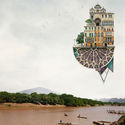
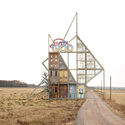
Matthias Jung's "Houses" series depicts finely stitched architectural facades against the picturesque landscapes of Northern Germany to create surreal architecture. Commencing as a childhood pastime in his father's photo lab, his passion for collaging has evolved into his career as a designer and artist.
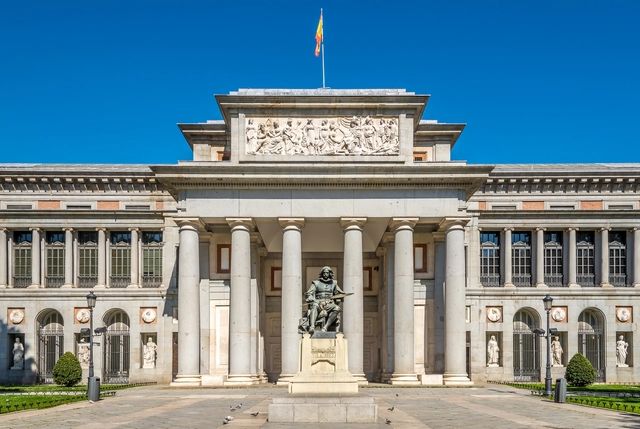
The Prado Museum is currently preparing the events to commemorate its bicentennial, which will officially begin on November 19, marking 199 years since its inauguration.
However, despite the celebratory atmosphere surrounding this major milestone, water flow and the water table beneath the foundations of this landmark building—designed by architect Juan de Villanueva and recently expanded by Navarrese architect Rafael Moneo—are a source of concern. In 2014, these issues had already caused leaks, cracks, and dampness.
https://www.archdaily.com/1114903/water-the-invisible-threat-to-the-prado-museumJavier García Librero
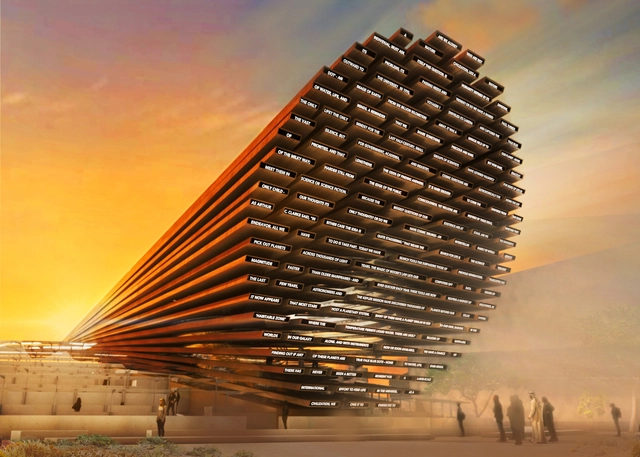
For the Dubai 2020 Expo, the United Arab Emirates and Sheikh Mohammed bin Rashid, Vice President and Ruler of Dubai, selected the theme Connecting Minds, Creating the Future. Organized around ideas of Sustainability, Mobility and Opportunity, the next world Expo will be the first to be held in the Middle East, North Africa and South Asia region. Organised every five years, the world expo lasts six months and is created as a global destination for millions of people to share ideas, showcase innovation, encourage collaboration and celebrate human ingenuity.
“Architects don’t even look at it as an opportunity to put any living experience there…we can open that up” muses Sankarshan Murthy, former Tesla and Apple Watch engineer.
As humans inhabit ever-tighter living arrangements, Murthy’s start-up “Bumblebee Spaces” takes a novel approach: put everything in the ceiling.
https://www.archdaily.com/902937/robotics-start-up-proposes-smart-motorized-ceiling-furnitureNiall Patrick Walsh
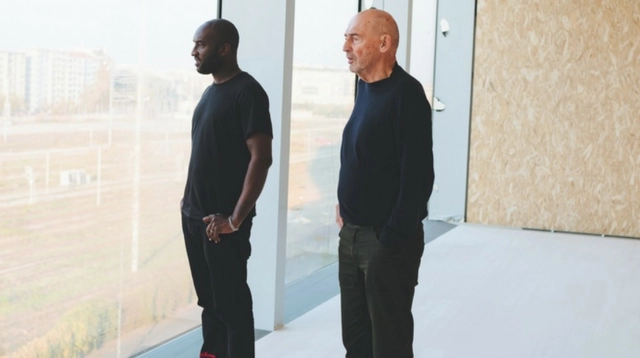
System Magazine and Buro 24/7 recently brought together Virgil Abloh and Rem Koolhaas to discuss contemporary consumerism and millennial design. Abloh, a rising American fashion designer and artistic director at Louis Vuitton, explains how his background in architecture has shaped his research into consumerism and culture. Koolhaas expands the discussion to explore Abloh's work with IKEA and his thoughts on residential design and the future of work.
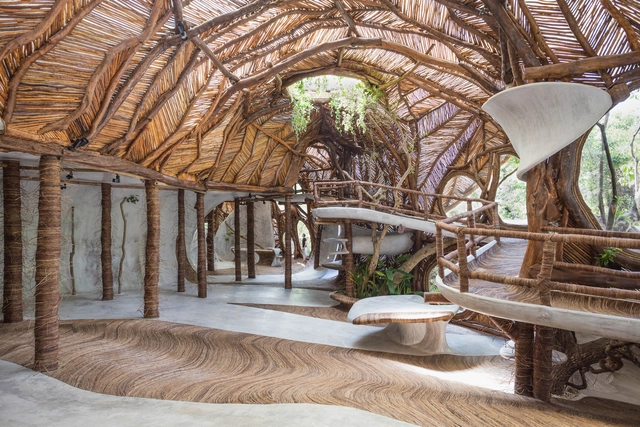
Wood has been an indispensable material in the history of civilization. Different regions from around the world have used it for specific climatic conditions. Mexico, as we have mentioned on several occasions, is an extensive country where different climates, resources and ways of life fit. Therefore the application of wood in architecture has been developed in a number of ways, from its structural use to produce roofs for Mayan huts to projects that seek to revive vernacular architecture.
While the handling of this material is difficult due to its specific detail management, it presents a multitude of benefits from its aesthetic appeal, air circulation, and even smell. Take a look at 16 Mexican projects that use wood in wondrous ways.
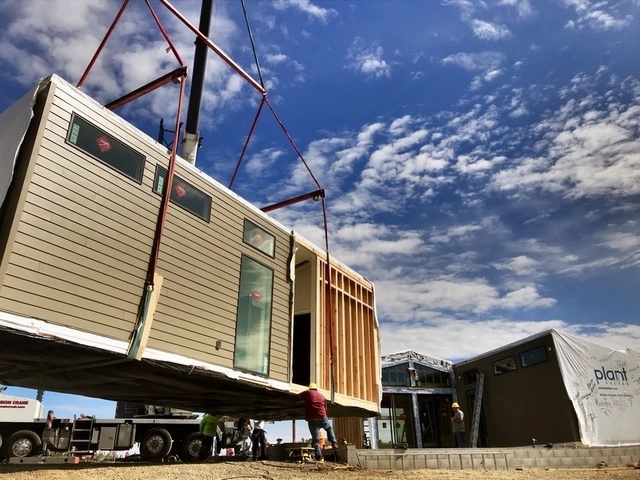
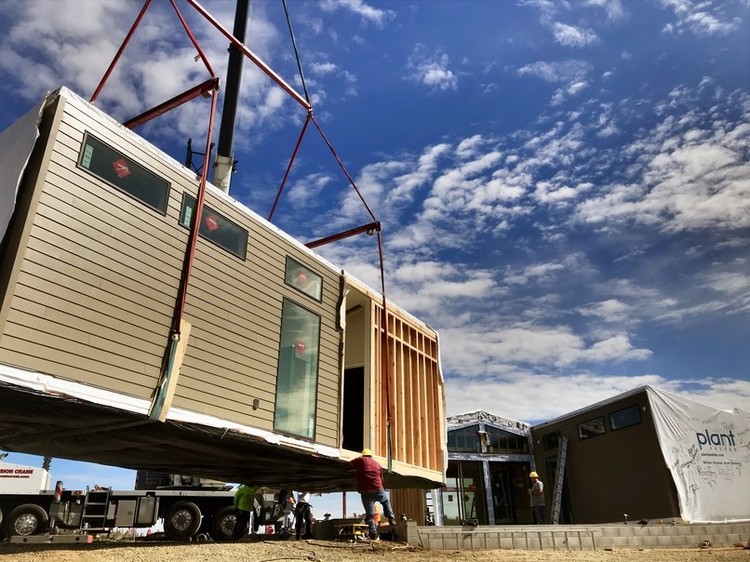
As the tech giant's first move into prefab construction, Amazon has invested in home-building start-up Plant PreFab. Known for smart home technology and sustainable construction, Plant PreFab is based in Rialto, California and is set to become the latest addition in Amazon's Alexa-integrated homes. As CNBC reports, Amazon's Alexa Fund invested in Plant PreFab for their prefabricated single and multifamily houses and their plan to use automation to build homes faster at lower costs.









.jpg?1538155856&format=webp&width=640&height=580)

.jpg?1538159899)

.jpg?1538155856)