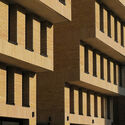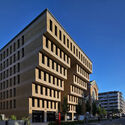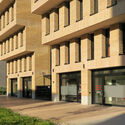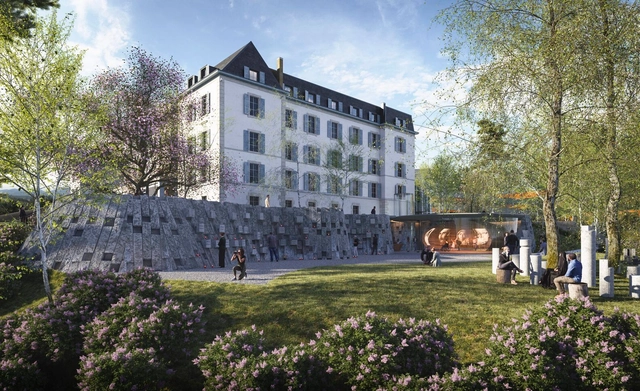
Chilean architect Cazu Zegers has been chosen to design a memorial garden at the Red Cross headquarters. In the architect's own words, this project "aims to showcase the selfless efforts of those who have become martyrs of the Red Cross."
Chilean architect Cazu Zegers has been chosen to design a memorial garden at the Red Cross headquarters. In the architect's own words, this project "aims to showcase the selfless efforts of those who have become martyrs of the Red Cross."
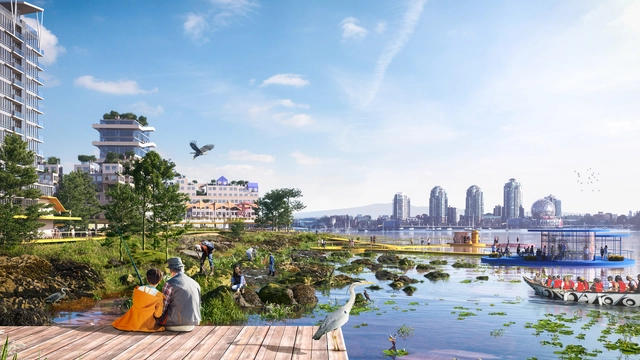
Architects, urban planners, and researchers from around the world are working on solutions to address the rising threat of climate change and climate-induced rise in sea levels and storm surges. Among them, MVRDV, as part of the North Creek Collective, has released a series of proposals for the city of Vancouver, mapping out possible adaptations of waterfront buildings, landscape, and infrastructure. On a similar note, a group of researchers led by Adrian Lahoud has developed the Second Sea Calculator, a digital tool that estimates the financial damages owned to coastal cities by different nations, while Human Climate Horizons has developed a platform for visualizing how different levels of global heating will affect people’s lives.
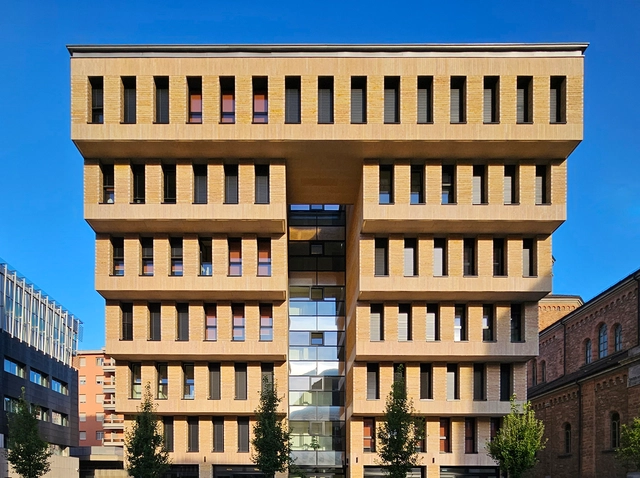
In the center of the city of Lugano, Switzerland, architect Mario Botta has designed a new housing solution on the foundations of the former Cinema Teatro Cittadella. Captured by Paul Clemence, this photo series displays the new residence in a city rich with an artistic and cultural past. The residential complex is located near the ancient basilica of the Sacred Heart of Lugano, nestled in a quiet area away from city traffic.
This year’s Danish Pavilion at The 18th International Architecture Exhibition – La Biennale di Venezia, was curated by Josephine Michau. Titled “Coastal Imaginaries,” the exhibition addresses solutions to alleviate global challenges such as rising sea levels and storm floods. Onsite in Venice, ArchDaily had the chance to speak with the curator Josephine Michau, where she discussed the thought process behind the pavilion, the collaborations, and her hopes of starting meaningful dialogue as a result of the exhibition.
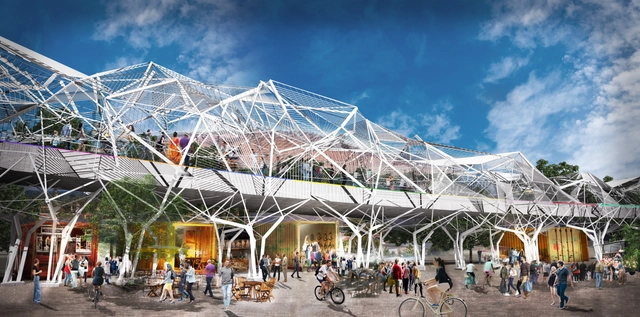
Architect Antoine Predock has unveiled his vision for the Albuquerque Rail Trail, a multi-use trail that will connect key destinations in the greater downtown area of New Mexico’s largest city. The project set out to combine the utility of pedestrian and bicycle pathways with the culture and history of the lands, encouraging healthy recreation, cultural expression and economic development. The Rail Trail project is of the Mayor’s Institute on City Design, Just City Mayoral Fellowship.
Today is the premiere of the first episode of a new documentary series that explores the projects of Al Borde. Titled "Building with Living Trees", this first instalment highlights the stories behind Casa Jardín (Garden House), a single-family home located in the suburban area of Quito, Ecuador.
Designed for an ecologist named José, the residence is developed into three small independent pavilions with hybrid structures that combine living trees with various construction systems. These structures utilize a vernacular technique of living fences that has been employed in the Andes since ancient times, showcasing a genuine pursuit of coexistence between architecture and nature.

Architecture as a profession is both deeply rooted in the past and driven by innovation. During the past few years, we have seen technology advancing at an unprecedented pace, developing tools and systems that change the way we understand the world. Digital spaces are becoming an accessible reality, as the metaverse is promising to enhance human interaction. Other digital tools such as robotic construction technologies, AI-generated images, and immersive virtual-reality equipment are likely to have a direct impact on the construction industry.
These topics are addressed by forward-looking architects, designers, and building industry professionals. Among others, contemporary artist Krista Kim talks about the economy of the metaverse, architect Alper Derinboğaz draws attention to the challenges facing the new generations of architects, and ICON founder Jason Ballard reveals the implications of technological innovations.
At the 18th International Architecture Exhibition – La Biennale di Venezia, Karin Sander, and Philip Ursprung curated the Swiss Pavilion “Neighbors”. In her interview with Louisiana Channel, Karin Sander talks about expanding the understanding of the pavilion, reimagining the connected role of architecture and art, and explaining her artistic process. “Neighbors” was focused on spatial proximity between the Swiss Pavilion and its Venezuelan neighbor. Sander highlights also the conversation between the two structures, that became possible after the removal of a separating wall.
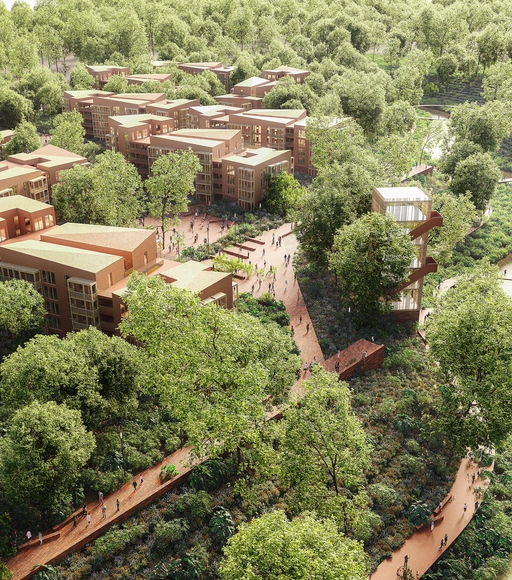
The Mayor's Office of Bucaramanga, together with the Colombian Society of Architects, sought innovative proposals for the orderly and sustainable development of Bucaramanga's urban peripheries in Colombia. Through viable, long-term management, financial, social participation, and regulatory models, the initiative aimed to foster the creation of a “Nuevo Norte” (New North) as a key central hub for the city and its metropolitan area, serving as an epicenter for inclusive, cohesive, productive, biodiverse, connected communities with high-quality habitats.
The public ideas competition for the territorial occupation model of the municipality's North Border aimed to gather urban proposals that integrate the needs and opportunities of both rural and urban environments. In this competition, the jury—composed of José Alejandro Gómez Suárez, Giovanna Vittoria Spera Velásquez, Helga María Rivas Ardila, Diana Wiesner Ceballos, and Manuel Sánchez Ruiz—awarded first prize to TA – El Taller De Arquitectos. Read on to learn more about the winning project.
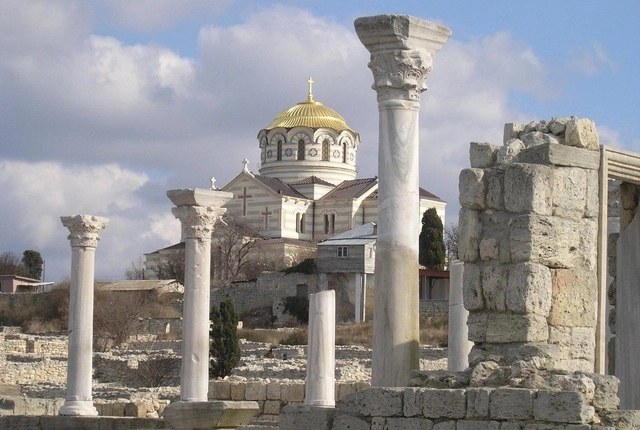
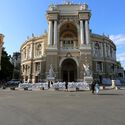
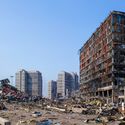
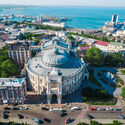
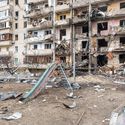
An International European cultural project, U-RE-HERIT, launched an initiative to protect Ukraine’s architecture, heritage, and memory. This wide consortium of architectural institutions came together to reach a common goal of preserving Ukrainian culture. With the ongoing crisis, the project aims to address heritage as a resource for cultural, social, environmental, and economic recovery. Moreover, the project hopes to redefine local cultural identity and rebuild the city with the sensitivity of collective memory.
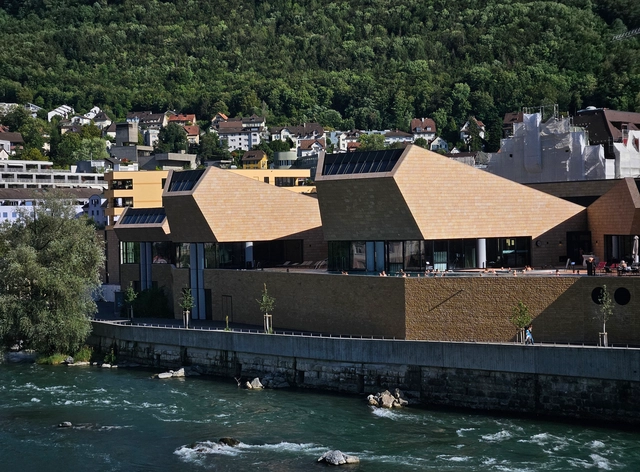
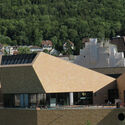
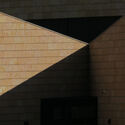
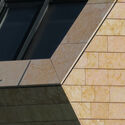
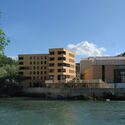
Fortyseven is a novel thermal wellness spa designed by the architect Mario Botta, nestled alongside the Limmat River in Baden, Switzerland. Baden, renowned for its rich cultural and wellness offerings, boasts a spa heritage that extends over thousands of years. The Fortyseven Thermal Wellness Spa has revitalized this historical legacy by presenting wellness culture through a modern lens. Designed by Mario Botta, this project offers an immersive encounter for the body, mind, and soul. The essence of the site and its design is captured by the lens of architectural photographer Paul Clemence, in his latest series.
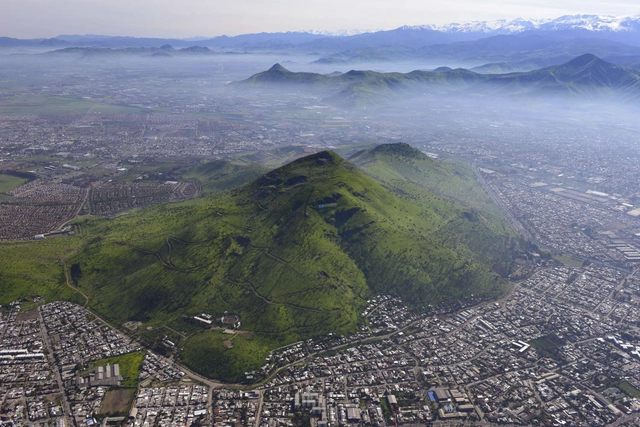
The US Cities Forward program selects various municipalities in the Western Hemisphere requiring urban assistance based on environmental, economic, and social criteria, focusing on the concepts of "sustainability, inclusion, and resilience." The initiative recently announced the 24 cities that will participate from this year through 2026, engaging in peer-to-peer learning with US cities while gaining access to tools and funding to achieve their sustainability goals.
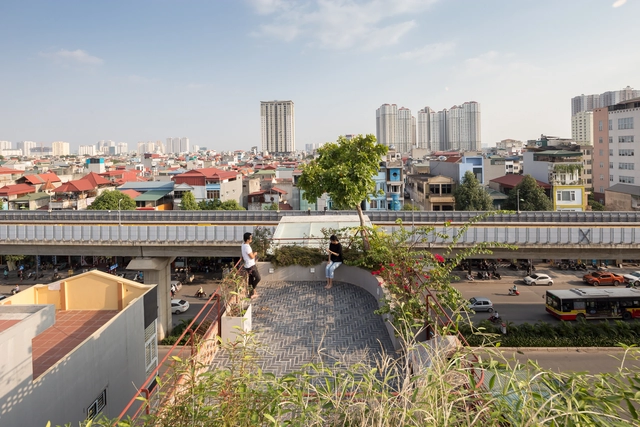
Cities across the globe are developing comprehensive action plans in order to create a coordinated response to the challenges of climate change. Targets and goals for consumption-based emissions are important for guiding strategic planning and decision-making, improving accountability, and communicating the direction of travel to businesses and the public. National and regional government officials are working with the private sector, international organizations, and civil society to create change at every level, from structural interventions in supply chains and industries to individual choices. This demonstrates a rising understanding of the role of cities in mitigating the adverse effects of rising temperatures.


The "Kilometer Zero" concept has been gaining popularity in contemporary architecture, promoting environmentally conscious approaches to reducing carbon emissions. One application of this concept is the blōma project by SPBR arquitetos, led by Angelo Bucci. The São Paulo-based firm's first project in Curitiba, the residential building was designed to prioritize local resources and labor.
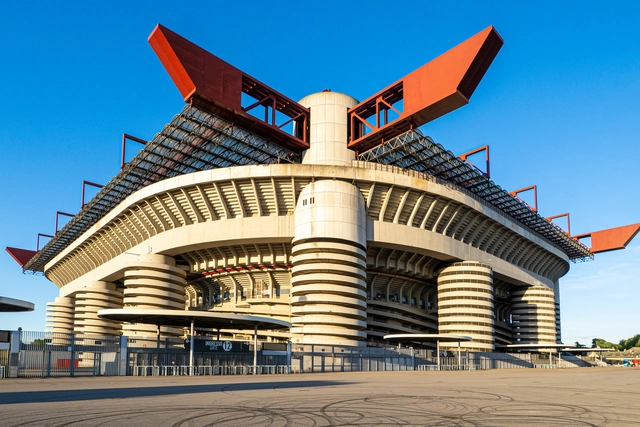
Milan’s iconic Giuseppe Meazza Stadium, also known as San Siro, has been saved from demolition after a decision of the Regional Commission for the Cultural Heritage of Lombardy has determined that the stadium holds cultural significance. The stadium, home ground to f AC Milan and Inter Milan football teams, was set to be replaced by a new stadium, named “The Cathedral”, designed by American architecture studio Populous. The office continues to work with Inter Milan football club to develop a new stadium proposal in the Rozzano neighborhood, according to reporting in the La Gazzetta dello Sport.


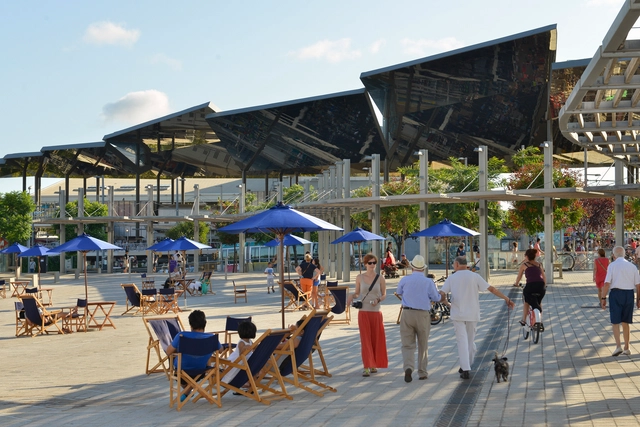
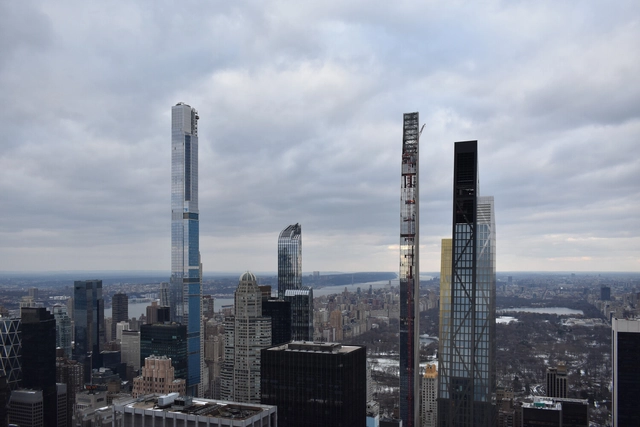
The NASA Goddard Institute for Space Studies (GISS) in New York has just announced that the month of July 2023 was hotter than any other month ever recorded in terms of global temperature. Spiking to 1.12 degrees Celsius above the 20th-century July average, this month was warmer than any month since 1850 when the NOAA database began. The climate crisis at large has made heat waves more prevalent, putting millions of people in danger. These growing effects of the climate crisis also severely affect cities worldwide, posing a threat to urban inhabitants globally.
This article was originally published on Common Edge.
What we build can be metaphoric—often intentionally, sometimes subliminally. But architecture is seldom the intentional commentary of architects, crafting symbolism; more often it is a direct reflection of its time and the culture that made it.

From the top floor of the Hilton Hotel at Tucherpark in Munich, you could see the skyline of the city dotted with construction cranes, a reflection of its current state of development. With this backdrop of old meets new, this year’s edition of the Architecture Matters conference started its program under the title “Second City: The New in the Old.” While the title could have been fitting for a preservation conference, Architecture Matters actually brought together a diverse group of architects, urbanists, engineers, city planners, government officials, developers and technologists to discuss forward looking ideas for the built environment. Reduce, reuse, recycle, and the circular construction dominated the discussion across different scales, from city planning to new materials, and tech startups.