.jpg?1572522806&format=webp&width=640&height=580)
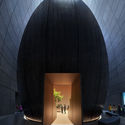
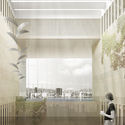
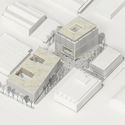
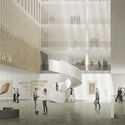
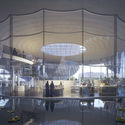
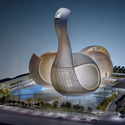
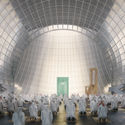
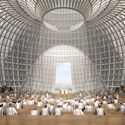
OnePULSE Foundation has selected Coldefy & Associés with RDAI, Orlando-based HHCP Architects, Xavier Veilhan, dUCKS scéno, Agence TER, and Prof. Laila Farah, to design the National Pulse Memorial & Museum.
OnePULSE Foundation has selected Coldefy & Associés with RDAI, Orlando-based HHCP Architects, Xavier Veilhan, dUCKS scéno, Agence TER, and Prof. Laila Farah, to design the National Pulse Memorial & Museum.
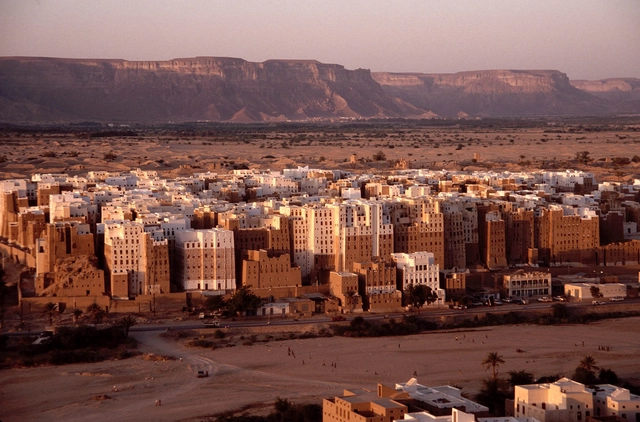
Walking through narrow chaotic alleys dwarfed by soaring towers, few would estimate the age of Yemen's city of Shibam at nearly 1,700 years. Located in Yemen's central Hadhramaut district, Shibam has roots in the pre-Islamic period, and evidence of construction dating from the 9th century.
Shibam is known as the first city on earth with a vertical masterplan. A protected UNESCO World Heritage Site since 1982, the city is home to densely packed buildings ranging from four to eight storeys, beginning in 300 AD but now mostly built after 1532. Thanks to a fortified ring wall, the city has survived nearly two thousand years despite its precarious position adjacent to the wadi floodplain.
Enter the ancient walled world of Shibam after the break

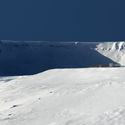
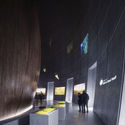
Snøhetta has designed a new a visitor center for Arctic preservation storage called The Arc in Svalbard off the coast of Norway. At 78° north of the Earth’s equator, the project referencing its location in the Arctic and its function as an archive for world memory. Commissioned by Arctic Memory AS, the visitor center will showcase content from the Svalbard Global Seed Vault – the world's largest secure seed storage.
Past, Present, Future is an interview project by Itinerant Office that invites prominent architects to share their perspectives on the constantly evolving world of architecture. Each interview is divided into a three-part video series—Past, Present, and Future—where interviewees discuss their architectural philosophies and experiences. The project's first installment featured 11 architects from Italy and the Netherlands, while the second edition comprises interviews with 13 architects from Spain, Portugal, France, and Belgium.
The aim of this interview series is to study these successful firms and understand their methodologies. The videos seek to offer a clear picture of what it means to be an architect in the 21st century, while serving as inspiration for the next generation of emerging architects and students entering the field.
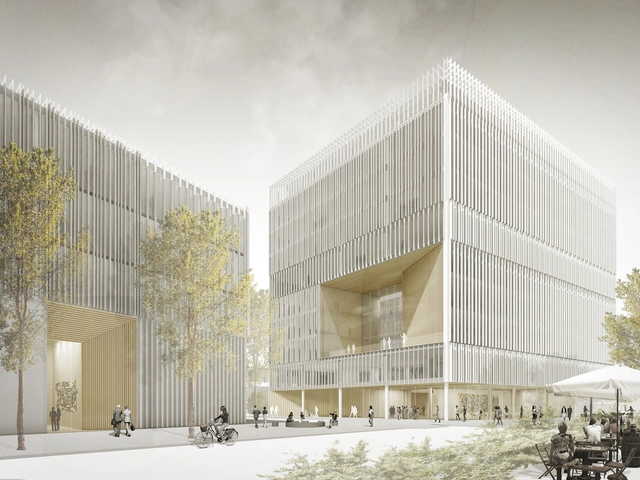
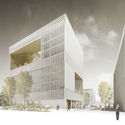
On September 12, the winners of the international urban planning and architectural design competition organized by the Slovenian company Dimnikcobau to design one of the largest business parks in Ljubljana, Slovenia, were announced. Of the eight firms invited to participate, the winning project selected was by BAX studio, a Barcelona-based firm led by Boris Bezan and Mónica Juvera.
.jpg?1572448930&format=webp&width=640&height=580)
The Royal Institute of British Architects has announced two more homes for the House of the Year 2019 shortlist. A Restorative Rural Retreat for Sartfell, a stone property in the middle of a nature reserve on the Isle of Man and Black House, a cantilevered black timber box in Skye lowered onto a rocky foreshore – are the third and fourth homes to be shortlisted.
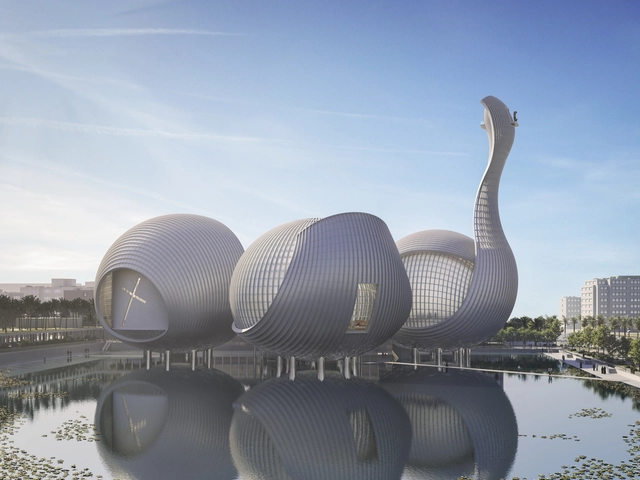
Safdie Architects’ entry for the Abrahamic Family House competition located in the Saadiyat Island Cultural District, in Abu Dhabi, brings together a mosque, a synagogue, and a church within a shared public park.
The 2A Continental Architectural Award was founded to pay tribute to the living architect or architects whose architecture and artwork exhibits a blend of those qualities of ability, vision, flair, and dedication. Under the leadership of Ahmad Zohadi, who is head of organizing committee and also an Architecture Scholar himself 2ACAA strives to achieve the vision of cultural integration, honor the architecture and architects that may have produced regular and noteworthy contributions to the human race and the built environment by making use of art and architecture.
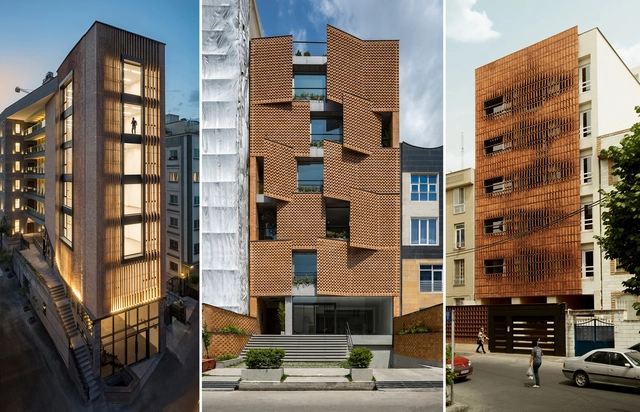
Iran’s architecture has long been rooted in Persian culture. From tea houses and pavilions to domestic huts and elaborate mosques, the country’s built environment is tied to these influences, as well as the landscape and its broader context. At the heart of Iran’s more recent projects is a desire to reinterpret history through new spaces and forms.
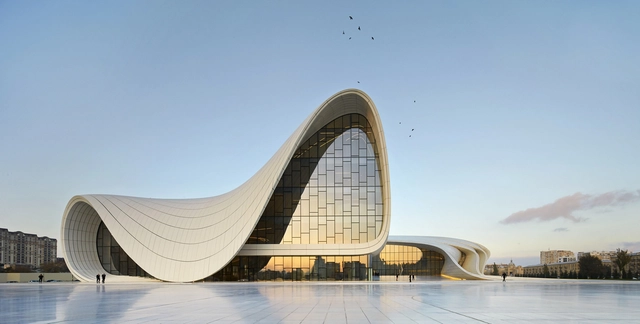
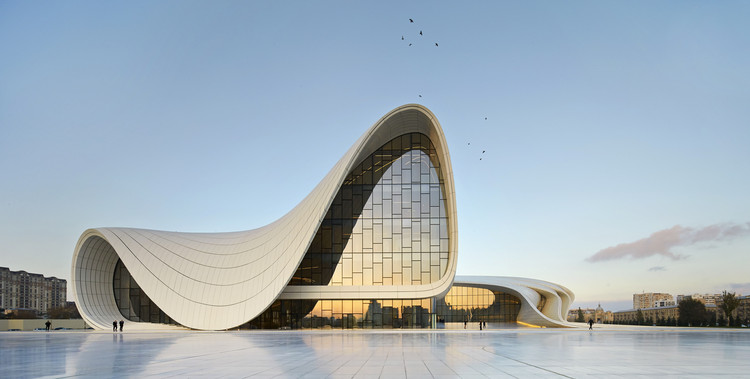
In her lifetime, Pritzker prize-winning architect, fashion designer and artist Zaha Hadid (31 October 1950 – 31 March 2016) became one of the most recognizable faces of our field. Revered and denounced in equal measure for the sensuous curved forms for which she was known, Hadid rose to prominence not solely through parametricism but by designing spaces to occupy geometries in new ways. Despite her tragically early death in March of 2016, the projects now being completed by her office without their original lead designer continue to push boundaries both creative and technological, while the fearless media presence she cultivated in recent decades has cemented her place in society as a woman who needs just one name: Zaha.
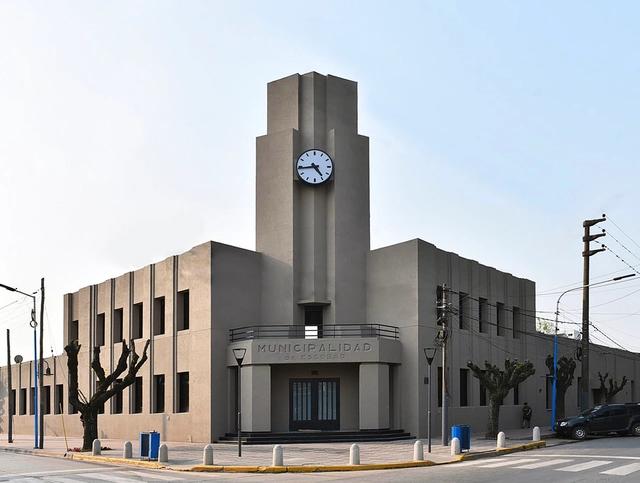
A numerical coincidence links the municipality of Escobar with the life of architect Francisco Salamone. In 2019, the district celebrates 60 years since its creation—having achieved municipal independence in 1959—an anniversary inviting its residents to reflect on both its history and its future. August also marked the 60th anniversary of Salamone's death. In 1938, he was commissioned to design the Municipal Palace in Escobar. The project, however, was left unfinished due to budget constraints, making it the only project by the architect in Buenos Aires that remains incomplete today. To mark this double anniversary, the local government is revisiting the original design to finally complete the building.
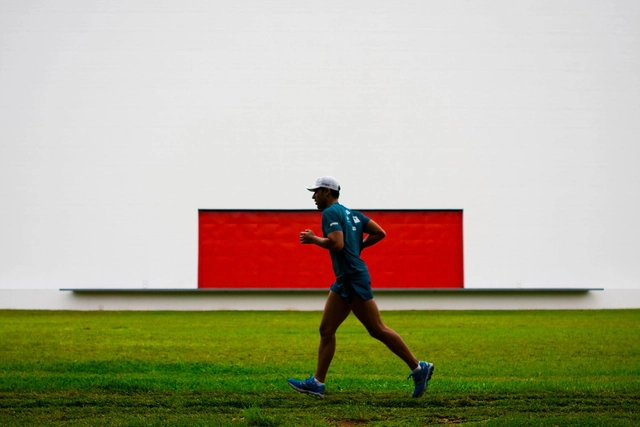
The São Paulo Court of Justice today cleared the concession of Ibirapuera Park, the largest in the state capital, to the private sector. According to reports by Folha de S. Paulo, the process had been suspended since March of this year, after being challenged by the Public Prosecutor's Office and Green Party council member Gilberto Natalini.

Trains are not the primary mode of transportation in South American countries, whether for cargo or passengers. The rail networks across the continent are poorly connected and, even domestically, are largely outdated or in disrepair. Nevertheless, from an era when transportation relied primarily on rail, beautiful railway stations remain, still serving cargo and passenger trains today.
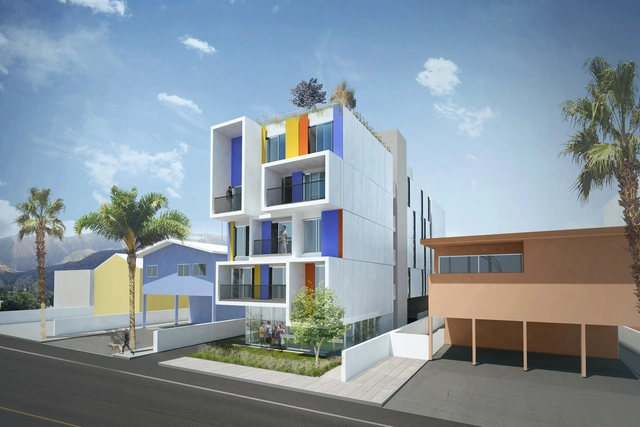
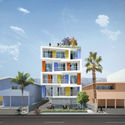
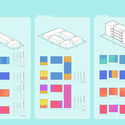
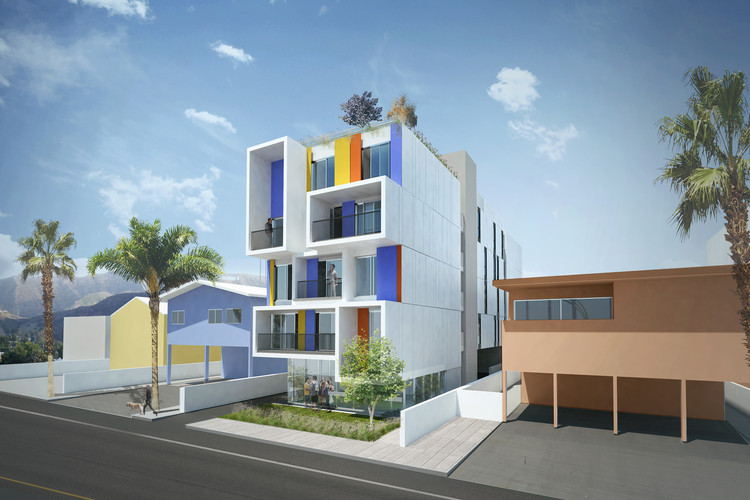
Brooks + Scarpa and Plant Prefab have developed a new toolkit to address housing shortages. Scalable as an infill solution, the Nest toolkit can be configured in multiple ways using site types and typical lot sizes, or a combination of them. The toolkit was made to address LA’s shortage of supportive housing for the homeless and provide flexibility to meet the needs of a particular site, neighborhood, and bed count.
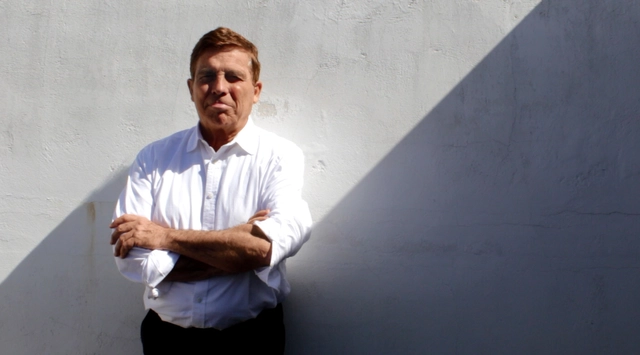
Architect Alberto Campo Baeza has been awarded the Gold Medal for Architecture, Spain's most prestigious architectural honor, which has been presented by the professional association of architects since 1981. Established by the Superior Council of Architects' Associations of Spain (CSCAE), the Gold Medal recognizes the dedication of individuals and institutions whose work elevates the field of architecture.
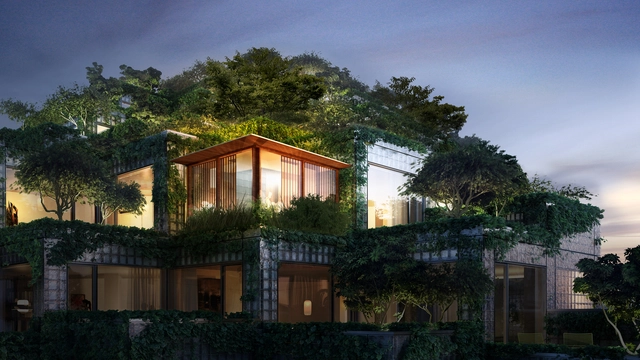
Designed by BIG, in collaboration with Allied and Westbank, KING Toronto portrays architecture’s ability to create a community and meet the challenges faced by society nowadays. Located in Canada’s King Street West neighborhood, the project is a direct response to the context.
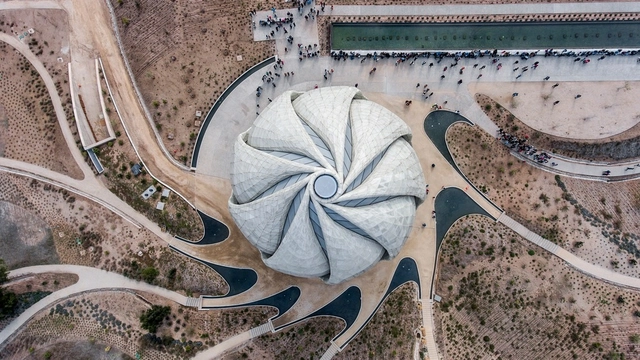
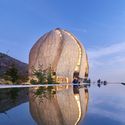
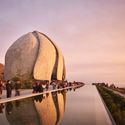
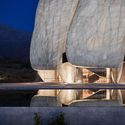
The Baha’i Temple of South America in Santiago, Chile, designed by Hariri Pontarini Architects of Toronto was selected as the winner of the 2019 RAIC International Prize, by the Royal Architectural Institute of Canada (RAIC).

Vietnam has a rich history of traditional architecture. From Rong houses and Trinh Tuong residences to the stilt longhouses of the Ede people, the country has a depth of vernacular construction methods and styles. Today, architects are reinterpreting past building techniques to create neo-traditional homes grounded in contemporary life.
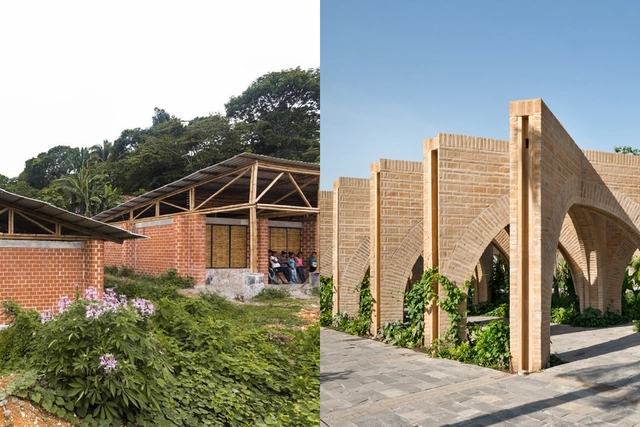
The AR Emerging Architecture Awards have revealed their shortlist, which includes two Mexico-based practices: Estudio MMX and Comunal Taller de Arquitectura. Alongside 14 other offices, they will have the opportunity to present their projects to the judges: Anna Heringer of Anna Heringer Architecture, winner of the 2006 and 2008 AR Emerging Architecture awards; London-based Irish architect Níall McLaughlin of Níall McLaughlin Architects, who was a finalist in 2002; and Sou Fujimoto, founding director of Sou Fujimoto Architects, a previous winner in 2006 for a children's treatment center in Hokkaido, Japan.
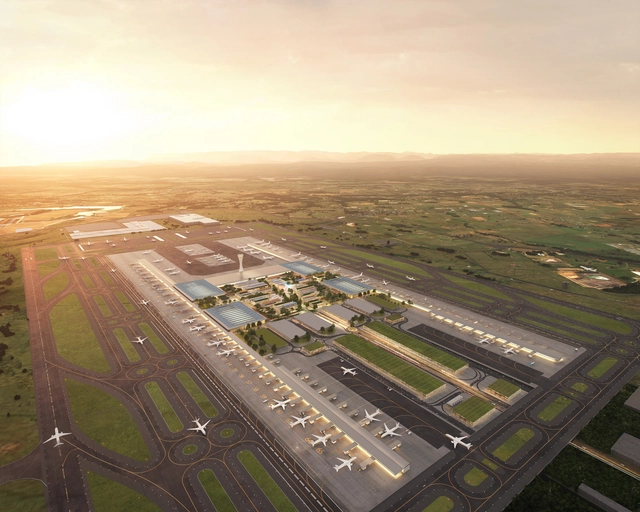
Selected from forty national and international applicants, Zaha Hadid Architects and Cox Architecture won the international design competition for the new Western Sydney Airport (WSA).
.jpg?1572274326&format=webp&width=640&height=580)
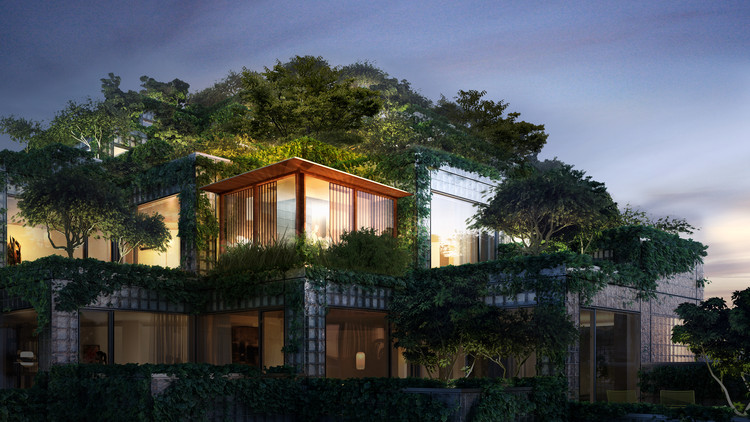
Commisionned by Grupo Karim's, and designed by Stefano Boeri Architetti, the first Smart Forest City in Mexico will focus on innovation and environmental quality. The city balances green and built spaces, and is completely food and energy self-sufficient.
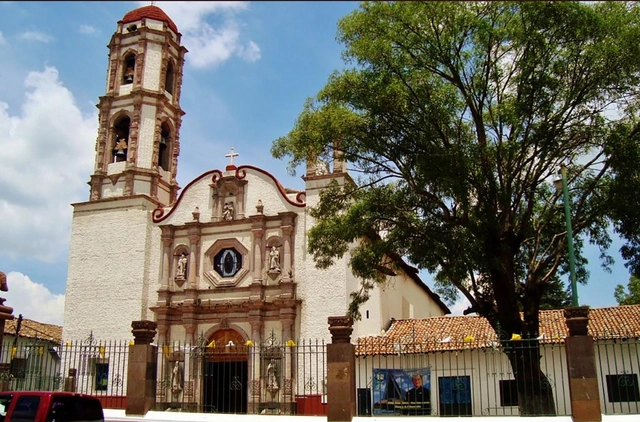
The Latin American Coordinator of Architecture Students (CLEA Latinoamérica) has confirmed on social media that the 2020 edition of the Latin American Social Workshop (TSL) will be held in San Felipe del Progreso, Mexico.

As part of its 175th-anniversary celebrations, the British Hospital of Buenos Aires, Argentina, launched the “Idea Raiz” competition, an initiative aimed at revitalizing the green spaces of its headquarters. The project seeks to enhance the institution's spatial and landscape qualities, creating therapeutic and recreational areas for patients, families, and staff. The hospital selected projects with a distinct identity that aspire to serve as a legacy for its future. Discover the winning team's proposal below:

The annual DesignIntelligence architecture school ranking for 2020 classified the establishments according to the “most admired” rather than the “best”, for the second year in a row. The subjective classification is based on the responses of hiring professionals.



















.jpg?1572274134 "Courtesy of The Big Picture")

.jpg?1572271629 "Courtesy of Stefano Boeri Architetti")
.jpg?1572274101 "Courtesy of The Big Picture")
.jpg?1572274326)