Understanding the trace of history is more important than ever. Maybe now it's a good time to take stock and reevaluate to see what architecture could do better, and there are certain issues that other disciplines address better than architecture itself.
https://www.archdaily.com/879750/curators-johnston-marklee-introduce-the-2017-chicago-architecture-biennial-make-new-historyAD Editorial Team
We look for materials which are as intelligent, versatile and complex as natural phenomena, in other words materials which don't just appeal to the eyes of the astounded art critic, but are also really efficient and appeal to all our senses. – Jacques Herzog
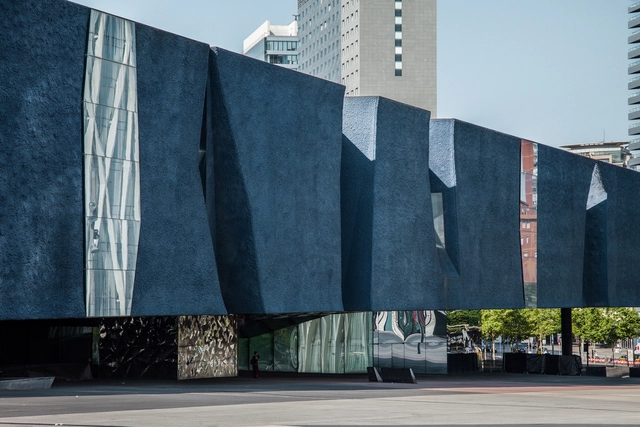
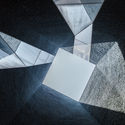
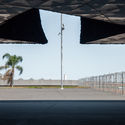
Like several other works of architecture by Herzog & de Meuron the Forum Building, known since the 2012 relocation of Barcelona's Museu de les Ciències Naturals as the Museu Blau, is remarkable for its sensitive use of materials. A triangular mass of gray-blue concrete punctured and split in places to reveal the contrasting use of reflective planes, the building is a hard one to ignore, especially for an architectural photographer.
In a large-scale, central installation at the 2017 Chicago Architecture Biennial, the likes of 6a architects, Barozzi Veiga, Kéré Architecture, MOS, OFFICE KGDVS, and Sergison Bates—among others—have designed and constructed sixteen five meter-tall contemporary iterations of the renowned 1922 Chicago Tribune Tower design contest.
https://www.archdaily.com/879715/in-vertical-city-16-contemporary-architects-reinterpret-the-tribune-tower-at-2017-chicago-architecture-biennialAD Editorial Team
Jan Gehl, the great Danish urbanist, has much in common with Jane Jacobs. For the better part of a half-century now, his focus has been on the development of people-oriented cities. The author of a number of books, including Life Between Buildings, Cities for People, Public Spaces—Public Life, and most recently, How to Study Public Life, Gehl and his colleagues have also served as consultants for the cities of Copenhagen, London, Melbourne, Sydney, New York and Moscow. Gehl Architects currently has offices in Copenhagen, New York and San Francisco. I spoke to Gehl about Jacobs, the folly of modernist city planning, and New York City’s durable urban form.
In August I moderated a round table at UNAM in Mexico City in which I posed a provocative question: is architecture art? The participants, architects Mauricio Rocha, Gabriela Carrillo, and Victor Legorreta argued that despite architecture’s limitations, it is architects’ attempts to overcome them that makes it art. Meanwhile Gabriel de la Mora, an artist trained as an architect, drew a line, separating the two disciplines: “Art is art and architecture is architecture,” he insisted. Yet both sides were not quite satisfied with their initial assertions and the discussion continued, opening up to many interesting positions that pulled and pushed the interlocutors closer together and further apart with every attempt to give an explanation. I loved the discussion and I hoped we would not reach any definitive answers; the last thing we need in architecture is a consensus. It is our insistence on questioning that leads to new visions and unique solutions.
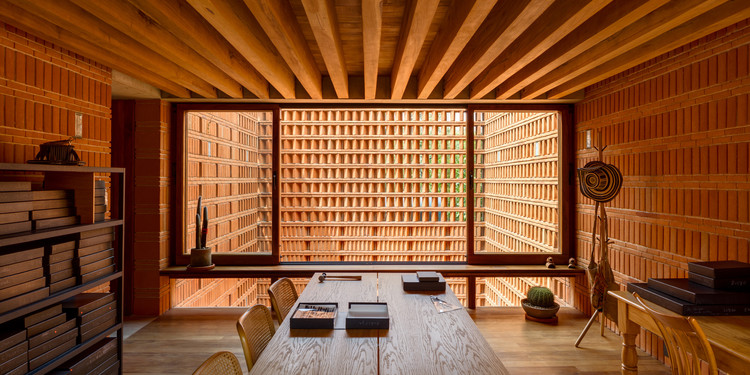
The following is my conversation with Rocha and Carrillo, as part of my City of Ideas column, in which we talked about their desire to make gravity feel light, seeing each project as a dialogue, their love for making decisions based on accidents, and their disinterest in being perfect. The architects strive to achieve a “meaningful silence” and they prefer to pay no notice to that line between architecture and art, the boundary that so few architects even dare to approach.
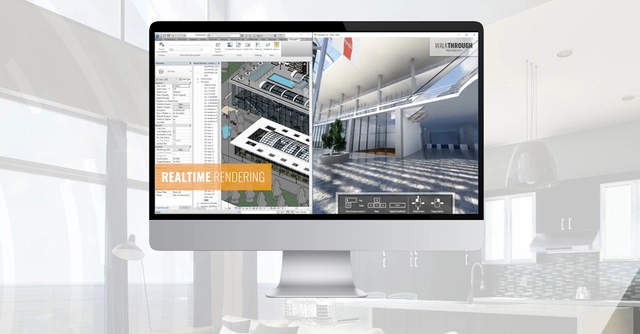
I recently asked ArchSmarter readers what tools they’re using to be more productive in Revit. Over 75 different add-ins were recommended! I tallied up all the votes and came up with this list of top-ten recommendations. There are some repeat nominees from my previous round-ups (which you can read here and here) as well as some welcome newcomers.
So who made the cut? Here’s this year’s list of the top 10 Revit apps you should be using.
As architecture students head to their final year of BArch, half-crazy from years’ worth of scraped fingers, ghastly juries, sleepless nights, and a general lack of social life, they encounter the mighty problem of choosing a thesis topic. There are many subjects to choose from, but a personal interest in a particular subject is just one of the many factors that should influence this decision. Students need to ask themselves several other questions: Is the topic significant enough? Is it expansive enough? Is the project realistically doable?
The process can be daunting, for the decision has many consequences; sometimes, the choice of topic alone can mean the difference between the success and failure of a thesis. With so many factors to consider and deadlines closing in, students easily end up making decisions that they regret later. Here are eight tips to help you make an informed choice on the matter:
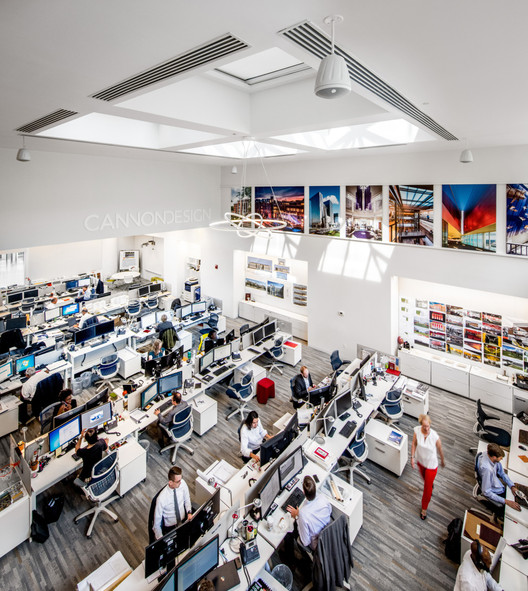
Like most architecture students, I heard the debate about whether it was better to work at a large or small design firm numerous times during my collegiate career. There are undoubtedly benefits offered by firms of each size, and you’ll find tons of people eager to discuss how the resources of a large firm can compare to the creative flexibility of a small firm and similar such discussions during your student journey. Truthfully, there’s no one best option or preferred path, but, with thousands of students set to head back to architecture or design school this fall, I wanted to share my perspective.
It was just a few years ago that I was in my final year of school and faced with a decision: what size firms should I pursue for my first job? There were numerous aspects of small firms that spoke to me, but ultimately, I chose the large-firm experience. Big offices, big projects, job security, the latest tech, modeling and 3D printed resources—this all sounded great to me. Two years in, I’ve found most of those benefits to ring true, but I’ve also uncovered several benefits I didn’t know I should have been looking for in the first place. These unplanned discoveries have made a significant difference in my day-to-day experience and in helping to kickstart my career. I thought it might be helpful to share them so other students can consider them when making their decision in 2018 and beyond.
Each year, thousands of tourists flock to the Italian region of Tuscany to view works of architectural mastery. Renowned architectural figures such as Michelangelo and Brunelleschi transformed Tuscan cities to be stages of cultural rebirth during the 14th-17th century. These times, however, have passed. Today, Tuscany is faced with problems such as the decline of suburbs, abandoned buildings, and property speculation. The modern Italian architecture scene is in decline, and the country is experiencing an oversupply of architects, requiring many to emigrate in search of work.
Can the spirits of these Renaissance architectural masterminds be emulated today in modern Tuscany? This is exactly the topic that cultural association 120g explores in their new documentary, Tuscanyness. The film depicts how this nature of cultural rebirth is alive today through the architects born and educated in the Tuscan region. Here, emerging architects have the unique opportunity to listen to the teachings of the past to inform the architecture of the future.
For many young architects, studying abroad is a life-changing event in their development as a designer. It opens their eyes to a different culture, style, and history in a manner that no books or classes could explain. For that reason, architecture schools have been making study abroad easier and more ingrained in their curriculum. In addition to the study abroad opportunities offered by universities, there are many opportunities for students and recent graduates to travel and explore their own topic of study. Below is a list of 7 amazing grants and scholarships open to young architects and students:
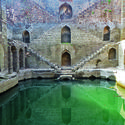
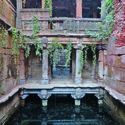
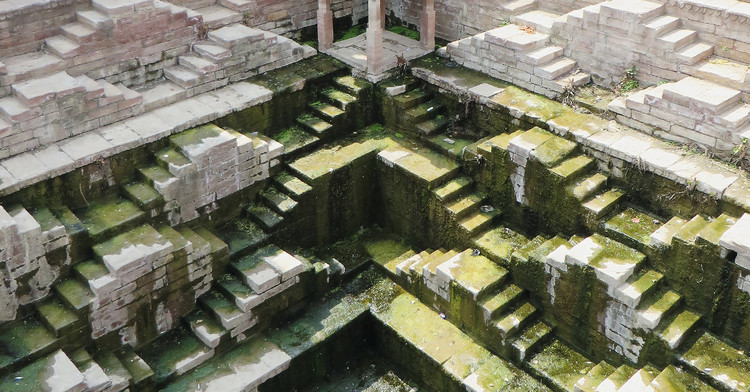
Thirty years ago, on my first visit to India, I glanced over an ordinary wall. The ground fell away and was replaced by an elaborate, man-made chasm the length and depth of which I couldn’t fathom. It was disorienting and even transgressive; we are, after all, conditioned to look up at architecture, not down into it, and I had no clue as to what I was looking at. Descending into the subterranean space only augmented the disorientation, with telescoping views and ornate, towering columns that paraded five stories into the earth. At the bottom, above-ground noises became hushed, harsh light had dimmed, and the intense mid-day heat cooled considerably. It was like stepping into another world.
What might the futuristic home of Tony Stark (AKA Iron Man) look like in our more mundane world? In this fun exercise, Archilogic imagines a for-sale version the Malibu mansion. Explore it for yourself in the 3D model!
Ever dreamed of a real superhero lifestyle? We have a rare opportunity to buy in this secluded Malibu location, thanks to a change of heart by the former owner. Dramatic views, spectacular entertaining areas, plus a huge workshop/garage and helipad – it’s all here.
Lovingly rebuilt after an unfortunate accident, this stark white clifftop mansion once again has all its original features. Buyers who enjoy a rich social life will appreciate the glamorous history of the house, in which the celebrity former owner enjoyed a lavish party lifestyle, as much as its spectacular design.
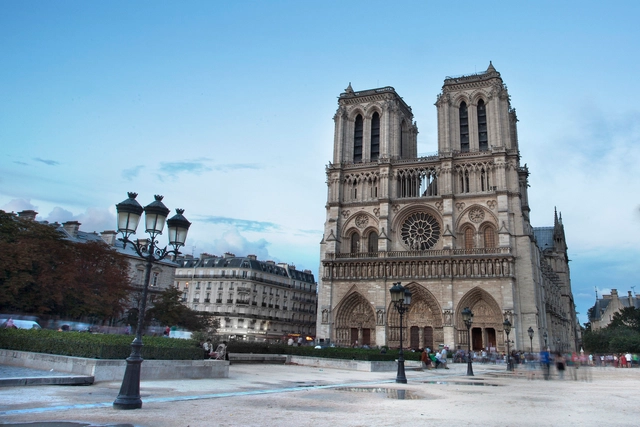
A few years ago, while visiting, or rather exploring, Notre-Dame, the author of this book found, in an obscure corner of one of the towers, this word carved upon the wall:
'ANÁΓKH
These Greek characters, black with age, and cut deep into the stone with the peculiarities of form and arrangement common to Gothic calligraphy that marked them the work of some hand in the Middle Ages, and above all the sad and mournful meaning which they expressed, forcibly impressed the author.
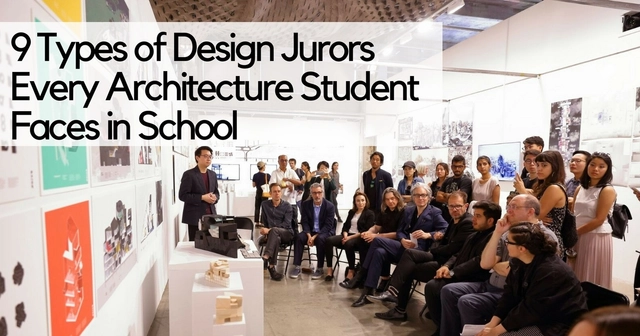
Design juries undoubtedly form the very foundation of architecture school. Their success or failure, however, largely lies in the hands of the jurors who are assigned to review student work. While architecture is an inter-disciplinary subject with wide-ranging consequences, most jurors are specialists in a singular sub-field. This makes design juries a terrifyingly unpredictable affair; students don’t just battle against their nerves and sleep-deprivation, but are also required to be on their toes to ensure that they can handle anything that the jurors might throw at them.
However, this is easier said than done. As a student, defending your work against criticism from an easily-offended know-it-all juror will probably do you more harm than good. Similarly, it’s hard to impress a building services expert by harping on about the probable positive sociological impacts of your design proposal. Being able to correctly identify the academic or emotive leanings of a juror can go a long way in helping students present their work strategically, thus ensuring that they make the most of their jury experience. Here’s a compilation of nine types of design jurors every architecture student will probably face at some point in school:
On Thursday, July 29th, the Estadio Wanda Metropolitano's roof was officially completed. This new stadium, a renovation of the old Peineta athletics stadium, is the new home ground of Spanish football club Atlético Madrid.
In this video, FCC Construcción captures the intense work on the roof which was designed and constructed by engineers Schlaich Bergermann Partner. The milestone marks four months of intense work since the installation of the first of the 96 PTFE radial panels at the north end of the stadium.
Completed in 2013 on the western coast of Bornholm—a small Danish island located south of Sweden—the Hasle Harbour Bath by White Arkitekter is one of a number of waterfront bathing facilities appearing in Denmark. Structures such as the Hasle Harbour Bath, the Kastrup Sea Bath, also by White Arkitekter, and the Copenhagen Harbour Bath by BIG + JDS, evoke images of a bracing coexistence with natural elements. If hygge, the Danish art of cosiness, has been one of the country's most successful cultural exports in recent years, the idea of a refreshing dip in the Baltic Sea offers a counterpart—a ying to hygge's yang.
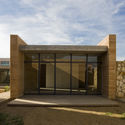
Only three of the Arts & ArchitectureCase Study Houses were built outside Los Angeles, and those three formed a united concept. The Triad Houses in La Jolla, a seaside suburb of San Diego, share a single driveway, motor court, and design vocabulary, while being created to meet different needs.
In keeping with the Case Study mission, all three houses used open-plan design, affordable modern materials (such as aluminium and concrete with wood frames), and plenty of glass to create a fresh and open mood. The emphasis was on strong geometric forms, careful detailing, horizontal lines (with perfectly flat roofs) and – this being the Californian coastline – dramatic views and outdoor living space, creating the illusion of more interior space than was actually present.
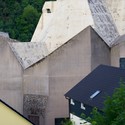
Standing like a concrete mountain amid a wood, the jagged concrete volume of the Neviges Mariendom [“Cathedral of Saint Mary of Neviges”] towers over its surroundings. Built on a popular pilgrimage site in western Germany, the Mariendom is only the latest iteration of a monastery that has drawn countless visitors and pilgrims from across the world for centuries. Unlike its medieval and Baroque predecessors, however, the unabashedly Modernist Mariendom reflects a significant shift in the outlook of its creators: a new way of thinking for both the people of post-war Germany and the wider Catholic Church.





.jpg?1505513121)
.jpg?1505513471 "© Laurian Ghinitoiu")
.jpg?1505513328 "© Laurian Ghinitoiu")
.jpg?1505513195 "© Laurian Ghinitoiu")
.jpg?1505513136 "© Laurian Ghinitoiu")
.jpg?1505513121)





.jpg?1504871819&format=webp&width=640&height=580)
.gif?1504720547)





.jpg?1503671953&format=webp&width=640&height=580)

.jpg?1503672004 "© Laurian Ghinitoiu")
.jpg?1503671990 "© Laurian Ghinitoiu")
.jpg?1503671953)