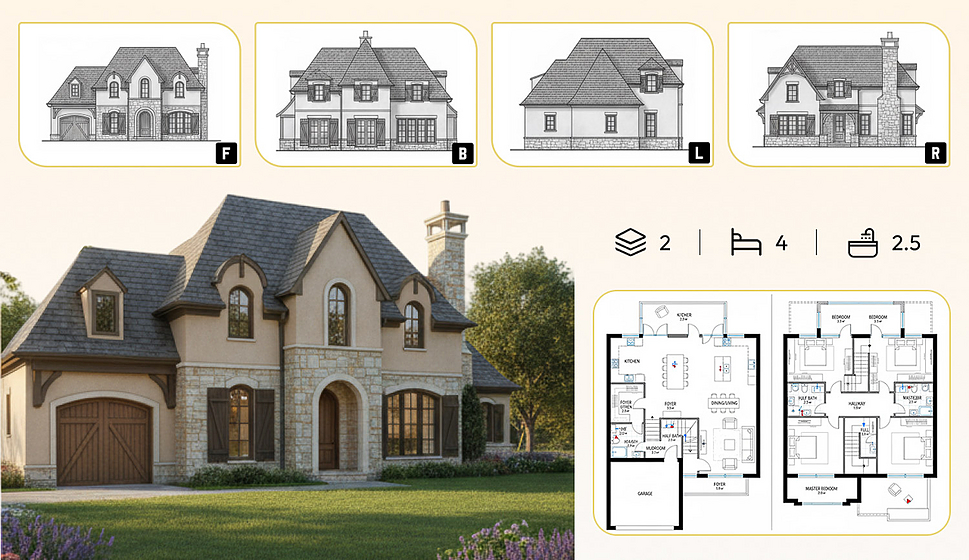
This guide covers a workflow that moves from project parameters to generated floor plans, 3D perspective views, exterior design exploration, and site context visualization, using AI tools in place of preliminary CAD and rendering work.
This guide covers a workflow that moves from project parameters to generated floor plans, 3D perspective views, exterior design exploration, and site context visualization, using AI tools in place of preliminary CAD and rendering work.
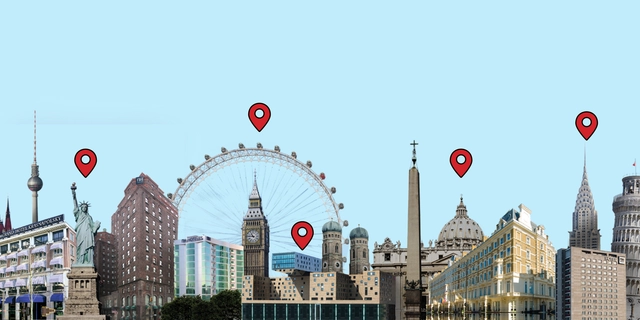
As long as cities have been around, there’s been one pressing question central to their future: “What makes urban areas desirable?” Over half of the world’s inhabitants live in cities and that number is projected to climb over the next decade with more than 5 billion people inhabiting urban cores globally. To prepare for this demand, cities are finding ways to be more desirable, draw in talent, and entice both big and small businesses, all while finding more ways to create equitable living opportunities for all.
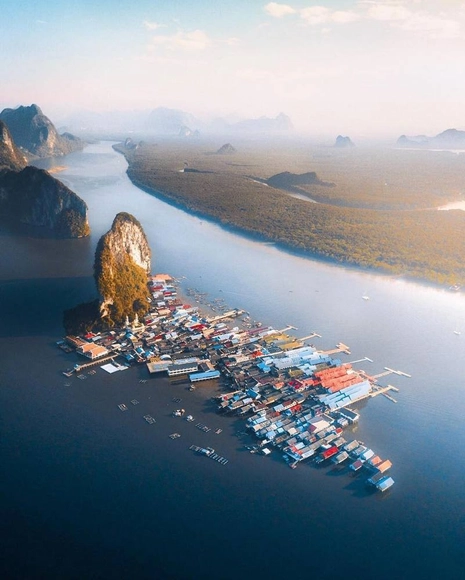
When we talk about cities or their lesser variations – villages, towns, communities –, we are used to evoking stereotyped scenarios that relate to streets, cars, buildings, and we often end up forgetting that there are plenty of other surprisingly unique patterns.
Many people study the cities and wonder about the exact moment when they were invented, given that they are open, unfinished works in progress. Some assume that their origin was due to the need for protection, which caused humans to quit nomadic lifestyles and settle as groups in a specific land to increase their chances of survival.
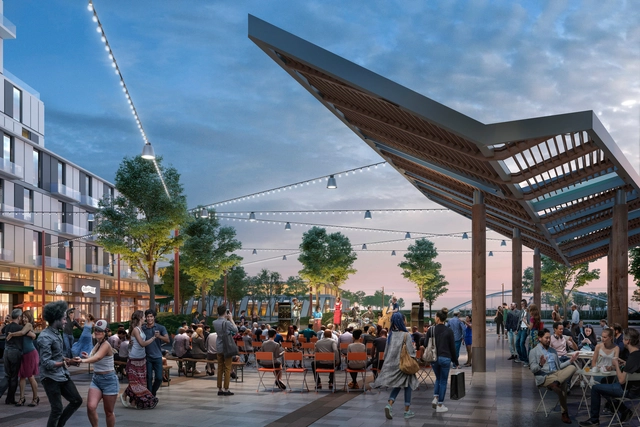
Celebrating community, three interdisciplinary leaders of design firm Sasaki are building space for change. Defining the future through collective, contextual, and values-driven projects, they are showing how working together produces greater impact. Following the belief that better design comes through open exchange and deep engagement, each of these women are creating more sustainable and inclusive futures.
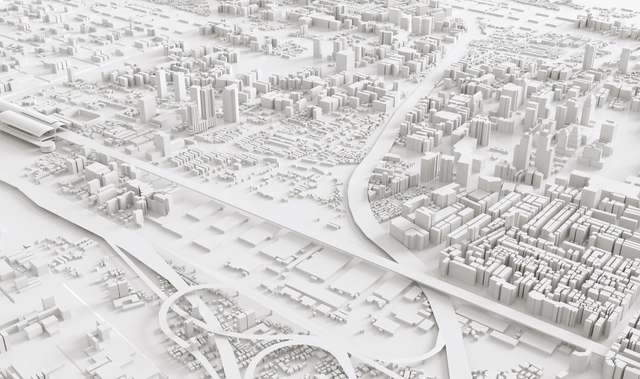
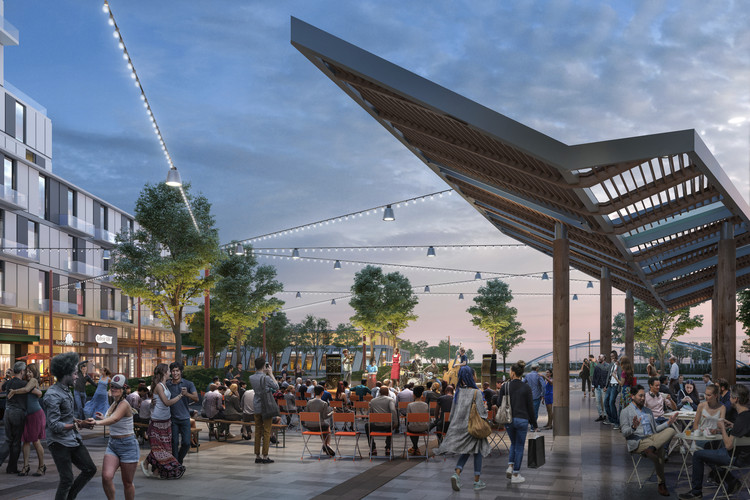
Over the past two decades, new master-planned cities have risen at a pace and scale rarely seen in modern history. Concentrated largely in Asia, the Middle East, Africa and Latin America, more than 150 such projects are currently underway. For some, these cities are promoted as fast tracks to modernization and a way to leapfrog from resource- or agriculture-dependent economies into knowledge-driven ones. For others, they are strategic showcases, designed to attract global attention, foreign capital, and prestige. By packaging urbanization itself as an investment opportunity, these projects promise to stimulate growth and reposition nations within the global economy—all through the act of building anew.
According to Forbes, "The new city building movement that we are currently in the middle of is one of the most under the radar and most misinterpreted social and economic developments happening in the world today". What often escapes scrutiny, however, is not only the architecture of these projects, but the governance model they advance.
.jpg?1611093603&format=webp&width=640&height=580)
Almost 6 months ago, on August 4th, 2020, the city of Beirut was shaken by one of the biggest non-nuclear blasts in history. Leaving the northern side of the capital in ruins, the explosion damaged around 40,000 buildings. New contemporary structures completed recently by local international architects are now facing reconstruction dilemmas, raising existential questions such as: How should reconstruction efforts of “new” damaged buildings look like? Should architects rebuild them as they were before the blast, erasing what has happened or should they leave scars and portray new realities?
In order to explore ideas and highlight different perspectives, ArchDaily had the chance to sit with three architects whose buildings were impacted by the blast. Bernard Khoury, Paul Kaloustian, and Lina Ghotmeh talked about their projects and their vision of the reconstruction of Beirut with ArchDaily's Managing Editor, Christele Harrouk, alongside Architectural Photographer Laurian Ghinitoiu, who documented in a featured photo series the extent of the destruction.
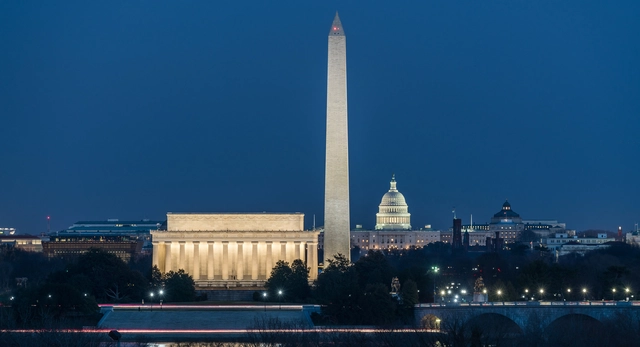
Designing resilient cities combines practical solutions with innovative ideas. Interdisciplinary global firm HKS is working to bring these ambitions to life with researchers, urban designers, nurses, anthropologists, graphic designers and more. Viewing design as a process of discovery, three directors at HKS are leading how cities explore research, equity and integration to create more resilient futures.
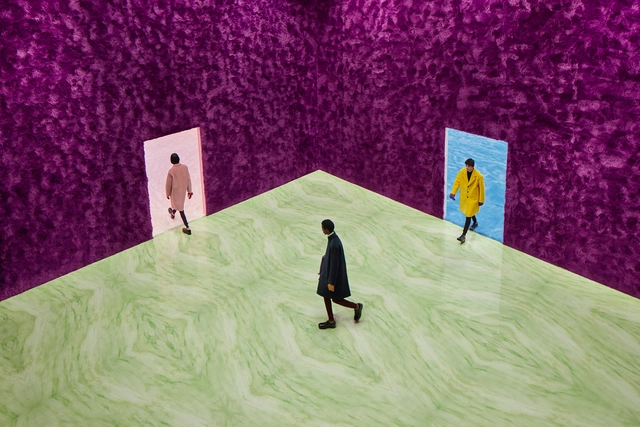
Responding to the challenge of designing a space for the launch of the Prada FW Menswear 2021 Collection by Miuccia Prada and Raf Simons, Rem Koolhaas and AMO have designed four connected geometric rooms that allow for the continuous circulation of the models showcasing their different garments. The general theme of the design centers sensory stimulation. Like the designs presented, the materials used and their distribution throughout the space speak of a more intimate connection with our surroundings, reminding us that fashion and architecture are more than just a functional container; they are an opportunity to actively excite and provoke our senses.
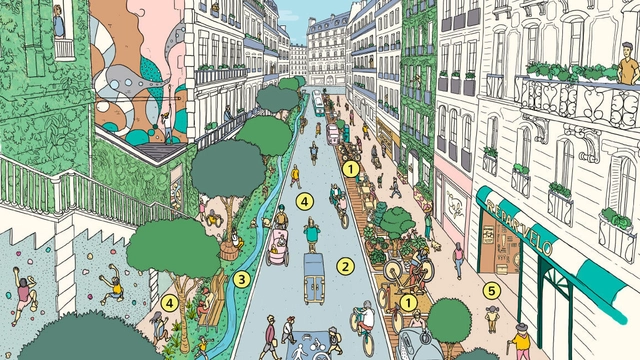
Think about the city or town where you live. How long does it take you to get to the grocery store on foot? Is your school or work close enough to walk to? What about a public park, a doctor’s office, a daycare, or any other places that you visit on a daily basis? While some cities have already considered what it means to live near all of these necessities, others are revamping their urban planning strategies and designing their neighborhoods to be more pedestrian-friendly with the concept of a “15-Minute City”.
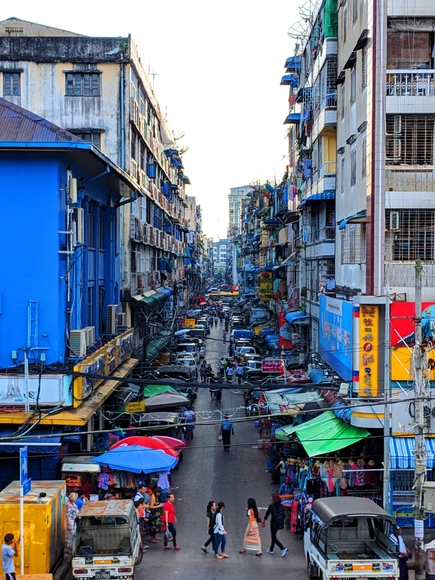
The Un-Habitat or the United Nations agency for human settlements and sustainable urban development, whose primary focus is to deal with the challenges of rapid urbanization, has been developing innovative approaches in the urban design field, centered on the active participation of the community. ArchDaily has teamed up with UN-Habitat to bring you weekly news, article, and interviews that highlight this work, with content straight from the source, developed by our editors.
Around 440 fast-growing cities in emerging economies will contribute by 2025, to nearly half of global economic growth. If given the right planning and management tools, this urbanization “can be transformative, creating jobs, reducing poverty, and improving citizens’ quality of life”. As a matter of fact, the Global Future Cities Programme (GFCP) aims to deliver this required support. Based on urban planning, transport, and resilience principles, the program provides “technical assistance for a set of targeted interventions to encourage sustainable development and increase prosperity while alleviating high levels of urban poverty”.
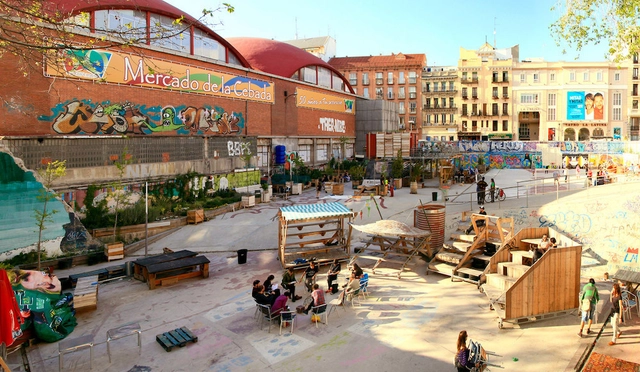
Many initiatives around the world have lately focused on ways to improve the urban environment through the actions of their inhabitants, be it in designing, building, or managing projects. Open-source urbanism is a collaborative approach that seeks to enhance the citizens' capacity for change.
An in-depth look at the concept of open-source urbanism is happening nowadays, and one can find many different definitions and approaches to it. But overall, open-source urbanism can be defined as the co-production of open-source common urban assets.
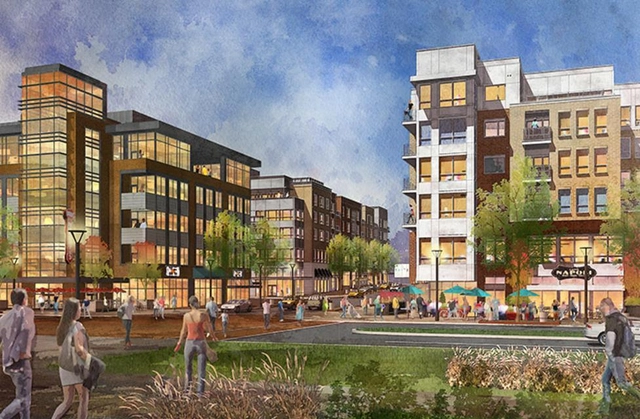
Suburbs as we know them are changing forever. Partially exacerbated by the effects of the pandemic, residents are leaving cities in droves in search of more favorable living conditions where more space, privacy, and affordability offers what some consider to be a more comfortable lifestyle. But as time goes on, and development sprawls, it’s harder to tell where cities end and suburbs begin.
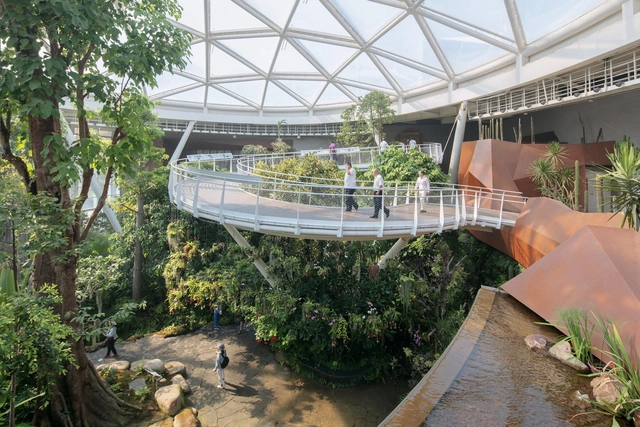
One of the most rewarding aspects of working with architecture publications is the possibility of meeting and becoming closer to the experts that are effectively transforming the discipline, either with built projects, research, experiments, theories, or even with works in other fields. In this sense, interviews perform a special role among all the different types of content published every day by ArchDaily, as we can get a closer insight into what some of the most distinguished and promising people have to say about the present and the future of architecture and cities.
With more than two hundred interviews published in our platforms, in English, Spanish, Portuguese, and Chinese, conducted in various formats – video recordings, transcripts, interviews by e-mail, video calls, or even podcasts –, it's safe to say that 2020 was a year of intensive learning during which we have become, paradoxically, closer than ever before to an inspiring group of architecture professionals.
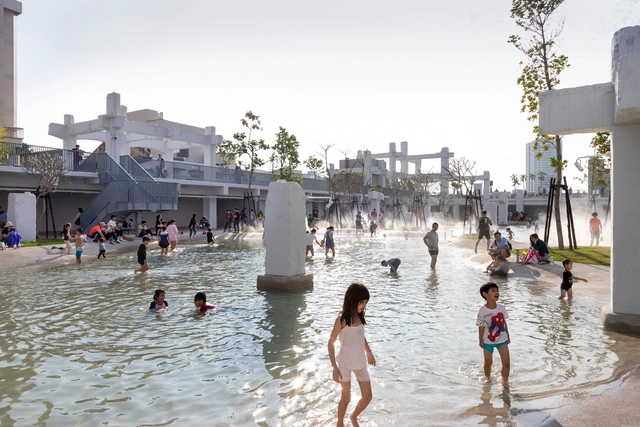
Facing the current and accentuated global challenges, we ask ourselves: What should we address first?
2020 was a tremendous opportunity to focus all our efforts and attention on the most urgent issues of architecture. Through articles, interviews, debates, and projects, ArchDaily's Topics presented each month an in-depth response to the most relevant problems - from the climate crisis and emergency architecture to artificial intelligence and How Will We Live Together.
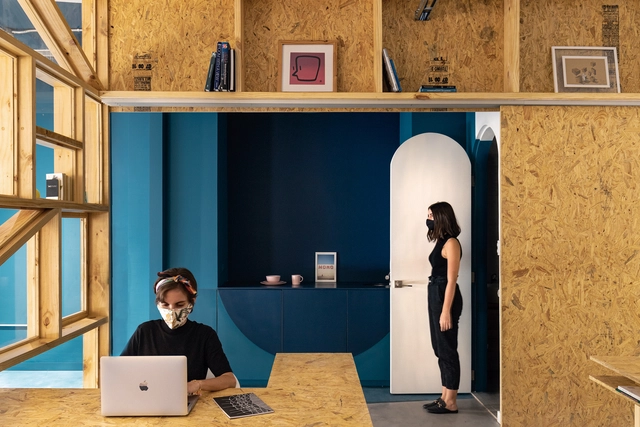
2020 has fundamentally changed our spatial routines and the current health crisis brought about a significant amount of speculation regarding how our daily lives will unfold onward. With the year coming to an end, we look at how the pandemic accelerated some architecture trends that were already underway, and how it brought into question other well-established ideas.
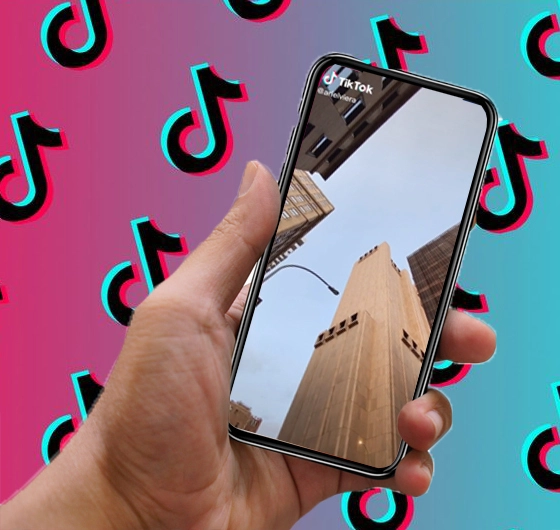
In a world that was once so obsessed with architecture that was “for the ‘gram”, the rise of TikTok is creating a shift in how we experience and consume architecture. It's no small trend either, nearly 950 million TiKTok videos utilize the hashtag #architecture, frequently to describe buildings in various cities or a specific architectural style that the video creator is familiar with. Does this mean that the era of the "instagrammable building" over, and is TikTok the new way to connect across generations and locations to explore the possibilities of architecture?
It is difficult to start any retrospective text on 2020 without sounding too cliché. While facing an invisible enemy that changed everyone’s lives, this past year has taught us that humanity is more fragile than we ever imagined. At Archdaily, it’s our job to synthesize how the buildings and the world we live in will be impacted by COVID-19 not only in the short term but in the distant future as well. Has our perception of the built environment changed this year? And has our relationship with the tectonics of buildings changed with all of the obstacles we’ve faced along the way?
Human Rights Day is celebrated every year on the 10th of December. After visiting numerous sites that commemorate the scenes of regrettable crimes against humanity and violence, one common observation can be made: the place of memory is not only a building. In fact, it is more about the encounter, the appropriation, and the gesture.
.jpg?1608057697&format=webp&width=640&height=580)
Cities would be nothing without the sense of experimentation and the future-forward push to always break the status quo in demand of a better urban life. As many successful urban designs and strategies as there have been, the world has also seen some not-so-successful ones, that have been pushed to the sidelines becoming a forgotten memory over time. While we look ahead and speculate about what the future of cities could and should be, maybe it’s time to take the lessons learned from these failed projects and pay homage to their misfortunes, so that history’s mistakes aren’t repeated in the present day.



.jpg?1611288061 "The Line project in Saudi Arabia. Image © NEOM")


.jpg?1611093772 "© Laurian Ghinitoiu")
.jpg?1611093604 "© Laurian Ghinitoiu")
.jpg?1611093961 "© Laurian Ghinitoiu")
.jpg?1611093888 "© Laurian Ghinitoiu")
.jpg?1611093603)





_Del_Rio_Bani.jpg?1608748851 "Superblock of Sant Antoni. Image © Del Rio Bani")